Redefining Travel for a New Generation
The idea of a grand educational journey is not new. In the 18th century, the ‘Grand Tour’ sent wealthy young men across Europe to observe art and ancient ruins, collecting experiences like stamps in a passport. Today, however, young travellers are not content to simply look. They want to participate, connect, and understand. For this generation, travel is less about the monuments you see and more about the memories you make and the person you become.
This shift redefines cultural immersion. It is no longer a passive act of observation. It is an active, hands-on process of engagement. Consider the difference between snapping a quick photo in front of the Eiffel Tower versus spending a morning in a Parisian boulangerie, your hands dusted with flour, learning from a baker how the precise folding of dough creates the perfect croissant. One is a fleeting image for social media. The other is a sensory memory, a shared conversation, and a genuine piece of cultural understanding.
The motivations for travel have changed. Young adults are searching for authentic connections and personal growth, not just aesthetically pleasing backdrops. They are asking bigger questions: What can I learn from this place? How can I contribute in a meaningful way? This search for purpose has led many to discover that well-structured purposeful travel for students offers a unique framework for deep engagement. A thoughtfully designed group trip can open doors to experiences that are often inaccessible to a solo traveller, turning a simple visit into a profound learning opportunity.
The Strength of a Shared Experience
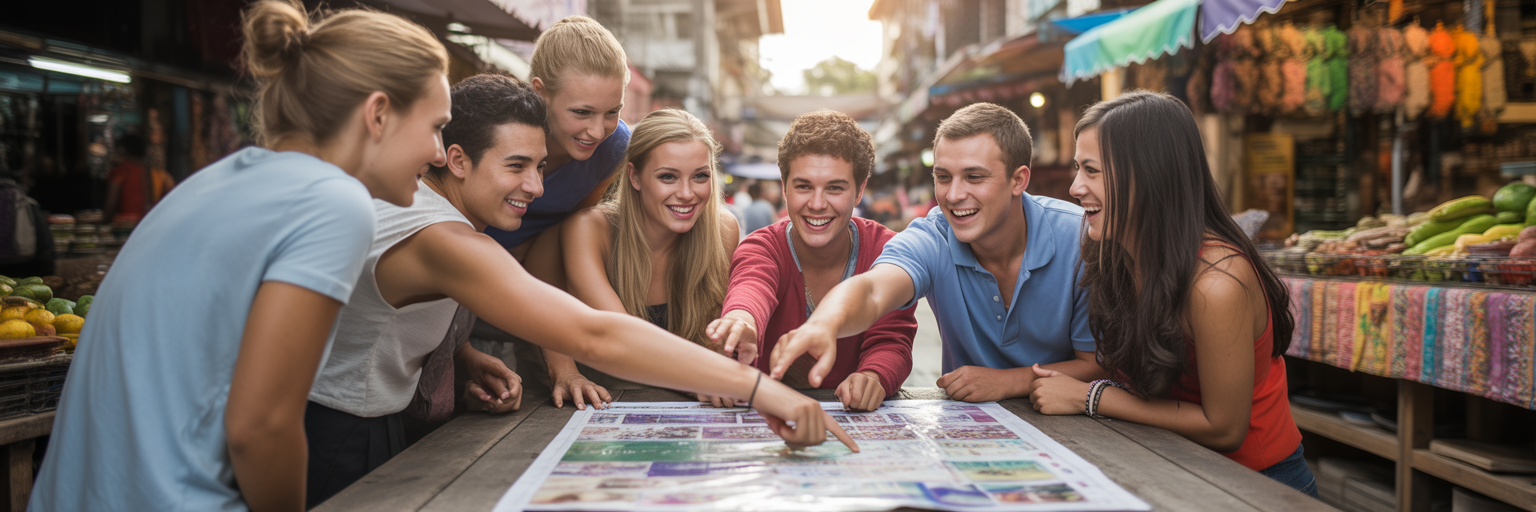
While the goal is to connect with a new culture, the journey often begins with the small community you travel with. The internal dynamics of a travel group create a unique environment for personal growth. There is a psychological safety that comes from exploring the unknown with a cohort of peers. This supportive setting emboldens you to step outside your comfort zone. You are more likely to try that unfamiliar street food, practice your few words of a new language with a shopkeeper, or join in a local dance when you have friends by your side, sharing in the vulnerability and excitement.
This collective discovery also amplifies learning. After visiting a historical site or participating in a community workshop, the group discussion that follows allows for a rich exchange of perspectives. One person might have noticed an architectural detail, while another was struck by a personal story shared by a guide. These conversations challenge individual assumptions and weave together a more complex and nuanced understanding than any single person could achieve alone.
Beyond the emotional support, there are many practical benefits of group travel, especially for young or first-time international travellers. With logistics like accommodation and transport handled by the program, you are freed from the mental burden of planning. This saved energy can be redirected toward what truly matters: being present, observing your surroundings, and fully engaging with the experience. Navigating a new environment as a team also cultivates essential life skills that extend far beyond the trip itself.
- Collaborative Problem-Solving: Working together to decipher a bus schedule or deciding as a group how to spend a free afternoon teaches you to find common ground and leverage collective strengths.
- Effective Communication: You quickly learn to articulate your needs, listen to the perspectives of others, and communicate clearly, especially when navigating different personalities and preferences.
- Compromise and Adaptability: Balancing your own desires with the goals of the group is a constant exercise in flexibility. You learn to adapt when plans change and find joy in shared decisions.
Forging Genuine Community Connections
The true power of organised group travel lies in the access it provides to the host community. It bridges the gap between being a tourist and being a guest. This is where the experience moves from transactional to relational, creating opportunities for genuine human connection.
Accessing Authentic Interactions
A solo traveller arriving in a new city can find it difficult to move beyond superficial interactions. Reputable travel programs, however, spend years building respectful, long-term relationships with local communities. This foundation of trust creates opportunities for authentic exchange. Instead of just observing from a distance, you are invited into spaces that are not on the typical tourist map, from community centres to family homes, allowing for conversations that reveal the true character of a place.
The Impact of Homestays
Perhaps nothing offers a more unfiltered window into daily life than a homestay. Living with a host family immerses you in the natural rhythms of a culture. You wake up to the smell of breakfast being prepared, share stories over the dinner table, and observe the subtle dynamics of family life. You learn about local values, traditions, and social etiquette not from a textbook, but through direct experience. This transforms your understanding of a culture from an abstract concept into a set of personal relationships.
The Value of Meaningful Service
When approached ethically, community service travel can be a powerful tool for building rapport. The key is collaboration. Projects that address a community-identified need, such as helping to restore a local garden or repaint a school, create a sense of shared purpose. Working side by side with local residents toward a common goal naturally breaks down the “us vs. them” barrier. It fosters mutual respect and opens the door for direct learning from community members, whether through workshops with local artisans or storytelling sessions with elders. Understanding a place begins with its people, a core principle behind the detailed insights in our city guides.
Learning by Doing, Not Just Observing
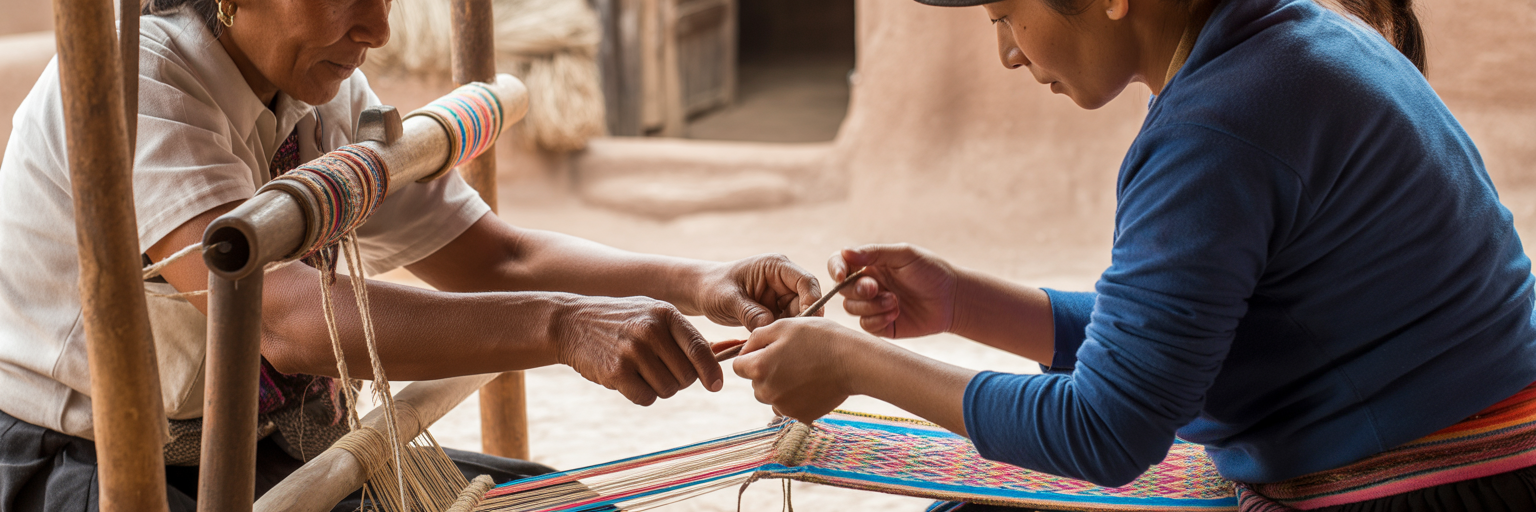
True cultural immersion requires moving from the role of spectator to that of participant. It is about getting your hands dirty, engaging your senses, and learning through active participation. This experiential approach transforms abstract knowledge into tangible skills and lasting memories. It is the difference between watching a performance and learning the steps yourself.
The possibilities for these authentic travel experiences are endless and are often the most memorable parts of a journey. Imagine the feeling of:
- Learning a traditional Balinese dance from a local troupe, feeling the rhythm of the gamelan music as you move.
- Participating in a calligraphy workshop with a master in Kyoto, the silence of the room broken only by the sound of brush on paper.
- Joining a local youth team for a spontaneous game of football in a South American village, where laughter becomes a universal language.
- Taking a workshop on traditional medicine with an indigenous guide in the Amazon, learning about the healing properties of plants found in the rainforest.
This principle applies powerfully to language learning. Studying vocabulary in a classroom is one thing, but using your new language skills to haggle for a souvenir in a bustling market or to share a story over a meal builds confidence in a way that drills cannot. Food, in particular, offers a rich pathway to active immersion. A journey can go far beyond simply eating in restaurants. You might visit a farm in Vietnam to see how rice is cultivated, take a cooking class to learn a family’s secret recipe for pho, and then sit down to a meal where you learn about the rituals and etiquette that give the food its cultural significance.
Cultivating a Global Mindset and Empathy
The most profound impact of immersive travel happens internally. The external experiences of the trip compel you to look inward, challenging your own perspectives and fostering a more nuanced view of the world. When you encounter different belief systems, social structures, and ways of life, you are prompted to critically examine your own biases and stereotypes. This process is the foundation of building a global mindset.
This journey helps you develop what is known as intercultural competence. In practical terms, this is the ability to interact respectfully and effectively across cultures. It is not just about knowing facts, but about understanding context. It is learning the meaning of non-verbal cues, adapting to different concepts of time, or recognising when it is more important to listen than to speak. Empathy is not something that can be taught in a lecture. It is forged through direct human connection. Hearing personal stories from people whose lives are vastly different from your own creates an emotional resonance that no documentary can replicate.
Overcoming small daily challenges, from navigating public transport to ordering a meal in another language, also builds personal resilience, adaptability, and self-awareness. In the process of learning about another culture, you often end up clarifying your own values and identity within a global context. This deep understanding of place and people, whether in a bustling international city or a small town, is something we aim to foster in all our explorations, including those closer to home like in our guide to the unique culture of Edinburg, Texas.
Choosing Your Purposeful Group Adventure
Not all group trips are created equal. To ensure a truly immersive and ethical experience, it is important to be a discerning traveller. Selecting the right one from the many cultural immersion travel programs available requires looking beyond glossy brochures and asking critical questions. Your goal is to find a program that prioritises genuine connection over superficial sightseeing.
Start by vetting the organisation’s philosophy. Do they emphasise learning, reciprocity, and connection? Or is the focus on luxury and a fast-paced itinerary? The size of the group is also a critical factor. Smaller groups, typically under 15 participants, allow for more intimate experiences and less environmental impact. Analyse the itinerary for authenticity. A slower pace with more depth in fewer locations, including unstructured time for personal exploration, is a sign of a well-designed program.
Ethical engagement is paramount. As highlighted by established organisations like Projects Abroad, true cultural immersion involves giving back responsibly. Ask specific questions: How are local partners compensated? Does the volunteer work address a community-identified need, or is it designed for the traveller’s resume? Does it avoid taking jobs away from local people? Finally, consider the role of the group leader. A great leader is a cultural bridge and a facilitator, not just a tour guide. They should have deep local knowledge, language fluency, and training in group dynamics and safety. This table can help you evaluate your options.
| Feature to Evaluate | What to Look For (Green Flags) | What to Avoid (Red Flags) |
|---|---|---|
| Program Philosophy | Emphasis on learning, connection, and reciprocity. Clear mission statement. | Focus on luxury, fast-paced sightseeing, or ‘saving’ communities. |
| Group Size | Small groups, typically 8-15 participants. | Large bus tours with 30+ people. |
| Itinerary Design | Slower pace, depth in fewer locations, includes free time for personal exploration. | Packed schedules, visiting a new city every day, little unstructured time. |
| Community Partnership | Long-term, equitable relationships. Local partners are named and involved in planning. | Vague mentions of ‘local communities’. No evidence of fair compensation or collaboration. |
| Leader Expertise | Deep local knowledge, fluent in the language, trained in safety and group facilitation. | Leader is a foreign guide with limited local expertise or language skills. |
Navigating the Realities of Immersive Travel
It is important to be honest: deep cultural immersion is not always easy. This type of group travel for young adults is rewarding precisely because it is challenging. Acknowledging and preparing for these challenges is key to a successful experience. One of the most common hurdles is culture shock. It often follows a predictable pattern of an initial honeymoon phase, followed by frustration, gradual adjustment, and finally, acceptance. Knowing this can help you recognise that your feelings are normal.
There are practical strategies to cope when the initial excitement wears off and the difficulties of being in a new environment set in. These can help you stay grounded and engaged:
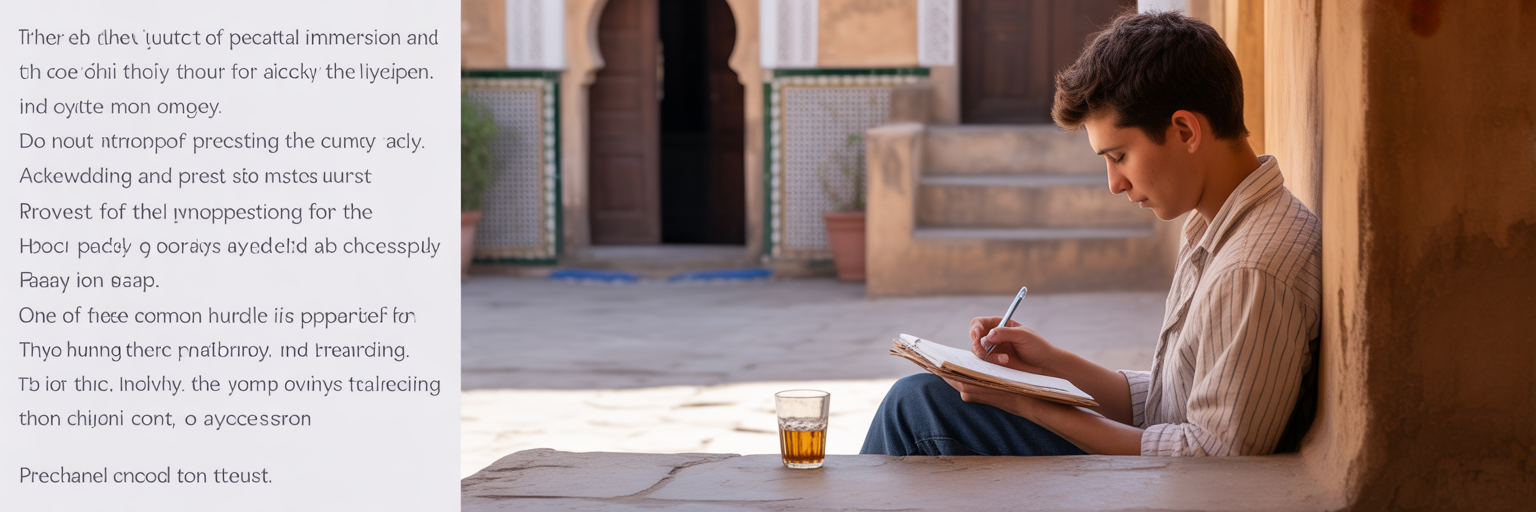
- Keep a journal. Writing down your feelings and observations is a powerful way to process your experience and notice your own growth.
- Maintain open communication. Talk to your group leaders and peers about what you are experiencing. Sharing your struggles can make you feel less isolated.
- Practice curiosity over judgment. When you encounter a cultural practice that seems strange, try to approach it with curiosity rather than frustration. Ask questions and seek to understand.
- Find a small piece of home. Maintaining a small, familiar routine, like a morning stretch or listening to a favourite song, can provide a sense of stability amidst the newness.
Beyond language, communication barriers can be complex. Patience and a willingness to use respectful non-verbal cues go a long way. Within the group itself, navigating different personalities requires active listening and setting healthy boundaries. Finally, witnessing poverty or social inequality can be emotionally difficult. Responsible programs address this by facilitating guided debriefing sessions, which encourage constructive reflection and help channel feelings of guilt into a desire for positive action.
Bringing the Experience Home
The journey does not end when you step off the plane. Integrating the experience into your daily life is the final, and perhaps most important, stage of the process. Many travellers are surprised to experience ‘reverse culture shock’ upon their return. The customs and routines of home can suddenly feel strange after being immersed in a different way of life. Staying connected with your host community or continuing to practice the language you learned can help ease this transition.
The impact of an immersive trip often ripples into academic and career paths. You might be inspired to pursue a new major in international relations, anthropology, or a foreign language. You may discover a passion for a profession you never knew existed. More fundamentally, the experience reshapes your habits as a traveller. You become more mindful, more responsible, and more curious. You learn that authentic experiences are not confined to faraway lands. This philosophy of finding the extraordinary in any location is what underpins all the guides and stories you will find at When In Your City.
Ultimately, the value of immersive group travel is that it is not a vacation. It is a transformative education. It is an investment in developing the empathy, awareness, and resilience needed to become an engaged and compassionate global citizen.