The Real Souvenir Is the Story You Bring Home
Southeast Asia’s well-worn path of beach parties and backpacker hostels is famous for a reason, but a far richer journey awaits those willing to look just beyond the postcard view. This is not another checklist of sights. Instead, consider this your young travelers Southeast Asia guide to a more meaningful adventure, one where the goal is genuine connection, not just collection.
For the modern traveler, cultural immersion means more than just being there. It is an active, respectful engagement with a place and its people. We all want beautiful photos, but the real value is in understanding the story behind the image. It is the difference between snapping a picture of a food stall and knowing the family recipe has been passed down for three generations. This is the foundation of authentic travel Southeast Asia, where experiences create memories that resonate long after a social media post disappears from the feed.
True immersion challenges you. It asks you to step outside your comfort zone, to be a student of your surroundings, and to find value in interactions and lessons learned. The most profound moments often happen when you are a little lost, a little confused, and completely open to what comes next.
This guide offers a roadmap to that kind of travel. We will explore ten distinct pathways into the heart of the region’s culture. From the sizzle of a wok in a local kitchen and the quiet reverence of a spiritual ceremony to the vibrant pulse of an ancient art form, each experience is an invitation. It is an invitation to connect, to learn, and to return home with a perspective that no souvenir could ever replace.
1. Master the Flavors of a Local Kitchen
One of the most direct routes into a culture is through its food. While eating at restaurants is a joy, a cooking class offers something more: a hands-on lesson in history, agriculture, and family. Whether you find yourself in a Thai cooking school in Chiang Mai, a Vietnamese kitchen in Hanoi, or a Balinese family compound in Ubud, you are participating in a tradition that defines daily life.
The experience often begins not in the kitchen, but in the brilliant chaos of a local market. This is not just a shopping trip. It is an education. Guided by your instructor, you will learn to identify unfamiliar herbs, smell the difference between fresh and dried spices, and witness the morning ritual of commerce that fuels the city. It is a sensory introduction to the traditional food Southeast Asia is celebrated for.
Back in the kitchen, the real connection happens. As you learn to crush spices in a mortar and pestle or balance the delicate flavors of a curry, you are also sharing stories. The instructor is not just a chef but a cultural ambassador, sharing family anecdotes and explaining the customs that surround a meal. You learn why certain dishes are served at weddings and others during festivals. Food becomes the language for a much richer conversation.
To ensure your experience is genuine, consider these tips:
- Look for small group sizes to allow for personal interaction and questions.
- Confirm the class is fully hands-on, with individual cooking stations, not just a demonstration.
- Prioritize classes run by local families or community enterprises to ensure your money directly supports the people sharing their heritage.
2. Live and Learn Through a Community Homestay
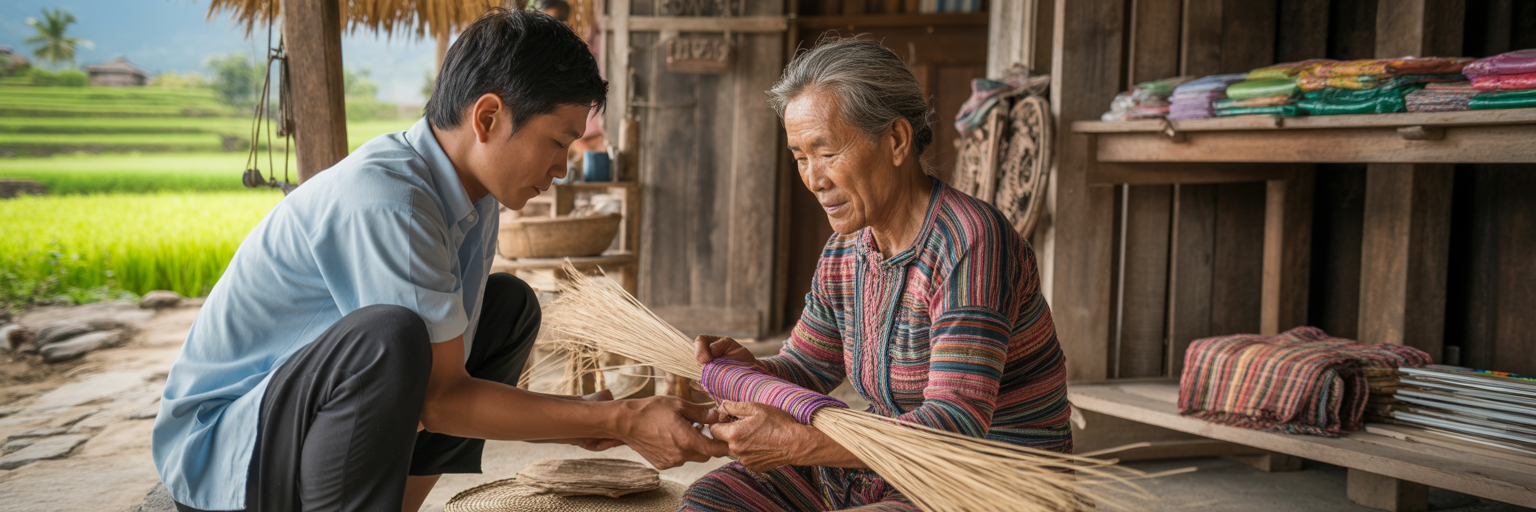
For the ultimate immersion into local values and rural life, nothing compares to a community homestay. It is an invitation to step beyond the role of a tourist and become, for a short time, a guest in someone’s home and life. Imagine waking up to the view of terraced rice paddies in Sapa, Vietnam, or falling asleep to the gentle sounds of a village near Luang Prabang in Laos. This is an experience that hotels simply cannot replicate.
It is important to approach a homestay with the right expectations. This is not a hotel with concierge service. It is an opportunity for genuine cultural exchange. You will likely share meals with the family, sleep in a traditional dwelling, and maybe even join in on daily activities like feeding livestock, helping in the garden, or learning a local craft. The comfort might be simpler, but the reward is an unparalleled insight into the rhythms of daily life.
The key to a successful homestay is respect. Your presence is a privilege, and understanding local etiquette is essential for a positive exchange. Keep these simple rules in mind:
- Learn a few essential phrases. A simple “hello” (Sabaidee, Xin chào) and “thank you” (Khob chai, Cảm ơn) go a long way.
- Bring a small, thoughtful gift from your home country. Postcards, a small local craft, or photos of your own family are great options.
- Dress modestly, covering your shoulders and knees, as a sign of respect for your hosts and their community.
- Always ask for permission before taking photographs of people or inside their homes.
By choosing a homestay, you are also making a sustainable choice. Your payment goes directly to the family, providing a vital source of income that empowers rural communities and helps preserve their way of life against the pressures of mass tourism.
3. Witness Ancient Storytelling in Motion
While ancient temples stand as silent testaments to history, traditional performance arts bring that history to life. These are not static exhibits in a museum. They are dynamic, vibrant narratives of folklore, mythology, and national identity passed down through generations. To witness one is to see a culture’s soul in motion.
In Hanoi, the unique art of Vietnamese water puppetry tells stories of village life and mythical beasts, its origins rooted in the flooded rice paddies of the Red River Delta. The stage is a pool of water, and the puppeteers, hidden behind a screen, skillfully make their creations dance, swim, and fly. It is a magical and ingenious form of storytelling.
Across the region, this living history takes on different forms. In Cambodia, the graceful movements of the Apsara dance, once performed only for royalty, depict stories from Hindu mythology etched into the walls of Angkor Wat. In Indonesia, you can watch the epic Ramayana ballet unfold with the magnificent Prambanan temple as its backdrop, a spectacle of drama and costume. These performances are more than just entertainment. They are a visual language that communicates a nation’s foundational stories.
To be a more appreciative audience member, try to research the story behind the performance beforehand. Understanding the characters and symbolism will transform your experience from a beautiful spectacle into a compelling narrative. As noted in a guide by Asia Travel Guide, these cultural shows help young travelers connect with the region’s heritage. Whenever possible, seek out smaller, community-run venues. Your ticket does more than buy you a seat. It provides a livelihood for the artists and helps ensure these precious traditions continue to be performed for generations to come.
4. Navigate the Sensory Overload of a Wet Market
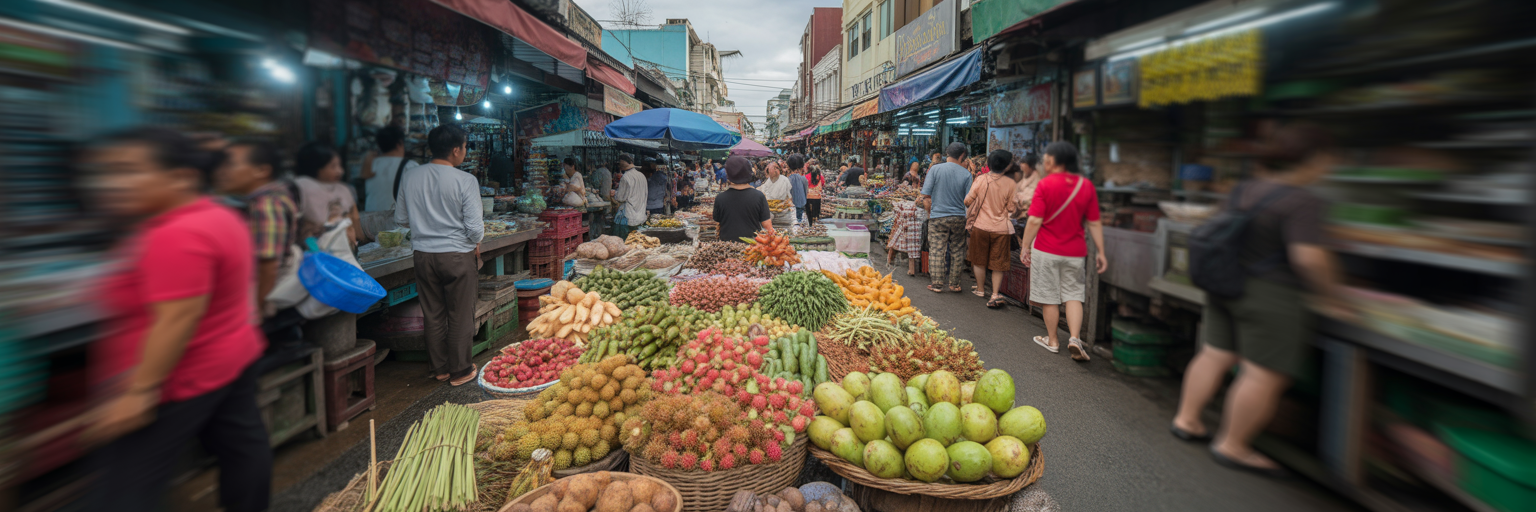
To truly feel the pulse of a Southeast Asian city, you must visit its wet market. This is not a tidy, air-conditioned supermarket. It is the city’s vibrant, chaotic, and beating heart. A visit here is an exercise in sensory immersion, a world away from the structured experience of a cooking class. It is about unstructured observation and letting the environment wash over you.
Prepare for an assault on the senses, in the best possible way. The air is thick with the pungent aroma of chili, lemongrass, and fermented fish sauce, mingling with the sweet scent of tropical fruits. Your eyes will dart between mountains of fiery red dragon fruit and spiky green rambutan, to live fish splashing in their tubs, to the rainbow of pastes and powders used in local cooking. The sound is a cacophony of vendors calling out their prices, the rhythmic chop of cleavers on wooden blocks, and the friendly chatter of neighbors catching up on gossip.
Navigating this space is an art. Be brave and try some of the street food from vendors with a long queue, a sure sign of quality and freshness. Even with a language barrier, a smile and a gesture are often all you need to interact with sellers. Take a moment to stand back and just watch. Observe the social dynamics, the haggling, the relationships between lifelong vendors and their loyal customers. This is a community hub, a place where the agricultural rhythms of the countryside meet the daily needs of the city.
Just as our detailed city guides help you find the pulse of a metropolis, a visit to a local market is essential for feeling the heartbeat of a culture. It is one of the most fundamental answers to the question of what to do in Southeast Asia to find its authentic core.
5. Find a Moment of Peace in Spiritual Rituals
Spirituality is woven into the very fabric of Southeast Asian life, and observing its rituals can be a profound and humbling experience. The region is a tapestry of faiths, primarily Buddhism, Hinduism, and Islam, and engaging with these traditions offers a glimpse into the values that guide millions of people. This is not about religion, but about respect, understanding, and finding a moment of personal reflection.
The morning alms-giving ceremony, or Tak Bat, in Luang Prabang, Laos, is a powerful example. Each dawn, hundreds of saffron-robed monks walk silently through the streets to collect sticky rice and other offerings from the local community. This is not a tourist attraction. It is a sacred daily ritual of mutual support, where the community feeds the monks, and in return, the monks provide spiritual guidance.
Because of its sacred nature, it is critical to observe or participate with the utmost respect. Tourist misbehavior has unfortunately threatened this tradition in some areas. If you choose to witness it, follow these strict guidelines:
- Dress modestly by covering your shoulders and knees completely. This is non-negotiable.
- If you are only observing, maintain a respectful distance. Do not get in the way of the monks or the people making offerings. Remain silent.
- Never use flash photography. The sudden light is disruptive and disrespectful.
- If you wish to participate, do so by learning the proper etiquette from a local guide beforehand. Do not buy rice from aggressive street vendors who often exploit the ceremony.
Other accessible spiritual experiences include learning walking meditation at a temple in Thailand, receiving a traditional water blessing from a monk, or simply finding a quiet corner in a historic temple complex like Bagan or Ayutthaya to sit in quiet contemplation. The goal is to be a silent, respectful observer, allowing the peace of the moment to offer a deeper understanding of the local culture.
6. Immerse Yourself in a Local Festival
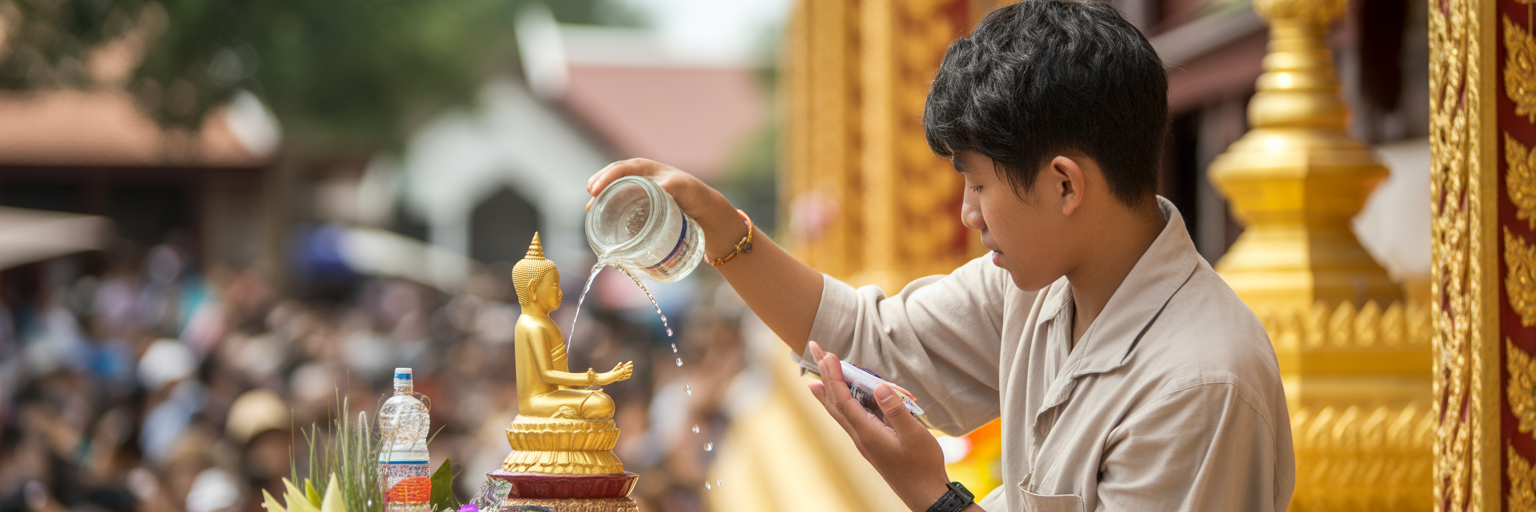
To see a culture at its most vibrant, celebratory, and communal, plan your trip around a local festival. These events are an explosion of color, sound, and energy, offering a chance to witness traditions on a grand scale. While they can be chaotic, they provide an unforgettable window into the collective spirit of a place.
Major events like Songkran in Thailand, the traditional New Year celebration, are known worldwide. But to see it only as a massive water fight is to miss the point. At its heart, Songkran is a Buddhist ritual of cleansing and renewal, where water is used to wash away the misfortunes of the past year and pay respect to elders. Participating with this understanding transforms the experience from a simple party into something more meaningful.
Similarly, Tet, the Lunar New Year in Vietnam, is the most important celebration of the year. It is a time of profound family reunion, ancestral worship, and hope for the future. While many shops may close, witnessing the city decorated in red and gold, and the palpable sense of homecoming, is a powerful cultural immersion. Other notable events include the magical Hoi An Lantern Festival, which illuminates the ancient town on every full moon.
Participating in a festival requires planning. As travel resources like Hanoi Voyage highlight, these iconic festivals are unforgettable experiences that offer deep cultural immersion. Be sure to book accommodation and transport months in advance, as everything fills up quickly. Be prepared for huge crowds and a festive, but sometimes overwhelming, atmosphere. And remember to research the specific customs. During Songkran, for example, protecting your electronics in a waterproof bag is just as important as having a good attitude. Including a festival in your Southeast Asia travel itinerary is a surefire way to create vivid, lasting memories.
7. Uncover History Etched in Ancient Stone
The great historical sites of Southeast Asia are more than just ruins. They are sprawling outdoor museums that tell the stories of powerful empires, spiritual devotion, and incredible human ingenuity. Places like Angkor Wat in Cambodia, the temple-strewn plains of Bagan in Myanmar, and the colossal Borobudur in Indonesia are architectural marvels that continue to inspire awe.
But to truly appreciate them, you must engage with them actively. Have you really seen Angkor Wat if you only went for the sunrise photo and left? The real magic of these sites is found in the details, in the quiet corridors, and in the stories carved into the stone. This is where a licensed local guide becomes invaluable. They are not just guides. They are storytellers and historians who can bring the intricate carvings to life, decoding the Hindu and Buddhist mythology, explaining the historical context, and pointing out details you would otherwise miss. They transform a pile of rocks into a living narrative.
To make the most of your visit to these massive complexes, consider a few practical tips:
- Purchase a multi-day pass. Trying to see a place like Angkor in a single day leads to exhaustion and a superficial experience. Give yourself time to explore at a relaxed pace.
- Escape the crowds by visiting lesser-known, outlying temples. They often offer a more intimate and atmospheric experience.
- Remember that these are still considered sacred sites. Dress modestly by covering your shoulders and knees. It is a simple sign of respect that is often required for entry into the most sacred areas.
By taking the time to explore these sites thoughtfully, you will gain a deeper appreciation for how the philosophies and aesthetics of these ancient empires continue to influence art, identity, and life in the region today.
8. Create a Souvenir with Your Own Hands
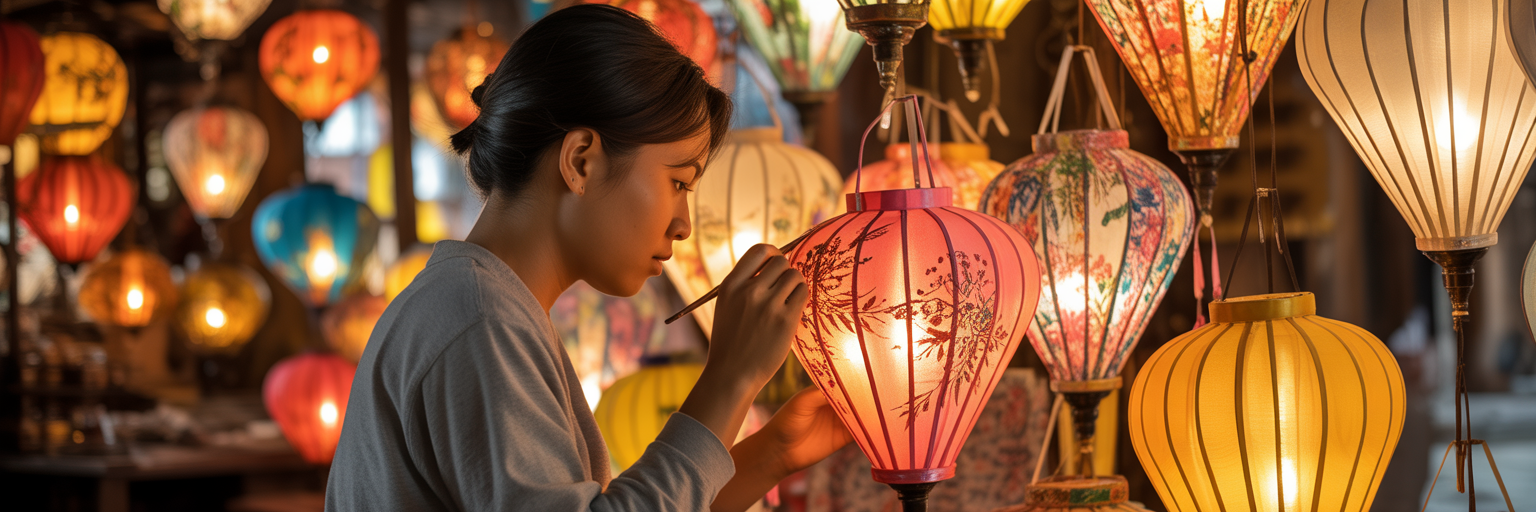
In a world of mass-produced trinkets, the most meaningful souvenir is one that holds a story. A hands-on craft workshop offers a unique opportunity to create that souvenir yourself while connecting directly with a local artisan and their heritage. This is a powerful alternative to haggling in a market, as it places value on skill, time, and the act of creation.
Imagine spending an afternoon in Yogyakarta, Indonesia, learning the ancient art of batik painting, carefully applying wax and dye to create a unique pattern. Or picture yourself in the lantern-lit streets of Hoi An, Vietnam, constructing your own silk lantern to take home. In Cambodia, you can even try your hand at silversmithing, learning from artisans whose skills have been passed down through generations. These are not just activities. They are lessons in patience, precision, and cultural preservation.
The value of these workshops is immense. You gain a profound appreciation for the immense skill and dedication required to create the beautiful objects you see in shops. You have a genuine, personal interaction with a local artist, often in their own studio or home. And you are making an ethical economic choice. Paying for a workshop provides a sustainable income for artisans, valuing their expertise directly and respectfully.
The object you create becomes more than just a thing. It is imbued with the memory of the experience: the smell of the workshop, the feel of the tools in your hand, and the kindness of the person who taught you. At When In Your City, we believe the best way to know a place is to connect with its people and their passions, and these workshops are a perfect example. This is one of the most personal cultural experiences Southeast Asia has to offer.
9. Read the Streets Through Urban Art
While ancient temples tell the stories of the past, the streets of Southeast Asia’s cities tell the stories of today. Culture is not static. It is alive, evolving, and expressing itself in vibrant and unexpected ways. To see this modern pulse, you need to look no further than the region’s thriving street art scene. This is a public gallery, free for all, that offers a window into the contemporary soul of a city.
Certain cities have become world-renowned hubs for this art form. In George Town, Penang, the interactive murals by Lithuanian artist Ernest Zacharevic have become iconic, inviting passersby to become part of the art. A self-guided walking tour or a bicycle ride through its heritage streets is a treasure hunt for these playful and poignant works. In Singapore, the narrow, colorful Haji Lane is an explosion of edgy graffiti and bold murals, reflecting the city-state’s creative and rebellious undercurrent.
This art is more than just decoration. It is a form of modern storytelling. A mural can be a powerful piece of social commentary, a celebration of local heroes, a lament for a disappearing way of life, or a playful interaction with the urban landscape. It speaks to a city’s anxieties, joys, and identity in a way that is immediate and accessible.
For any young travelers Southeast Asia guide, exploring this scene is essential. It connects with a digitally native, visually oriented generation that is looking for deeper meaning. So put away the map for a while, wander down a few alleyways, and start reading the stories written on the walls. You will be surprised by what you find.
10. Give Back Through Ethical Volunteering
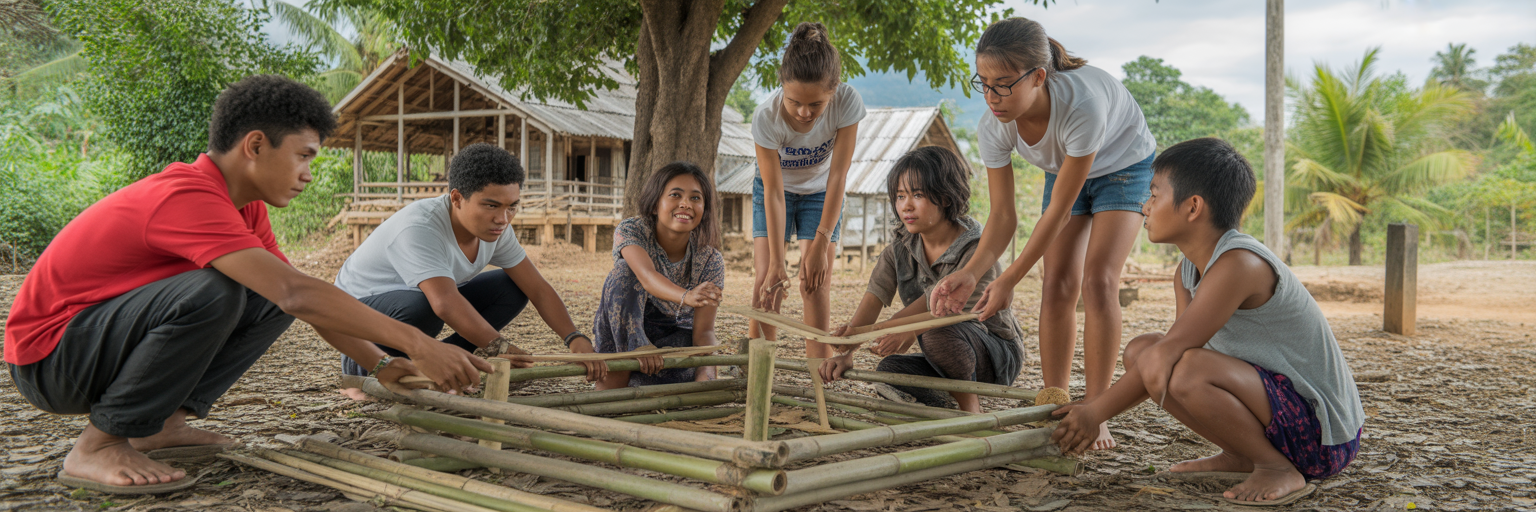
Many young travelers feel a strong desire to make a positive impact, to give back to the communities they visit. While this intention is admirable, it requires careful thought and research to ensure your efforts are helpful, not harmful. The world of “voluntourism” is filled with pitfalls that can exploit vulnerable communities and animals for profit.
The first step is learning to identify red flags. Be extremely wary of any organization that requires no specific skills for a short-term stay, charges excessive fees that are not transparent, or offers irresponsible interactions. This is especially true for projects involving children or animals. Reputable organizations will never offer orphanage visits, as studies have shown this can be deeply harmful to children. Similarly, any project that allows you to ride, bathe, or have direct, hands-on contact with elephants or other wild animals is almost certainly unethical and exploitative.
Instead, look for reputable projects that focus on genuine needs. This could mean skill-based volunteering where you can offer your professional expertise, participating in conservation efforts like a beach clean-up, or working with a legitimate wildlife rehabilitation center that prioritizes the animals’ welfare over tourist interaction. The focus should always be on community-led initiatives with clear, transparent goals.
This table can help you distinguish between helpful and harmful opportunities:
| Factor | Ethical Volunteering | Voluntourism |
|---|---|---|
| Focus | Community needs and long-term impact | The traveler’s experience and resume |
| Skills | Requires specific, relevant skills or a longer-term commitment | No skills required; often short-term (1-2 weeks) |
| Interaction | Focuses on sustainable projects (e.g., building, conservation) | Often involves harmful activities (e.g., orphanage visits, direct contact with wild animals) |
| Cost | Fees are transparent and go directly to the project | High fees that often go to a for-profit third-party operator |
| Outcome | Empowers the local community and fosters mutual understanding | Can create dependency and exploit vulnerable populations |
Ultimately, reframing the purpose of your contribution is key. It is not a mission to “save” anyone. It is a profound opportunity to learn about local challenges, contribute in a small but tangible way, and form connections on a level that most tourists will never experience.
Travel with an Open Mind and a Respectful Heart
The ten experiences outlined above are not a checklist to be completed. They are ten different doorways into the same room: a room of genuine cultural understanding. Whether you are learning to cook a curry, sitting in silent contemplation at a temple, or creating a piece of art with your own hands, the goal is the same. It is to move from being a passive observer to an active, engaged participant.
The most meaningful travel is born from connection. It is about seeing the humanity in the everyday, finding beauty in the details, and approaching every interaction with humility and curiosity. As you plan your journey, carry these core principles of responsible travel with you:
- Dress modestly, especially when visiting villages, temples, or mosques. It is a simple and powerful sign of respect.
- Learn and use basic greetings in the local language. A smile and a “hello” can open doors.
- Always ask for permission before taking photos of people, especially children. A photograph is not something you take, it is something you are given.
- Be patient and flexible. Things will not always go according to plan, and that is often where the real adventure begins.
- Minimize your environmental footprint. Refuse single-use plastics, conserve water, and leave places better than you found them.
Embrace the moments of discomfort or confusion. The kindness of strangers often shines brightest when your bus is late or you are hopelessly lost. These are the moments that become the best stories. Travel not just to see the world, but to understand it. Allow the cultural experiences Southeast Asia provides to change your perspective, long after you have returned home.