Redefining the Modern Bucket List
Travel has changed. The era of simply collecting photos of landmarks, like stamps in a passport, is giving way to something more profound. We’ve seen a clear shift away from passive sightseeing toward active participation. The goal is no longer just a picture in front of the Eiffel Tower, but the story of learning to bake croissants in a quiet Parisian arrondissement. It’s the difference between seeing a place and truly connecting with it.
This shift redefines the modern bucket list. It’s no longer a static checklist but a fluid concept, driven by a desire for personal growth and authentic connection. We’ve all felt that slight emptiness after a rushed trip, where the memories feel more like a blur of bus windows and crowded attractions. The new approach is about depth, not distance. It’s about finding moments that resonate long after you’ve returned home.
For 2026, travel for young adults is shaped by four key drivers that reflect this new mindset:
- The magnetic pull of timeless classics, re-experienced with fresh eyes.
- The thrill of forging paths in undiscovered regions that offer raw, unfiltered adventure.
- The non-negotiable importance of sustainability, ensuring our explorations support the places we visit.
- The rise of slow, intentional journeys that prioritize connection over a crammed itinerary.
Of course, there’s the financial reality. But framing travel as an expense misses the point. It’s an investment in perspective, resilience, and understanding. The good news is that meaningful travel and creating unique bucket list ideas are not exclusive to large budgets. This guide presents a spectrum of options, proving that a life-changing experience can be found in a luxury overwater bungalow or a simple yurt under the stars. What follows is a practical map to destinations that are not just places to see, but places to be.
The Enduring Allure of Timeless Cities
Why Classics Like Rome and Tokyo Still Dominate
Some cities are more than just destinations; they are cultural touchstones. Rome and Tokyo, for instance, consistently appear on lists of the world’s best vacations, as research from U.S. News highlights. Their enduring appeal lies in a captivating paradox. They are living museums where ancient history coexists with hyper-modernity. You can walk from a 2,000-year-old ruin to a futuristic art installation in a single afternoon. This blend of old and new makes them some of the best places to travel in your 20s, offering layers of discovery that a fleeting visit can’t possibly exhaust.
A 2026 Perspective on Rome
Experiencing Rome in 2026 means looking beyond the postcard views of the Colosseum and Vatican City. While these sites are essential, the city’s true spirit is found in its neighborhoods. Instead of fighting crowds for a photo, imagine spending a morning at the Testaccio food market, tasting fresh mozzarella and chatting with vendors whose families have been there for generations. Or, wander through the Ostiense district, where industrial buildings have become canvases for vibrant street art. It’s in these moments, like enjoying an aperitivo with locals as the sun sets, that you connect with the city’s rhythm.
Experiencing Tokyo’s Cultural Layers
Tokyo often brings to mind images of neon-lit skyscrapers and bustling crosswalks, but its soul is far more nuanced. To truly understand it, you have to explore its cultural layers. Move beyond the tourist hubs and spend an afternoon in Shimokitazawa, a neighborhood known for its maze of vintage clothing stores, independent theaters, and tiny, character-filled cafes. If your timing is right, attending a local ‘matsuri’ (festival) offers a glimpse into community traditions that have thrived for centuries. These experiences reveal a Tokyo that is deeply rooted in its past while constantly reinventing its future.
Practical Tips for Urban Explorers
Navigating these sprawling cities like a local requires a bit of insider knowledge. Here are a few tips to get you started:
- Master Public Transport: In Tokyo, a Japan Rail Pass can be a great value if you plan extensive travel, but for city-centric trips, a Suica or Pasmo card is more practical. In Rome, while the metro is useful, the real joy is in walking its cobblestone streets.
- Eat Smart and Affordably: Skip the tourist-trap restaurants. In Tokyo, discover the world of ‘depachika’—elaborate food halls in the basements of department stores offering high-quality meals for a fraction of restaurant prices. In Rome, look for ‘trattorias’ on side streets where the menu is handwritten.
- Embrace the Local Pace: In Rome, participate in the ‘passeggiata,’ the leisurely evening stroll. In Tokyo, observe the quiet efficiency and respect for public space. Adapting to the local rhythm is the first step to feeling less like a tourist.
This principle of local exploration is universal. Whether you’re navigating the backstreets of a global metropolis or trying to understand the culture in a smaller town, the approach is the same. For instance, just as you’d seek out authentic experiences in Rome, you could apply the same mindset to discovering places like Conroe, Texas, by looking for what makes them unique.
| Experience Type | Rome: The Eternal City | Tokyo: The Modern Metropolis |
|---|---|---|
| Historical Immersion | Ancient ruins, Renaissance art, Vatican City | Imperial Palace, historic temples, samurai districts |
| Culinary Journey | Pasta-making classes, local trattorias, gelato | Sushi workshops, ramen alleys, depachika food halls |
| Modern Culture | Street art in Ostiense, aperitivo culture | Harajuku fashion, digital art museums, themed cafes |
| Pace of Life | Leisurely strolls (‘passeggiata’), relaxed dining | Efficient and fast-paced, yet with pockets of calm |
| Day Trips | Pompeii, Tivoli Gardens, Orvieto | Hakone (hot springs), Kamakura (temples), Mt. Fuji |
This table provides a comparative snapshot to help travelers align their interests with what each city uniquely offers, moving beyond surface-level attractions to highlight deeper cultural experiences.
Forging New Paths in Adventure Hubs
The Appeal of the Uncharted
There’s a unique satisfaction that comes from visiting a place your friends have never heard of. In a world of perfectly curated social media feeds, the desire for an authentic, unscripted story is stronger than ever. This is the psychological pull of ‘off-the-beaten-path’ travel. It’s about trading predictability for genuine discovery and returning with memories that feel entirely your own. These journeys challenge you, push your boundaries, and ultimately reward you with a profound sense of accomplishment.
Spotlight on Kyrgyzstan: The Gem of Central Asia
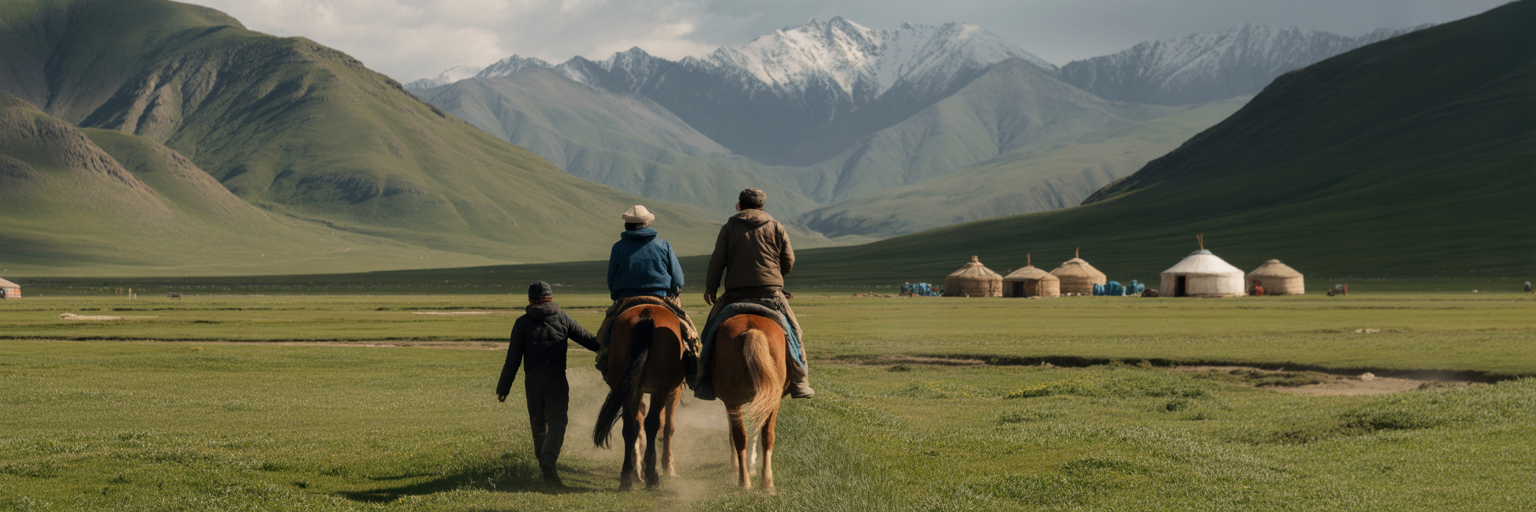
When you think of adventure travel Central Asia, Kyrgyzstan should be at the top of your list. This is a land of raw, accessible adventure. Imagine the feeling of freedom while on a multi-day horseback trek to the alpine lake of Song-Kul, where semi-nomadic shepherds greet you with warm hospitality. The experience of sleeping in a traditional yurt under a vast, star-filled sky, miles from the nearest city, is unforgettable. It’s not about luxury; it’s about immersion in a landscape and culture that feel untouched by time. Kyrgyzstan offers a rare opportunity to disconnect from the noise of modern life and reconnect with something more fundamental.
Kazakhstan’s Diverse Landscapes
Neighboring Kazakhstan presents a journey of epic contrasts. On one hand, you have the futuristic skyline of Astana (now Nur-Sultan), with its gleaming, almost surreal architecture. On the other, you have some of the most dramatic and wild landscapes on the planet. Explore the otherworldly formations of Charyn Canyon, often compared to the Grand Canyon, or hike to the stunning, turquoise waters of the Kolsai Lakes. Kazakhstan’s sheer scale and surprising diversity make it a destination for those who crave adventure on a grand scale, where every day brings a completely new and unexpected vista.
Preparing for an Adventure Trip
Embarking on a journey to a more remote destination requires a different kind of preparation. It’s less about booking dinner reservations and more about building resilience. Here’s what to focus on:
- Hire Reputable Local Guides: In regions like Central Asia, a good local guide is invaluable. They ensure your safety, handle logistics, and provide a bridge to understanding the local culture in a way you never could on your own.
- Pack for All Weather: Mountain weather is notoriously unpredictable. Pack versatile layers, waterproof gear, and broken-in hiking boots. Your comfort can make or break an adventure trip.
- Navigate Visa Requirements Early: Visa rules for this region can change. Research the latest requirements for your nationality well in advance to avoid any last-minute complications.
- Cultivate a Flexible Mindset: Things will not always go as planned. A road might be closed, a guesthouse might be full. The ability to embrace spontaneity and adapt to challenges is the most important skill an adventure traveler can possess.
European Charm with a Conscience
Sustainable Urbanism in Europe
Traveling with a conscience doesn’t mean sacrificing enjoyment. In fact, sustainable travel in Europe often leads to richer, more authentic experiences. It’s about making choices that support the local community and minimize your environmental footprint. This can be as simple as using a city’s excellent public transport system, refilling a water bottle, or choosing a family-run guesthouse over a multinational hotel chain. European cities are increasingly making it easier for travelers to be part of the solution, with initiatives that promote local artisans, green spaces, and responsible tourism.
Prague: Beyond the Charles Bridge
Prague’s fairytale beauty is undeniable, but its popularity has put immense pressure on its historic center. To experience the city’s modern, vibrant soul, venture beyond the crowded Old Town Square. Explore neighborhoods like Žižkov, known for its quirky bars and the iconic TV Tower, or Holešovice, a former industrial district now buzzing with art galleries, creative spaces, and specialty coffee shops. Support the local economy by visiting a farmer’s market at Náplavka on the riverbank or sampling craft beer at a family-run brewery. This is where you’ll find the real Prague.
Dubrovnik’s Post-Tourism Renaissance
Dubrovnik is a prime example of a city grappling with the consequences of overtourism. However, it is also a city in the midst of a renaissance, actively working to create a more sustainable future. As a traveler, you can be a powerful force for positive change. Visit during the shoulder seasons of spring or autumn to enjoy pleasant weather with fewer crowds. Escape the city for a day to explore the tranquil Elaphiti Islands, or walk the famous city walls early in the morning or late in the afternoon. Your choices have a real impact, influencing everything from local employment to environmental preservation. Even the hospitality industry is adapting, with a growing focus on responsible operations. As this guide on sourcing sustainable materials shows, consciousness is becoming a core part of the business.
Discovering Lesser-Known European Gems
One of the most effective ways to travel more responsibly is to disperse tourism away from the hotspots. Instead of joining the crowds in Venice, consider Ljubljana, Slovenia’s charming and incredibly green capital. Its car-free city center and vibrant riverside cafes offer a relaxed and authentic urban experience. Similarly, instead of Tuscany, explore the rolling hills and cork forests of the Alentejo region in Portugal, known for its slow pace of life, excellent wineries, and uncrowded historic towns. Using detailed city guides can help you discover these hidden gems and make informed choices that lead to a more rewarding and sustainable journey.
The Art of Slow and Intentional Travel
What is Slow Travel?
Slow travel is not about the speed at which you move; it’s a mindset. It’s the conscious decision to trade a packed itinerary for a deeper connection with a single place. We’ve all seen those whirlwind tours: seven cities in ten days. You get the photos, but do you get the feeling? Slow travel is the antidote. It’s about renting an apartment instead of checking into a hotel, shopping at the local market, learning a few phrases of the language, and allowing for the magic of unplanned moments. It’s about quality over quantity.
Patagonia: Immersion in Untamed Nature
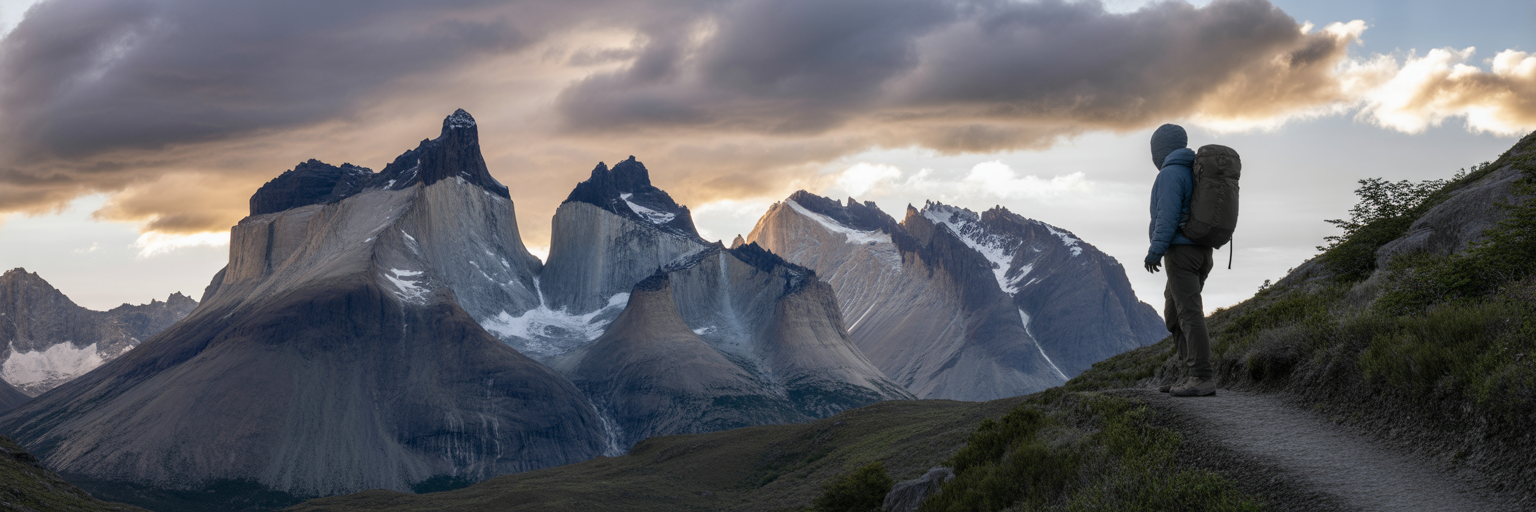
If there is one place that embodies the spirit of slow travel, it is Patagonia. This vast, untamed wilderness at the tip of South America is one of the ultimate slow travel destinations. Embarking on a multi-day trek like the famous W Trek in Torres del Paine is a profound experience. With each step, the noise of the digital world fades, replaced by the sound of the wind, the crunch of your boots, and the rhythm of your own breathing. It’s a journey that is as much mental as it is physical, rewarding you with a powerful sense of perspective and a deep connection to the natural world.
Bora Bora: Redefining Luxury as Experience
Bora Bora is synonymous with luxury honeymoons and overwater bungalows, but it offers a surprising opportunity for slow, intentional travel. Look beyond the resorts and you’ll find a destination deeply connected to its Polynesian culture and marine environment. Instead of just relaxing on the beach, you can participate in a coral reef restoration project with a local conservation group or learn about traditional navigation techniques from a local guide. This redefines luxury not as opulence, but as exclusive access to meaningful experiences that contribute to the preservation of this fragile paradise.
Finding ‘Slow’ in Italy
You don’t need to go to the ends of the earth to practice slow travel. It’s a mindset you can apply even in one of the world’s most popular countries. Contrast a rushed tour of Rome, Florence, and Venice with the experience of renting a farmhouse in Umbria for a week. As publications like Travel + Leisure have noted, regions like this are perfect for immersive journeys. Spend your days learning to make pasta from scratch, exploring sleepy hilltop towns, and simply living at a local pace. You’ll leave with a much richer understanding of Italian culture than any whirlwind tour could ever provide. This is the art of savoring a journey, not just completing it.
The New Hubs for Digital Nomads and Long Stays
The ‘Work from Anywhere’ Dream in 2026
The dream of working from a laptop on a beach has matured. What was once a niche lifestyle is now a viable long-term option for a growing number of young professionals. The key to a successful digital nomad experience in 2026 is choosing the right base. The ideal hub isn’t just about a pretty view; it’s a strategic combination of affordability, reliable high-speed internet, a welcoming community, and a high quality of life that makes the day-to-day enjoyable.
Amsterdam as a Creative and Tech Hub
For those looking for a European base, Amsterdam is a top-tier choice. Its appeal goes far beyond its picturesque canals. The city boasts excellent digital infrastructure, a population with near-universal English proficiency, and a thriving creative and tech scene. Its central location is another major advantage. From Amsterdam Centraal station, you can be in Paris, Brussels, or Cologne in just a few hours by train, making weekend explorations across Europe incredibly easy. It offers the perfect balance of a stable, inspiring home base and a gateway to adventure.
Emerging Nomad Hotspots in Southeast Asia
While Bali and Chiang Mai remain popular, savvy nomads are looking toward emerging hotspots that offer a better balance of cost and quality of life. These are some of the most exciting 2026 travel destinations for young adults planning longer stays. Consider Da Nang, Vietnam, with its beautiful coastline, incredibly low cost of living, and mouth-watering food scene. Or look to Penang, Malaysia, a UNESCO World Heritage site celebrated for its colonial architecture, vibrant street art, and legendary street food. These cities offer a growing community of remote workers without the saturation of more established hubs.
Balancing Work and Exploration
The biggest challenge of the digital nomad lifestyle isn’t finding Wi-Fi; it’s finding balance. The line between work and vacation can easily blur, leading to burnout. Here are a few concrete strategies to make it sustainable:
- Structure Your Time: If you’re working with a team in a different time zone, create a schedule that respects both your work commitments and your desire to explore. Block out specific “exploration hours” in your calendar.
- Find Your Community: Loneliness can be a real issue. Join a co-working space, attend local meetups, or connect with other nomads through online groups. Having a community provides both social and professional support.
- Understand Visa Regulations: Don’t just show up on a tourist visa and hope for the best. Many countries are now offering specific digital nomad visas. Research the legal requirements to avoid any issues.
- Set Clear Boundaries: It’s tempting to work from your bed or a cafe every day, but having a dedicated workspace helps create a mental separation between work and leisure. Know when to close the laptop and be present in your new surroundings.
Your Blueprint for a Meaningful 2026 Trip
Budgeting for Your Bucket List
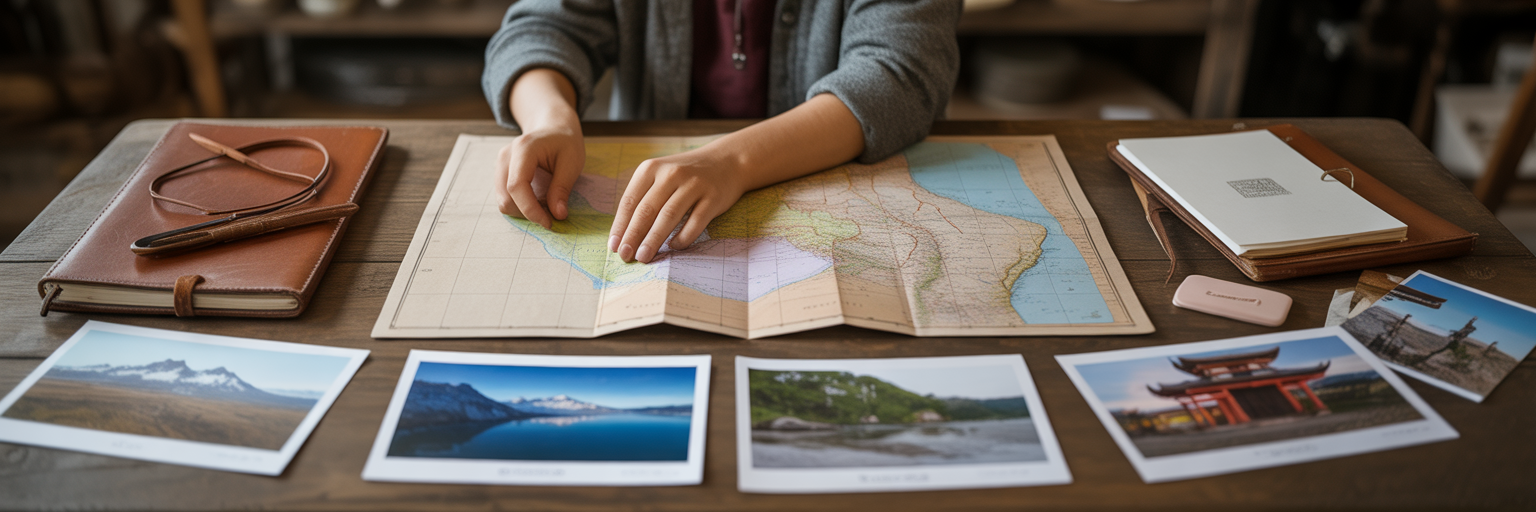
A dream trip remains a dream without a practical financial plan. But budgeting doesn’t have to be about restriction; it’s about smart allocation. Go beyond simply saving. Learn the basics of travel hacking by strategically using credit card points and airline miles for flights and accommodation. One of the most effective strategies is to travel during the shoulder seasons (the months just before and after peak season), when prices can be significantly lower but the weather is still pleasant. Create a balanced budget that allows for both essential expenses and those spontaneous splurges, like a cooking class or a guided trek, that often become the most cherished memories.
Leveraging Technology for Smarter Travel
For the digitally savvy traveler, technology should be a tool that enhances the experience, not detracts from it. It’s about using your phone to connect more deeply with your surroundings. Download apps that offer recommendations from locals, not just tourists. Use offline maps for navigating remote areas where connectivity is unreliable. Translation apps can break down language barriers and lead to more meaningful interactions. The goal is to use technology to be more independent, informed, and present on your journey.
How to Be a Responsible Traveler
Being a responsible traveler is about making a series of small, conscious choices that collectively have a big impact. It’s not about perfection; it’s about intention. Here are a few simple, actionable steps:
- Reduce Single-Use Plastics: Pack a reusable water bottle and a tote bag. This simple habit dramatically reduces waste and is often more convenient.
- Prioritize Locally-Owned Businesses: Eat at family-run restaurants, shop at local markets, and stay in independent guesthouses. Your money goes directly into the community.
- Learn a Few Basic Phrases: Learning to say “hello,” “please,” and “thank you” in the local language shows respect and opens doors to more genuine connections.
- Choose Eco-Certified Operators: When booking tours or activities, look for companies that are certified for their sustainable practices. This ensures your adventure supports conservation and ethical treatment of local staff.
Crafting a Personal Itinerary
This guide is a map, but you are the explorer. The final step is to synthesize all these ideas and craft an itinerary that is uniquely yours. Start by asking yourself the most important question: Why do you want to travel? Is it for adventure, relaxation, cultural immersion, or personal growth? Your answer will be your compass. Feel free to mix and match styles. Perhaps you start with a week of slow travel in the Italian countryside, followed by a few days of urban exploration in Rome. This is your journey. The goal is to create a trip that aligns with your values and excites your spirit. A great place to begin this process is a comprehensive travel resource like When In Your City, where you can find inspiration and practical guides to start turning your dream into a plan.
The Journey Is Your Destination
As we’ve explored, the map for young travelers in 2026 is rich and varied. It blends the enduring magic of timeless cities with the raw thrill of emerging frontiers. It’s defined by a growing commitment to conscious, sustainable travel and a shift away from rushed itineraries toward slow, meaningful journeys. These trends are not just about where we go, but how we show up when we get there.
It’s time to reframe the concept of a bucket list one last time. See it not as a rigid checklist of places to conquer, but as a living, breathing document that evolves with you. It should be a source of inspiration, not a source of pressure. The destinations you dream of today might be different from the ones that call to you in a few years, and that’s a beautiful thing. It’s a sign of growth.
The most important thing is to take that first step. Whether it’s opening a dedicated travel savings account, researching the visa requirements for Kyrgyzstan, or simply allowing yourself the space to dream about your next adventure, the journey begins now. Remember, the ultimate goal is not just to arrive at a destination, but to be transformed by the experiences you have along the way.