Beyond Sightseeing: Redefining Cultural Travel
Since the early 2020s, a significant shift has occurred in how we approach the world; travelers are increasingly trading checklists of sights for ledgers of experiences. This evolution redefines the very purpose of leaving home, focusing not just on where we go, but how we connect once we are there.
We can all picture conventional tourism. It often involves observing landmarks through a bus window, taking photos from a crowded viewpoint, and interacting with local culture primarily through transactional exchanges, like buying a souvenir or a quick coffee. The connection is fleeting, the memories often blending into a montage of famous buildings and hurried meals. This approach keeps you on the surface, an observer looking in rather than a participant feeling the pulse of a place.
In contrast, genuine immersion is an active, participatory process. It is not about what you see, but what you do. Imagine the feeling of cool clay spinning under your hands in a pottery workshop, guided by an artisan whose family has practiced the craft for generations. Think of the complex flavours of a home-cooked meal, where each dish comes with a story. It is the rhythm of a local festival, not watched from a distance, but experienced from within the crowd. These sensory details are the building blocks of a lasting connection.
This growing desire for more authentic engagement is a natural response to an often disconnected and overly digitized world. We seek experiences that feel real and tangible. This brings us to a central idea: the method of engagement, specifically traveling within a small, curated group, is often a more critical factor for achieving a deep cultural connection travel experience than the destination itself. The right structure can transform any location into a place of profound discovery.
It is time to challenge the common stereotype of group tours as superficial and rushed. We have all heard the stories of large buses descending on a town for an hour before moving on. However, thoughtfully designed group travel is something else entirely. It is not a compromise for those who do not want to travel alone. Instead, it can be a powerful and unique vehicle for the kind of cultural immersion travel experiences that solo travelers often struggle to access on their own.
The Power of Shared Discovery in a Group Setting

While the destination provides the backdrop, the internal dynamic of a travel group can profoundly shape the experience. The psychology of shared discovery explains why witnessing something beautiful or challenging alongside others amplifies its impact. A collective gasp at a stunning mountain vista or shared laughter over a clumsy attempt to order in a new language becomes a powerful bonding agent. These moments are not just individual memories; they are woven into the fabric of the group, strengthening how we recall the experience for years to come.
This shared environment also fosters personal courage. The presence of supportive peers creates a social safety net, encouraging individuals to step outside their comfort zones. Have you ever hesitated to try an unfamiliar dish or join in a local dance when traveling alone? In a group, that hesitation often dissolves. Seeing a fellow traveler take the first step gives you the confidence to follow, turning a moment of uncertainty into a collective adventure. This is one of the core benefits of group travel; it gently pushes you to be more open and daring.
Over the course of a journey, a group constructs its own unique story. This shared narrative is built from inside jokes born from a funny mistranslation, challenges overcome together, and collective triumphs, like successfully navigating a bustling market. This story adds a rich, personal layer to the travel experience that exists entirely outside the official itinerary. It is the human element that transforms a trip from a series of planned events into a living, breathing memory.
Of course, this is not to dismiss the clear advantages of traveling alone. Solo travel offers complete freedom, flexibility, and unmatched opportunities for deep introspection. It is a valid and rewarding way to see the world. However, it can also be lonely, and processing a completely new and sometimes overwhelming culture by yourself can be difficult. A small group provides a collaborative framework for making sense of it all. At the end of the day, you have a built-in circle to discuss what you saw, question what you learned, and share the emotional weight of the experience. This collective processing helps distill complex cultural information into meaningful understanding.
Accessing Authentic Local Experiences Together
Building on the psychological safety of a group, the next layer of immersive travel comes from tangible, logistical advantages. A well-organized small group can access experiences that are simply out of reach for most individual travelers. This is not about skipping lines; it is about opening doors that would otherwise remain closed.
Specialized travel operators often spend years cultivating relationships within local communities. These are not corporate partnerships but genuine connections built on trust and mutual respect. This groundwork grants them access to experiences not advertised in any guidebook. Instead of just eating at a restaurant that serves traditional food, you might find yourself participating in a hands-on cooking class in a family’s private kitchen in Tuscany. Rather than buying a textile at a market, you could learn a traditional weaving technique from a multi-generational artisan family in Peru. You might even be invited to a neighborhood religious ceremony in Bali, guided by a local host who can explain the rituals with reverence and clarity.
For a solo traveler, arranging these moments is a monumental task. It would require navigating language barriers, figuring out complex local transportation, and coordinating schedules, all without any guarantee of success. The logistical hurdles are often so high that the attempt is abandoned before it even begins. A thoughtfully designed tour removes these barriers, allowing you to focus entirely on the experience itself. This is how a group can achieve authentic travel with locals.
The tour leader or local guide is the key to this entire process. Their role is far more than logistics. They act as a cultural bridge, interpreting the subtle social cues and unspoken rules that a visitor would inevitably miss. They provide the historical context for traditions and facilitate respectful, meaningful dialogue between travelers and the host community. According to the travel platform Follow Alice, this type of community-based tourism is essential for creating authentic insights into a community’s way of life. This principle of guided discovery applies everywhere. Even in familiar territories, a local perspective is invaluable, much like how a detailed guide can reveal hidden gems in a place like Killeen, Texas, that a visitor would never find on their own.
Fostering Genuine Connections with Local Communities
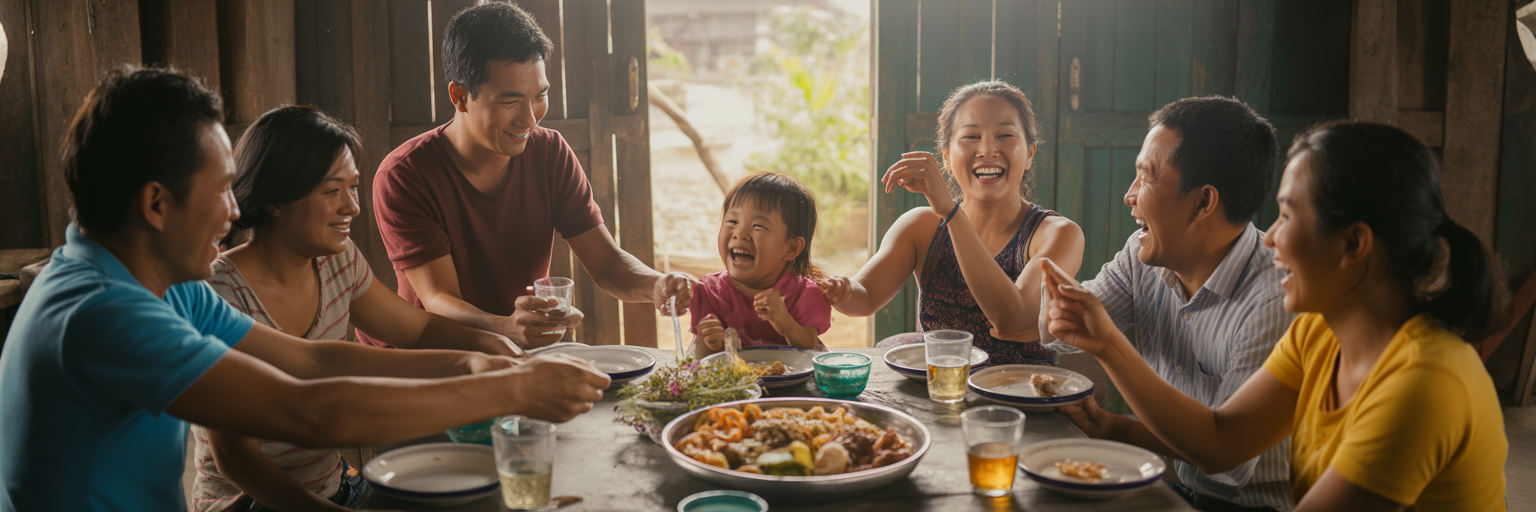
Accessing unique activities is one thing, but forming genuine human relationships is another. While the previous section focused on the logistical keys to unlocking experiences, this is about the human element. True immersion is not just about what you do; it is about who you meet and the connections you form.
The very structure of a small group tour is more conducive to forming these bonds. Think about the difference between a brief, transactional encounter at a market stall and a sustained, multi-hour conversation over a shared meal. The first is an exchange of money for goods. The second is an exchange of stories, ideas, and laughter. A small group makes these deeper interactions possible because it is less intimidating for a local family to host eight people in their home than a busload of forty.
This approach is built on the principle of reciprocity, a cornerstone of responsible tourism. A well-designed immersive tour creates a two-way exchange. Travelers offer their genuine curiosity and provide economic support that goes directly to the community, bypassing large corporations. In return, the community shares its culture, wisdom, and hospitality. This dynamic fosters mutual respect, not exploitation. It ensures that the host community feels seen and valued, not just observed as a spectacle.
Sharing a meal is a universal experience that perfectly illustrates this transformation. A group dinner in a local’s home might begin as a culinary experience, with travelers learning about ingredients and cooking methods. But as the evening unfolds, it almost always evolves into something more. It becomes a forum for storytelling and sharing personal histories. Barriers dissolve as people find common ground, whether it is through discussing their children, their work, or their dreams. This is where a deep cultural connection travel experience truly happens, moving beyond observation into shared humanity.
This directly counters the criticism that all tours are superficial. The key to preventing this is sustained engagement. Instead of making brief, performative stops, immersive tours often spend several days in one community. This allows time for trust to build and for real, unscripted interactions to unfold. It is the difference between a photo opportunity and a friendship.
Navigating Cultural Nuances with Collective Confidence
Traveling in an unfamiliar culture can be intimidating. There are new customs, unspoken rules, and social cues that are easy to misinterpret. A small group, supported by a knowledgeable guide, provides a powerful support system for navigating these complexities with confidence and respect.
The most immediate benefit is safety in numbers. This is not just about physical security; it is about emotional security. Feeling safe allows travelers to be more open and adventurous. When you are not worried about getting lost or feeling vulnerable, you are more likely to wander down an interesting alleyway or strike up a conversation with a stranger. This secure foundation encourages braver exploration.
Beyond safety, the group acts as a real-time processing unit. After a day filled with new sights, sounds, and interactions, it is natural to have questions and feel a bit overwhelmed. Fellow travelers provide a crucial sounding board. In the evening, you can discuss your observations, ask the “silly” questions you might be hesitant to ask otherwise, and share moments of confusion or insight. This collective sense-making leads to a much richer and more nuanced understanding than one could achieve alone. You are not just processing the experience through your own lens, but through the diverse perspectives of the entire group.
A good guide plays a proactive role in managing cultural etiquette. They do not just react when someone makes a mistake. They provide context beforehand, explaining why certain behaviors are expected or should be avoided. This preparation helps prevent unintentional offense and fosters more positive, respectful interactions. It is the difference between stumbling through a culture and being welcomed into it.
Finally, this approach directly confronts the “travel bubble” criticism often aimed at group tours. It is true that poorly run tours can isolate travelers from the local environment. However, a well-led, immersive small group travel for cultural immersion does the exact opposite. It uses the collective confidence and safety of the group as a tool to intentionally break out of the tourist bubble. It empowers travelers to engage more deeply and courageously with the local culture than most individuals would dare to on their own. The principles of stepping out of one’s comfort zone to truly understand a place apply universally, whether in a foreign country or when trying to experience a place like Conroe, Texas, beyond the surface level.
Choosing a Group Tour That Prioritizes Immersion
Recognizing the value of an immersive group tour is the first step. The next is learning how to identify one. The market is filled with options, and many use the language of authenticity without delivering the substance. Here is a practical guide on how to choose immersive group tours that genuinely prioritize connection over checklists.
| Feature | Immersive Group Tour | Conventional Group Tour |
|---|---|---|
| Pace | Slow; multi-night stays in fewer locations | Fast; new city every 1-2 days |
| Activities | Hands-on workshops, homestays, community meals | Photo stops, museum visits, guided sightseeing |
| Guide Role | Cultural bridge, local expert, facilitator | Logistics manager, timekeeper |
| Group Size | Small (typically under 16) | Large (25-50+ people) |
| Community Interaction | Sustained, reciprocal, relationship-focused | Brief, transactional, observational |
This table highlights the fundamental differences in philosophy and structure between tours designed for deep immersion and those focused on conventional sightseeing.
Use this framework and the following steps to evaluate your options:
- Analyze the Itinerary’s Language. Look for active, participatory verbs. Words like “workshop,” “learn,” “participate,” “share a meal with,” and “homestay” signal depth and engagement. Be wary of passive terms like “view,” “see,” “drive by,” or “photo stop,” which suggest a more observational and distant experience.
- Investigate the Operator’s Philosophy. Go beyond the flashy photos and read the “About Us” or “Our Mission” page. A reputable operator will have a clearly stated commitment to responsible travel, sustainable practices, and direct community partnerships. Transparency about where your money goes is a strong indicator of an ethical company that values its local partners. As noted by Women Travel Abroad, it is crucial to ask questions about safety and community engagement before booking.
- Prioritize Small Group Size. A small group, ideally under 16 people, is non-negotiable for true immersion. This size is less intimidating for local hosts, allows access to smaller venues like family homes and local workshops, and ensures each traveler has a more personal and intimate experience with both the guide and the community.
- Read Reviews with a Critical Eye. Do not just look at the star rating. Look for testimonials that describe specific, meaningful interactions or personal transformations. A review that says, “I’ll never forget the stories Maria shared with us over dinner in her home,” is far more telling than one that says, “The hotels were nice and the bus was comfortable.”
- Distinguish a “Cultural Guide” from a “Tour Manager.” A tour manager handles logistics, ensuring the bus is on time and hotel check-ins are smooth. A true cultural guide is often a local expert who provides deep historical, social, and political context. They are a storyteller and a facilitator who turns a trip into an educational journey.
- Evaluate the Pace of the Trip. A rushed, multi-city itinerary is the enemy of immersion. Meaningful connections cannot be rushed. Seek out tours that feature multi-night stays in fewer locations. This slower pace allows time for spontaneous discoveries, for building rapport with locals, and for relationships to develop naturally.
Ultimately, these evaluation skills are universal for any traveler wanting to go deeper. Whether you are planning an international adventure or exploring the diverse regions covered in various city guides, choosing to travel with intention is the first step toward a more meaningful journey.