Aligning Travel Style with Your Inner Compass
We can all picture that moment on a group trip. One friend has the day scheduled down to the minute, while another just wants to find a nice café and see where the afternoon goes. This friction isn’t a sign of bad friendship. It’s the predictable result of misaligned expectations and different approaches to experiencing the world. The secret to a great group trip isn’t finding people who are exactly like you. It’s about understanding these differences and designing a trip that gives everyone what they need.
A practical way to understand these needs is through a simple personality framework. This approach, often used to understand team dynamics as outlined by platforms like Hire Success, categorizes personalities into four main types: the director (A), the socializer (B), the thinker (C), and the supporter (D). This isn’t a rigid psychological diagnosis. Think of it as a helpful lens for self-awareness and empathy, allowing you to see why your friend’s idea of a perfect day might be so different from your own.
The goal of understanding these travel personality types is not to build a group of identical travelers. Instead, it’s about creating an itinerary with enough structure for those who need it and enough freedom for those who crave it. It’s about building a trip that accommodates different styles, preventing small disagreements from souring the entire experience. By recognising these core tendencies, you can anticipate needs and plan a more harmonious group travel experience from the start.
To get started, here’s a quick look at what drives each type. The Type A traveler seeks achievement. The Type B traveler craves spontaneous experiences. The Type C traveler desires deep understanding. And the Type D traveler thrives on group connection. Recognising your own style and those of your travel companions is the first step toward a trip that everyone remembers for the right reasons.
The Goal-Oriented Traveler: Thriving as a Type A

The Type A traveler views a vacation as a mission with objectives. They are the ones with the color-coded spreadsheet, the pre-booked tickets, and the firm belief that a minute wasted is a sight unseen. Their satisfaction comes from accomplishment, whether that means seeing all five boroughs of New York in three days or mastering a new skill. This drive is a powerful asset when planning a group vacation, but it requires awareness to ensure it doesn’t overwhelm the group.
Defining the Type A Travel Mindset
Ambitious, time-conscious, and natural leaders, Type A travelers bring energy and direction to a trip. They are not trying to be bossy. Their detailed planning stems from a desire to maximize the experience for everyone. They feel a sense of responsibility to make the trip a “success,” which they often measure by how much is seen and done. A day without a clear plan can feel stressful to them, like a missed opportunity. They are the first to wake up, the ones who check the transit schedule, and the friend who ensures you make your dinner reservation on time.
Ideal Itineraries for Achievement
Trips that offer structure, clear goals, and a sense of progress are perfect for the Type A personality. They thrive when there is something to conquer or complete. Consider these formats:
- Fast-Paced City Tours: A packed itinerary that covers major landmarks and attractions provides a clear checklist to work through.
- Skill-Based Trips: Journeys centered around earning a certification, like for scuba diving or sailing, offer a tangible achievement.
- Challenge-Oriented Adventures: Hiking a famous trail, running a marathon in a new city, or completing a multi-day cycling tour gives them a concrete goal to focus on.
- Competitive Group Activities: A city-wide scavenger hunt or an escape room provides a fun, structured challenge that channels their competitive energy positively.
Navigating Group Dynamics as a Type A
The Type A’s greatest strength can also be their biggest challenge in a group setting. Their efficiency can be perceived as impatience, especially when others want to linger or change plans. A delayed train or a closed museum can be a source of major frustration for them, which can then create tension for everyone else. Their tendency to over-schedule can leave little room for the spontaneous moments that other personality types cherish, making the trip feel more like a boot camp than a vacation.
Strategies for Adaptation and Enjoyment
For a Type A to truly enjoy a group trip, they need to balance their drive with flexibility. The key is not to suppress their nature but to channel it constructively. They should consciously schedule “flex time” into their detailed itineraries, framing it as a planned break rather than empty time. Delegating parts of the planning, like letting a Type B friend find a spot for drinks, can help them let go of some control. Most importantly, they can reframe relaxation not as doing nothing, but as a strategic activity to “recharge” for the next objective. This small mental shift allows them to enjoy downtime without feeling unproductive.
The Spontaneous Socializer: Embracing the Type B Flow
While the Type A traveler is focused on the destination, the Type B traveler is all about the journey. They are the easygoing, adaptable members of the group who believe the best moments are often unplanned. Their joy comes from stumbling upon a hidden alleyway, striking up a conversation with a local, or discovering a band playing in a small bar. They are experience-oriented and thrive on spontaneity, bringing a sense of fun and flexibility to any trip.
The Essence of the Type B Traveler
Type B personalities are social, creative, and relaxed. They see a travel itinerary as a list of suggestions, not a binding contract. Their primary motivation is to connect with the place and the people in it. They are the ones who will suggest ditching the museum for a picnic in the park if the weather is nice. This laid-back attitude can be a calming influence, reminding the group that the purpose of a vacation is to enjoy oneself, not just to check boxes. They are masters of finding fun in unexpected places and are often the source of the trip’s most memorable stories.
Travel Styles that Foster Spontaneity
The best group trip ideas for a Type B are those that leave room for discovery. They feel most alive when the path is not entirely set in stone. They might prefer basing themselves in one location and exploring its surroundings at their own pace, using a resource like our guide to Killeen, Texas, for inspiration rather than a strict schedule. Other ideal formats include:
- Open-Ended Road Trips: The freedom to take a detour or stay an extra day in a town they love is the ultimate Type B adventure.
- Festival Tourism: Attending a music, food, or cultural festival allows them to immerse themselves in a lively, social atmosphere with a loose structure.
- Backpacking with a Loose Plan: Traveling between cities with only accommodation booked gives them the freedom to fill their days as they see fit.
Potential Friction in Structured Groups
In a highly scheduled group, a Type B traveler can feel caged. A minute-by-minute itinerary can drain their energy and make them feel like they are being herded from one place to another. Their relaxed approach to timekeeping can clash with a Type A’s need for punctuality, and their desire to change plans can be seen as a lack of commitment or respect for the original agreement. Their laid-back nature might be misread as disinterest, when in reality, they are simply waiting for an opportunity to connect with the experience more authentically.
Tips for Navigating Group Travel
To thrive in a group, Type B travelers should communicate their need for flexibility early on. During the planning phase, they can advocate for including blocks of free time in the schedule. During the trip, they can use their social skills to enhance group bonding, perhaps by volunteering to find a great local spot for dinner during an unplanned evening. When they feel the need for spontaneity, they can frame it as an opportunity for the group: “Hey, I heard about this cool market just a few blocks away, does anyone want to check it out before we head to the museum?” This invites others into their world of discovery rather than making it seem like they are abandoning the plan.
The Detail-Driven Explorer: The Strengths of a Type C
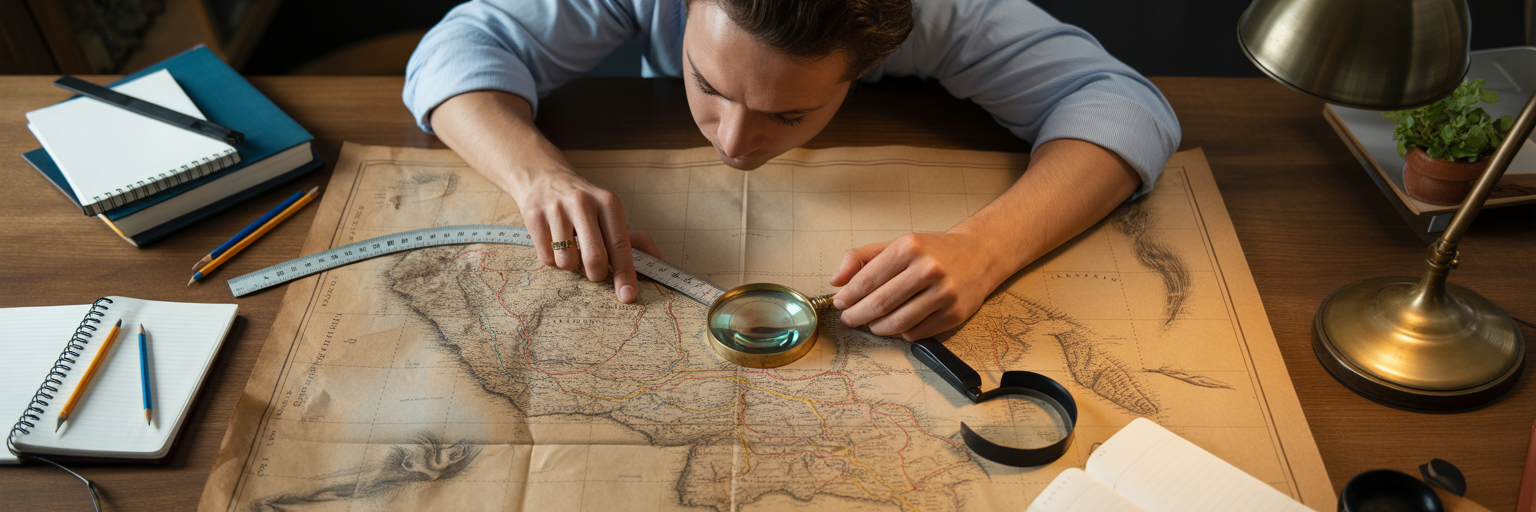
Every group needs a Type C traveler. They are the researchers, the fact-checkers, and the ones who know the museum’s opening hours, the best way to get there, and which exhibits are not to be missed. Their satisfaction comes not just from seeing a place, but from understanding it. They enjoy the planning phase almost as much as the trip itself because it allows them to immerse themselves in the history, culture, and logistics of the destination. Their analytical nature provides a foundation of knowledge that enriches the experience for everyone.
Profile of the Analytical Traveler
Type C personalities are logical, precise, and inquisitive. Before a trip, they will have read the reviews, studied the maps, and learned a few key phrases in the local language. They are motivated by a desire for quality and accuracy. This means they are excellent at choosing a group tour because they will have meticulously vetted all the options. On the trip, they are the ones who can provide interesting context about a historical site or explain the significance of a local custom. Their attention to detail ensures that the group avoids common tourist traps and makes well-informed decisions.
Best Travel Formats for Deep Dives
Type C travelers flourish on trips that offer opportunities for learning and in-depth exploration. They prefer quality over quantity, choosing to understand one neighborhood deeply rather than seeing an entire city superficially. They thrive when they can dive deep into the history and culture of a destination, using detailed resources we’ve created, like our city guide to San Angelo, Texas, to plan their explorations. Ideal formats include:
- Curated Historical or Architectural Tours: A guided experience with an expert provides the depth of information they crave.
- Culinary or Wine-Tasting Classes: These trips offer a structured way to learn about a region’s culture through its food and drink.
- Museum-Focused City Breaks: A trip centered around exploring the major museums and galleries of a city like Paris or Florence is their idea of heaven.
- Nature and Wildlife Expeditions: Trips led by naturalists or scientists allow them to learn about the local ecosystem in a detailed, factual way.
Common Challenges for the Type C
The Type C’s analytical mind can sometimes lead to “analysis paralysis,” where they become so overwhelmed by options during the planning phase that they struggle to make a decision. Their need for a well-researched plan can cause anxiety when things go wrong, like a restaurant reservation being lost. Because they have invested so much time in finding the “best” option, they can be disappointed when reality doesn’t match their research. Their focus on facts and details can also be perceived as criticism by others, especially when they point out a flaw in a spontaneous plan.
Strategies for a Fulfilling Journey
The best way to empower a Type C traveler is to give their skills an official role. Designate them as the group’s “Chief Research Officer” or “Logistics Coordinator.” This validates their strengths and channels their energy productively. To manage their anxiety about the unexpected, they should be encouraged to build contingency plans. For example, researching a backup restaurant near the first choice can provide a sense of security. It is also helpful for them to consciously practice letting go of minor imperfections. Acknowledging that no trip will ever be perfect can free them to enjoy the experience as it unfolds, flaws and all.
The Supportive Connector: The Heart of the Group as a Type D
The Type D traveler is the emotional glue of the group. They are the supportive, empathetic friend who is constantly checking in to make sure everyone is happy. Their own enjoyment is deeply tied to the well-being of the group. They find joy in shared laughter, meaningful conversations, and the simple pleasure of experiencing something wonderful together. While other types are focused on doing, seeing, or understanding, the Type D is focused on feeling, making them essential for creating a positive and harmonious group travel experience.
Understanding the Empathetic Traveler
Patient, caring, and reliable, Type D personalities are natural peacemakers. They are highly attuned to the emotional climate of the group and will often be the first to notice if someone is feeling left out or stressed. Their primary motivation is to foster connection and ensure harmony. They are fantastic listeners and will often act as a mediator when disagreements arise. They are the ones who will suggest a group dinner to bring everyone together after a day of separate activities or remember to buy a souvenir for a friend back home. Their quiet, steady presence creates a safe and inclusive atmosphere.
Travel Experiences that Nurture Connection
Type D travelers thrive in environments that prioritize community and shared experience over a packed schedule of activities. They might enjoy planning a group meal or a relaxed walking tour, using our collection of city guides to find the perfect spot that everyone can agree on. Other travel styles that suit them include:
- Wellness or Yoga Retreats: These trips are designed around community, self-care, and shared peaceful experiences.
- Volunteer Trips: Working together toward a common goal is a powerful way for a Type D to connect with their travel companions.
- Renting a Large House or Villa: A shared living space encourages communal meals, late-night conversations, and a general sense of togetherness that they cherish.
- Slow Travel in a Small Town: Staying in one place for an extended period allows for deeper connections with both the local community and the travel group.
The Personal Cost of Prioritizing Harmony
The Type D’s greatest strength is also their greatest vulnerability. In their quest to keep everyone happy, they often suppress their own needs and desires. They might agree to an activity they have no interest in just to avoid conflict, leading to quiet resentment. They can also experience emotional burnout from feeling responsible for everyone’s happiness, absorbing the stress and frustration of the entire group. When a trip is over, they are often the most exhausted, having spent their energy managing group dynamics instead of enjoying their own vacation.
Advice for Self-Preservation and Enjoyment
For a Type D to have a fulfilling trip, they must practice self-preservation. This starts with setting boundaries. During the planning phase, it is crucial that they voice their own preferences and identify one or two “must-do” activities for themselves. This ensures their needs are on the agenda from the beginning. Finding an ally in the group, perhaps another empathetic person, can provide support and prevent them from feeling like the sole mediator. Most importantly, they need to give themselves permission to step back. It is not their job to solve every disagreement or manage every mood. True harmony comes from everyone taking responsibility for their own enjoyment, not from one person carrying the emotional weight of the group.
Harmonizing a Group of Diverse Personalities

Understanding individual travel personality types is the first step. The next is to weave those different needs into a single, cohesive trip. The goal is not to force everyone into the same mold but to create a flexible structure where different styles can coexist. A successful group trip is a balanced ecosystem, not a monoculture. This requires a conscious strategy that moves beyond simply picking a destination and booking flights.
The most effective approach is the “Anchor and Flex” model. This strategy provides a framework that satisfies both the planners and the wanderers in your group. Anchors are the handful of non-negotiable activities that the group commits to doing together. These could be a pre-booked tour, a special dinner reservation, or a hike to a famous viewpoint. These anchors provide the structure that Type A and Type C travelers need to feel secure. They are the fixed points on the map around which the rest of the trip revolves.
The other half of the model is Flex time. These are generous, unscheduled blocks in the itinerary where individuals or smaller groups are free to pursue their own interests. This is where the Type B traveler thrives, free to wander and discover. It also gives the Type A a chance to schedule an extra activity they care about, the Type C an opportunity to spend three hours in a single museum exhibit, and the Type D a moment to simply relax with a book. This model explicitly builds in permission for people to do their own thing.
This leads directly to the “Sub-Group” strategy. It is not only acceptable but healthy for the group to split up. Trying to force everyone to do everything together is a recipe for resentment. Normalise this from the beginning. For example, the Type C explorers can spend the afternoon at the historical museum while the Type B socializers discover a local market and the Type D connectors find a quiet park for a relaxed chat. The group can then reconvene for an “anchor” dinner, sharing stories from their different adventures. This approach allows everyone to get what they want out of the day, making the time spent together more enjoyable.
The role of the trip facilitator, whether official or unofficial, is to manage communication, not to be a dictator. Their job is to ensure everyone is aware of the anchor activities and to help coordinate the flex time. A simple group chat can be used to let everyone know where they are and when they plan to meet up. By establishing these strategies upfront, you create a trip that respects both group cohesion and individual freedom, leading to a truly harmonious group travel experience.
| Personality Type | Primary Need | How to Accommodate in the Itinerary | Potential Pitfall to Manage |
|---|---|---|---|
| Type A (The Goal-Oriented) | Achievement & Structure | Include clear ‘Anchor’ activities with defined goals. Give them a role in logistical planning. | Dominating the schedule; impatience with spontaneity. |
| Type B (The Spontaneous) | Flexibility & Socializing | Build in ample ‘Flex’ time. Let them lead the search for spontaneous fun or social spots. | Feeling constrained by anchors; perceived lack of commitment. |
| Type C (The Detail-Driven) | Understanding & Preparation | Provide detailed information for ‘Anchor’ activities. Empower them as the group’s researcher. | Anxiety over unplanned events; getting lost in details. |
| Type D (The Supportive) | Harmony & Connection | Plan communal experiences like group dinners. Ensure their ‘must-do’ is on the schedule. | Suppressing their own needs to keep the peace; burnout. |
This table provides a framework for trip organizers to consciously build an itinerary that acknowledges and respects the core needs of each personality type, fostering a more harmonious group travel experience.
Practical Steps for Pre-Trip Planning and Alignment
A great group trip doesn’t start at the airport. It begins with a few intentional conversations that align expectations long before anyone packs a bag. Investing a small amount of time upfront to get on the same page can prevent the most common sources of conflict. Here are a few practical steps to ensure your group travel for your personality is a success from the very beginning.
- The Conversation Before the Destination: Before you even discuss where to go, talk about how you like to travel. This is a crucial, often-skipped step. Ask questions that reveal travel style. Are you an early riser or a night owl? Do you prefer a packed schedule or a relaxed pace? Is your ideal day spent hiking a mountain or exploring art galleries? Understanding these fundamental preferences is more important than agreeing on a city. This conversation sets the stage for compromise and mutual understanding.
- The Anonymous Pre-Trip Survey: People are often more honest when they are not put on the spot. Use a free tool like Google Forms to create a simple, anonymous survey for the group. This is the perfect way to tackle sensitive topics like budget. Ask about preferred accommodation style (hostel, hotel, or Airbnb), daily spending limits, and activity priorities. This provides objective data that can guide the planning process and prevents one person’s budget from dictating the entire trip.
- The ‘Trip Constitution’: This sounds formal, but it’s just a friendly, informal agreement to preempt common friction points. Before you leave, have a quick chat to establish some ground rules. For example, agree on a policy for group expenses. Will you use an app like Splitwise? How will you handle shared meals? Also, discuss expectations around punctuality for anchor events. Agreeing that everyone will be ready to leave at the designated time for a pre-booked tour can prevent a lot of frustration. This isn’t about creating rigid rules, but about fostering respectful communication.
These steps transform the planning process from a potential source of conflict into a collaborative exercise. They ensure that every voice is heard and that the final itinerary reflects a balance of the group’s diverse desires. Ultimately, a successful group trip begins with curiosity and communication, and using comprehensive resources like those on When In Your City can provide the foundation for an adventure that everyone will cherish.