The modern travel album is often a collection of famous landmarks and perfectly staged photos, but the most profound travel stories are rarely captured in a single frame. They are found in the unscripted moments of connection that define cultural immersion.
Moving Beyond the Tourist Trail
For many, travel is a checklist of sights to see and photos to take. This approach, however, often keeps us on the surface, interacting with a place but never truly connecting with it. Cultural immersion is not another activity to add to the itinerary. It is a mindset, a conscious decision to step away from the role of a passive observer and become an active participant in the daily life of a destination.
Consider the difference. Standing before the Eiffel Tower is a classic tourist moment, a snapshot for the collection. But learning to bake a croissant from a third-generation baker in a small Parisian boulangerie is an experience that engages your senses and connects you to a living tradition. The first is sightseeing. The second is immersion. One creates a memory, while the other builds understanding.
The pressure to capture the perfect image, often called the ‘Instagram effect,’ can overshadow the experience itself. We have all seen it: travelers more focused on their phone screen than the sunset in front of them. This creates a sanitized bubble, shielding us from the beautiful, messy, and complex character of a place. We end up consuming a curated version of a culture rather than experiencing its authentic rhythm.
When you travel within this bubble, you might see the highlights, but you miss the heartbeat. You miss the morning chatter at a local market, the shared laughter over a misunderstood phrase, and the quiet pride of an artisan explaining their craft. These are the moments that challenge our perspectives and stay with us long after the photos have been posted.
Choosing immersion means prioritizing genuine human connection and understanding over a packed schedule. It is the foundation for a journey that offers more than just sights. It offers insight, empathy, and a deeper appreciation for the world and our place within it. This approach transforms a simple trip into a meaningful exploration.
Fostering Personal Development and Global Skills
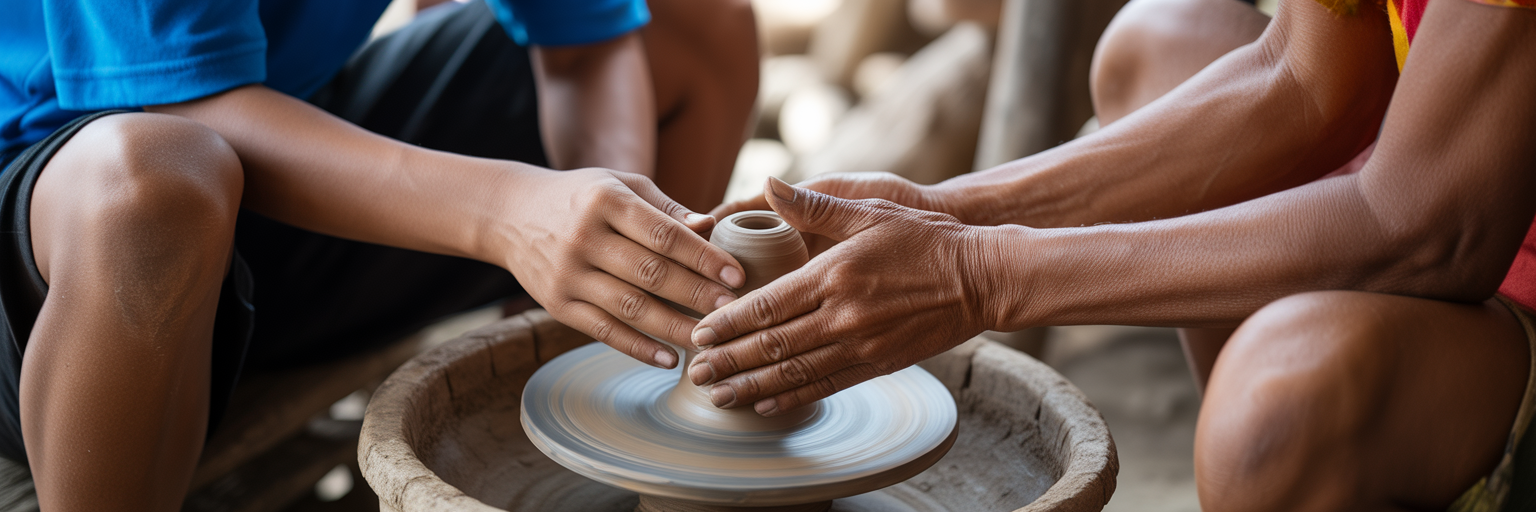
This shift in mindset from observer to participant unlocks profound personal growth. When young travelers step outside their comfort zones, they acquire skills and perspectives that last a lifetime. The benefits of immersive travel are not just about what you see, but about who you become. This personal journey is built on several key pillars of development.
- Building Empathy and Intercultural Competence
Navigating unfamiliar social norms and communication styles forces you to see the world from another viewpoint. You learn to listen more, assume less, and appreciate that your way is not the only way. This firsthand experience in understanding different perspectives builds deep, genuine empathy, a critical skill in our increasingly globalized workforce. - Developing Practical Life Skills
Immersive travel is a crash course in real world problem solving. Think about navigating the Tokyo subway system during rush hour, respectfully haggling for a rug in a Moroccan souk, or managing a weekly budget in a foreign currency. These are not abstract challenges. They are tangible tasks that build resilience, adaptability, and resourcefulness far more effectively than any classroom exercise. - Boosting Self-Confidence and Independence
There is a unique confidence that comes from successfully navigating a foreign environment on your own. Every small victory, from ordering a meal in a language you barely know to asking for directions and actually finding your way, builds a powerful sense of self-reliance. You prove to yourself that you can handle uncertainty and overcome obstacles, which is a feeling that carries over into all aspects of life. - Experiential Learning That Surpasses the Classroom
Cultural immersion brings academic subjects to life. History is no longer just a chapter in a book when you are walking through the Roman Forum. Economics becomes tangible when you see firsthand how local markets operate. Witnessing different political and social structures provides a nuanced understanding that textbooks simply cannot offer. Finding these authentic travel experiences is essential, whether you are in a major metropolis or exploring a smaller community, like what you might find when you avoid the typical tourist trail in Leander, Texas.
Ultimately, immersive travel is an investment in yourself. It equips you with the soft skills and the quiet confidence needed to thrive in a complex world.
Forging Genuine Human Connections
While personal growth is a significant outcome of immersive travel, its true heart lies in looking outward and connecting with others. This focus on interpersonal relationships is what separates a memorable trip from a life-changing one. It moves beyond the transactional nature of tourism and into the realm of genuine human exchange.
Imagine the difference between buying a mass produced souvenir from a airport shop and purchasing a handmade ceramic bowl directly from the artisan who crafted it. In the first scenario, you have a transaction. In the second, you have a story. You might learn about the artisan’s family, the meaning behind the design, and the years of practice it took to perfect their skill. That bowl is no longer just an object. It is a memory of a person and a shared moment.
These connections are the most powerful tools for dismantling stereotypes. Media often presents us with one dimensional caricatures of other cultures. But when you share a meal with a family in their home, learn a traditional dance from a local performer, or simply have a long conversation with a stranger at a bus stop, you see the person. You connect with their hopes, their humor, and their humanity, and the stereotype dissolves.
Language can feel like a barrier, but it is more often a bridge. You do not need to be fluent to make a connection. The effort to learn even a few basic phrases, like “hello,” “please,” and “thank you” in the local language, signals respect and a willingness to engage. It shows that you see yourself as a guest, not just a customer. This small gesture can open doors to surprisingly deep and meaningful conversations.
When travelers look back on their most cherished memories, they are rarely about a building or a landscape. They are almost always about the people they met. The friendships forged over shared experiences are what transform a destination from a place on a map to a place in your heart. Finding hubs where these interactions can happen is key, and our detailed city guides can point you toward community-centric spots where genuine connections are more likely to blossom.
A Practical Guide to Immersive Travel
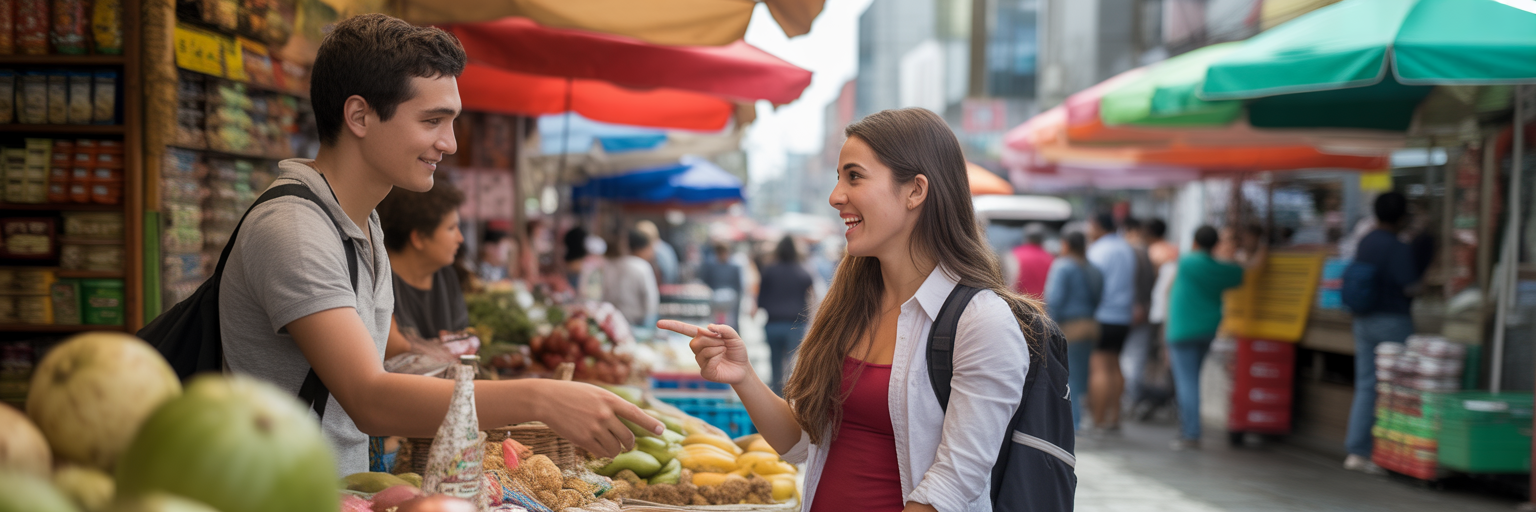
Embracing cultural immersion sounds great in theory, but how do you actually do it? Making the shift from tourist to traveler involves a series of conscious choices before and during your trip. Here are some practical cultural immersion travel tips to help you get started.
- Pre-Trip Preparation is Key
Before you even pack your bags, invest time in learning about your destination. Research the local customs, social etiquette, and a bit of the history. This context will help you understand what you are seeing and interact more respectfully. Most importantly, learn a few key phrases in the local language. It is a simple sign of respect that goes a long way. - Choose Your Accommodation Wisely
Where you stay has a huge impact on your experience. Large, international hotel chains offer comfort but can isolate you from the local culture. Consider alternatives like homestays, family-run guesthouses, or community-based tourism projects. These options provide direct interaction with locals and offer a much richer insight into daily life. - Find Authentic Activities
To truly understand how to experience local culture, you need to participate in it. Skip the crowded tourist traps and seek out everyday activities. Visit a local market on a weekday morning, attend a neighborhood sports game, take a public bus instead of a taxi, or sign up for a cooking class. The goal is to find experiences that reflect the real character of a place, much like an honest guide to Conroe, Texas, would offer its residents. - Embrace Slow Travel
Rushing from one city to the next every two days is exhausting and superficial. The concept of slow travel encourages spending more time in fewer places. This allows you to move beyond the main attractions, establish a routine, become a regular at a local café, and build relationships with people you meet. Depth over breadth is the mantra. - Use Technology as a Bridge, Not a Barrier
Your smartphone can be a powerful tool for immersion. Use apps to practice the local language, find community events, or navigate public transport. However, be mindful of excessive screen time. The goal is to use technology to connect you with the world around you, not to distract you from it. Look up, be present, and engage with what is in front of you.
| Accommodation Type | Potential for Local Interaction | Cultural Insight | Best For |
|---|---|---|---|
| Chain Hotel | Low | Minimal; standardized experience | Comfort, predictability, and business travel |
| Boutique Hotel | Low to Medium | Some local design and flavor | Stylish stays with local aesthetics |
| Guesthouse / B&B | Medium to High | Direct interaction with hosts, local breakfast | Personalized hospitality and local tips |
| Homestay | High | Deep immersion in family life and daily routines | Travelers seeking maximum cultural exchange |
| Community-Based Tourism | Very High | Direct engagement with a whole community, shared activities | Ethical travelers wanting to support local economies directly |
This table outlines how accommodation choices directly impact the level of cultural immersion. The selection should align with the traveler’s goal, whether it’s comfort or deep cultural connection.
Navigating the Complexities of Cultural Exchange
True cultural immersion requires more than just practical strategies. It demands a thoughtful and ethical mindset. As a visitor, you have a responsibility to engage with the host culture respectfully. This means being aware of your impact and navigating the fine lines that separate positive exchange from unintentional harm. This is a core component of responsible tourism for young adults.
One of the most important distinctions to understand is the one between cultural appreciation and appropriation. Appreciation is about learning from and honoring a culture with respect and context. Appropriation involves taking elements from a culture, often one that has been marginalized, and using them out of context, without credit, and for personal gain or status. The key difference lies in permission, understanding, and power dynamics.
The rise of “voluntourism” also presents a complex challenge. While the desire to help is admirable, many short-term volunteer programs do more harm than good. They can create dependency, take jobs from local workers, and reinforce a harmful “savior complex.” Before signing up, thoroughly vet any organization. Prioritize programs that are community-led, focus on sustainable skills transfer, and require a longer-term commitment.
Your economic footprint matters. Every dollar you spend is a vote. By consciously choosing to support locally-owned businesses, from guesthouses and restaurants to artisans and guides, you ensure that the financial benefits of tourism stay within the community. Avoid all-inclusive resorts and foreign-owned chains that often funnel profits out of the country.
Finally, it is crucial to embrace discomfort. At some point, you will feel like an outsider. You will experience culture shock. You might feel awkward, lonely, or confused. These moments are not failures. They are an essential part of the learning process. They are signs that you are truly outside your comfort zone, and that is where growth happens. Leaning into this discomfort with humility and an open mind is the essence of immersive travel.
| Action | Cultural Appreciation | Cultural Appropriation |
|---|---|---|
| Clothing | Purchasing traditional textiles from a local artisan and learning about their significance. | Wearing a sacred headdress or ceremonial garment as a costume to a party. |
| Art & Music | Learning a traditional dance from a local instructor who shares its history and context. | Using sacred music or symbols out of context in a commercial project without permission or credit. |
| Photography | Asking for permission before taking a photo of someone and engaging in conversation. | Taking intrusive photos of people during private or religious moments without consent. |
| Participation | Joining a community celebration after being genuinely invited by a host. | Intruding on a closed ceremony or ritual uninvited for the sake of the ‘experience’. |
This table provides clear examples to help travelers distinguish between respectful engagement and harmful appropriation. The key difference lies in context, permission, and understanding.
How Immersive Travel Shapes Your Future

The impact of an immersive journey does not end when you return home. It continues to shape your life, your career, and your worldview in profound and lasting ways. This style of travel plants seeds of curiosity and understanding that grow over a lifetime.
Immersive experiences can dramatically broaden your academic and career perspectives. A trip might ignite a passion for a field you had never considered, like international relations, sustainable development, or anthropology. For employers, a candidate who has successfully navigated complex cultural environments demonstrates invaluable soft skills: adaptability, problem-solving, and cross-cultural communication. These are not qualities that can be easily taught. They are earned through experience. This newfound curiosity might lead you to explore places you had never considered, like discovering Mansfield, Texas, and its unique local culture.
More importantly, immersive travel helps cultivate engaged global citizens. When you have seen the effects of climate change on a coastal community firsthand or spoken with people whose lives are impacted by economic inequality, these global issues cease to be abstract headlines. They become tangible, urgent, and personal. This firsthand knowledge often inspires a commitment to advocacy and action back home.
On a personal level, these journeys can fundamentally shift your values. You may return with a greater appreciation for diversity, a more minimalist approach to consumption, or a re-prioritization of meaningful experiences over material possessions. You learn that happiness and fulfillment are not tied to what you own but to the connections you make and the perspectives you gain.
Ultimately, one truly immersive trip can transform you from a tourist into a lifelong traveler. It instills a mindset that values depth, connection, and understanding in all future journeys. It changes not just where you go, but how you see the world forever. You no longer seek to just see new places. You seek to understand them.
The Collective Shift Towards Meaningful Exploration
The individual choice to travel immersively is part of a larger, positive trend. Young travelers are increasingly seeking more than just a vacation. They are looking for transformation, connection, and purpose. This growing demand for authentic travel experiences is pushing the entire travel industry to evolve toward more ethical and sustainable practices.
As a young traveler, you are not just a consumer. You are a cultural ambassador. Every interaction you have, whether positive or negative, contributes to the perception of your home country and shapes the future of tourism in that destination. By choosing to travel with respect, curiosity, and an open mind, you foster positive cross-cultural relations and help build a more understanding world.
We are witnessing a gradual shift in how we measure a successful trip. The future of travel is not about the distance covered or the number of landmarks photographed. It is about the depth of connection achieved, the perspectives gained, and the positive impact left behind. It is about returning home with more than just souvenirs, but with new friendships, a broader worldview, and a deeper understanding of our shared humanity.
This approach makes travel a force for good, benefiting both the traveler and the host community. It enriches our own lives while contributing to a more respectful and interconnected world. As you plan your next adventure, remember that the goal is depth over distance. When In Your City is dedicated to helping you find those meaningful experiences that turn a trip into a journey.