The Power of Shared Cultural Journeys
From ancient solstice rituals to modern music gatherings, humans have always sought connection through collective celebration. It’s a fundamental part of our social fabric. While a typical vacation can be enjoyable, attending a cultural festival as a group transforms a simple trip into a profound, shared memory. It shifts the focus from individual sightseeing to a collective immersion, creating a powerful sense of unity.
Sociologists call it ‘collective effervescence’—that almost electric energy you feel in a crowd when everyone is focused on the same spectacle, song, or ceremony. It’s the feeling of being part of something larger than yourself. For a travel group, experiencing this together forges bonds far stronger than just posing for photos at a landmark. You are not just observing a culture; you are participating in its rhythm, side by side.
Of course, navigating a massive event with multiple people introduces logistical puzzles. Where do we meet if we get separated? How do we manage different energy levels and interests? These challenges, however, are not roadblocks. Instead, they become opportunities for teamwork and communication. Deciding on a buddy system or a designated meeting spot becomes a small act of shared responsibility that strengthens the group’s cohesion.
These group travel cultural experiences are about more than just witnessing an event. They are about the conversations you have while waiting for a procession to start, the laughter shared when someone gets unexpectedly covered in paint, and the quiet awe felt during a sacred ritual. This article provides a curated selection of five festivals, each chosen for its immersive qualities and suitability for groups. We will explore not just what makes them special, but also the practical advice needed to ensure your journey is both memorable and respectful.
Holi in India: A Vibrant Celebration of Unity
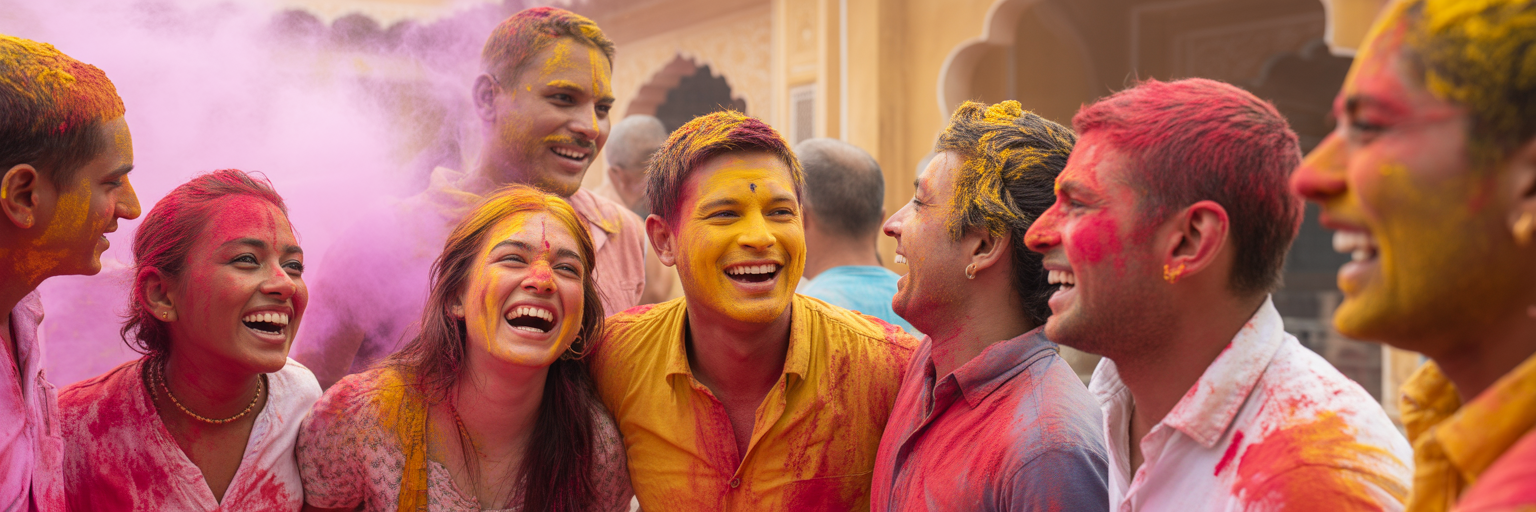
Holi is not a spectator sport. It is a full-body immersion into joy, color, and temporary chaos. The air fills with clouds of brightly colored powder, or gulal, and the sounds of laughter and music. For a few hours, social barriers dissolve, and everyone—strangers and friends, young and old—is united in a playful, vibrant mess. It is an experience that is impossible to forget.
The Story Behind the Colors
The festival’s exuberance is rooted in Hindu mythology. One story celebrates the triumph of good over evil, commemorating the survival of the devotee Prahlad from a fire set by his demonic aunt, Holika. Another tale recounts the playful love between the deities Krishna and Radha, where Krishna, self-conscious of his blue skin, playfully colored Radha’s face to match his own. This blend of devotion and mischief gives Holi its unique spiritual and celebratory character.
The Group Experience of Holi
For a group, Holi is an unparalleled bonding activity. The shared experience of being completely covered in color creates an immediate sense of camaraderie. It’s a moment of pure, uninhibited fun where everyone lets their guard down. The usual dynamics of a travel group fade away, replaced by a collective spirit of play. You are not just tourists watching a festival; you are active participants in a nationwide celebration of life and renewal.
Practical Logistics for Your Group
Planning is essential for a successful Holi festival group travel experience. Here are four key steps:
- Choose Your Location Wisely: For a traditional and intense experience, head to Mathura and Vrindavan, the birthplace of Krishna. For a more organized and tourist-friendly celebration, consider events hosted by hotels and communities in cities like Jaipur or Udaipur.
- Dress the Part: Wear old, white clothing. The white serves as a blank canvas for the colors, and you will not feel bad about disposing of the clothes afterward. They become a unique souvenir of the day.
- Protect Yourselves: Before heading out, apply coconut oil to your hair and skin. It creates a barrier that makes washing the color off much easier. Sunglasses are also a must to protect your eyes from the powder.
- Source Safe Colors: Insist on using only organic, non-toxic gulal. Some synthetic powders can contain harmful chemicals. Your group can buy certified organic colors in advance to ensure everyone stays safe.
Staying Safe and Respectful Together
The phrase “Bura na mano, Holi hai” (“Don’t feel offended, it’s Holi”) embodies the spirit of the day, but it has its limits. As a group, establish clear ground rules. Use a buddy system to ensure no one is ever alone. Designate a clear, easily identifiable meeting point in case you get separated. It is also important to understand that consent is still key; if someone in your group is uncomfortable, they should feel empowered to say no, and the group should support them. Respectfully declining to have color applied is perfectly acceptable.
The festival’s universal appeal is widely recognized. As travel experts at Exodus highlight, Holi is frequently cited as one of the best festivals around the world for its sheer joy and deep cultural immersion.
Inti Raymi in Peru: Reviving an Ancient Incan Ceremony
Unlike the spontaneous chaos of Holi, Inti Raymi in Cusco is a highly orchestrated and majestic spectacle. This “Festival of the Sun” is a powerful revival of the most important ceremony of the Incan Empire. Attending as a group requires strategic planning, as you are witnessing a piece of living history, not participating in a street party. The event is a profound statement of Andean cultural pride and resilience.
A Journey Back to the Incan Empire
Historically, Inti Raymi honored the sun god, Inti, and marked the winter solstice. It was a time of fasting, rituals, and gratitude for the sun’s life-giving energy. Banned by the Spanish conquistadors, the festival was revived in the 20th century as a theatrical representation, and it has since become a cornerstone of Cusco’s cultural identity, drawing thousands who come to connect with Peru’s ancient roots.
What Your Group Will Witness
The festival unfolds across three distinct locations. It begins at dawn at Qorikancha, the Incan Temple of the Sun, with an invocation by the Sapa Inca. The procession then moves to the Plaza de Armas for a “Meeting of the Times” ceremony. The grand finale takes place at the fortress of Sacsayhuamán, where actors representing Incan priests, nobles, and soldiers perform elaborate rituals and dances against a stunning historical backdrop. Each costume and chant is rich with symbolism, telling the story of an empire’s relationship with the cosmos.
Strategic Planning for a Seamless Group Trip
A solid Inti Raymi festival guide is crucial for groups. Your viewing strategy will define your experience. The trade-offs between cost, comfort, and proximity are significant, so discussing them as a group is essential.
| Location | Experience | Cost | Pros & Cons |
|---|---|---|---|
| Qorikancha (Temple of the Sun) | Opening ceremony, standing room only | Free | Pro: Feel the initial energy. Con: Extremely crowded, limited visibility. |
| Plaza de Armas | Main procession, street-level view | Free | Pro: Central location, festive atmosphere. Con: Must arrive hours early for a spot. |
| Sacsayhuamán (Paid Seats) | Main ceremony, assigned seating | High (Tickets required) | Pro: Best view, comfortable, organized. Con: Expensive, must book months in advance. |
| Sacsayhuamán (Surrounding Hills) | Distant view of the main ceremony | Free | Pro: Good for groups, picnic atmosphere. Con: Distant view, audio may be unclear. |
For groups with members who have mobility issues or prefer comfort, the paid seats at Sacsayhuamán are the best choice, despite the cost. Budget-conscious groups or those who enjoy a more local, communal atmosphere will find the surrounding hills a fantastic option, allowing for space to spread out and enjoy a picnic. The free street-level spots are best for those who thrive on crowds and want to be in the heart of the action.
Connecting Deeper with Andean Culture
To truly appreciate Inti Raymi, context is everything. Hiring a local guide for the day can provide invaluable real-time explanations of the rituals. Before the festival, your group should explore the Sacred Valley to understand the Incan civilization’s scale and ingenuity. This deeper preparation helps plan unforgettable trips that go beyond a single event. As noted by travel authorities like World Expeditions, Inti Raymi is a key cultural event for understanding ancient traditions, making it a truly educational journey.
Naadam Festival in Mongolia: The Three Games of Men
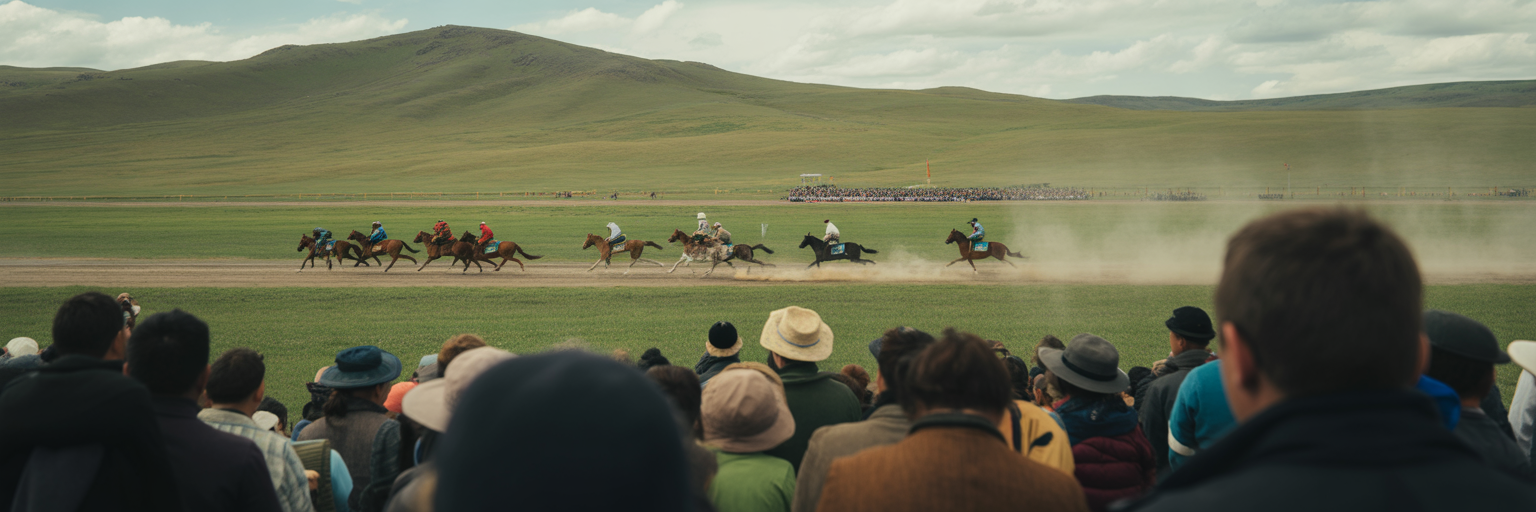
The Naadam Festival is not an event staged for outsiders. It is the raw, rugged heart of Mongolian national pride, a celebration of the nomadic skills that built an empire. Known as the “three manly games,” this festival of wrestling, horse racing, and archery offers a window into a culture deeply connected to its land and traditions. It is one of the most authentic cultural festivals for groups seeking an experience far from the typical tourist trail.
The Heart of Mongolian National Pride
Naadam commemorates the 1921 revolution and has roots stretching back centuries to the time of Chinggis Khaan. It is a celebration of independence, strength, and the pastoral way of life. The atmosphere is one of intense competition and communal pride, where champions are revered as national heroes.
A Spectacle of Strength and Skill
The three games are a captivating sight. Mongolian wrestling is a test of pure strength and technique, with wrestlers performing a ritualistic “eagle dance” before grappling in a single-elimination tournament. The horse races are a feat of endurance, with child jockeys aged five to twelve guiding their horses across the vast, open steppe in races that can be up to 30 kilometers long. Archery showcases incredible precision, with competitors using traditional horn bows to hit targets from a great distance.
Experiencing Naadam as a Group
A key decision for any group is whether to attend the main festival in the capital, Ulaanbaatar, or a smaller, more intimate countryside Naadam. Each offers a very different experience.
- Atmosphere: The Ulaanbaatar Naadam is a grand, official affair with an elaborate opening ceremony. A countryside Naadam feels more like a large family gathering, with a strong sense of local community.
- Accessibility: The capital is easy to navigate, with plentiful accommodation and transport. Reaching a rural Naadam is an adventure in itself, often requiring off-road travel and basic lodging.
- Authenticity: While both are genuine, the Ulaanbaatar event is more polished. The countryside version is raw and unfiltered, offering a more direct connection to nomadic life. The spirit of discovery here is similar to what one might find when exploring off-the-beaten-path destinations elsewhere.
Logistics on the Mongolian Steppe
Here are some essential Naadam festival travel tips for groups. Transport can be challenging, especially for rural festivals, and facilities are often basic. For this reason, hiring a reputable local tour operator is highly recommended. They can manage the complex logistics of transport, accommodation (often in traditional ger camps), and access, allowing your group to focus on the experience. An operator can also provide a guide who can explain the nuances of the competitions and cultural etiquette, making the trip far more meaningful.
Paro Tshechu in Bhutan: Sacred Dances and Spiritual Wonder
In stark contrast to the boisterous energy of other festivals, the Paro Tshechu in Bhutan is an event of deep spiritual significance and quiet reverence. A Tshechu is a religious festival honoring Guru Rinpoche, the saint who introduced Buddhism to Bhutan in the 8th century. For Bhutanese people, attending is a sacred obligation that cleanses sins and brings blessings. For travelers, it is a rare privilege to witness a nation’s spiritual heartbeat in a space of profound devotion.
Understanding Bhutan’s Spiritual Heartbeat
The festival takes place over several days at the magnificent Paro Rinpung Dzong, a fortress-monastery that is a masterpiece of Bhutanese architecture. The courtyard becomes an open-air stage for a series of ancient mask dances, or Cham, performed by monks and laymen. The atmosphere is not one of entertainment but of collective prayer and meditation.
The Meaning Behind the Masks
The Cham dances are more than just performances; they are morality plays and moving mandalas. Each dance has a specific purpose, from subjugating demons to depicting the judgment of the dead. The dancers wear spectacular, often fearsome masks and elaborate silk costumes, embodying deities, demons, and historical figures. Understanding that these are not mere characters but manifestations of enlightened beings is key to appreciating the event’s spiritual depth. The dances are a form of meditation for both the performers and the audience.
Group Etiquette in a Sacred Space
As guests in a sacred space, groups must adhere to a strict code of conduct. This is non-negotiable.
- Dress Code: Modesty is paramount. All members of your group must wear long sleeves, long pants, or long skirts. Shoulders and knees must be covered.
- Behavior: Observe quietly and respectfully. This is a religious ceremony, not a photo opportunity. Keep conversations to a minimum and avoid loud noises.
- Photography: Flash photography is strictly forbidden. Ask your guide before taking any pictures, as photography may be prohibited during certain rituals.
- Follow Your Guide: All tourists in Bhutan are accompanied by a licensed local guide. Follow their instructions at all times. They will help you navigate the cultural nuances and ensure your presence is not disruptive.
The Unforgettable Thangka Unfurling
The climax of the Paro Tshechu occurs before dawn on the final day with the unfurling of the Thongdrel, a gigantic silk appliqué tapestry depicting Guru Rinpoche. This sacred thangka is so large it covers the face of an entire building. It is unveiled in the pre-dawn darkness and must be rolled up before the first rays of the sun touch it. The belief is that merely witnessing this event brings spiritual liberation. For a group, sharing this moment of collective awe in the quiet, cold morning air is a deeply moving and unforgettable experience.
Spain’s Village Cheese Festivals: An Authentic Taste of Tradition

For groups seeking a more intimate and sensory journey, Spain’s regional cheese festivals, or ferias del queso, offer a delicious alternative to massive, crowded events. These hyper-local gatherings are the epitome of slow travel, providing a genuine connection to place, people, and heritage. They represent a different kind of group travel cultural experiences, one rooted in taste and craftsmanship rather than grand spectacle.
Discovering Europe’s Hidden Culinary Gems
Forget sprawling festival grounds and ticketed arenas. Picture a charming village square in the mountains of Asturias or the green hills of the Basque Country. Here, local artisans, families, and neighbors gather to celebrate a product that defines their region’s identity. These festivals are not put on for tourists; they are a living part of the local calendar, celebrating cheeses like the piquant Cabrales, the nutty Manchego, or the smoky Idiazabal.
More Than Just a Market
The atmosphere at a feria del queso is one of communal pride and conviviality. It is a market, a party, and a family reunion all in one. Your group can wander from stall to stall, sampling dozens of cheese varieties and speaking directly with the producers—the very families who have been making it for generations. It is a chance to hear the stories behind the food, learn about the unique terroir, and understand the incredible skill involved in their craft.
How Your Group Can Find These Festivals
Finding these festivals is part of the adventure, as they are often small and locally promoted. The best approach is to research regional tourism websites from areas famous for cheese, such as Asturias, Cantabria, the Basque Country, or Castilla-La Mancha. Search for terms like “feria del queso” or “mercado de queso.” Be flexible with your plans, as dates are often confirmed only a few months or even weeks in advance. This type of deep-dive research is exactly what our broader collection of comprehensive city guides specializes in, helping you uncover authentic local events.
The Perfect Itinerary for a Food-Focused Group
This type of festival is ideal for a food-focused group that prefers a relaxed pace. The itinerary practically builds itself. Spend the morning at the festival, tasting cheese and collecting provisions for a picnic. In the afternoon, your group could visit a local sidrería (cider house) in Asturias, hike a portion of the Camino de Santiago in Cantabria, or explore a winery in La Mancha. The experience is about savoring the moment, engaging directly with a culture through its food, and enjoying the simple pleasure of discovery together.
Designing Your Group’s Unforgettable Festival Trip
Attending a world-class festival as a group can be one of the most rewarding travel experiences possible, but it requires careful coordination. The energy of these events is intense, and a solid plan is what separates a stressful trip from a spectacular one. By synthesizing the lessons from these diverse festivals, we can establish a few universal rules for any group planner.
The first and most important is the Golden Rule: plan and book everything far in advance. For popular events like Inti Raymi or Holi, this means securing flights, accommodation, and any necessary tickets six months to a year ahead. The best options sell out quickly, and last-minute planning for a group is a recipe for frustration and inflated costs.
Second, make cultural respect a collective responsibility. Before you go, hold a group meeting to discuss the specific etiquette of your chosen festival. Whether it’s the dress code for a Bhutanese Tshechu or understanding consent during Holi, ensuring everyone is on the same page prevents embarrassing or disrespectful missteps. This shared knowledge empowers the group to be thoughtful guests, not just tourists.
Third, build downtime into your itinerary. Festivals are exhilarating but also exhausting. The constant stimulation and crowds can drain even the most energetic traveler. Schedule afternoons off for people to recharge, explore individual interests, or simply relax. This breathing room is vital for maintaining group harmony and preventing burnout.
Finally, prepare for the unexpected. Part of a solid plan includes being ready for any situation. This means having a group communication plan, a designated emergency meeting point, and an understanding of the local environment. For travelers who value proactive health management, knowing about providers that offer comprehensive healthcare resources is a key step in ensuring peace of mind while abroad. A trip centered around one of the best festivals around the world is an investment in shared memories. With thoughtful planning, it becomes a story your group will tell for years to come, strengthening your bond long after you have returned home.