The Group Travel Paradox
The idea always starts with a spark of excitement. A shared photo, a casual “we should go there someday,” and suddenly a group trip is born. The vision is clear: laughter, shared meals, and unforgettable adventures with your favourite people. But then, reality sets in. The initial joy gives way to a tangled web of conflicting schedules, budget anxieties, and a dozen different opinions on what to do and where to eat. We have all felt that shift from collective dream to logistical nightmare.
This contrast is the great paradox of group travel. We pursue it because the rewards are immense. There is a profound sense of security in numbers, whether navigating a foreign city at night or simply having someone to watch your bag. The economic benefits are undeniable, with shared accommodations and transportation making ambitious trips more accessible. Most importantly, group travel creates a unique tapestry of collective memories. A funny mishap, a stunning sunset viewed together, an inside joke born from a shared experience—these moments become the stories you retell for years.
The difference between a trip that strengthens bonds and one that strains them is not luck. It is strategy. This article is your practical playbook, designed for the person in every group who inevitably takes the lead: the planner. You are the one who sees the potential pitfalls and wants to build a bridge over them before the journey even begins. We are here to equip you with the tools to do just that.
By addressing the five most common challenges head-on, you can transform your role from a stressed-out coordinator into a confident leader of a well-orchestrated adventure. We will tackle the core issues that derail group trips: financial friction, communication breakdowns, mismatched expectations, itinerary chaos, and logistical nightmares. With the right approach, you can ensure the vacation lives up to its initial promise.
Challenge 1: Financial Friction and Budget Misalignment
Money is often the most uncomfortable topic in any relationship, and group travel is no exception. The tension can be subtle but corrosive. It is the awkward silence after a fancy dinner when one person pulls out a calculator while another casually drops their credit card. It is the unspoken resentment from the friend who fronted the entire Airbnb deposit and is now too polite to chase everyone for their share. These financial misalignments pit the backpacker on a shoestring budget against the friend dreaming of Michelin-star experiences, creating friction that can spoil the entire trip.
Establishing a Transparent Group Budget
The most effective way to prevent financial conflict is to address it before a single dollar is spent. This begins with creating a shared budget that everyone agrees to. Think of it as a financial contract for your trip. A simple tool like a shared spreadsheet is perfect for building a group vacation budget template. Start by listing all the fixed, big-ticket items: flights, accommodation, and any pre-booked tours or rental cars. Get firm quotes and deadlines for these. Next, collaboratively estimate the variable costs. How much should you budget for daily food? What about museum entries, public transport, or spontaneous activities? This process forces an honest conversation about spending styles and ensures everyone is on the same page from day one.
Appointing a Treasurer or Using a Central Payment System
To avoid confusion and ensure major expenses are handled smoothly, designate a ‘Trip Treasurer’. This person is not responsible for funding the trip, but for managing the collective pot of money. Their role is to collect funds from the group and make the large, shared payments for things like accommodation or tours. This centralizes payments and prevents the awkwardness of one person feeling like a personal bank. Alternatively, modern fintech solutions offer digital ‘group vaults’ or ‘pots’ where everyone can contribute their share directly. This removes the personal element entirely, making it a purely transactional process where everyone can see the collective funds building up in real time.
Leveraging Technology for Real-Time Expense Tracking
Once you are on the trip, the challenge shifts to managing group trip expenses as they happen. The days of scribbling IOUs on napkins are over. Apps like Splitwise are essential tools for modern group travel. When one person pays for a round of drinks, a taxi, or groceries for the apartment, they can log it in the app instantly. It keeps a running tally of who owes what to whom, eliminating the need for a complicated final reckoning. For daily expenses like meals, it helps to agree on spending tiers. For example, the group might decide to have one ‘budget-friendly’ lunch, one ‘mid-range’ dinner, and leave the rest flexible. This manages expectations and prevents someone from feeling pressured into a meal that is outside their comfort zone. As highlighted in a WeTravel guide, which offers tips for planning group trips, this kind of upfront financial agreement is crucial for a smooth experience.
| Expense Category | Estimated Total Cost | Estimated Cost Per Person (Group of 4) | Payment Method/Lead | Notes |
|---|---|---|---|---|
| Flights | $2,000 | $500 | Each person books own | Book by May 1st to get group rate |
| Accommodation (Airbnb) | $1,200 | $300 | Trip Treasurer (Paid upfront) | Full payment due 30 days prior |
| Rental Car & Fuel | $600 | $150 | Trip Treasurer (Paid at pickup) | Includes estimated fuel costs |
| Pre-Booked Tour | $400 | $100 | Trip Treasurer (Paid upfront) | Non-refundable |
| Daily Food & Drink | $1,600 | $400 | Individual/Splitwise App | Estimate of $100/day per person |
| Activities/Flex Fund | $800 | $200 | Individual/Splitwise App | For museums, souvenirs, spontaneous fun |
This table provides a foundational structure for a group budget. Costs are illustrative and should be adjusted based on destination and group size. The key is agreeing on categories and responsibilities before any money is spent.
Challenge 2: The Communication Breakdown

Does this scene sound familiar? The flight confirmation number is buried in a WhatsApp chat filled with hundreds of memes, the address for the rental house was sent in an Instagram DM that has since vanished, and two people thought dinner was at 7 PM while the rest of the group heard 8 PM. This is communication chaos. When information is scattered across multiple platforms and verbal agreements are forgotten, frustration is inevitable. Someone gets left behind, a reservation is missed, and the blame game begins. It is a classic symptom of a trip that lacks a clear communication strategy.
Establishing a ‘Single Source of Truth’
The most powerful solution to this chaos is deceptively simple: establish a ‘Single Source of Truth’. Before the trip, the group must agree on one dedicated platform for all official information. This could be a dedicated group chat on an app, a shared Google Doc, or a collaborative travel planning tool. The specific platform does not matter as much as the commitment to using it. All final decisions, booking confirmations, addresses, and important updates must live in this one place. This means if someone asks for the flight details, the answer is not to text it to them, but to direct them to the Single Source of Truth. It becomes the official record, eliminating any “I never saw that” excuses.
Setting Communication Ground Rules
Alongside a central platform, setting a few ground rules for communication etiquette can prevent misunderstandings and keep the planning process efficient. This is a core part of learning how to plan a group trip effectively. These rules do not need to be rigid, but they should be agreed upon by everyone. Consider establishing a simple framework:
- Final decisions are recorded in the main channel. Verbal agreements made over dinner do not count until they are posted in the Single Source of Truth.
- Use polls for quick decisions. For minor choices like which restaurant to try for lunch or what time to leave for the beach, a quick poll prevents endless back-and-forth debate.
- Acknowledge important messages. A simple thumbs-up emoji or “got it” lets the sender know their message has been received, preventing them from having to follow up.
- Keep channels separate. If your group is particularly chatty, create a second, separate chat for social chatter, memes, and jokes. This keeps the main channel clean and reserved for important updates only.
The Power of Scheduled Check-ins
While digital communication is efficient, it cannot fully replace face-to-face alignment. Scheduled check-ins, both before and during the trip, are vital. Before you leave, a quick 15-minute video call can finalize the itinerary and ensure everyone has completed their pre-trip tasks. During the trip, this can be as simple as a daily 5-minute huddle over morning coffee. This is not a long, formal meeting; it is a quick check-in to confirm the plan for the day, adjust for any changes, and make sure everyone feels heard. For critical details like meeting times or departure points, practice strategic over-communication. Repeat the information clearly and confirm that everyone has it. It might feel redundant, but it is far better than leaving someone stranded at the wrong metro station.
Challenge 3: Juggling Diverse Expectations and Preferences
Every group is a mix of different travel personalities. You have the ‘Adventurer’ who is up at dawn, ready to hike a mountain before breakfast. Then there is the ‘Culture Vulture’, who could happily spend eight hours dissecting every painting in a museum. And let us not forget the ‘Relaxer’, whose primary goal is to find a comfortable chair by the pool and not move until sunset. When these unstated and often conflicting desires collide, it creates a palpable tension. The Adventurer feels held back, the Relaxer feels rushed, and the Culture Vulture feels misunderstood. The dream of a harmonious group vacation quickly evaporates.
The ‘Must-Do vs. Nice-to-Do’ Exercise
The key to managing these diverse expectations is to make them explicit from the start. A simple but incredibly effective tool is the ‘Must-Do vs. Nice-to-Do’ exercise. Before creating any itinerary, ask each person in the group to identify their top one or two non-negotiable activities for the trip. This is their ‘must-do’. Everything else falls into the ‘nice-to-do’ category. The group’s shared mission then becomes ensuring that every single person gets to experience their must-do. This simple act fosters a sense of fairness and mutual respect. One person’s must-do might be exploring the unique local culture in a place like the one we detailed in our guide to the real Leander, Texas, while another’s is simply finding the best local barbecue. By prioritizing these, you guarantee that everyone leaves the trip feeling fulfilled.
Building In Structured Free Time
One of the biggest mistakes in group travel planning is over-scheduling. A minute-by-minute itinerary might seem efficient, but it leaves no room for spontaneity and can lead to group-wide burnout. The solution is to build structured free time into the schedule. This is not a lack of planning; it is a deliberate choice. Block out an afternoon or a morning with no planned activities. This designated downtime is crucial. It allows the Relaxer to head to the pool guilt-free, the Adventurer to go for a solo run, and the Culture Vulture to revisit a gallery they loved. It gives people a chance to recharge their social batteries, pursue their own interests, and ultimately makes the time you do spend together more enjoyable and engaging.
Normalizing the ‘Divide and Conquer’ Approach
There is an unwritten rule in group travel that you must do everything together. It is time to break that rule. It is perfectly acceptable, and often preferable, for the group to split up for a few hours. Normalizing the ‘divide and conquer’ approach is liberating. It frees individuals from having to feign interest in an activity they do not care about and prevents anyone from feeling like they are dragging the group down. When the group reconvenes for dinner, it creates a much richer experience. Instead of having the exact same day, everyone comes to the table with different stories and discoveries to share. The hikers can talk about the view from the summit, while the shoppers can show off their market finds. This approach does not fracture the group; it strengthens it by celebrating individual passions.
Challenge 4: Navigating Itinerary Chaos and Spontaneity
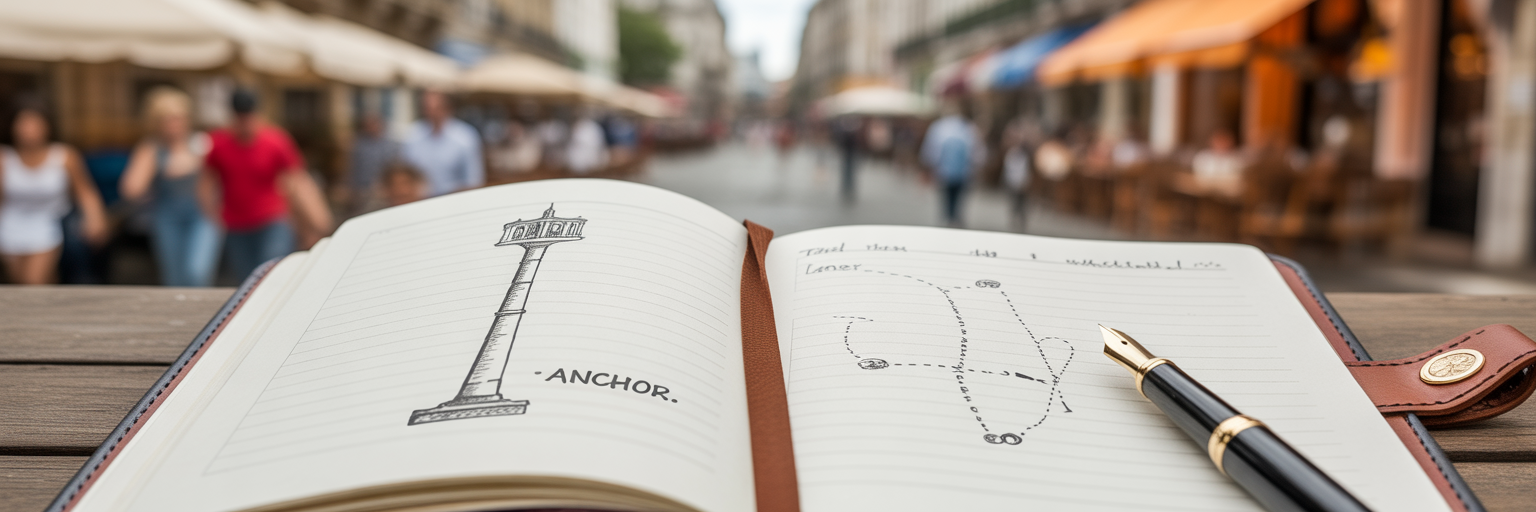
When it comes to itinerary planning, groups often fall into one of two traps. The first is the overly rigid, minute-by-minute schedule that maps out every second of the day. It leaves no room for discovery and can make the vacation feel like a military operation. The second is the complete lack of a plan, which leads to an hour of indecisive wandering every time the group needs to make a choice, wasting precious vacation time. Both of these extremes are among the most common group travel problems, leading to either frustration or missed opportunities. The sweet spot lies in a balance between structure and freedom.
The ‘Anchor and Flex’ Method
One of the most effective group travel planning tips is the ‘Anchor and Flex’ method. This technique provides the perfect balance. For each day of your trip, you plan one key ‘anchor’ activity. This is the main event of the day, something that often requires pre-booking or has a fixed time, like a museum ticket, a major hike, or a dinner reservation. This anchor provides a central point of structure for the day. The hours surrounding this anchor are the ‘flex’ time. This is when the group is free to be spontaneous. You can wander through a neighbourhood you discovered on the way to the museum or grab a drink at a cafe that caught your eye. This method ensures you hit your key sights while leaving ample room for the magic of spontaneous discovery.
Creating a ‘Plan B’ for Key Moments
Even the best-laid plans can be disrupted. What happens if it rains on the day you planned to visit the park? What if the highly recommended restaurant loses your reservation? A small hiccup can cause major stress if you do not have a backup. This is where creating a ‘Plan B’ for your anchor activities becomes a trip-saver. Before you leave, do a little extra research. Find an interesting indoor museum near the park or identify a second great restaurant in the same neighbourhood. Having a pre-vetted backup option ready to go allows the group to pivot smoothly without panic or a lengthy debate. It turns a potential disaster into a minor change of plans. Whether you’re trying to coordinate activities in a major city or a smaller town, having a flexible plan is crucial. Our city guides can help you identify potential ‘anchor’ activities and ‘Plan B’ options.
Embracing Serendipity as Part of the Adventure
Technology can be a great ally in flexible planning. Encourage everyone in the group to use a shared Google Maps list. As people come across interesting cafes, shops, or viewpoints during their own research, they can drop a pin on the shared map. This creates a collaborative pool of ideas that the group can draw from during their ‘flex’ time. If you find yourselves with a free hour, you can simply open the map and see what interesting pins are nearby. Ultimately, the key is to foster a mindset that embraces serendipity. Reframe unexpected detours not as failures of planning, but as opportunities for discovery. Sometimes the best travel memories come from the moments you did not plan at all.
Challenge 5: Untangling Complex Logistics
The ‘big three’ of travel logistics—accommodation, transportation, and dining—become exponentially more complex with a group. Finding a place to stay that satisfies everyone’s budget and comfort level, figuring out how to move a large group around a city efficiently, and getting a table for eight at a popular restaurant are significant hurdles. These logistical challenges require proactive planning. Leaving them to the last minute is a recipe for stress, overspending, and settling for subpar options that please no one.
Choosing the Right Accommodation
The first major decision is where to stay. The choice often comes down to a large rental house versus multiple hotel rooms. A single Airbnb or VRBO offers fantastic communal spaces like a living room and kitchen, which are perfect for group bonding and can save money on meals. However, this often means shared bathrooms and less privacy. Booking several hotel rooms provides more personal space and privacy, along with amenities like daily housekeeping. The right choice depends on your group’s priorities. Regardless of which you choose, location is paramount. Check the accommodation’s proximity to public transport and your planned ‘anchor’ activities. A cheap rental on the outskirts of town is no bargain if you spend half your budget and time on transportation. This is true whether you are in a sprawling city or a more contained area like the one we explored in Baytown, Texas.
Coordinating Group Transportation
Once you have your home base, you need to figure out how to get around. For intra-city travel, research group transit passes, which can offer significant savings over individual tickets. For shorter distances, XL ride-sharing services or booking two regular-sized cars can be more cost-effective and convenient than trying to navigate public transport with a large group. For day trips or travel between cities, do the maths. While trains can be scenic, renting a large van for the day might be cheaper and offer far more flexibility, allowing you to make spontaneous stops along the way. The key is to research these options in advance, as last-minute transportation is always more expensive and stressful.
Solving the Group Dining Dilemma
The dreaded “where should we eat?” debate, shouted over the noise of a busy street, has strained many friendships. For any group larger than four, walking into a restaurant without a reservation is a gamble. The solution is simple but non-negotiable: make reservations. For every dinner, and even for popular lunch spots, book a table in advance. To avoid the debate itself, the trip planner can pre-vet a list of three or four restaurants that are known to accommodate large parties and fit the group’s budget and taste. You can then present this short list to the group for a quick vote. This turns a potentially contentious hour-long argument into a simple, two-minute decision. It respects everyone’s time and ensures you spend your evenings enjoying great food, not searching for it.
Harmonizing Your Next Group Adventure

Successfully planning a group trip is not about achieving perfection. It is about replacing chaos with clarity and frustration with fun. By proactively addressing the most common challenges, you lay the groundwork for a truly memorable shared experience. The strategies we have discussed are not just theories; they are practical tools to put in your planning toolkit. Let us recap the core principles for easy recall:
- Financial Transparency: Create a shared budget before the trip begins and use technology to track expenses in real time.
- Centralized Communication: Establish a single source of truth for all important information to eliminate confusion.
- Balanced Expectations: Use the ‘Must-Do’ exercise to ensure everyone feels heard and build in structured free time.
- Flexible Planning: Employ the ‘Anchor and Flex’ method to balance key activities with spontaneous discovery.
- Proactive Logistics: Book accommodation, transportation, and especially dinner reservations well in advance.
Beyond these strategies, the final and most crucial element is the right mindset. The goal is not a flawless trip free of any mishaps. Small imperfections are inevitable. A missed train, a rainy day, a less-than-stellar meal—these are not failures. They are part of the adventure and often become the funniest stories later. Encourage your group to embrace imperfection and find the humour in the unexpected.
Consider adding one final step to your process: a post-trip debrief. This is not a forum for complaints, but a chance to share photos, laugh about your favourite moments, and constructively discuss what worked well. What was the best decision you made as a group? What would you do differently next time? This turns every trip into a valuable learning experience, making the next adventure even better. You are now equipped with the knowledge to master how to plan a group trip. It is a rewarding skill that transforms logistical headaches into lasting bonds and cherished memories.
With these strategies, you are ready to plan an unforgettable journey. When you are ready to explore your next destination, When In Your City has the guides to help you get started.