The success of a group trip is rarely measured by the number of sights seen. Instead, it’s judged by the harmony maintained among friends or family who hold vastly different ideas of what a holiday should be. One person’s dream of a sunrise hike is another’s nightmare, while a full day by the pool can feel like a wasted opportunity to someone else. This fundamental tension is the quiet challenge that can make or break a shared vacation.
The Core Challenge of Group Travel Dynamics
Before any tickets are booked or bags are packed, the central conflict of group travel is already present. It’s the silent tug-of-war between the desire for thrilling new experiences and the deep-seated need for rest. Understanding this dynamic is the first step toward planning a trip that feels fulfilling for everyone, not just the person with the most detailed spreadsheet or the loudest voice.
Understanding the Adventure-Relaxation Spectrum
The choice isn’t a simple one between adventure and relaxation. Most travellers exist on a spectrum. One person might be a 70/30 adventurer, needing mostly action with a few quiet moments, while another is a 30/70 relaxer who prefers a slow pace with one or two planned outings. The friction in group travel arises when these individual preferences are treated as an all-or-nothing choice. Recognising that everyone has a unique setting on this spectrum helps reframe the planning process from a battle of wills to a puzzle of accommodation.
Common Pitfalls of Unbalanced Itineraries
When a trip leans too heavily in one direction, the cracks begin to show. We can all picture the quiet resentment that builds when one person is dragged on a 6 AM hike after a late night. Or the palpable boredom of an adventure-seeker stuck in a cafe for the third hour. These unbalanced itineraries create a trip of two halves: one part of the group feels overstimulated and exhausted, while the other feels underwhelmed and restless. This is the core issue of managing different travel styles. The trip becomes a series of compromises where no one feels truly satisfied, and the shared experience is tainted by unspoken frustrations.
The Psychological Benefits of a Balanced Trip
Conversely, a trip that successfully weaves together moments of high energy and genuine downtime creates a richer tapestry of memories. The shared thrill of discovering a hidden waterfall is amplified when followed by a quiet afternoon where everyone can recharge in their own way. These trips foster stronger bonds because they honour both collective experiences and individual needs. People return home not just with photos, but with a sense of being seen and respected by their travel companions. The variety itself becomes a highlight, offering a more holistic and satisfying story to tell.
Setting the Stage for a Group ‘Win’
The goal of balancing group travel is not to find a perfect, one-size-fits-all compromise that secretly pleases no one. It is to design a collaborative experience where the combination of different energies creates something better than what any single person could have planned alone. It’s about creating a framework where a morning of solo exploration makes the evening’s group dinner more vibrant, as everyone brings fresh stories to the table. This approach transforms the planner’s role from a stressed-out negotiator to a facilitator of a collective win.
Designing a Flexible and Inclusive Itinerary

With the core challenge understood, the focus shifts to the practical architecture of the trip plan. A successful group vacation is built on a foundation of clear communication and intentional flexibility long before anyone leaves for the airport. This pre-trip phase is where you can design a structure that prevents most conflicts from ever arising. It’s less about creating a rigid schedule and more about building a resilient framework that can absorb the different energies and desires of the group.
Establishing a ‘Trip Manifesto’ Before Booking
Before you even look at flights, gather the group to create a ‘Trip Manifesto’. This is a simple, one-sentence statement that defines the primary purpose of the trip. Is it “to celebrate a milestone birthday with a mix of adventure and social relaxation”? Or is it “to disconnect from work and recharge in nature with minimal stress”? This manifesto becomes your North Star. Whenever a decision becomes contentious later on, you can return to this shared goal. It aligns everyone’s core expectations and ensures you are all trying to build the same vacation.
The ‘Anchor and Flex’ Planning Method
The most effective strategy for how to plan a group trip is the ‘Anchor and Flex’ method. Instead of planning every hour, you identify a few ‘Anchor’ activities, which are the non-negotiable, pre-agreed group moments. These could be a celebratory dinner, a full-day tour, or a specific show. These anchors provide the trip with structure and guarantee shared highlights. The rest of the time is designated as ‘Flex’ time. This is intentionally unscheduled space for individuals or smaller groups to pursue their own interests, whether that’s napping by the pool, visiting a niche museum, or going for a run. For inspiration on what ‘Anchor’ activities might appeal to everyone, exploring our comprehensive city guides can reveal must-see landmarks and unique local experiences.
Surveying Preferences to Avoid Guesswork
Stop guessing what people want. Use simple, free polling tools like Doodle or a WhatsApp poll to gather data on preferences before you plan. Ask everyone to rank their interest in different types of activities (e.g., hiking, museums, shopping, beach time) on a scale of 1 to 5. You can also ask about their ideal daily budget and wake-up times. This data-driven approach depersonalizes decision-making and gives the planner a clear picture of the group’s collective desires. As travel experts at Voyaige note, addressing differing preferences upfront is crucial for preventing conflicts, especially around daily schedules and activity intensity.
Appointing a Facilitator, Not a Dictator
The person leading the planning should see themselves as a ‘facilitator’, not a ‘dictator’. Their job is not to impose their dream vacation on everyone else but to execute the collective will of the group, as defined by the manifesto and the preference surveys. This mindset shift is critical. A facilitator listens, presents options, and helps the group come to a consensus. A dictator makes unilateral decisions that breed resentment. By acting as a facilitator, the planner earns the trust of the group and ensures everyone feels a sense of ownership over the trip.
Considering Group Size for Optimal Balance
The size of your group dramatically affects its agility. A duo or trio can make decisions on the fly, but a group of ten requires more structure. The ‘Anchor and Flex’ method works for any size, but the ratio of anchors to flex time may need to change. Larger groups benefit from more flex time and a pre-curated ‘menu’ of optional activities to prevent decision paralysis. As Voyaige also points out, smaller groups of four to six are often the sweet spot, as they are large enough for dynamic social interactions but small enough to remain nimble. These are essential group trip planning tips that can make a significant difference in the overall experience.
| Component | Description | Example (5-Day Trip to a Coastal City) | Goal |
|---|---|---|---|
| Trip Manifesto | A shared statement defining the trip’s primary goal. | ‘To celebrate a milestone birthday by blending coastal exploration with relaxing social time.’ | Aligns core expectations. |
| Anchor Activities | 2-3 pre-agreed, must-do group activities. | Day 2: Full-day boat tour. Day 4: Celebratory group dinner at a specific restaurant. | Provides structure and shared highlights. |
| Flex Time | Intentionally unscheduled blocks of time. | Mornings before 11 AM; all of Day 3; afternoons after 3 PM. | Allows for spontaneity and individual needs. |
| Optional ‘Menus’ | A list of suggested activities for Flex Time. | ‘Options for Day 3: solo beach time, small group hike, or exploring the old town market.’ | Prevents indecision while maintaining freedom. |
This table illustrates how the ‘Anchor and Flex’ method provides a clear yet adaptable structure for a group trip. The examples are based on a hypothetical 5-day trip, showing how to balance committed group events with personal freedom.
Choosing Destinations and Accommodations that Foster Balance
Your planning framework is only as good as the environment you place it in. The choice of destination and lodging is not just a backdrop for your trip; it is an active participant that can either support or sabotage your efforts to create balance. Selecting a place with inherent variety and accommodation that allows for both privacy and community is a strategic decision that pays dividends throughout the vacation.
Selecting a Destination with Built-in Variety
The most critical filter for your group vacation ideas is the destination itself. Some locations are specialists, built around a single activity like skiing or a remote beach. These can be challenging for groups with diverse interests. Instead, look for destinations with built-in variety. A city like Bangkok, for example, offers a natural blend of bustling markets, serene temples, world-class food, and relaxing spas. This variety makes it easier to build an itinerary that caters to different energy levels. A deep dive into a guide for a place like Bryan, Texas, can reveal a surprising mix of historic sites, parks, and local eateries, helping you build a balanced plan. You can find more information by exploring our guide to Bryan, Texas.
The ‘Central Hub’ Accommodation Strategy
Where you stay within a destination matters immensely. The ‘Central Hub’ strategy involves choosing accommodation that is centrally located and has excellent access to transport. This minimizes travel friction, which is a common source of group stress. When your hotel or rental is in a walkable neighbourhood with easy access to public transit, it empowers people to split off for a few hours without a complicated logistical plan. They can easily explore on their own and reconvene with the group later. This simple choice makes ‘Flex Time’ far more practical and appealing.
Evaluating Accommodation Types for Group Needs
Different lodging types serve different group dynamics. A large rental home or villa is excellent for fostering communal bonding. It provides a private common area where the group can cook together, play games, or just hang out, which is often more relaxing and affordable than meeting at bars or restaurants. It also allows for natural downtime, as someone can retreat to their room to read while others socialize. A resort, on the other hand, offers built-in amenities like pools, restaurants, and organised activities, which takes the pressure off the planner. A city hotel provides convenience, concierge support for booking tours, and the independence of separate rooms.
Prioritizing Amenities that Encourage Relaxation
When vetting accommodation, look beyond the number of beds. Certain amenities act as effortless invitations to relax. A balcony with a view, a comfortable and spacious common area, or a swimming pool can become the heart of the group’s downtime. These features create easy, low-effort opportunities for people to unwind together or alone without having to go anywhere. A well-equipped kitchen can turn a simple breakfast into a relaxed group ritual. These seemingly small details can have an outsized impact on the overall mood of the trip, providing natural spaces for the group to decompress between adventures.
Navigating Group Dynamics During the Trip
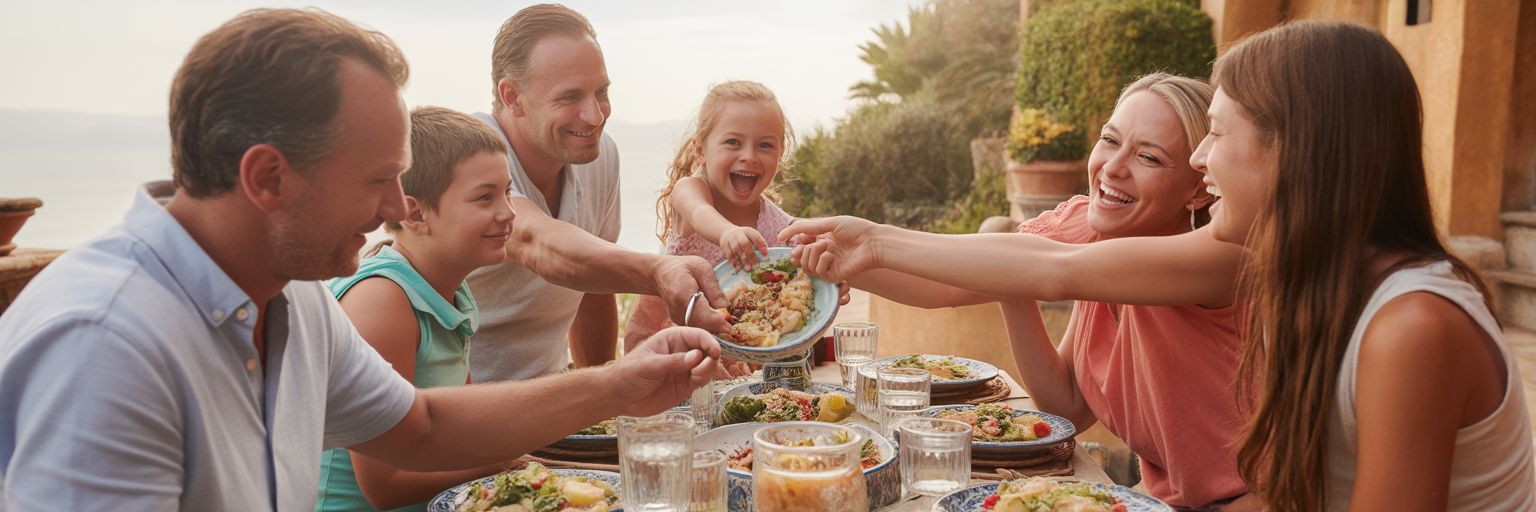
No amount of pre-trip planning can account for the spontaneous, real-time dynamics of a group on the ground. Once the trip is underway, the focus must shift from structural planning to fluid, day-to-day management. This is where you maintain the balance you worked so hard to create. The key is not to enforce a rigid plan but to use simple tools and a flexible mindset to adapt to the group’s changing energy levels and moods gracefully.
Implementing Daily Check-ins
Start each day with a brief, informal check-in, perhaps over coffee. This isn’t a formal meeting but a quick pulse check. Ask questions like, “How is everyone’s energy level today?” or “What’s one thing you’d be excited to do today if you had a free hour?” This simple ritual takes less than ten minutes but provides invaluable information. It allows you to make small, proactive adjustments to the day’s plan, heading off potential fatigue or restlessness before it becomes a problem. It also gives quieter members of the group a regular opportunity to voice their needs.
Using Technology for Seamless Communication
Establish a single channel for all group communication, such as a WhatsApp or Telegram group. This becomes the central hub for all logistics: sharing locations, confirming dinner times, or posting photos. This is essential for coordinating when people split up, sharing locations, or making spontaneous plans. As noted by the group travel platform SquadTrip, a central communication channel is critical for preventing miscommunication and making it easy to manage logistics without constant meetings. It ensures that even when the group is physically apart, everyone remains connected and informed, reducing the anxiety of coordination.
Embracing the ‘Split and Conquer’ Mentality
One of the most important mindset shifts for successful group travel is to reframe splitting up as a positive strategy, not a failure of group cohesion. Actively encourage it. When half the group wants to visit an art gallery and the other half wants to go to the beach, the best solution is to “split and conquer.” This allows everyone to do what they genuinely enjoy, which means they will return to the group feeling energized and satisfied. This approach maximizes happiness and ensures that the time spent together is of a higher quality because no one feels like they are being held hostage by the itinerary.
Conflict Resolution on the Fly
Even with the best planning, disagreements can happen. The key is to have a simple, agreed-upon process for resolving them quickly and without drama. Avoid letting minor issues fester. Instead, use a few straightforward techniques to find a path forward.
- Pause and Breathe: When a disagreement arises, take a 5-minute break. This prevents immediate emotional reactions and allows for clearer thinking.
- Use ‘I’ Statements: Encourage everyone to express their feelings from their own perspective (e.g., ‘I’m feeling a bit worn out for another museum’) rather than making accusations (‘You are dragging us to too many places’).
- Reference the Manifesto: Gently remind the group of the primary goal agreed upon in the ‘Trip Manifesto.’ Does the decision align with that shared goal?
- Take a Quick Poll: For low-stakes decisions (e.g., which restaurant to choose), use a quick, informal vote. The majority wins, and the group agrees to move on without resentment.
- Find the Third Option: If the group is split between Option A and Option B, brainstorm a completely different Option C that might satisfy everyone’s underlying needs (e.g., instead of a museum or the beach, find a relaxing cafe in a historic square).
The Art of the ‘Flex Day’ and Empowering Solo Time
While flexible time is woven throughout the ‘Anchor and Flex’ model, dedicating an entire day to freedom is a powerful tool for resetting group dynamics. The ‘Flex Day’ is more than just a gap in the schedule; it is a deliberate celebration of individual autonomy. Mastering the art of this day, and empowering group members to embrace solo time, can be the secret to maintaining harmony on longer trips and ensuring everyone returns home feeling genuinely refreshed.
Defining and Scheduling the ‘Flex Day’
A ‘Flex Day’ is a 24-hour period with zero mandatory group activities. It is a scheduled ‘reset button’ placed strategically in the middle of the trip, often after a particularly demanding ‘Anchor’ activity. Its purpose is to relieve the pressure of group decision-making and give everyone the space to cater to their own needs, whether that means sleeping in, going on a solo adventure, or catching up on emails. By explicitly scheduling this day, you give everyone permission to be selfish for a little while, which paradoxically makes them more generous and engaged during group time.
Providing a ‘Menu of Options’ for the Flex Day
The biggest challenge of a ‘Flex Day’ can be decision paralysis. To counter this, the planner can prepare a ‘Menu of Options’. This is not a schedule, but a curated list of suggestions for solo or small-group activities, tailored to the different interests within the group. This simple document empowers people to make the most of their free time without the stress of last-minute research. For ideas, you can explore a wide range of activities and hidden gems on When In Your City, which can help you build a list of potential solo adventures.
- For the Relaxation-Seeker: Spend the afternoon at a historic thermal bath or find a quiet cafe in the old town square to read.
- For the Culture Vulture: Visit the niche modern art museum that wasn’t on the main group itinerary or take a self-guided audio tour of a historic neighborhood.
- For the Adventurer: Rent a bike and explore the city’s riverfront paths or take a local train to a nearby hiking trail.
- For the Foodie: Join a short, 2-hour cooking class focused on a local dish or spend the morning exploring a famous food market.
- For the Shopper: Explore the independent boutiques in a trendy district or hunt for souvenirs at a flea market.
Overcoming the Guilt of Splitting Up
For some groups, there can be an unspoken guilt associated with splitting up, or a fear of missing out (FOMO) on a spontaneous group activity. It is crucial to address this head-on. Frame solo time as a healthy and necessary part of the trip. Explain that it is a way for everyone to recharge their social batteries so they can be more present and engaged when the group is together. Using phrases like, “Let’s all go have our own little adventures and we can share stories at dinner,” turns solo time into a positive, shared goal rather than a sign of division.
The ‘Reconvene Ritual’
The ‘Flex Day’ should always end with a ‘Reconvene Ritual’. This is a planned, low-key group gathering at the end of the day, such as drinks at sunset or a casual dinner. This ritual serves two important purposes. First, it provides a clear endpoint to the solo time, ensuring the group comes back together. Second, it creates a dedicated space for everyone to share the stories of their day. The person who relaxed by the pool gets to hear about the hike, and the museum-goer learns about the cool market someone else discovered. This ritual reinforces the group bond and turns a day of individual pursuits into a source of new, shared stories.
Merging Mindfulness with High-Thrill Activities

True balance on a trip isn’t just found by alternating between a packed day and a free day. It can also be discovered within the activities themselves. By introducing a layer of mindfulness to your travels, you can transform how the group experiences both adventure and relaxation. This approach moves beyond logistics and into a deeper travel philosophy, showing that these two forces are not opposites to be balanced, but partners that can enrich one another.
The Concept of ‘Mindful Adventure’
The idea of adventure and relaxation travel can be integrated into a single experience. Inspired by insights from Wellbeing Magazine, the concept of ‘mindful adventure’ suggests that being fully present during high-energy activities enhances the experience and prevents burnout. It’s about noticing the details during a fast-paced city walk, feeling the air during a zip-line, or truly tasting the food at a bustling market. This isn’t about slowing down the adventure; it’s about turning up your awareness. By encouraging the group to engage their senses, you can make even the most thrilling activity feel more grounding and less draining.
Bookending Adventure with Calm
A practical way to implement this is through ‘bookending’. This technique involves scheduling short, quiet moments of transition before and after a big activity. For example, before heading out for a chaotic day of sightseeing, you could have the group spend five minutes quietly sipping tea and looking at the day’s map. After returning from a strenuous hike, you could schedule 30 minutes of quiet time for everyone to shower and decompress before dinner. These small buffers help the group mentally transition between different energy states, preventing the jarring feeling of lurching from one intense experience to the next.
Incorporating Sensory Awareness into Activities
You can actively guide the group to practice mindfulness during activities. This doesn’t need to be a formal meditation session. It can be as simple as suggesting a ‘sensory snapshot’. While walking through a vibrant market, you might say, “Let’s pause for 30 seconds. What are three things you can see, two things you can hear, and one thing you can smell?” This simple exercise pulls everyone into the present moment, creating a richer and more vivid memory of the experience. It helps transform a potentially overwhelming activity into a collection of fascinating details, making it more enjoyable for both the adventurers and the relaxers in the group.
Using Relaxation as a Tool for Better Adventure
Here is a counterintuitive truth: proper relaxation is not the enemy of adventure, but its most important fuel. A well-rested group is a safer, more resilient, and more enthusiastic group. When people are properly rested, their decision-making improves, their physical stamina increases, and their ability to handle unexpected challenges is greater. By framing relaxation this way, you can help the adventure-seekers in your group see the value of downtime. It’s not about ‘wasting’ a day by the pool; it’s about investing in the quality of tomorrow’s big hike or dive. This symbiotic relationship is the essence of a truly balanced trip, where rest makes adventure better, and adventure makes rest more deserved.
Post-Trip Debriefs for Smarter Group Travel
The trip may be over, but the travel cycle is not yet complete. The final phase, often overlooked, is the post-trip debrief. This is not about assigning blame or critiquing the vacation. Instead, it is a forward-looking conversation designed to capture what worked and turn the lessons from one trip into a blueprint for the next. This simple practice transforms your group from amateur travellers into a smart, self-aware unit that gets better with every journey.
The Value of a Post-Trip Conversation
A week or two after returning, when the glow of the trip is still present but the stress has faded, schedule a casual conversation. This can be over dinner, a video call, or just a group chat. The goal is to create a positive, open space to reflect on the experience. This conversation validates everyone’s experience, celebrates the shared memories, and provides invaluable feedback for the next planner. It turns the trip into a learning experience, ensuring that future travels are even more attuned to the group’s unique dynamic.
Asking the Right Questions
The quality of your debrief depends on the questions you ask. Avoid generic queries like, “Did you have a good time?” Instead, use specific, constructive questions that encourage thoughtful responses. Consider asking:
- What was one moment where you felt perfectly adventurous?
- What was one moment where you felt perfectly relaxed?
- What was your favourite ‘Anchor’ activity, and why?
- How did the ‘Flex Time’ work for you?
- What is one thing we should absolutely do again on our next trip?
- Is there one thing we should do differently next time?
These questions focus on positive experiences and constructive improvements, keeping the conversation forward-looking and collaborative.
Creating a ‘Group Travel Playbook’
The ultimate output of your debrief should be a ‘Group Travel Playbook’. This can be a simple shared document, like a Google Doc or a note in your group chat. In it, you can record the key takeaways. For example: “Sarah loves having mornings free,” “We all agree that one big activity per day is our limit,” or “A central apartment works much better for us than separate hotel rooms.” This playbook becomes a living document, a collective memory of your group’s travel preferences. It makes planning the next trip exponentially easier, as you are no longer starting from scratch.
Celebrating the Shared Experience
Ultimately, the purpose of group travel is to create lasting memories and strengthen bonds. The debrief is the final act of that process. It is a moment to laugh about what went wrong, reminisce about the highlights, and appreciate the effort everyone put into making the trip a success. It closes the experience on a high note and naturally builds excitement for the future. With your new playbook in hand, the planning for your next group adventure will be smoother than ever. You can start exploring destinations now, perhaps by checking out what San Angelo has to offer.