The End of the Impersonal Tour: A New Era of Connection
For decades, the success of a group trip was measured by the number of landmarks visited. A packed itinerary was a badge of honour. Today, a new metric has emerged: the depth of the connections forged along the way. We have collectively realised that the most vivid memories are not of monuments seen through a bus window, but of shared laughter over a meal or a moment of mutual discovery.
This shift marks the rise of what many in the industry now call communal travel. As highlighted in a recent analysis by Viral Voyage, this approach prioritises shared human experience over passive sightseeing. It moves away from the traditional group tour model, which often felt like a checklist. Rigid schedules, surface-level interactions, and a constant sense of being herded from one photo opportunity to the next could leave travellers feeling like spectators in their own adventure. The feeling was familiar: you were part of a crowd, yet fundamentally alone.
The modern traveller seeks something more. The psychology behind this is simple. Collaborative activities create what researchers call ‘peak moments’, powerful collective memories that are far more fulfilling than solitary experiences. When a group overcomes a small challenge or creates something together, the bond formed is immediate and genuine. These communal travel experiences transform a collection of individuals into a cohesive unit.
For today’s trip planner, the itinerary is no longer just a schedule. It is a tool designed to build a temporary, supportive community. The goal is to intentionally craft moments that encourage interaction, vulnerability, and teamwork. It is about designing a journey where the spaces between the big sights are just as important as the sights themselves.
Ultimately, the success of modern group travel is not measured by a photo album full of landmarks, but by the quality of the bonds that last long after the suitcases are unpacked. The real souvenir is the shared story, the inside joke, the feeling of having belonged to something special, even for a short time. The following sections explore exactly how to architect these moments.
Culinary Experiences That Dissolve Social Barriers
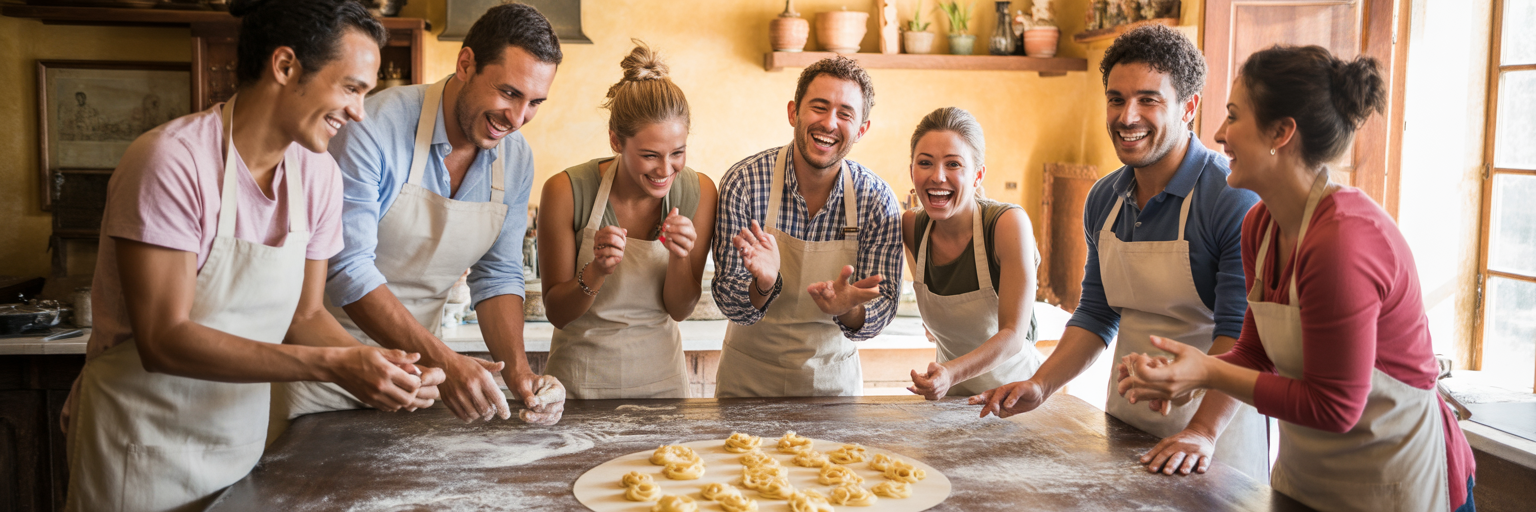
There is a reason why so many cultures place the dinner table at the centre of social life. Food is a universal language, an immediate bridge between strangers. Integrating collaborative culinary activities into an itinerary is one of the most reliable methods for dissolving social barriers and building genuine camaraderie. It moves people from polite small talk to shared, hands-on engagement.
Consider a hands-on cooking class. Making paella in Valencia or rolling sushi in Tokyo is about more than just learning a recipe. It is the teamwork of chopping vegetables, the shared laughter when someone’s sushi roll falls apart, and the collective pride in the final meal. These moments of lighthearted, low-stakes collaboration break down the formal walls that often exist at the start of a trip. The focus shifts from individual performance to a shared, delicious goal.
Even a simple food market tour can be transformed into a dynamic social event. Instead of a passive tasting tour, imagine a scavenger hunt for ingredients. Small teams are tasked with finding specific local products, forcing them to collaborate, navigate, and interact with vendors. This simple twist turns a standard tour into one of the most fun group itinerary ideas, sparking friendly competition and encouraging communication.
The setting for meals is just as important as the food itself. A progressive dinner within the travel accommodation, where different small groups prepare a course in their rooms, creates an intimate and relaxed atmosphere. It empowers travellers to share dishes and stories in a way that a formal restaurant setting cannot. This is far more personal than everyone staring at their own menu.
The dining format itself can either encourage or inhibit conversation. Think about the difference between a table filled with large, family-style platters and a table where everyone receives an individual à la carte order. The act of passing dishes, discussing the different flavours, and coordinating what to try next naturally stimulates interaction. A street food crawl, where the group samples and shares various bites, achieves the same effect. It turns a meal into an active, shared exploration rather than a quiet, individual refuelling stop.
By weaving these activities into the trip, you are not just feeding the group. You are providing the ingredients for connection, creating a foundation of shared experience that strengthens the group dynamic for the rest of the journey.
Building Bonds Through Creative and Cultural Immersion
Beyond food, active participation in a destination’s culture through creative expression offers another powerful pathway to connection. When a group creates something tangible together, the shared process forges a unique and lasting memory. These are not passive museum visits; they are hands-on workshops that invite travellers to become part of the local artistic tradition.
These group travel bonding activities turn sightseeing into ‘sight-doing’, grounding the travel experience in a memorable, physical act. Imagine the variety of workshops that can be woven into an itinerary:
- A pottery workshop in Japan, where the quiet focus of the potter’s wheel encourages a different kind of group presence. Each person leaves with a unique, personal souvenir that is tied to a collective memory.
- A traditional textile weaving class in a Peruvian village, connecting the group not only to each other but to an ancient craft passed down through generations. The intricate patterns become a shared language.
- A mosaic-making session in Morocco, where individual tiles contributed by each member come together to form a larger, shared design. It is a perfect metaphor for the group itself.
This appreciation for local craftsmanship and design can extend beyond the workshop. It fosters a deeper respect for the artistry in other local products, like the unique story told by the grain and joinery in vintage and contemporary furniture that reflects a region’s heritage.
Learning a new physical skill as a group also builds powerful bonds. A salsa class in Colombia or a Balinese dance lesson requires a degree of vulnerability and mutual support. There is an unspoken trust that forms when people are willing to look a little clumsy together, guided by laughter and encouragement. It is in these moments of shared imperfection that genuine connections are often made.
Participatory art projects, like painting a small community mural with a local artist or joining a drumming circle, take this a step further. These activities require collaboration, listening, and reacting to one another in real time. Success is not about prior skill but about collective rhythm and harmony. For a truly profound experience, intimate storytelling sessions with local elders or artisans can transform a trip. This is not a lecture; it is a dialogue that offers a window into the soul of a place, creating a shared emotional touchstone for the group.
Forging Unity with Adventure and Outdoor Teamwork
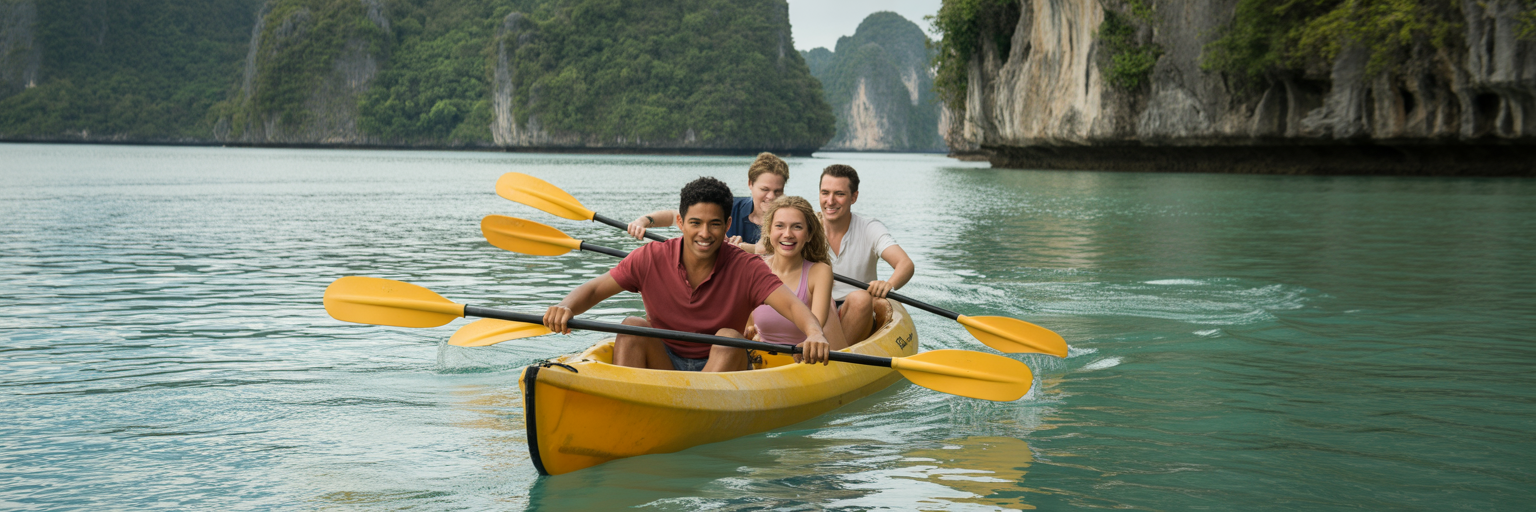
While creative immersion builds cultural connection, shared physical challenges in the outdoors build a different, more primal kind of unity. Overcoming an obstacle as a team, big or small, is a powerful formula for camaraderie. The trust built while navigating a river or reaching a summit is immediate and tangible, creating a bond that is forged in mutual reliance.
The key is to choose collaborative adventures where success depends on teamwork. In a multi-person kayak or a whitewater raft, every paddle in the water matters. Participants must synchronise their efforts and communicate clearly to navigate currents and obstacles. This shared responsibility quickly turns a group of individuals into a functioning crew. The high-fives at the end are not just for finishing; they are for succeeding together.
Even a simple group hike can be a profound bonding experience if it has a clear, rewarding goal. The journey to a remote waterfall or a sunrise viewpoint becomes a narrative of mutual encouragement. The faster walkers learn to pace themselves, while others are motivated by the group’s support. The shared silence while watching the sunrise, after a pre-dawn trek, is a collective reward that needs no words.
To inject a dose of playful competition, location-based scavenger hunts are incredibly effective. Designing one in a city like San Angelo, for example, is made richer by using a resource like a detailed local guide to find the right landmarks and hidden spots. This requires small teams to solve clues, interact with the community, and navigate unfamiliar streets, fostering both internal group collaboration and external engagement.
It is important to remember that not all adventure needs to be high-adrenaline. Low-stakes team games like beach volleyball, frisbee, or a round of pétanque in a park provide unstructured social time. These activities offer a relaxed way to enjoy a destination while engaging in friendly competition, allowing personalities to shine outside of a structured tour format.
Crucially, the adventure must be matched to the group’s collective ability. The goal is shared challenge, not extreme sport. An activity that is too difficult for even one member can create anxiety and division, defeating the purpose. The aim is to find that sweet spot where the challenge is engaging enough to require teamwork but accessible enough for everyone to participate fully and feel a sense of accomplishment.
Architecting Itineraries for True Inclusivity
A truly successful group trip is one where every single person feels seen, valued, and comfortable. This does not happen by accident. It is the result of proactive, thoughtful planning. An inclusive itinerary is the foundation of a positive group dynamic, preventing the small fractures that can grow into trip-ruining divisions. It is about anticipating needs before they become problems.
First, you must plan for a spectrum of physical abilities. Instead of a single, demanding five-hour hike, offer tiered options. A challenging trail for the avid hikers and a scenic, gentle walking path for others, both leading to the same beautiful viewpoint. This allows everyone to participate at their own pace without feeling left behind or held back. It acknowledges that ‘adventure’ means different things to different people.
Similarly, you must cater to a variety of interests. A trip focused solely on historical museums will alienate the nature lovers, while one packed with only high-adrenaline sports will exhaust those seeking relaxation. When planning for a new area, using resources like comprehensive city guides helps you discover a mix of activities. This allows you to balance history, art, food, and adventure, ensuring there is something for everyone.
Respecting different social energies is also critical. We all know that feeling of being ‘on’ all day. An itinerary packed with mandatory group events from morning until night is a recipe for burnout, especially for introverts who need time to recharge. Build in optional evening gatherings and scheduled blocks of downtime. Designating a quiet reading corner in the accommodation can be a small but powerful gesture.
The best way to plan for these needs is to ask. Simple, anonymous pre-trip surveys are invaluable. Use them to gather preferences on everything from dietary restrictions and physical limitations to personal interests. This data allows you to make informed decisions and demonstrates that you care about individual comfort. Offering ‘choice-based’ activity slots is one of the most effective inclusive group travel ideas. For an afternoon, provide two or three distinct options, like a gallery visit, a market tour, or simply free time. This empowers people to follow their interests and form smaller, like-minded groups, enriching their experience.
| Consideration | Problematic Approach (Old Model) | Inclusive Solution (New Model) |
|---|---|---|
| Physical Ability | One-size-fits-all physical activities. | Offering tiered options (e.g., long/short hikes). |
| Social Energy | Mandatory group events from morning to night. | Scheduling planned downtime and optional gatherings. |
| Personal Interests | A single-track itinerary (e.g., all historical sites). | Choice-based slots with diverse options (art, food, sports). |
| Dietary Needs | Assuming standard meal options will suffice. | Collecting dietary restrictions via pre-trip surveys. |
| Budget | Including expensive, mandatory add-ons. | Offering a mix of free and paid optional activities. |
This table contrasts outdated, rigid planning with modern, inclusive strategies. It serves as a quick-reference guide for planners to ensure their itineraries cater to the diverse needs of the entire group.
The Art of Balancing Structure and Spontaneity
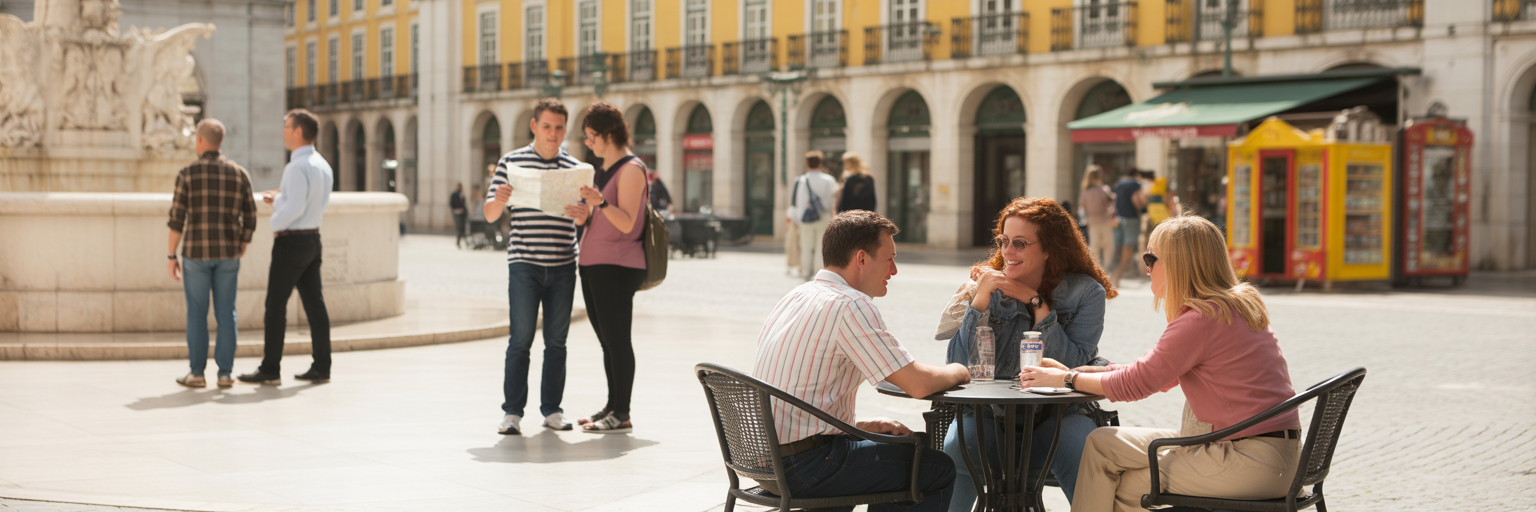
One of the most common complaints from group travellers is burnout from an over-scheduled itinerary. The feeling of being rushed from one activity to the next can stifle the joy of discovery. The most memorable trips are not the ones that are planned down to the minute, but those that provide a strong framework while leaving room for the unexpected. The art lies in mastering ‘structured spontaneity’.
Structured spontaneity is the principle of intentionally scheduling blocks of free time to allow for personal exploration. It is a deliberate choice to cede control, empowering travellers to follow their own curiosity. This is not about abandoning the group; it is about giving them the freedom to make the trip their own. A great way to manage this is with the ‘Hub and Spoke’ model.
Here is how it works: you designate a central, easy-to-find location, like a café or a park, as the ‘hub’ for a set period, perhaps three hours. Travellers are then free to venture out on their own or in small groups along their own ‘spokes’ of interest. They can explore a nearby shop, visit a small gallery, or simply sit and people-watch, knowing exactly where and when to reconvene. This model provides both freedom and security.
During this free time, your role shifts from director to curator. Instead of dictating, you guide by providing a curated list of suggestions. For example, a traveller exploring a new town might use a resource like an honest guide to Conroe, Texas, to find authentic spots off the beaten path. Your suggestions could be framed as: ‘For the art lover, check out this small gallery on Oak Street,’ or ‘For the foodie, the bakery on the corner is famous for its pastries.’ This helps people make informed choices without feeling pressured.
The bonding benefit of this approach is often overlooked. When the group reconvenes for dinner, they are not just rehashing the same shared experience. They are buzzing with new stories to share about their individual adventures. The person who discovered a hidden bookstore has a story for the person who found the best gelato. This cross-pollination of experiences enriches the group conversation and makes the shared evening meal far more dynamic.
A perfectly balanced day might look like this:
- Morning: A structured group activity, like a guided cultural tour, to create a shared foundation for the day.
- Afternoon: A three-hour block of ‘Hub and Spoke’ free time with curated suggestions, allowing for personal discovery.
- Evening: A communal group dinner where everyone can share stories from their individual afternoon adventures.
This balance ensures the trip feels both communal and deeply personal, respecting the traveller’s need for both connection and autonomy.
Uniting a Group Through a Shared Purpose
While all the strategies discussed help build connection, the most powerful foundation for group unity is a shared purpose established from the very beginning. When a group is united by a common goal, the community is already half-built before the trip even starts. The ‘getting to know you’ phase is accelerated because a mutual interest already exists.
This purpose serves as a trip-long icebreaker, giving immediate context and meaning to every interaction. Consider a volunteer trip focused on a marine conservation project. The shared work and passion for the environment create an instant bond. Or think of a wellness retreat centred on yoga and meditation; participants are already connected by a desire for growth and reflection. A trip for photography enthusiasts to capture the Northern Lights unites them in a quest for a singular, breathtaking moment.
These are just a few examples of social activities for group travel that are rooted in a collective mission. The shared purpose becomes the central theme of the journey, turning every conversation and activity into a step toward a common objective.
While not every trip will have a single, overarching theme, the principle remains the same. The ultimate goal is to select activities that create a sense of shared purpose, even on a smaller scale. By doing so, you transform a simple vacation into a cohesive and memorable journey where everyone feels like they are part of something meaningful.