The Evolving Definition of Solo Exploration
The last decade has seen a remarkable rise in solo travel, with more people than ever choosing to explore the world on their own terms. Yet, as this movement has matured, so has its definition. The classic image of the lone backpacker, completely detached and self-reliant, is giving way to a more nuanced and intentional approach to independent travel. The journey is no longer defined by solitude but by the quality of the experiences and connections made along the way.
From Solitude to Social: The New Solo Traveler
A new term has emerged to capture this shift: solo social travel. This concept describes a traveler who deeply values their independence but also actively seeks moments of community and shared discovery. It is not a contradiction but a conscious choice. These travelers are not setting out alone because they want to be lonely. They are setting out to build a journey that is uniquely theirs, and that includes choosing who they share parts of it with.
This shift is so pronounced that industry observers have coined the term ‘solo social travel’ to describe this new hybrid approach, a trend highlighted by Parade as a defining characteristic of modern exploration. It reflects a desire for the best of both worlds: the freedom to wander at your own pace and the joy of sharing a laugh over dinner with new friends. It is about having the autonomy to spend an afternoon reading in a quiet park and then joining a group to witness a spectacular sunset. The modern solo traveler is a curator of their own experience, and community is one of the most valuable elements they can choose to include.
The Paradox of the Independent Group Traveler
This brings us to a question that many independent travelers ask: why would someone who cherishes freedom ever consider a group trip? The very idea can feel like a compromise, a surrender of the autonomy that makes solo travel so appealing. We picture rigid schedules, forced small talk, and being herded from one tourist trap to another. But this perception is rooted in an outdated model of travel.
Instead of viewing it as a compromise, consider it a strategic enhancement. Modern group trips for solo travelers are not designed to restrict freedom but to augment the solo experience. They are built to add layers of connection, safety, and access that are often difficult, if not impossible, for an individual to achieve alone. The goal is not to diminish the core solo journey but to provide a framework that makes it richer, deeper, and more memorable. The following benefits explore how this paradox resolves itself, turning a perceived limitation into a powerful tool for exploration.
Benefit 1: Fostering Authentic Human Connections
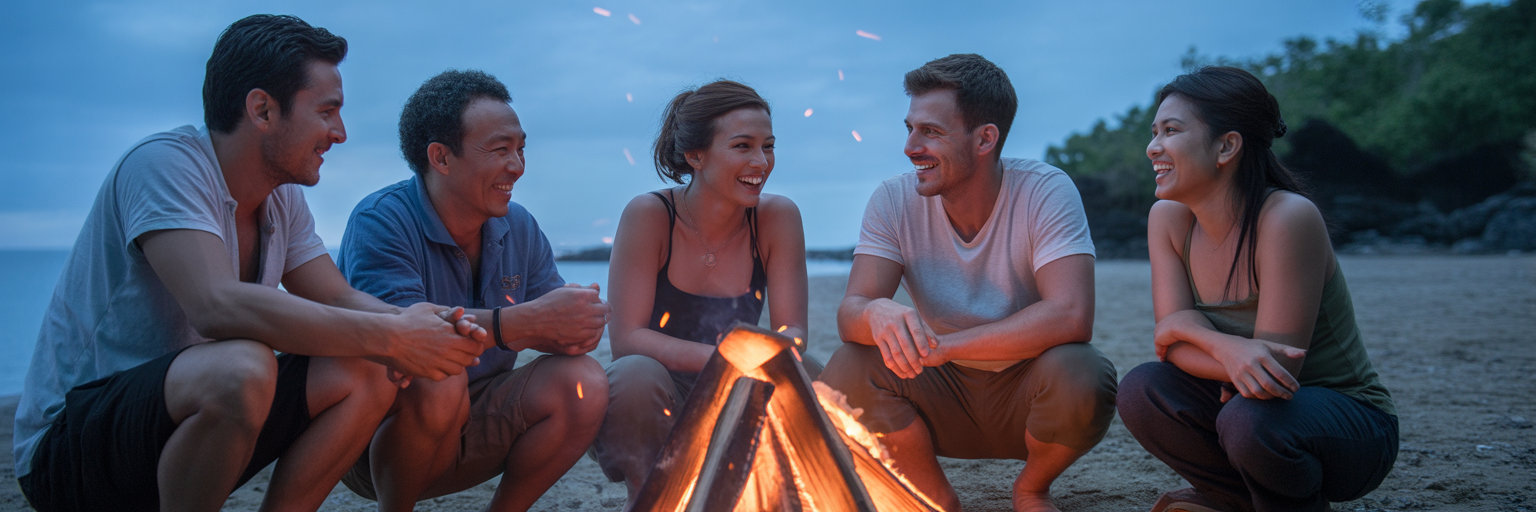
One of the most rewarding aspects of travel is the people you meet, yet forging genuine connections on the road can be unpredictable. It often involves a string of superficial conversations in hostel common rooms or bars, which can leave you feeling more isolated than connected. Curated group trips offer a powerful alternative by intentionally designing an environment where authentic relationships can flourish.
Curated Communities Over Superficial Encounters
Imagine joining a trip built around a shared passion, whether it is food, photography, or trekking through remote landscapes. The group itself acts as a natural filter, bringing together individuals who already have a significant interest in common. This shared foundation allows you to bypass the exhausting small talk and move directly to more meaningful conversations. The bond that forms when you and a fellow traveler both marvel at the same intricate detail in a historic building or laugh at a shared mistake while learning to cook a local dish is immediate and strong.
This is the core of a thriving solo travel community. It is not about being surrounded by people, but about being surrounded by your kind of people. The hit-or-miss nature of meeting others while traveling alone is replaced by an organic sense of community. The shared challenges and triumphs of the journey, from navigating a bustling market to completing a difficult hike, create a powerful foundation for friendships that feel earned and genuine.
The Amplifying Power of Shared Discovery
There is a unique psychology at play when we share an experience. Witnessing a breathtaking view alone is a profound moment, but sharing it with others can amplify its impact tenfold. The collective gasp at a sudden vista, the shared silence watching a sunset, or the group cheer upon reaching a summit transforms a personal memory into a collective one. This shared emotion becomes part of the memory itself, making it richer and more vivid.
For long-term solo travelers, this can be a powerful antidote to the occasional loneliness that can surface on the road. While solitude is often a desired part of the journey, constant solitude can drain the joy from an experience. Having a built-in community to share these peak moments with ensures that the emotional highs of travel are not experienced in a vacuum. It is the difference between thinking, “Wow, this is amazing,” and turning to someone to say, “Can you believe we are seeing this?”
Building a Lasting Global Network
Perhaps the most significant outcome of these connections is that they rarely end when the trip does. The intense bonding that occurs over a week or two of shared adventure often evolves into a lasting global network of friends. That person you shared a raft with in Costa Rica becomes your host when you visit their city a year later. The group chat from your trip to Morocco remains active for years, a source of travel inspiration, advice, and support.
This transforms a single vacation into an ongoing community that spans the globe. For the solo social traveler, this is an invaluable asset. It means that future travels are never truly “solo” again, in the sense of being completely without a network. You now have a community of trusted, like-minded individuals you can reach out to, whether for a place to stay, a local recommendation, or simply to share the excitement of planning your next adventure. This lasting network is one of the most profound and enduring benefits of embracing a group experience.
Benefit 2: Gaining Access to Exclusive Opportunities
Every solo traveler has faced it: that moment you discover an incredible experience only to find it is logistically complex or financially out of reach for one person. Whether it is chartering a boat, booking a private guide for a remote area, or getting a table at an exclusive restaurant, many of the most unique opportunities are designed for groups. This is where the practical power of a group trip becomes undeniable.
Overcoming Logistical and Financial Barriers
Traveling with a curated group dismantles these barriers. The collective buying power and shared logistics turn previously unattainable experiences into the centerpiece of the itinerary. The research, negotiation, and coordination that would take a solo traveler weeks to organize are handled seamlessly. Suddenly, experiences that were once just a daydream become your reality. Consider the types of activities that become instantly accessible:
- Chartering a private catamaran to explore secluded coves and islands that public ferries do not service.
- Securing a private cooking class with a renowned local chef in their own home, an experience not available to the general public.
- Hiring a top-tier expert guide and support team for a multi-day trek into a protected national park.
- Gaining access to a members-only cultural event or a local festival through the connections of your trip leader.
The Power of Collective Buying
The principle at work here is simple economies of scale. The cost of renting an entire villa, hiring a private vehicle, or booking a unique tour is prohibitive for one person. When split between a small group, however, these luxury and curated travel experiences become not only affordable but a central part of the trip’s value. The tour company leverages its relationships and buying power to secure rates and access that an individual could never achieve on their own.
This is not about finding “deals” in the traditional sense. It is about unlocking a higher tier of experience. You are not just saving money; you are investing in a more immersive and unique journey. The financial advantage allows the itinerary to be filled with moments that would otherwise be budget-breaking splurges, creating a trip that is far richer and more memorable than what the same budget could afford for a solo traveler.
Beyond Activities: Unique Stays and Insider Access
The benefits of access extend far beyond daily activities. It can fundamentally change where you sleep and who you meet. Forget standard hotel rooms. Group buying power can open the doors to incredible accommodations like a historic private villa in Tuscany, a remote eco-lodge in the Amazon, or a fully staffed riad in Marrakech. These places are experiences in themselves, offering a sense of place and immersion that a conventional hotel cannot match.
Furthermore, the most valuable access often comes through the trip leader. A great leader is more than a logistical coordinator; they are a local connector. Their personal relationships in the destination are the key to unlocking truly unique, behind-the-scenes moments. This could mean an impromptu invitation to a family dinner, a private tour of an artisan’s workshop, or a conversation with a community elder. These are the unscripted, priceless moments of connection that a solo traveler might hope for but can rarely plan. In a well-run group trip, they are an intentional part of the design.
Benefit 3: Strengthening Confidence Through Shared Security
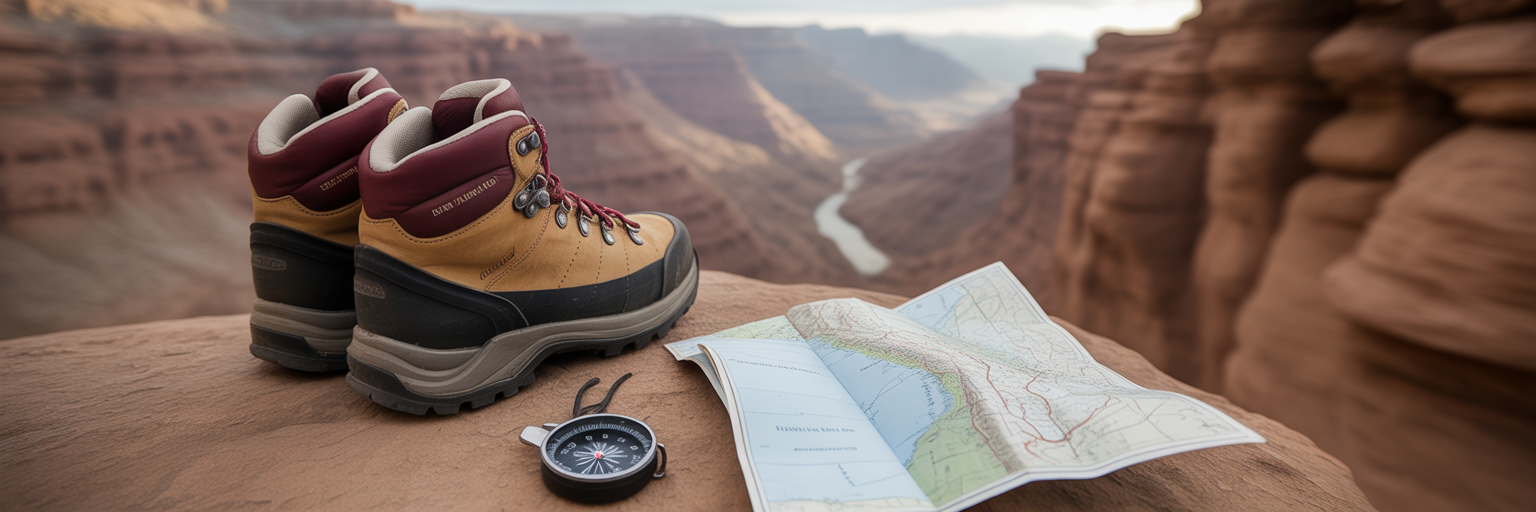
Traveling solo is empowering, but it also comes with a significant mental load. The constant need for vigilance, the pressure of making every decision, and the low-level anxiety of navigating an unfamiliar environment alone can be exhausting. This is particularly true for those considering safe solo travel for women or embarking on their first independent adventure. A group structure provides a powerful sense of security that does more than just protect; it liberates.
Reducing the Mental Load of Solo Navigation
Think about all the mental energy you expend when traveling alone: double-checking directions, figuring out public transport, finding safe and reputable places to eat, and staying constantly aware of your surroundings and belongings. While this self-reliance is a skill, it consumes a finite resource. When you are worried about getting back to your hotel safely after dark, it is harder to be fully present and enjoy your evening.
A group trip drastically reduces this mental load. Key logistics like transport and accommodation are vetted and arranged. You have a trusted guide to lead the way. This frees up an enormous amount of mental and emotional energy, allowing you to redirect your focus from the mundane tasks of self-preservation to the joy of discovery. You can relax, observe, and immerse yourself in the experience without the constant hum of anxiety in the background.
The Emotional and Logistical Safety Net
The security provided by a group is more than just “safety in numbers.” It is a comprehensive emotional and logistical safety net. If you get sick, there is a trip leader to help you find a doctor and group members to check in on you. If your wallet is stolen, you are not alone in a foreign country trying to figure out the next steps. If you simply feel overwhelmed or homesick, there is a supportive community to lean on.
This safety net removes many of the “what if” scenarios that can cause anxiety for solo travelers. Knowing that a support system is in place allows you to travel with greater peace of mind. It is the difference between facing a challenge alone and facing it with a team at your back. This sense of shared responsibility is one of the most underrated yet powerful benefits of group travel.
How Security Empowers Adventurousness
Counterintuitively, this framework of security does not create dependence; it fosters boldness. When you feel safe, you are more willing to step outside your comfort zone. The group structure acts as a springboard, empowering you to be more adventurous than you might be on your own. You might be more inclined to try that intimidating street food, practice your language skills with a local vendor, or explore a neighborhood at night, knowing you have the group to return to.
This security allows you to take healthier risks. Instead of worrying about personal safety, your decisions become about personal growth. The table below illustrates how a solo-social group structure can alleviate common stressors, freeing you up to have a more enriching experience.
| Consideration | Pure Solo Travel | Solo-Social Group Travel |
|---|---|---|
| Navigation & Logistics | Constant self-reliance for transport, directions, and bookings. | Key logistics are pre-arranged; local guide provides navigation. |
| Personal Safety | Heightened vigilance, especially at night or in unfamiliar areas. | Inherent safety in numbers; vetted accommodations and transport. |
| Decision Fatigue | Responsible for every choice, from meals to daily activities. | Major decisions are curated, freeing mental space for enjoyment. |
| Emergency Support | Must self-manage illness, theft, or other crises. | Designated trip leader and group members provide immediate support. |
| Social Pressure | Pressure to initiate all social interactions, which can be draining. | Built-in community for interaction when desired. |
Benefit 4: Mastering the Balance of Independence and Togetherness
For many independent travelers, the biggest hesitation about group travel is the fear of losing freedom. The thought of being tied to a rigid, one-size-fits-all schedule is the exact opposite of what they seek. This concern is valid, but it is based on an outdated myth. Modern group trips for solo travelers are designed specifically to address this fear, mastering a delicate and rewarding balance between structure and independence.
Debunking the Myth of the Rigid Itinerary
Let’s be direct: the era of the inflexible, follow-the-flag bus tour is over, at least for the kinds of trips we are discussing. Contemporary group trips for solo travelers are intentionally designed with flexibility at their core. The best companies understand that their clients are independent people who want a framework, not a cage. Itineraries are thoughtfully crafted to include a mix of essential group activities and significant blocks of unstructured “free time.”
This is a critical differentiator. The schedule might include a guided tour of a historic site in the morning, followed by an entire afternoon left open for personal exploration. This design acknowledges that the best travel moments are often the spontaneous ones. It gives you the structure to see the must-see sights without the stress of planning, and then the freedom to get lost, discover a hidden cafe, or simply relax.
The Group as a ‘Home Base’ for Exploration
A powerful way to reframe the group’s role is to see it not as a constraint, but as a “home base” or a “launchpad.” It provides a secure, social foundation from which you can embark on your own mini-adventures. You have the comfort of a pre-arranged meeting point for dinner, a shared ride back to the hotel, and a group of friends eager to hear about your discoveries. This security makes your independent explorations even more enjoyable.
This free time is where you can truly personalize your journey and is one of the core benefits of group travel for the independent-minded. While the group is visiting a major museum, you might choose to explore the local street art scene instead. This freedom allows you to chase your own curiosity, whether that means spending an afternoon in a museum or taking a short trip to experience the local vibe in a place like Temple, Texas. On another day, one could use a free day to independently explore a smaller, nearby town. Getting a feel for a place like Bryan, Texas, offers a different perspective than a large city, and this kind of personal side-quest is a hallmark of modern group travel.
Designing Your Hybrid Travel Style
The ideal experience is a fluid hybrid of group and solo styles. It is important to acknowledge that not all companies master this balance. When researching potential trips, you must become a discerning customer. Ask to see a detailed day-by-day itinerary and pay close attention to how much free time is built in. Read reviews specifically looking for comments on the pace of travel and the level of flexibility.
This hybrid approach also applies to your overall travel strategy. You might use a group trip to confidently explore a challenging destination for the first time, and then extend your stay for a week of pure solo travel afterwards. You could even use a free afternoon to research your next solo adventure, perhaps looking into city guides for future destinations. The point is to see group travel as one tool in your toolkit, to be used strategically to create the perfect journey for you.
Benefit 5: Achieving Deeper Cultural Immersion
There is a common assumption that to truly immerse yourself in a culture, you must be alone. The image is of the solitary traveler, sitting in a local cafe, blending in seamlessly. While this can happen, it is equally likely that a solo traveler remains on the surface, observing from a distance without ever gaining real context. Counterintuitively, a well-designed group trip can lead to a much deeper and more nuanced cultural understanding.
The Collective Lens: Seeing More Together
When you travel alone, you see the world through a single lens: your own. Your perceptions are shaped by your personal interests, biases, and what you happen to notice. In a group, you benefit from a collective lens. The group acts as a multiplier of awareness. Different people notice different things, and sharing these observations enriches everyone’s experience.
During a walk through a busy market, the architect in your group might point out the unique construction of the buildings. The foodie might notice a local fruit you would have walked right past. The history buff might connect a street name to a historical event. The conversations that follow these shared observations create a multi-layered understanding of the place that is far richer than what any single person could achieve on their own.
The Invaluable Role of the Local Guide
This is perhaps the single most important factor in achieving deep immersion on a group tour. A quality trip will always include an expert local guide, and their value cannot be overstated. A guidebook can give you facts, but a local guide gives you stories, context, and perspective. They are a cultural translator, bridging the gap between you and the place you are visiting.
A great guide can explain the subtle social cues you might otherwise misinterpret. They can answer your “why” questions: Why are the doors painted this color? Why is this dish only served on a certain day? They can also facilitate authentic interactions, introducing you to artisans, shopkeepers, and friends in a way that feels natural and respectful. This turns you from a passive tourist into an engaged guest.
From Observation to Understanding Through Shared Processing
Immersion is not just about what you see; it is about how you process it. One of the most powerful and often overlooked aspects of group travel is the “debrief.” At the end of a day filled with new sights, sounds, and experiences, sitting down for a meal with your fellow travelers provides a crucial opportunity for shared processing. Hearing different interpretations of the same experience deepens your own understanding.
Someone might have had a conversation that sheds new light on something you all witnessed. Another might have a question that makes everyone think about the day in a new way. This collective reflection turns simple observation into genuine insight. Furthermore, a small, friendly group led by a trusted guide is often seen as more approachable by locals than a lone tourist, who can sometimes appear intimidating or unapproachable. This can break down barriers and lead to the very spontaneous, authentic interactions that every traveler craves.
Designing Your Perfect Solo-Social Journey
Embracing the solo-social travel style is about making intentional choices to craft a journey that is uniquely yours. It means moving beyond the outdated “solo versus group” debate and instead asking how you can leverage the best of both worlds. By now, the benefits are clear: a group can provide authentic connection, exclusive access, confidence-building security, a perfect balance of freedom, and deeper cultural immersion. The final step is to put this knowledge into action.
This requires a shift in mindset. You are the architect of your adventure. Your task is to vet potential curated travel experiences with the same care you would use to plan a solo trip. To find the right fit, you need to ask the right questions, both of yourself and of the travel companies you consider. Here is a practical checklist to guide your search:
- What is the maximum group size? Smaller groups (typically under 16) allow for better connection, more flexibility, and greater access.
- What is the typical age range and travel style of the group? Look for a company that attracts like-minded travelers. Are they focused on adventure, luxury, or cultural deep dives?
- How much structured free time is included in the itinerary? Ask for a detailed day-by-day schedule and scrutinize it. A good balance is key.
- What is the activity level? Be honest with yourself about your physical fitness and ensure it aligns with the trip’s demands.
- What are the qualifications of the trip leader or local guide? Are they local? What is their expertise? Their quality is paramount to the experience.
- What is included in the price, and what are the expected out-of-pocket costs? Understand the full financial picture to avoid surprises.
The ultimate goal is to build a travel life that feels authentic to you. This might mean a group trip to India, followed by a month of solo backpacking through Southeast Asia, and then a weekend city break with a friend. There are no rules. The essence of solo social travel is the freedom to choose: when to be independent, when to seek community, and how to combine them to create something truly extraordinary. Exploring different destinations on your own terms is the first step in any great adventure.