The idea of group travel often brings to mind a whirlwind of iconic sights and instant camaraderie. It represents a trade-off, exchanging some personal autonomy for the convenience of a planned journey and the safety of a group. Understanding this balance from the start is the first step toward a truly memorable first experience.
Setting Expectations for Your First Group Tour
Before you even look at a brochure, the most important preparation happens in your mind. Calibrating your expectations is not about lowering them, but about aligning them with the reality of a shared adventure. This prevents the small bumps in the road from feeling like major roadblocks and allows you to appreciate the journey for what it is.
Understanding the Group Travel Model
A group tour is a structured experience. Think of it less like an impromptu road trip with friends and more like a curated expedition where the path is largely set. The logistics, from transport to accommodation, are handled for you, freeing you up to focus on the destination. These tours come in many flavours, each catering to a different travel style. Some focus on high-energy adventure, like trekking through mountains, while others offer deep cultural immersion in a single region. Others still are designed purely for relaxation, with minimal movement and maximum downtime.
The Balanced View of Traveling with a Group
The benefits of group travel are compelling. You get the expertise of a guide, safety in numbers, and an instant social circle, which is a huge plus for solo travelers. The stress of navigating foreign transit systems or finding reputable hotels simply disappears. However, it’s just as important to acknowledge the other side of the coin. The pace is fixed, meaning you can’t linger for an extra hour at a museum that captivates you. Your daily schedule has less room for spontaneity, and sharing space with a dozen new personalities can sometimes lead to social friction. Acknowledging both sides helps you understand what to expect on a group tour and decide if the trade-offs work for you.
Defining Your Personal Travel Goals Before Booking
The perfect tour for one person could be a nightmare for another. Before you commit, take a moment for honest self-reflection. What do you truly want from this trip? Answering these questions will guide you to an experience that aligns with your desires, not just a destination that looks good on social media.
- Am I seeking adrenaline and constant activity, or do I need rest and relaxation?
- Is my main goal to see famous landmarks, or do I want to immerse myself in local culture?
- How important is free time and independence to me on a daily basis?
- Am I looking to make new friends or do I simply want the security of a group?
The Role and Limits of a Tour Leader
Your tour leader is a vital part of the experience. They are your guide, your cultural interpreter, and your primary problem solver for group issues. They are there to ensure the itinerary runs smoothly and to provide context that brings a destination to life. However, it is crucial to understand they are not a personal concierge. They manage the needs of the entire group, not just one individual. Building a respectful and positive relationship with your guide is one of the best first group travel tips; their local knowledge and passion can transform a good trip into a great one. When they see you are engaged and respectful, they are often more willing to share those hidden gems that are not on the official schedule.
Choosing the Right Group Tour for You
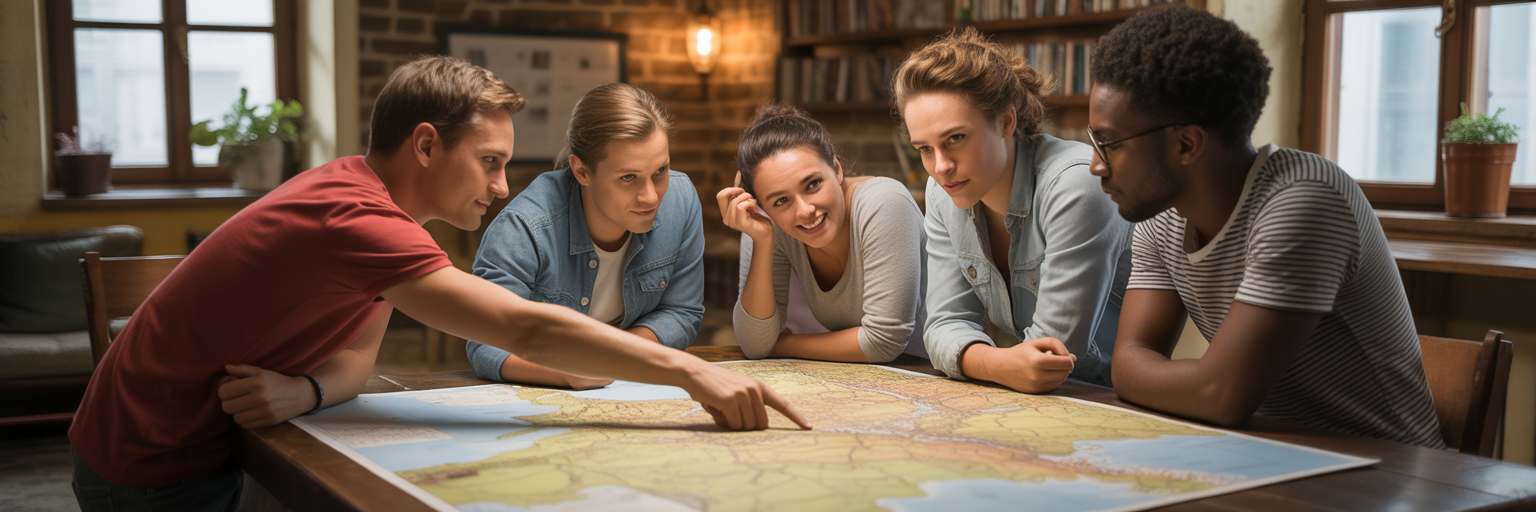
With your expectations set and personal goals defined, you can move from the abstract to the practical. The selection process is about more than just picking a destination; it is about finding a trip whose structure, pace, and social environment match the answers you just uncovered about yourself. This is where your research pays off, ensuring the tour you book is the one you actually want to be on.
Matching the Tour Style to Your Personality
Tour companies design trips with specific travelers in mind. A fast-paced, multi-city tour is built for someone who wants to see the highlights efficiently, while a cultural immersion trip is for the person who prefers to spend a week truly understanding one place. Understanding these core differences is key to avoiding a mismatch between your travel style and the tour’s design.
| Tour Style | Pace & Itinerary | Accommodation Style | Typical Group Size | Best For |
|---|---|---|---|---|
| Fast-Paced Multi-City | Packed schedule, many locations | Hotels, often changing daily | Medium to Large (20-50) | Travelers who want to see highlights quickly |
| Adventure/Trekking | Physically demanding, activity-focused | Guesthouses, camping, basic lodges | Small (8-16) | Active individuals seeking challenges |
| Cultural Immersion | Slower pace, in-depth experiences | Homestays, local hotels, boutique inns | Small to Medium (10-20) | Curious travelers wanting authentic connection |
| Relaxation/Resort-Based | Minimal travel, high flexibility | Single resort or cruise ship | Varies widely | Those prioritizing rest and leisure |
This table provides a general framework; always check the specific details of any tour you consider.
Decoding the Itinerary and Activity Level
Look past the glossy photos and read the detailed itinerary with a critical eye. How many hours are listed as “travel time” on a bus? When an activity is listed as “optional,” what is the additional cost? These details reveal the true nature of the tour. Pay close attention to the physical rating. A “moderate” hike can mean a gentle two-hour walk to one company and a steep four-hour climb to another. If you are unsure, call the company and ask for specifics. It is better to clarify now than to find yourself on a trek you are not prepared for.
Investigating the Tour Company’s Reputation and Niche
A tour company’s website will always show glowing testimonials. To get the real story, search for reviews on third-party platforms like TripAdvisor or independent travel blogs. More importantly, investigate the company’s niche. Who are they trying to attract? A tour designed for “18-to-Thirtysomethings” will likely have a faster pace, more nightlife, and budget accommodations. This is a critical piece of information for group travel for solo travelers seeking companions with similar interests and energy levels. Conversely, a company catering to “50+ adventurers” will prioritize comfort, cultural depth, and a more relaxed schedule.
Why Group Size and Demographics Matter
The size of your group fundamentally shapes the social experience. A small group of twelve can feel like a family, offering flexibility and intimate access to sites. A large coach tour of fifty people provides more anonymity and a wider variety of people to meet, but can be less nimble. Tour companies usually list the maximum group size in the trip details or FAQ section. This information helps you envision the day-to-day reality of the trip. When planning how to use your free time, comprehensive online resources can be invaluable. For instance, you can find detailed city guides on websites like When In Your City that help you explore like a local, turning a few free hours into a memorable experience.
Essential Pre-Trip Preparations
Once your tour is booked, the focus shifts to the tangible steps that ensure a smooth journey. This stage is about more than just packing a suitcase; it is about preparing yourself practically and mentally for the unique environment of a group setting. Thoughtful preparation can make the difference between simply surviving the trip and truly thriving in it.
Packing Strategically for a Group Setting
The advice to “pack light” takes on new meaning in a group context. You are not just packing for yourself; you are packing for shared spaces. Limited luggage room on a bus, potentially small hotel rooms, and the need to be mobile mean every item counts. Focus on versatility and practicality.
- Versatile clothing layers are essential. They allow you to adapt to changing weather and ensure you are dressed appropriately for more conservative cultural sites.
- A universal power adapter and a portable power bank are non-negotiable. Outlets can be scarce, and you do not want to be the person hogging the only one.
- Pack a small, personal first-aid kit with your own essentials like pain relievers, blister plasters, and any personal medications.
- Earplugs and an eye mask are your best friends in shared accommodations or on noisy transport.
- Consider a small, shareable item like a deck of cards. It takes up almost no space and can be a fantastic icebreaker during downtime.
Researching Beyond the Provided Itinerary
The tour company provides the framework, but your own research fills in the vibrant details. This proactive learning transforms you from a passive tourist into an engaged explorer. Your free afternoons are golden opportunities. Instead of wandering aimlessly, having a few ideas in your back pocket allows you to dive deeper into the local culture. A resource like a guide to experiencing Conroe, Texas, for example, can help you discover a hidden coffee shop or a local park that is not on any tourist map.
Setting a Realistic Budget for Additional Expenses
The upfront cost of a tour is rarely the final price. Being aware of the common additional expenses is a key part of how to prepare for a group tour and avoids financial stress on the road. Be sure to account for these often-overlooked costs.
Common Additional Expenses on a Group Tour:
- Optional Activities: Often, the most exciting excursions like hot air balloon rides or cooking classes are not included. Budget for at least one or two.
- Meals: Check exactly how many meals are included. You will likely be paying for many of your own lunches, dinners, and snacks.
- Tips: Factor in tips for your main tour leader, local guides, and drivers. Research the typical amounts for your destination beforehand.
- Souvenirs & Personal Shopping: Set a separate, dedicated fund for this so it does not eat into your food or activity budget.
- Laundry: On any trip longer than a week, this becomes a necessary and often overlooked expense.
- Evening Drinks/Socializing: The cost of drinks with your new friends can add up quickly if you are not mindful.
Adopting the Right Mindset for Shared Experiences
The final and most important piece of preparation is a mental one. Before you even leave your house, make a conscious decision to be patient, flexible, and open-minded. Things will not always go exactly as planned. A bus might be late, a restaurant might be closed, or the weather might not cooperate. Viewing these moments as part of the adventure, rather than as problems, is a choice. This mindset is the foundation upon which a positive group experience is built.
Mastering On-Tour Social Dynamics
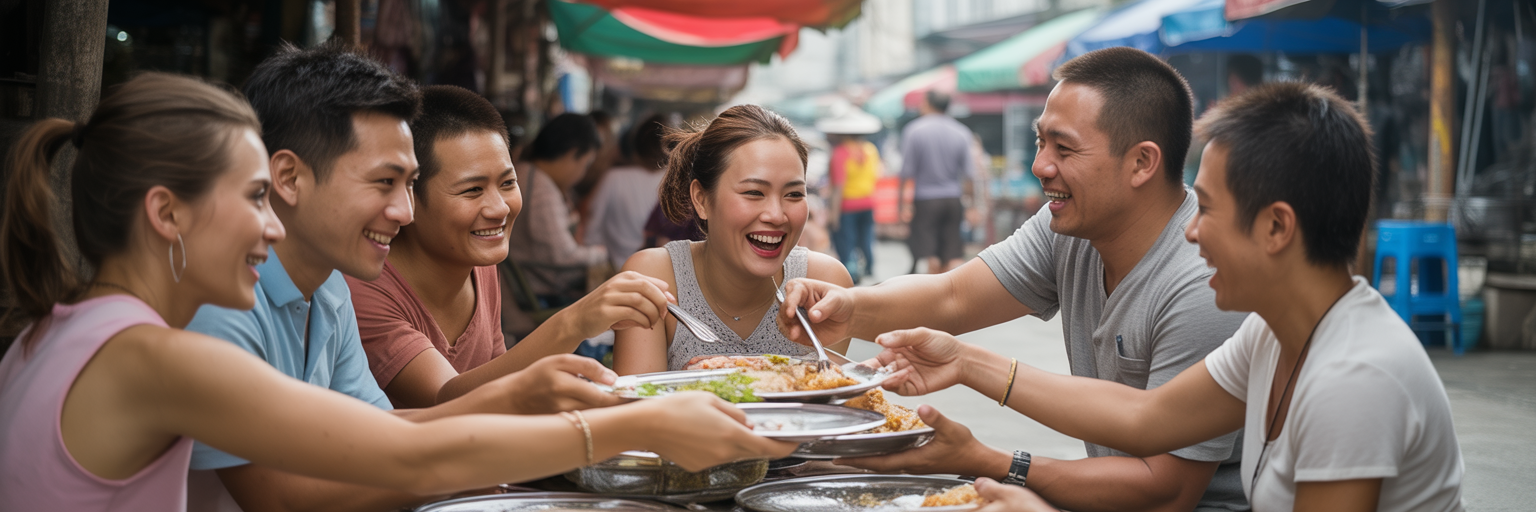
You have done the research and packed your bags. Now, you are on the ground, surrounded by new faces. The social element is at the heart of the group travel experience, and navigating it successfully is a skill. It is about finding the balance between being yourself and being a considerate member of a temporary community, a process that is key to managing group travel dynamics.
Making a Positive First Impression
The first 24 hours of a tour set the tone for the entire trip. Making a small effort at the beginning can build a foundation of goodwill that lasts for weeks. You do not need to be the life of the party, but being approachable and open makes a world of difference.
- Make an effort to learn at least three new names on the first day. Using someone’s name shows you are paying attention.
- Ask open-ended questions. Instead of the standard “Where are you from?”, try “What are you most excited about on this trip?” It invites a more meaningful conversation.
- Share a snack on the bus or offer to help someone with their luggage. Small acts of kindness are universally appreciated.
- Maintain open, approachable body language. Uncross your arms, make eye contact, and offer a simple smile.
Navigating a Mix of Personalities and Cultures
Every group is a microcosm of the world, filled with different communication styles, energy levels, and cultural backgrounds. You will meet introverts and extroverts, planners and free spirits. The key is not to expect everyone to be like you, but to appreciate the diversity. Successfully navigating these dynamics often comes down to proactive engagement. As travel experts at Culture Trip advise, actively participating in planned activities and communicating openly are fundamental to forging connections and ensuring your preferences are considered. This approach helps build a positive atmosphere from the start.
The Art of Compromise in Group Decisions
While the main itinerary is set, there will be countless small group decisions to make during free time. Where should we go for dinner? Should we visit this market or that museum? This is where the art of compromise comes in. It is not about always getting your way, nor is it about silently going along with everything. It is about constructive communication. Instead of a flat “no” to a restaurant suggestion, try phrasing it differently: “That is a good option! I also saw a place with great reviews for local seafood, would anyone be interested in that, or should we stick to the plan?” This shows flexibility while still voicing your preference in a way that invites collaboration.
Active Participation and Inclusivity
You chose a group tour for a reason, so embrace it. Show up for the planned activities, engage with the local guides, and participate in the experience. Your enthusiasm is contagious and contributes to the overall energy of the group. But participation is a two-way street. Being an inclusive member of the group means creating space for others. Do not dominate conversations. Actively listen when others are speaking. If you notice someone is quiet or being left out, extend a gentle invitation. A simple question like, “Sarah, you mentioned you were interested in history, what do you think of this place?” can make someone feel seen and valued. This is one of the most powerful first group travel tips for creating a truly cohesive and supportive group.
Balancing Group Activities and Personal Time
Constant social interaction, even when it is positive, can be draining. One of the most overlooked skills in group travel is knowing when to step back and recharge. Protecting your personal time is not antisocial; it is a necessary strategy for staying engaged and positive for the duration of the trip. Finding this balance ensures you have the energy to be present for both the group and yourself.
Recognizing the Need for Solitude
After a few days of shared meals, long bus rides, and constant conversation, it is completely normal to crave some time alone. Acknowledging this need is the first step. Your social battery is like your phone’s, it needs to be recharged to function effectively. Taking an hour to read a book, listen to music, or simply sit in a cafe by yourself is not a rejection of the group. It is an investment in your own well-being that allows you to be a more present and engaged traveler when you rejoin your companions.
How to Politely Opt Out of Optional Activities
The thought of telling a group of new friends you do not want to join them can be intimidating. The key is to be clear, polite, and unapologetic. You do not need a long excuse. A simple, friendly statement is all that is required. Having a few phrases ready can make it feel much more natural.
- “You all go ahead, that sounds fun! I am going to use this afternoon to catch up on my journal.”
- “Thanks for the invite! I think I am going to sit this one out and just wander around the local market for a bit.”
- “I am feeling a bit tired, so I am going to have a quiet night in. Have a great time!”
Making Your Free Time Meaningful
Your free afternoon is a golden opportunity to connect with a destination on your own terms. Instead of sticking to the main tourist drag, you could use a detailed city guide to find a neighborhood that guidebooks miss. This is your chance to pursue a personal interest, whether you are exploring a place like Bryan, Texas, or a bustling European capital. Resources like a guide to Killeen, Texas, can provide ideas for independent exploration that turn a few hours of free time into one of the most memorable parts of your trip. It is about using that solo time to create a personal connection with the place you are visiting.
Communicating Your Plans Clearly and Courteously
Taking personal time comes with one important responsibility: communication. This is not about asking for permission; it is a matter of safety and courtesy. Always let your tour leader or at least one other traveler know your general plans. A simple, “I am going to explore the old town and will be back at the hotel by 6 p.m.” is sufficient. This ensures that if you are delayed, someone knows where you are and when to expect you. It is a small act of responsibility that shows respect for the group and the leader who is accountable for your safety.
Handling Common Challenges and Making Lasting Memories
No trip is perfect. There will be minor annoyances, unexpected changes, and moments of friction. The final piece of the puzzle is learning how to handle these challenges with grace while focusing on what truly matters: the experience. This is about turning potential negatives into positives and ensuring you leave with more than just photos.
Addressing Minor Conflicts and Annoyances Constructively
When you spend enough time with any group of people, small conflicts are bound to arise. Someone might be consistently late, another might talk too loudly on the bus. For these minor issues, a simple toolkit can help. First, if it directly affects you, try to address it privately and gently. Second, use “I” statements to express how you feel, such as, “I feel a bit stressed when we have to rush in the morning.” This is less confrontational than saying, “You are always late.” Third, and perhaps most importantly, practice the art of letting it go. Ask yourself if this annoyance will truly matter in 24 hours. If not, it may not be worth your energy.
Staying Flexible When Plans Inevitably Change
Travel is, by its nature, unpredictable. A museum might be unexpectedly closed, a road could be blocked, or bad weather could cancel an activity. Your attitude in these moments is everything. An itinerary is a map, not a cage. The most memorable stories often come from the detours. Try to see a cancelled plan not as a loss, but as an unexpected opportunity for something new. A flexible mindset allows you to embrace the spontaneity of travel and often leads to discoveries you never would have made otherwise.
Documenting the Journey Without Disconnecting
We all want to capture our travel memories, but it is easy to get so caught up in taking the perfect photo that you miss the actual moment. Find ways to document your journey that keep you present and connected to the people around you.
- Keep a collaborative journal where everyone in the group can write down a favorite memory from the day.
- Focus on taking photos of your new friends experiencing moments, not just empty landscapes. These are the pictures you will cherish most.
- Take five minutes each evening to write down one sound, one smell, and one feeling from the day. This creates a rich sensory memory that a photo cannot capture.
Nurturing Friendships After the Trip Ends
The end of the tour does not have to be the end of the friendships you have made. A two-week trip can create bonds that last a lifetime and introduce you to future travel companions. Be proactive in keeping the connection alive. Suggest creating a group chat on an app like WhatsApp for sharing photos and staying in touch immediately after the trip. Set up a shared online photo album on a platform like Google Photos where everyone can contribute their best shots. Connecting on social media is another easy way to follow each other’s future adventures. The shared experience of travel is a powerful foundation for lasting friendship.