Understanding the Salt Lake Vibe
When Mormon pioneers first entered the Salt Lake Valley in 1847, they envisioned a city laid out with intention. That legacy lives on in a grid of famously wide streets, a framework for a city that balances grand history with a modern, adventurous spirit.
A City Defined by Its Borders
You can’t understand Salt Lake City without first looking up. The Wasatch Mountains to the east and the Oquirrh Mountains to the west are not just a pretty backdrop; they are the walls of the valley and the defining feature of life here. These mountains dictate weekend plans, influence daily commutes, and unfortunately, trap air during the winter, creating the infamous inversion that hangs over the valley. They are both a playground and a boundary.
This geographical container holds a city built on logic. The entire street grid originates from a single point: the Salt Lake Temple at the heart of downtown. Streets are numbered in a coordinate system, moving north, south, east, and west from that center. It sounds complicated, but once you get it, you realize you can’t truly get lost. This ordered layout gives the city a sense of calm and predictability that contrasts sharply with the rugged wilderness just minutes away.
The Duality of History and Progress
The cultural identity of Salt Lake is a fascinating mix. The foundational role of The Church of Jesus Christ of Latter-day Saints is visible everywhere, from the immaculate Temple Square to the city’s organized feel. It provides a historical anchor and a sense of community that is deeply ingrained in Utah’s DNA. Yet, to see only that is to miss the other half of the story.
Walk a few blocks from Temple Square and you’ll find a different Salt Lake City. It’s a burgeoning tech hub with startups filling downtown office buildings. It’s a haven for outdoor purists who moved here specifically for the world-class access to skiing, climbing, and biking. It’s an increasingly diverse and progressive community with a vibrant arts scene and a growing number of people from all walks of life. This blend of tradition and forward momentum creates a unique tension. It’s a place where you can find a third-wave coffee shop next to a generations-old LDS bookstore, and that complexity is what makes it so interesting.
An Active, Deliberate Pace of Life
The pace of living in Salt Lake City isn’t slow, but it is deliberate. People here work hard so they can play hard, and the line between the two often blurs. Monday morning conversations in the office rarely start with weekend errands; they start with, “Did you get up the canyon?” The local culture prioritizes a work-life balance that heavily favors “life,” specifically a life lived outdoors.
To get your bearings, you need to know the city’s social geography. Downtown is the business and cultural core, home to theaters and corporate headquarters. Sugar House is the historic, bohemian heart with a fiercely independent streak. The 9th and 9th neighborhood is a small, trendy, and highly walkable pocket of boutiques and cafes. And the East Bench consists of quiet, affluent neighborhoods climbing the foothills of the Wasatch, offering stunning valley views. Each area has its own distinct personality, forming a patchwork of communities within the larger valley.
Weekend Rituals and Weeknight Hangouts
To truly understand the city, you have to see what locals do when they’re not working. The best things to do in Salt Lake City are not found in tourist brochures but in the shared routines that define weekends and weeknights. It’s a lifestyle built around community spaces and easy access to nature.
Liberty Park: The City’s Communal Backyard
Liberty Park is more than just a patch of green; it’s the city’s living room. On any given day, its jogging path is a constant stream of runners, walkers, and parents pushing strollers. Inside the park, you’ll find the Tracy Aviary, a beloved local institution, and paddle boats lazily circling the pond. On weekends, the lawns fill with picnic blankets and impromptu volleyball games. And if you’re there on a Sunday afternoon, you can’t miss the sound of the drum circle, a tradition that has brought people together for decades. It’s a place where every cross-section of the city converges, from families to college students to old-timers.
The All-Important Canyon Culture
The phrase “heading up the canyon” is a fundamental part of the local vocabulary. But which canyon you choose says a lot. Big and Little Cottonwood Canyons, located just a 30-minute drive from downtown, have distinct personalities and purposes.
| Factor | Big Cottonwood Canyon | Little Cottonwood Canyon |
|---|---|---|
| Overall Vibe | More family-friendly, broader appeal | Steeper, more rugged, for serious skiers/hikers |
| Summer Activities | Picnicking, Donut Falls hike, Silver Lake boardwalk | Hiking to Cecret Lake, Albion Basin wildflowers, rock climbing |
| Winter Access | Home to Solitude and Brighton resorts (snowboarder-friendly) | Home to Snowbird and Alta resorts (Alta is skiers-only) |
| Local’s Tip | Can get very crowded on weekends; go early. | Road can close frequently for avalanche control on powder days. |
This table outlines the practical differences between the two main canyons locals frequent year-round. The choice often depends on the desired activity, skill level, and even the time of year.
An Evening in 9th and 9th
For a perfect example of what to do in SLC on a low-key evening, head to the intersection of 900 South and 900 East. A typical local night out here might start with catching an independent film at the historic Tower Theatre, a single-screen cinema that has been a neighborhood fixture since 1928. Afterward, you can wander over to The King’s English Bookshop, a cozy and wonderfully curated store where you can easily lose an hour browsing the shelves. The evening ends with a coffee or dessert at one of the neighborhood cafes, chatting with friends before heading home. It’s a simple, community-focused experience that feels a world away from a bustling downtown.
Community Gatherings: Markets and Festivals
Salt Lakers love to gather, and nothing showcases this better than the Downtown Farmers Market at Pioneer Park. Every Saturday morning from June to October, the park transforms into a vibrant hub. The air smells of fresh produce, roasted coffee, and grilled food. A local band is always playing on the main stage, providing a soundtrack for families and friends meeting up to shop and socialize. Beyond the market, annual events like the Utah Arts Festival and the Craft Lake City DIY Festival are pillars of the local creative scene. As highlighted by Visit Salt Lake, these outdoor events are central to the city’s social calendar and reflect its vibrant, inclusive spirit. You can find more inspiration for exploring cities like a local in other When in Your City city guides.
Discovering Salt Lake’s Quieter Corners
Beyond the well-trodden paths are the places locals cherish. These hidden gems Salt Lake City offers are not grand attractions but quiet spots that reveal the city’s true character. They are the kinds of places you only find through a friend’s recommendation.
Beyond the Main Drag in Sugar House
The main commercial area of Sugar House is busy, but the real charm of the neighborhood is found on its residential side streets. This area, once the site of the old state prison, has always had an independent, slightly rebellious spirit. To find it, you have to wander. As you explore, you will find:
- Vintage clothing boutiques and quirky shops tucked away in small, unassuming storefronts.
- Independent coffee roasters that serve as morning hubs for the immediate neighborhood.
- Historic bungalows from the early 20th century, each with its own unique architecture and character.
- The sprawling Sugar House Park, a quieter and more relaxed alternative to Liberty Park, built on the former prison grounds.
The Strange and Wonderful Gilgal Sculpture Garden
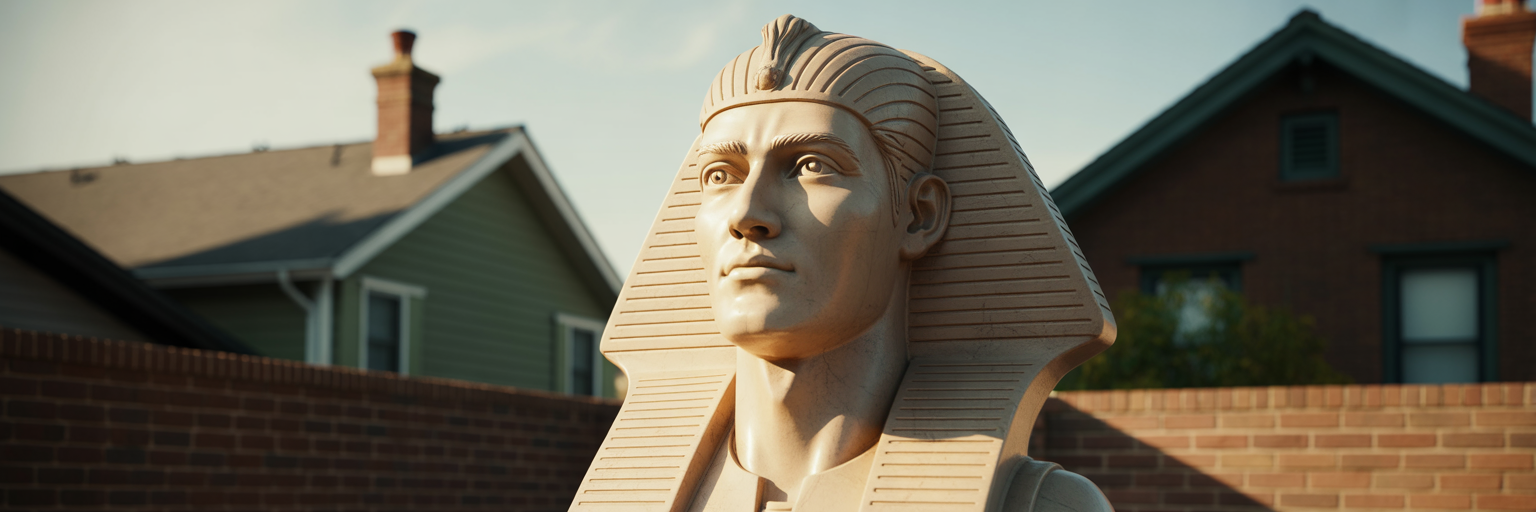
Hidden in plain sight behind a row of houses is one of the city’s most peculiar treasures: the Gilgal Sculpture Garden. This small park is the life’s work of a Mormon bishop named Thomas Battersby Child Jr., who spent two decades creating a series of bizarre and deeply personal sculptures. The most famous piece is a sphinx with the face of Joseph Smith, the founder of the LDS Church. Another is a self-portrait of the artist with his legs made of brick. It’s a fascinating window into Utah’s unique folk-art tradition and a truly strange and wonderful place to spend an hour.
A Local’s Scenic Drive: Emigration Canyon
While tourists and powder hounds flock to the Cottonwood Canyons, locals looking for a quieter scenic drive often head to Emigration Canyon. This road holds historical significance as the final leg of the Mormon pioneers’ journey into the Salt Lake Valley in 1847. The drive itself is beautiful, winding through the foothills with fewer cars and cyclists. Along the way, you’ll pass landmarks like Ruth’s Diner, a classic eatery housed in an old trolley car that’s been serving breakfast for decades. The canyon is also dotted with trailheads that offer access to the Bonneville Shoreline Trail with far fewer people than the more popular canyon hikes.
A Moment of Peace at the International Peace Gardens
Tucked away in a section of Jordan Park is a place that beautifully reflects a side of Salt Lake’s diversity that is often overlooked. The International Peace Gardens feature a collection of small, themed gardens, each sponsored by a different nation with cultural ties to the city. You can walk from a garden representing Japan to one for Switzerland, then Germany, and so on. It’s a serene and beautifully maintained space for a quiet walk, offering a peaceful contrast to the more bustling city parks. It’s a true hidden gem that speaks to the community’s global connections.
Where to Eat Like You Live Here
To find the best local restaurants SLC has to offer, you have to know where to look. The city’s food scene is defined by institutions with cult followings, neighborhood anchors, and a growing number of chefs dedicated to local sourcing. Forget the chains; these are the places that tell the story of the city’s palate.
- The Undisputed Institutions
Some restaurants are so ingrained in the local culture they feel like public utilities. Red Iguana is at the top of that list. The line out the door is a permanent fixture and a local rite of passage. People wait patiently for a spot in the loud, vibrant dining room to get access to the legendary menu of authentic Mexican food, especially the seven-plus varieties of mole. Another institution is Crown Burgers. It’s a prime example of the Utah-Greek diner hybrid, famous for its char-broiled burgers. The signature item is the Crown Burger itself, a quarter-pound patty topped with a heap of thinly sliced pastrami. It sounds strange, but it’s a beloved local creation. - Neighborhood-Defining Eateries
Certain restaurants are synonymous with their neighborhood. Downtown, Valter’s Osteria stands as a monument to fine Tuscan dining, but it was the larger-than-life personality of its late owner, Valter Nassi, that made it an institution. His spirit of extravagant hospitality lives on. For a more casual anchor, there’s The Pie Pizzeria. Located in a basement near the University of Utah, this spot has been a favorite of students and locals for decades. Its dark, graffiti-covered walls and ridiculously cheesy pizzas are a core part of the university experience. Exploring local food scenes is a great way to understand a city, much like you can by reading about the unique spots in Longview, Texas. - The Modern Farm-to-Table Scene
Salt Lake’s palate has evolved, and a new generation of restaurants is championing local sourcing. Places like Pago and HSL (Handle Salt Lake) have built their menus around partnerships with Utah farms and producers. Their dishes reflect a growing consciousness around food that connects back to the state’s agricultural roots. These restaurants prove that the city’s dining scene is not static but is actively creating a modern identity rooted in its own backyard. - Authentic International Flavors
For some of the city’s best food, you have to venture off the beaten path. The Rose Park neighborhood on the west side is home to a fantastic cluster of Vietnamese restaurants serving authentic pho that locals swear by. Meanwhile, South Salt Lake has become a hub for incredible Middle Eastern food. A visit to Shahrazad Market offers not just groceries but also a counter serving fresh-baked breads, savory pastries, and delicious kebabs. Local publications like Salt Lake City Weekly frequently feature these neighborhood spots in their annual dining awards, confirming their quality and importance to the community.
The Rhythm of Daily Life in the Valley
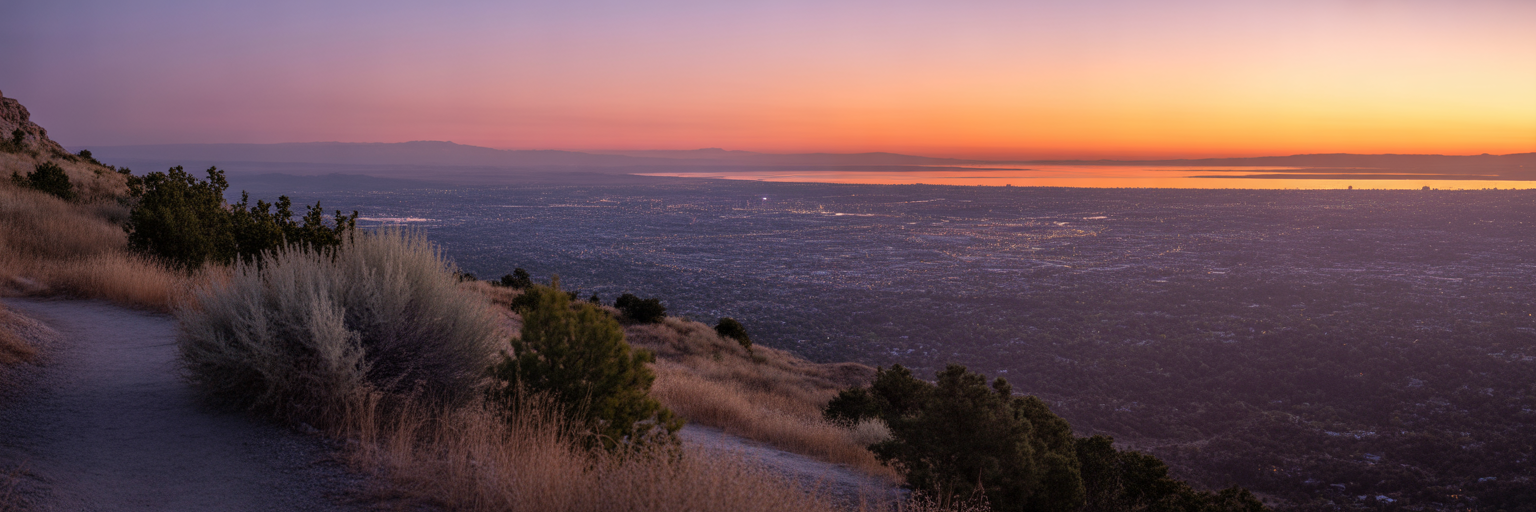
When you put all the pieces together, a clear picture of living in Salt Lake City emerges. It’s a life defined by the seasons, a community built on shared passions, and a practical balance between urban convenience and wild spaces.
Living by the Four Seasons
Life in the valley is dictated by the four distinct seasons. Winter is not for hibernating; it’s for skiing. The culture of season passes is strong, and “dawn patrol,” skiing or snowboarding before work, is a real thing. The city empties out on a powder day as everyone heads for the mountains. Summer, by contrast, is defined by long, dry, hot days. Life shifts to escaping the valley heat by heading to higher elevations for hiking and camping. The air is finally clear after the winter inversion, and the long daylight hours are spent outdoors until the sun sets late behind the Oquirrhs.
The Welcoming, Yet Focused, Community
People in Salt Lake are generally polite and friendly, but it’s a city where social circles are often built around shared activities. It’s easy to meet people if you ski, mountain bike, climb, or belong to a church group. It’s a community of doers, and friendships are forged on chairlifts and trails. This shared passion creates a strong sense of local pride, especially when it comes to the unique collection of Salt Lake City local spots that residents feel protective of. Community events are always well-attended, showing a collective investment in the city’s unique culture.
Practical Realities: Traffic and Costs
Of course, life here isn’t a permanent vacation. Traffic on the I-15 corridor during rush hour is a growing headache, and the canyon roads can become parking lots on a powder day or a summer weekend. The cost of living is also a major topic of conversation. While Salt Lake is still more affordable than cities like Denver or Seattle, the housing market has become intensely competitive in recent years, pushing prices up and making it harder for many to buy a home.
Ultimately, the quintessential Salt Lake lifestyle is about balance. It’s a place where someone can work a demanding tech job downtown during the week, visit the farmers market on Saturday morning, and then drive 30 minutes to hike a 10,000-foot peak in the afternoon. This seamless blend of urban opportunity and immediate, world-class outdoor access is what truly defines the experience. To discover what makes other places unique, feel free to explore more of When in Your City.