The Modern Solo Traveler’s Dilemma
Embarking on a solo trip has become a modern rite of passage. For young adults, it represents the ultimate act of self-discovery in a world saturated with digital noise and curated expectations. The appeal is undeniable: absolute freedom. You can wake up in Lisbon and decide to catch a train to Porto on a whim, change your entire itinerary because you met a fascinating local artist, or simply spend an entire afternoon reading in a park. You answer to no one. It’s a powerful fantasy of pure, unfiltered independence.
But there’s a reality that rarely makes it into the sun-drenched social media posts. Behind the highlight reel of breathtaking landscapes and triumphant selfies, a different story often unfolds. The constant weight of making every single decision, from which hostel to book to what to eat for dinner, can lead to a quiet but persistent mental exhaustion. There’s the sharp pang of loneliness that hits when you’re sitting alone in a bustling Roman trattoria, surrounded by the laughter of families and friends. You can feel profoundly isolated in a city of millions.
This creates the central conflict of modern solo travel: the deep-seated desire for independence clashes with the fundamental human need for connection. We seek solitude to find ourselves, yet we are social creatures by nature. The pressure to project a perfect, carefree experience online only amplifies this internal struggle. You’re supposed to be having the time of your life, but some moments feel more like a test of endurance than a joyful adventure. The experience can feel less like finding yourself and more like managing the logistics of being alone.
This isn’t a failure of the traveler, but a flaw in the romanticised narrative of solo exploration. It forces us to confront an uncomfortable truth about what we seek from travel. Is it possible to achieve profound personal growth without the accompanying burden of profound isolation?
A New Model for Independent Exploration

The answer to that question has led to a new approach, one that reframes what it means to explore the world on your own terms. This is not about the rigid, flag-following bus tours of the past. Instead, it’s a modern, flexible model of small-group travel designed for independent minds. It’s a curated journey that brings together a small cohort of like-minded individuals who are all, in essence, traveling solo together.
The ‘Solo-Within-a-Group’ Framework
The mechanics are simple yet effective. Travelers book their spots individually and unite for a shared adventure, creating an instant, flexible social safety net. Think of it like being a visiting student at a university for a semester. You have a built-in support system, a campus map, and a group of peers to navigate the new environment with. Yet, you have the complete freedom to explore the ‘campus’—the destination—on your own terms, attend the ‘classes’ you want, and carve out your own unique experience.
This framework provides companionship when you want it and solitude when you need it. You have a group to join for dinner after a day of independent wandering or friends to share the excitement of a newly discovered market with. It removes the pressure of forced socialising while eliminating the risk of total isolation.
Balancing Structure with Spontaneity
One of the biggest hurdles of solo travel is the sheer mental load of logistics. The endless hours spent researching bus schedules, vetting accommodations, and booking activities can drain the joy from the journey itself. This new model of group travel handles the heavy lifting. Key transport, trusted accommodations, and can’t-miss activities are pre-arranged by experts with deep local knowledge.
This structure doesn’t restrict freedom; it enables it. With the logistical stress removed, your mental energy is freed up to be fully present in the moment. You can immerse yourself in your surroundings instead of worrying about your next connection. The itinerary includes ample built-in free time, allowing for the very spontaneity that makes solo travel so appealing. A local guide handling the complexities of a place means you can focus on the experience, a principle we explore in depth in our essential guide to Killeen, Texas. The framework provides a secure foundation from which you can launch your own personal discoveries.
The Power of a Built-In Social Network
While the previous section outlined the practical structure, the true transformation comes from the human element. This model directly addresses the fear of loneliness that holds many would-be adventurers back. A shared itinerary acts as a natural catalyst for connection, completely removing the social anxiety of trying to meet people in a foreign environment. There’s no need to awkwardly approach strangers in a hostel common room; your travel companions are right there with you.
From Shared Experiences to Accelerated Bonds
There’s a unique psychology at play when people navigate a new experience together. Trying to decipher a menu in a language you don’t speak, getting lost and finding your way back as a team, or sharing a collective sense of awe at a stunning viewpoint—these moments build connections far faster and stronger than typical social encounters. You are not just acquaintances; you are partners in a shared adventure. This accelerated bonding is a core reason people are now seeking out group travel for solo travelers.
According to Under30Experiences, a platform that specializes in these trips, this shared journey is a primary driver for those looking into making friends traveling solo. The challenges and triumphs experienced together create a unique camaraderie. These are not surface-level conversations. You quickly move past small talk and into discussions about life, dreams, and what brought you all to this specific corner of the world. Friendships forged on the road this way often feel more substantial and lasting.
The Value of Diverse Perspectives
Traveling alone means you see the world through a single lens: your own. While valuable, it can also be limiting. A group, however, acts as a prism. Suddenly, you’re seeing a historic landmark not just through your eyes, but through the eyes of an engineer from Singapore, an artist from Buenos Aires, and a teacher from Canada. Each person brings their unique background, stories, and insights, adding layers of meaning to every experience.
A conversation over dinner can turn a simple meal into a lesson on global politics, cultural norms, or personal resilience. This collective wisdom enriches the journey immeasurably. Beyond these profound moments are the simple, daily comforts: always having someone to share a meal with, a person to watch your bag while you use the restroom, and friends to split the cost of a taxi with. These small things collectively reduce the low-level anxiety of being alone and make the entire experience more relaxed and enjoyable.
Safety and Logistics Solved
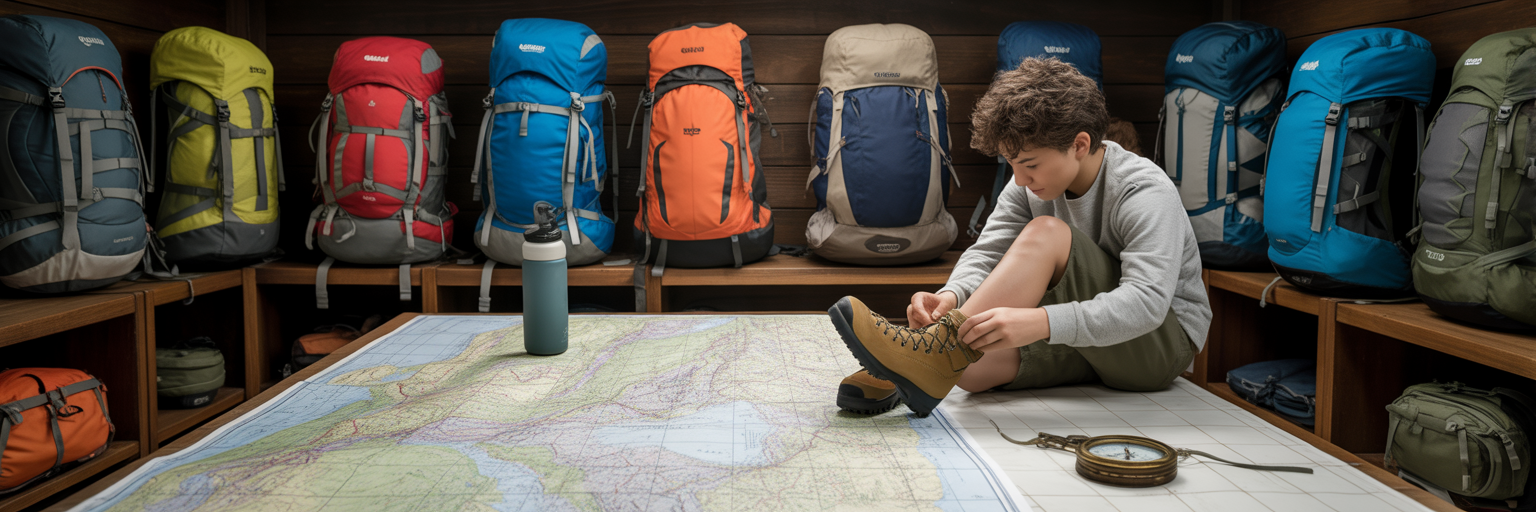
Beyond the social benefits, one of the most compelling arguments for this travel style lies in its practical pillars: safety and logistical support. For many, especially first-time or female solo travelers, safety concerns can be a significant barrier. A well-organized group trip addresses these concerns not through fear, but through smart, practical risk management.
Practical Risk Mitigation
The simple presence of a group is a powerful deterrent to opportunistic crime. Traveling with others inherently makes you a less vulnerable target. But the safety net extends far beyond just numbers. The most valuable asset is a professional local guide. This person is more than just a tour leader; they are a cultural interpreter, a skilled navigator, and a crucial emergency contact. They know which neighborhoods are safe after dark, how to politely handle persistent street vendors, and what to do if something goes wrong.
Travel industry reports consistently show that safety is a primary concern for solo travelers. Having an expert on the ground who is vetted, reliable, and has your back provides immense peace of mind. This turns unfamiliar environments into some of the most safe solo travel destinations you can experience, because you are exploring with a layer of local expertise and support.
Reducing the Mental Load of Travel
The daily grind of planning can quickly lead to travel burnout. Are you booking the right train? Is this accommodation in a safe area? Is this tour operator legitimate or a scam? Small-group tours eliminate this entire category of stress. All transport, accommodations, and major activities are pre-vetted by the company, ensuring quality and reliability. This frees you from the endless cycle of research and decision-making, allowing you to be fully present and engaged with the destination.
Some might argue this removes spontaneity. On the contrary, having a secure home base and a reliable plan for key logistics actually empowers more confident exploration. When you know your transport to the next city is handled, you feel more adventurous about wandering off the beaten path during your free time. A good guide provides the kind of insider knowledge that helps you avoid tourist traps and discover authentic local spots, a principle we champion in guides like our look at the real Leander, which focuses on finding authentic experiences. This curated safety net encourages you to be bolder than you might be on your own.
A Springboard for Personal Growth
With the external factors of safety, logistics, and social connection managed, the journey can turn inward. The group environment creates a unique social safety net that often encourages individuals to push their personal boundaries further than they would if they were completely alone. It’s a supportive space where vulnerability is met with encouragement, making it a powerful catalyst for personal transformation. These small group adventure tours become a training ground for life.
This supportive dynamic fosters growth in several concrete ways:
- Overcoming Personal Fears. You might never sign up for a zip-lining excursion or a challenging mountain hike on your own. But when you see your new friends facing their own hesitations and offering you encouragement, you’re far more likely to take the leap. The shared courage of the group becomes your own.
- Developing Social Confidence. For those who are more introverted, navigating group dynamics in a low-stakes, supportive setting is an incredible opportunity for growth. You learn to articulate your needs, contribute to group decisions, and find your voice among new people, building social skills that translate directly back to your life at home.
- Building Practical Life Skills. Travel is the ultimate classroom for real-world skills. In a group setting, you practice cross-cultural communication, negotiation, and adaptability every day. You learn to be more patient, more flexible, and more resourceful, all within a framework that provides support if you stumble.
Crucially, this style of travel is not a replacement for a true solo journey. Instead, it serves as an essential stepping stone. Many travelers use their first group trip to build the confidence, skills, and travel savvy needed to embark on a completely independent adventure later. It’s a way to learn the ropes of global exploration without being thrown into the deep end, ensuring your first major travel experience is empowering, not overwhelming.
Finding Your Perfect Group Adventure

Once you’ve decided that a group trip is the right fit, the next step is choosing the right one. The market is filled with options, and finding the perfect match requires a clear understanding of your own priorities and travel style. This section provides a clear framework for making that decision.
Key Factors to Consider
Before you start browsing, you need to know how to choose a group tour that aligns with your expectations. Ask yourself the following questions:
- Group Size: Do you prefer an intimate setting (6-10 people) where you can get to know everyone, or a more social and dynamic group (15-20)?
- Age Range: Most companies target specific age demographics (e.g., 18-30, 25-39). Ensure you’ll be traveling with peers who are in a similar life stage.
- Travel Style: Are you looking for a budget-friendly backpacking experience, a comfortable boutique journey, or a high-end luxury trip? Your preference here will dictate everything from accommodation to dining.
- Activity Level: Be honest about your physical fitness. Is your ideal day a relaxed cultural immersion with museum visits, or a high-intensity trek in the mountains?
- Trip Focus: Many tours are themed. Is your passion food, wellness, history, photography, or pure adventure? Choosing a trip with a specific focus ensures you’re with people who share your interests.
To help you visualize these differences, here is a comparison of common travel styles.
| Factor | Backpacking / Budget Style | Comfort / Boutique Style | High-Adventure Style |
|---|---|---|---|
| Accommodation | Hostels, guesthouses | Boutique hotels, unique lodges | Camping, basic mountain huts |
| Pace | Fast, covers more ground | Relaxed, deeper immersion | Intense, physically demanding |
| Group Size | Often larger (15-25) | Smaller, more intimate (8-16) | Very small, skill-focused (6-12) |
| Free Time | High degree of independence | Balanced structure and free time | Highly structured for safety |
| Primary Focus | Socializing, seeing major sights | Culture, food, local experiences | Achieving a specific goal (e.g., summit) |
This table outlines general archetypes. Many tours blend these elements, so use this as a guide to identify your priorities. Browsing different destinations in our collection of city guides can also help you discover what kind of places and travel styles excite you most.
How to Vet Tour Companies
Once you have a shortlist, do your due diligence. Look for companies with transparent, all-inclusive pricing to avoid hidden costs. Read reviews on independent platforms like Trustpilot or TourRadar, not just the curated testimonials on their website. Check their social media feeds to get a feel for the “vibe” of their travelers. Do they seem like your kind of people? Finally, don’t be afraid to contact the company directly and ask specific questions before booking to ensure there are no surprises.
The Future of Connected Exploration
The rise of group travel for solo travelers signals a fundamental shift in how we approach adventure. It’s not a compromise on independence but an enhancement of it, elegantly solving the dual needs for personal freedom and human connection. This model acknowledges that growth doesn’t happen in a vacuum; it is often amplified by shared experience and mutual support.
Looking ahead, this trend is set to become even more refined. We are already seeing the emergence of hyper-niche trips designed for specific communities: groups for digital nomads, creative retreats for artists, wellness journeys for yoga practitioners, and language immersion trips for aspiring polyglots. Technology will likely play a role not in isolating us further, but in strengthening these temporary communities. Imagine private group apps that help travelers coordinate spontaneous meetups during free time or share photos and tips in a secure, shared space.
Ultimately, the true value of these journeys is measured long after you return home. It’s not just in the photos you take, but in the global community you become a part of. It’s in the lasting friendships forged over shared meals and challenging hikes, and in the quiet confidence instilled by successfully navigating a new piece of the world. These experiences are shaping a new generation of explorers: curious, capable, and deeply connected to the world and to each other. For anyone inspired to start their own journey, exploring a platform like When In Your City can be the first step in discovering exactly where you want to go next.