More Than Just a Suburb
To understand West Valley City, you have to know how it came to be. It didn’t grow slowly around a central point. Instead, it was born in 1980 when several unincorporated communities, each with its own identity, decided to merge. Places like Granger, Hunter, and Chesterfield voted to become a single city, creating Utah’s second-largest municipality almost overnight. This unique origin story, documented on platforms like Wikipedia, is crucial to understanding its decentralized layout and diverse community pockets. It’s the reason you won’t find a singular, historic downtown like you might in other cities.
This history directly shapes the experience of living in West Valley City Utah. The city feels less like one massive entity and more like a collection of distinct neighborhoods connected by wide, practical roads. The vibe here isn’t about flashy architecture or trendy boutiques. It’s a hardworking, down-to-earth place defined by the incredible diversity of its residents. For a long time, many Utahns saw it as just another sprawling suburb of Salt Lake City. That perception is changing. People are starting to recognize it as a dynamic hub where dozens of cultures coexist, creating a rich and authentic community fabric.
When you drive around, you’ll notice that major roads like 3500 South and Bangerter Highway are the commercial backbones, lined with businesses and shopping centers. But the city’s true character isn’t found there. It’s in the quiet residential streets that branch off these main arteries. It’s in the well-used neighborhood parks tucked between houses, where you see kids playing soccer and families having picnics. These are the spaces where daily life unfolds, far from the traffic and noise.
The city’s layout can feel sprawling at first, but once you understand that its heart beats in its individual communities, it all starts to make sense. It’s a place built for living, not for showing off. This guide is meant to pull back the curtain and show you the city through the eyes of the people who call it home. We’ll look past the main drags and focus on the routines, places, and flavors that truly define West Valley City.
How Locals Spend Their Free Time
When it comes to things to do in West Valley City, locals tend to gravitate toward places that are woven into the community’s fabric. It’s less about one-off attractions and more about traditions and shared experiences. From cheering on the local hockey team to spending a warm summer evening at an outdoor concert, free time here is about connection.
The Maverik Center: More Than Concerts
While the Maverik Center hosts big-name concerts and events, for locals, its identity is much more personal. It’s the home of the Utah Grizzlies, our ECHL hockey team. A Grizzlies game is a classic West Valley outing. It’s affordable, exciting, and you’ll see everyone from young families to lifelong fans in the stands. The energy is fantastic, and it feels like a genuine community gathering. The arena also holds a special place in the hearts of thousands of residents as the venue for high school graduations. It’s a landmark that has marked major milestones in people’s lives for years.
Utah First Amphitheatre: A Summer Tradition
As soon as the weather warms up, the Utah First Amphitheatre becomes the center of summer social life. An evening here is a cherished ritual. Locals arrive early to tailgate in the parking lot, sharing food and drinks with friends before the show. The real magic is inside on the general admission lawn. Sprawling out on a blanket under the stars, with the music washing over you, is an experience that defines summer for many in the valley. It’s casual, relaxed, and a perfect way to enjoy Utah’s beautiful summer nights.
The Jordan River Parkway Trail: A Year-Round Escape
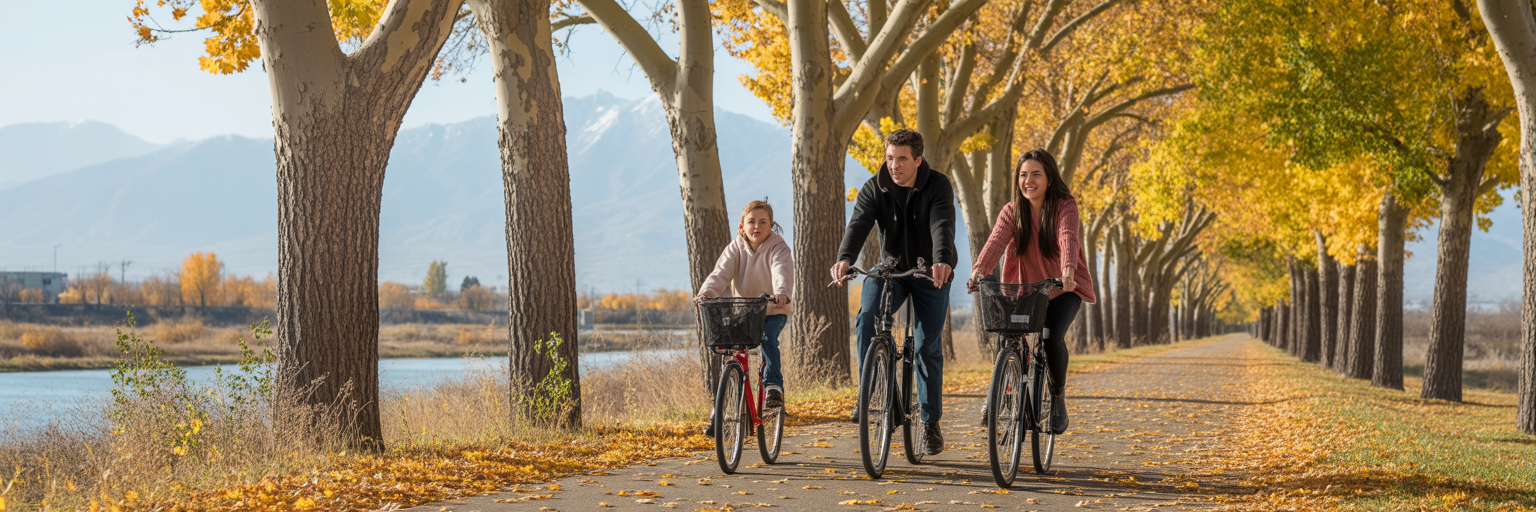
Running right through the city, the Jordan River Parkway Trail is our natural artery. It’s a constant, accessible escape for residents. On any given day, you’ll see people biking, running, or just taking a leisurely walk along the river. It’s one of the most beloved West Valley City parks because it offers a slice of nature right in our backyard. In the fall, the trail is especially beautiful as the leaves change color, creating a canopy of red and gold. Understanding how locals use their public spaces is key to knowing any town, a theme we explore in all our city guides.
Utah Cultural Celebration Center: The Heart of Diversity
This is where the city’s multicultural identity comes to life. It’s not just a building; it’s a vibrant, active hub for community expression. As local outlets like City Cast Salt Lake have highlighted, the Utah Cultural Celebration Center is where the city’s rich blend of cultures is actively celebrated. Throughout the year, it hosts events that are deeply meaningful to residents:
- Annual Dia de los Muertos (Day of the Dead) celebrations with traditional altars and performances.
- Pacific Islander festivals featuring food, dance, and crafts.
- Local art exhibitions showcasing Utah artists.
- Holiday craft markets and tree lighting ceremonies.
Visiting one of these events is the best way to experience the true spirit of West Valley City.
The Westerner: An Authentic Slice of Utah Nightlife
Forget trendy clubs. The Westerner is a cultural institution. It’s a sprawling, unpretentious country bar where people of all ages come to have a good time. The main draw is the huge dance floor, where you can take free line dancing lessons almost every night. It’s not about being a perfect dancer; it’s about joining in. With live country music and a friendly atmosphere, The Westerner offers an authentic piece of Utah’s Western heritage that is welcoming to everyone.
Discovering West Valley’s Quiet Corners
Beyond the big venues and busy parkways, the true character of the city reveals itself in its quieter, more understated places. These are the West Valley City hidden gems that locals cherish. They aren’t flashy or famous, but they offer a genuine glimpse into the area’s history and the rhythm of daily life. Exploring these spots is how you move from visiting to understanding.
Take a drive into the Chesterfield neighborhood, for example. As you turn off the main roads, you’ll feel an immediate shift. The houses are older and more modest, the lots are larger, and the streets are shaded by mature, towering trees. This area is a living link to the city’s agricultural past, a time before the 1980 incorporation. It’s a piece of history hiding in plain sight, a quiet residential pocket that feels a world away from the commercial corridors just a few blocks over.
You can find this same quiet charm in the city’s smaller parks. While the Jordan River Parkway is for recreation, a spot like the Fairbourne Station Promenade or a small neighborhood park in the Hunter area serves a different purpose. These are places for a quiet lunch break, a quick walk with the dog, or an afternoon visit to the playground with your kids. They are woven into the fabric of the neighborhoods they serve, functioning as communal backyards for nearby residents.
Sometimes, the best way to connect with the area is simply to drive. Locals often take scenic drives for a quick mental reset. Head west on a road like 5600 South, and watch as the city gives way to open space with the Oquirrh Mountains rising dramatically in front of you. Or take a short trip east to the foothills of the Wasatch Mountains for a breathtaking panoramic view of the entire valley spread out below. These drives are a reminder of the stunning natural landscape that frames our city.
Finally, you have to learn to see the city’s strip malls differently. It’s easy to dismiss them as generic, but along roads like 4100 South or 5600 West, these unassuming commercial strips are where you’ll find the most authentic local treasures. Tucked between laundromats and insurance offices are the family-owned shops and restaurants that form the backbone of the community. This approach of seeking out the authentic heart of a place is something we champion, whether you’re in Utah or exploring a unique community like the one in our guide to Conroe, Texas.
Where to Eat Like You Live Here
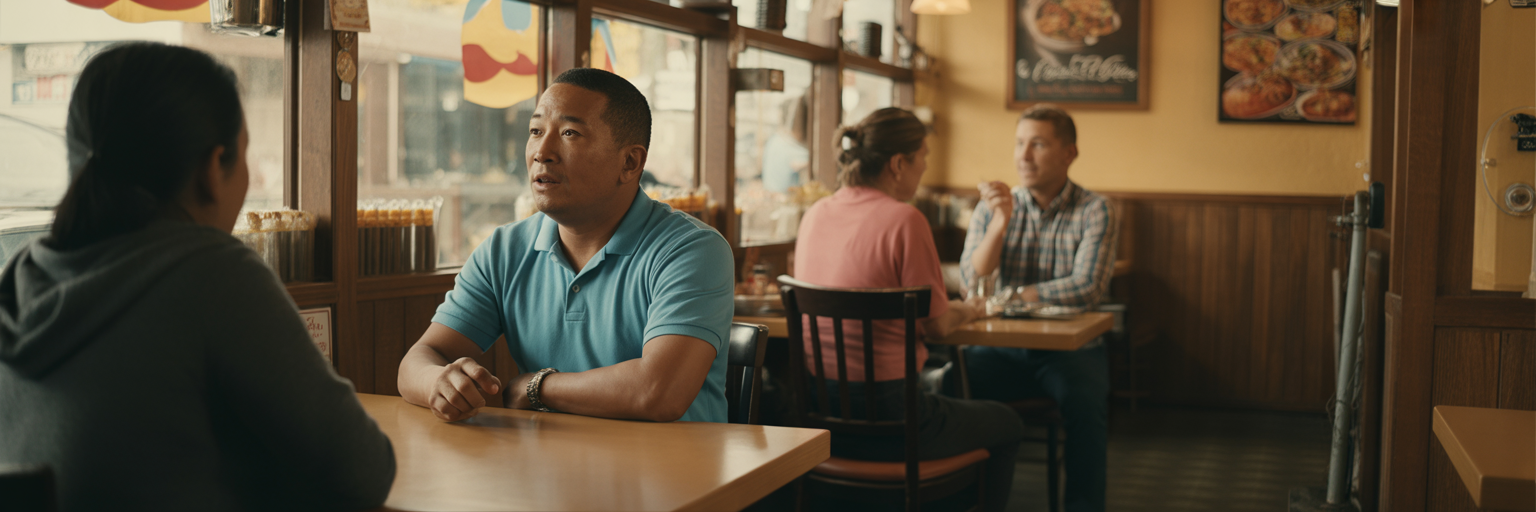
Let’s be clear: the food scene is West Valley City’s greatest asset. It is the most direct and delicious reflection of our incredible diversity. This is where you’ll find some of the best, most authentic cooking in all of Utah, served without pretense. To truly eat like a local, you have to ignore the chains. The real culinary soul of the city is in the independent, family-run local restaurants West Valley City is filled with. Eating here is an adventure, and these are the kinds of places that make it special.
Myung Ga: A Cornerstone of Korean Cuisine
Myung Ga has been a fixture for years, and for good reason. It’s a cornerstone of the local Korean community and a go-to for anyone craving authentic flavors. The experience is all about the food. Ordering the Galbi (marinated short ribs) that you cook on the grill at your table is a must. The sound and smell of the sizzling meat is part of the fun. Another favorite is the bubbling, intensely flavorful Kimchi Jjigae (kimchi stew). Myung Ga’s reputation is built on decades of consistency, and it remains a beloved gathering place for families and friends.
Pupuserias and Taquerias: The Heart of Latin American Flavor
You can’t talk about West Valley food without celebrating its incredible Latin American offerings. Instead of pointing to just one spot, the real experience is in discovering your own favorite. Look for the small, bustling pupuserias and taquerias tucked into strip malls along 3500 South. A perfect pupusa, crisp on the outside and filled with gooey cheese, beans, and pork, is a culinary masterpiece. The same goes for street-style tacos al pastor from a family-run taqueria. These places are cherished for their affordability, authenticity, and the warm, welcoming chaos of a busy dining room.
The Enduring Appeal of the Family-Owned Diner
Every community needs a good, old-fashioned diner, and West Valley has its share of long-standing spots that feel like a second home. These are the places that have served generations of residents. The food is comforting and no-frills. Think classic breakfast plates with perfectly cooked eggs, a solid patty melt on rye, or a hearty serving of country fried steak. The real draw is the atmosphere. The service is friendly and familiar, and there’s a sense of community that you just can’t replicate.
Banh Mi and Bakeries: Cultural Hubs in Disguise
Some of the best food spots in the city are also important cultural hubs. A Vietnamese bakery selling fresh, crusty Banh Mi sandwiches is more than just a place for lunch. It’s a spot where you’ll hear lively chatter in Vietnamese and feel the energy of the community. Similarly, a Middle Eastern market where you can buy freshly baked bread, savory pastries, and imported goods is a place of connection. These shops are vital to the neighborhoods they serve.
How do you find these gems? Here’s a quick guide:
- Look for simple signage, often in a language other than English.
- Notice a steady stream of customers who seem like regulars.
- Peek inside; if it’s run by a family and the decor is humble but clean, you’re likely in the right place.
- Trust your nose. The aroma of authentic cooking is the best advertisement.
| Cuisine Type | What to Order (The Local Favorite) | The Vibe | Typical Location |
|---|---|---|---|
| Korean BBQ | Galbi (Marinated Short Ribs) or Kimchi Jjigae | Family-friendly, bustling, authentic | Standalone building or prominent strip mall spot |
| Vietnamese | Banh Mi Dac Biet (Special Combination Sandwich) | Fast-paced, casual, takeout-focused | Unassuming corner of a strip mall |
| Salvadoran | Pupusas Revueltas (Pork, Cheese, and Beans) | Warm, loud, always busy with families | Small storefronts along 3500 South |
| American Diner | Country Fried Steak & Eggs or a Patty Melt | Comforting, nostalgic, friendly service | Older building with a long-standing sign |
Note: This table represents the types of authentic dining experiences available in West Valley City. The best spots are often discovered through exploration and word-of-mouth.
Finding these culinary gems is at the core of what we do at When In Your City, where we believe food is the gateway to understanding a place’s true character.
The Rhythm of Daily Life
So, what is living in West Valley City Utah actually like day-to-day? It’s about finding a comfortable rhythm that balances the convenience of a large city with the feel of a close-knit neighborhood. The pace of life here is more energetic than a quiet suburb but noticeably less frantic than downtown Salt Lake City. It’s a practical, grounded existence that prioritizes community and family.
You can’t ignore the practicalities. Traffic on major arteries like Bangerter Highway or I-215 during commute hours can be a challenge. It’s a reality of living in a large metropolitan area. However, once you turn into the residential neighborhoods, that stress melts away. Life within these communities moves at a much slower, calmer pace. Kids ride their bikes in the street, and neighbors stop to chat while mowing their lawns.
The community culture is friendly and unpretentious. This isn’t a place where people are overly concerned with keeping up appearances. Local pride is strong, but it’s tied to things like high school football rivalries, well-attended community events at the Cultural Center, and active neighborhood associations. It’s a city where people are more interested in being good neighbors than in having the fanciest car or the most pristine yard.
A huge part of the lifestyle here is shaped by its relative affordability. Compared to Salt Lake City proper, the cost of living is more manageable, which is a primary reason many families and young professionals choose to live here. This creates a more relaxed atmosphere where the financial pressures can feel less acute, allowing people to focus on what matters to them.
The distinct Utah weather also dictates daily routines. The hot, dry summers push life outdoors in the cooler evenings. Backyards, patios, and local parks become extensions of the home. In contrast, the cold, snowy winters shift the focus inward. Life revolves around indoor gatherings, activities at community recreation centers, and cheering on the Grizzlies at a hockey game. Each season brings its own distinct rhythm to the city.
In essence, living here is about valuing diversity, practicality, and community over glamour. It’s a city for people who want all the amenities that come with being in a major metro area but who don’t want to sacrifice a neighborhood-centric life. This strong sense of community and practical living is a quality we love to highlight, similar to what you’ll find when getting to know the real Bryan, Texas.