The Foundation of a Memorable Group Trip
Travel has shifted. While a stunning destination provides the backdrop, it is the shared experiences that truly create the story. We have all been on trips where the most memorable moment was not a landmark, but an inside joke born from a shared mishap. This highlights the core challenge of any group adventure: aligning different personalities, interests, and energy levels. The success of these journeys is measured less by the places seen and more by the quality of the interactions had.
This is why planning dedicated group travel activities is so important. They are more than just items on an itinerary. They act as catalysts for communication and collaboration, turning a collection of individuals into a cohesive unit. Think of it like this: sightseeing can be a passive experience, but a structured activity requires everyone to engage, contribute, and connect. It moves people from observing a place to participating in it together.
This approach, which we can call ‘communal travel,’ responds to a growing desire for deeper connection over superficial sightseeing. It acknowledges that the real souvenirs from a trip are the strengthened bonds and shared memories. The most fulfilling group trip ideas are those that intentionally build these connections. They create a space where different people can find common ground, whether through laughter, teamwork, or shared discovery.
The following sections offer a toolkit of ten diverse and actionable ideas. They are designed to foster cohesion and create lasting memories for any type of crew, from close friends to new colleagues. These are not just things to do, but frameworks for building a stronger group dynamic.
Activity 1: The Collaborative City Scavenger Hunt
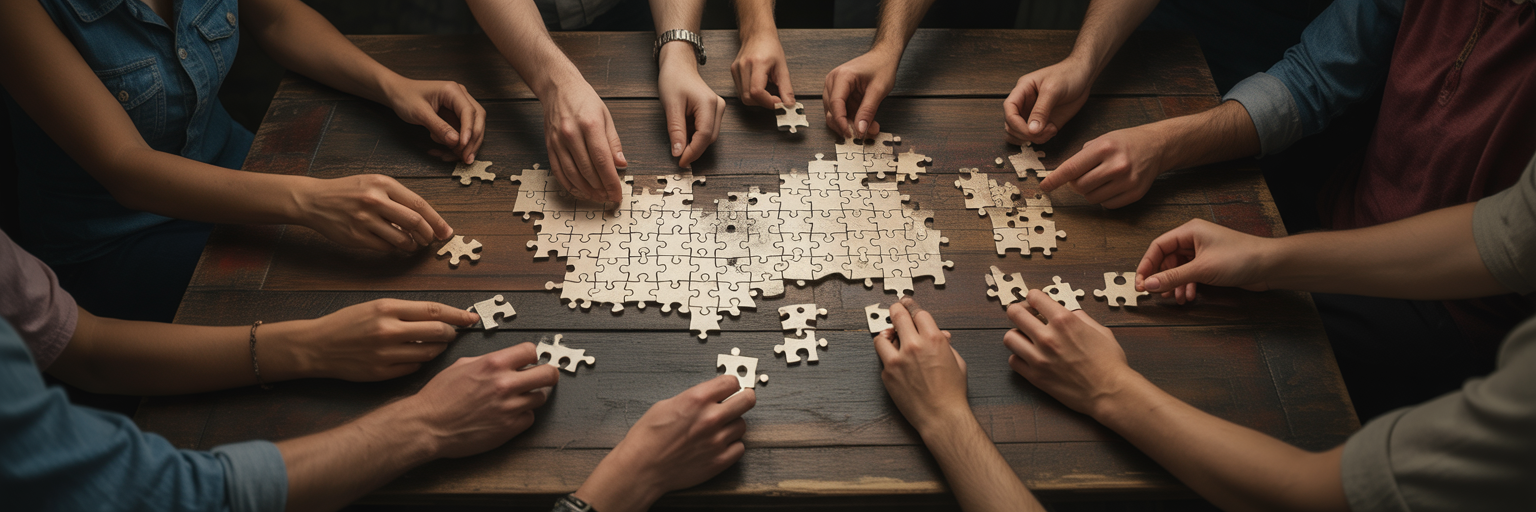
A city scavenger hunt transforms sightseeing from a passive walk into an engaging, collaborative mission. Instead of just following a map, your group works together to solve riddles, find obscure landmarks, and complete fun photo challenges. The goal is not just to win, but to explore the destination through a shared game, creating inside jokes and a collective sense of discovery along the way.
This activity excels at promoting teamwork and friendly competition. It forces communication and strategic thinking, as the group must decipher clues and navigate unfamiliar streets together. As you uncover hidden gems, you build a unique, shared knowledge of the city that a standard tour could never provide. According to a blog post from Montana Nights, a scavenger hunt is one of the easiest large group activities because its collaborative and mobile nature prevents the awkwardness that can arise in more static social settings. This makes it one of the most effective and fun things to do in a group.
Organising a successful hunt is straightforward:
- Craft the clues: Use local history, inside jokes, or landmarks from detailed city guides to make the challenges personal and place-specific.
- Set clear rules: Establish a time limit and boundaries to keep the energy focused and the competition fair.
- Choose a final meeting point: Pick a local pub or café where everyone can reconvene, share stories, and compare photos over a well-earned drink.
- Use a group chat: A dedicated chat is perfect for sending hints, sharing progress, and coordinating the final meetup.
The beauty of a scavenger hunt is its customisability. You can design a culinary hunt for foodies, an architectural hunt for design lovers, or an art-focused hunt through a cultural district. It is a brilliant way to turn any new place into your group’s personal playground.
Activity 2: A Taste of Teamwork in a Cooking Class
A local cooking class offers an immersive experience that goes far beyond just eating. Unlike a themed dinner where the meal is presented to you, this activity is about the hands-on process of creation. It is in the shared effort of chopping vegetables, stirring a sauce, and learning a new technique that the real connection happens. The kitchen becomes a relaxed, collaborative space where everyone contributes to a delicious, shared goal.
The benefits for group dynamics are immediate. Preparing a meal together naturally requires communication and the division of tasks. Who will handle the spices, and who will master the dough? These small negotiations build a rhythm of teamwork. In this informal setting, different personalities emerge in a positive way. The meticulous planner might take charge of measurements, while the creative spirit experiments with plating. It is a low-pressure environment for collaboration.
When booking, look for small class sizes or authentic, home-based experiences for a more intimate feel. It is also vital to communicate any dietary restrictions well in advance to ensure everyone can fully participate. The true value of this activity is the powerful, multi-sensory memory it creates. The aroma of the spices, the satisfaction of mastering a new recipe, and the joy of sharing the meal you all made together become a story the group can retell for years. You might even find yourselves recreating the dish back home, forever linking that flavour to your trip.
Activity 3: Reliving Fun with Nostalgic Outdoor Games

Sometimes the most effective bonding activities are the simplest. Organising a few classic childhood games in a local park or on a beach is a low-cost, high-energy way to inject pure fun into your trip. The power of this idea lies in nostalgia. It taps into a universal sense of playfulness that instantly breaks down social barriers and encourages genuine laughter.
These games require minimal equipment and are universally understood, making them fantastic social activities for friends. Consider bringing a few simple items for games like:
- Kickball
- Dodgeball
- Frisbee
- Three-legged races
- An egg toss
The psychological appeal is undeniable. These activities strip away adult seriousness and replace it with lighthearted competition. As noted by The Sunporch, recreating favourite childhood activities is a fantastic way to connect. There is no pressure to be an athlete; the goal is simply to have fun. Forming impromptu teams encourages mingling and ensures everyone gets involved. While this activity is wonderfully simple, it does have limitations. It is weather-dependent and requires a degree of physical mobility. It is wise to have a backup plan. To ensure inclusivity, you can also create roles like ‘official scorekeeper’ or ‘team cheerleader’ for those who prefer not to participate physically, making sure everyone feels part of the fun.
Activity 4: Hitting the Target with Group Axe Throwing
For groups seeking something memorable with a bit of an edge, axe throwing has become a surprisingly popular and safe option. These supervised venues offer a unique blend of friendly competition and shared accomplishment. The real bonding element here is the novelty of learning a new skill together. Unlike activities where some people might have prior experience, axe throwing often puts everyone on an equal footing as a beginner.
The process is designed for safety and fun. A typical session begins with a thorough safety briefing from a trained coach, who then teaches the proper throwing technique. After some practice throws to get the hang of it, the session usually culminates in a mini-tournament. That moment when someone who was struggling finally sticks an axe in the bullseye is a moment of collective celebration for the whole group. It is a perfect example of effective team building travel activities.
This activity is an excellent choice for adult groups, whether for corporate retreats, bachelor or bachelorette parties, or just a group of friends looking for a unique story to tell. The focused, slightly thrilling nature of the activity provides a welcome break from typical tourist itineraries. However, it is important to have a balanced perspective. Axe throwing is not for every group. Before booking, it is crucial to check with everyone to ensure they are comfortable with the concept. The goal is a shared thrill, not shared anxiety.
Activity 5: Unplugging with a Classic Board Game Night

In an age of constant digital distraction, a dedicated board game night offers a powerful antidote. This activity is about creating a low-key evening for analog entertainment, forcing everyone to put their phones away and engage face-to-face. We have all been in a room where the glow of screens replaces conversation. A board game night reclaims that space for genuine interaction, and it can be easily organised in your group’s accommodation with minimal cost.
The effectiveness of a board game night comes from the variety of interactions it facilitates. It can spark strategic thinking, lighthearted competition, and easy conversation in a cozy, relaxed setting. To ensure a successful evening, a little preparation goes a long way.
- Bring a variety of games: Pack a mix to suit different moods. Cooperative games like The Mind build teamwork, competitive games like Catan encourage strategic rivalries, and simple party games like Codenames are perfect for quick rounds of laughter.
- Set the atmosphere: Simple touches like snacks, drinks, and a relaxed playlist can transform a living room into a dedicated game parlour.
- Choose games for your group: Consider the group’s size and experience with board games. The goal is to foster interaction, not get bogged down in complex rules, unless you know everyone is an enthusiast.
A board game night is more than just a way to pass the time. It is an intentional act of connection, creating a space for the kind of shared laughter and friendly debate that builds strong group bonds.
Activity 6: Connecting Over a Curated Themed Dinner
A group meal is a staple of any trip, but with a little curation, it can become a truly memorable event. This activity is different from a cooking class because the focus is on conversation and shared discovery, not on the creation of the meal itself. By adding a theme, you elevate a routine dinner into an engaging experience that naturally sparks discussion.
Consider creative themes that fit your destination. A ‘progressive dinner’ is a fantastic option, where each course is enjoyed at a different nearby restaurant, turning the meal into a mini-tour of the local food scene. Another idea is a ‘hyper-local’ themed dinner, where the group commits to trying regional specialties at a celebrated spot. This structured approach encourages everyone to step out of their comfort zone and try something new together. Planning is key: research restaurants that can accommodate your theme and group size, and book in advance. For a truly special experience, you can even communicate with the restaurant to arrange a set menu.
For a budget-friendly alternative, a potluck-style themed dinner at your accommodation can be just as powerful. Assign each person or pair a dish based on a theme like ‘food from your childhood’ or ‘a dish from a dream destination’. As each dish is presented, it comes with a story, creating natural and meaningful conversation. This simple approach can turn an evening in a place like Bryan, Texas, into a rich, shared experience, making it one of the most flexible group trip ideas.
Activity 7: Learning a Local Craft or Skill Together

Diving into a local craft offers a unique form of cultural immersion and creative expression. This activity is distinct from a cooking class because it results in a tangible, non-edible souvenir that serves as a physical reminder of the trip. Depending on your destination, you could find workshops for pottery, painting, jewelry making, or even a traditional dance. These experiences connect your group directly with local artisans, offering a glimpse into the region’s cultural fabric.
The benefits are twofold. First, you are supporting the local economy in a meaningful way by engaging directly with its creative community. Second, each person leaves with a personal memento of the shared experience. That slightly lopsided pot or uniquely painted tile becomes a treasured object, imbued with the memory of creating it together. To find these workshops, check tourism board websites, experience-based platforms, or simply ask locals for authentic recommendations.
The core bonding element here is the ‘shared learning curve’. Most participants will be beginners, and there is a special kind of camaraderie that comes from the vulnerability of trying something new. The inevitable mistakes, the shared laughter, and the encouragement offered between group members are powerful connectors. The focus is on the creative process and the shared experience, not on producing a perfect product. It is a celebration of trying, learning, and making something together.
Activity 8: Making an Impact Through Group Volunteering
Adding a layer of shared purpose to your trip can create some of the most profound connections. Group volunteering is about giving back to the community you are visiting, transforming your holiday into an experience with lasting meaning. This is ‘voluntourism’ done right: ethically and with genuine respect for the local community.
The key is to choose simple, short-term projects where your group can make a tangible contribution. Think of a beach cleanup, helping out at a local animal shelter for an afternoon, or sorting supplies at a community food bank. The bonding effect that comes from working together for a cause greater than the group itself is immense. It shifts the dynamic from consumption to contribution and fosters a deep sense of shared accomplishment. These are powerful group bonding activities.
Ethical engagement is paramount. It is crucial to partner with reputable, locally-run organisations. The goal is to provide genuine help where it is needed, not to take jobs from locals or create a superficial photo opportunity. Your contribution should be supportive, not disruptive. After the activity, take time for a group reflection. Talking about the experience, what you learned, and how it may have shifted your perspective solidifies the impact. It ensures the memory is not just of the work done, but of the shared purpose you found together.
Activity 9: Navigating a Local Market as a Team
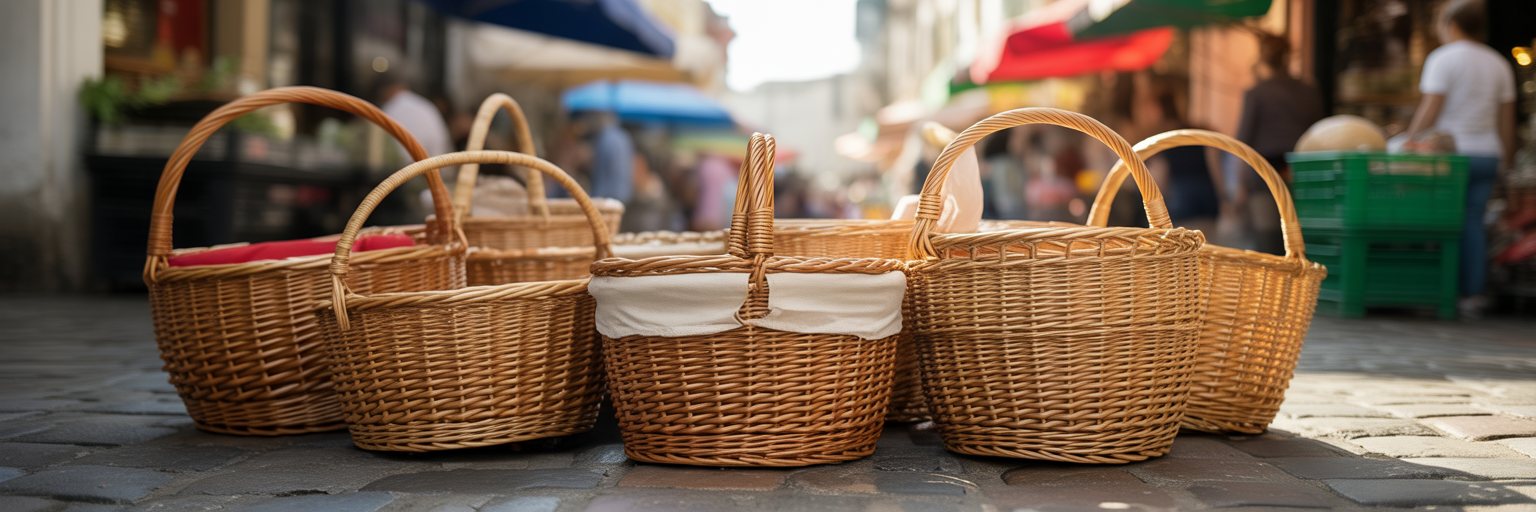
A visit to a local market is a sensory feast, but it can be transformed from a typical tourist stop into a collaborative mission with a little structure. This activity is a micro-challenge, different from a city-wide scavenger hunt because it is confined to one location and focuses on resource management and teamwork. It is an excellent way to engage with a destination on a deeper level.
Give your group a specific mission. For example: ‘With a small, shared budget, assemble the most interesting and delicious picnic lunch possible.’ Or, ‘Split into pairs and find three unique, handmade souvenirs that represent our trip for under a set price.’ This simple framework encourages communication, collective decision-making, and budgeting. It also provides a gentle push for group members to interact with local vendors, practicing a few words of the local language and gaining cultural insights.
For larger groups, splitting into smaller teams adds a layer of friendly competition. Set a time limit and a meeting point where each team can present their finds. This ensures everyone is an active participant rather than a passive follower. This kind of activity is perfect for exploring the unique character of a place, whether it is a bustling food market or a quiet artisan fair like those you might discover while exploring Wichita Falls, Texas. It turns a simple shopping trip into a shared adventure.
Activity 10: Documenting Memories with a Shared Project
The final activity is one that co-creates a lasting artifact of your trip, extending the bonding long after everyone has returned home. A shared documentation project encourages everyone to be more observant of their surroundings and more attuned to each other’s experiences. It transforms individual photo-taking into a collective storytelling effort.
There are many creative ways to approach this, depending on your group’s interests. Here are a few ideas:
- A shared digital photo album: Use a platform like Google Photos and create daily themes, such as ‘Best Candid Moment,’ ‘Most Colourful Meal,’ or ‘Funniest Sign.’
- A group travel vlog: Assign a different ‘reporter’ each day to capture highlights and interview other group members. When everyone is using their phone to capture these moments, ensuring the devices are protected with durable gear like premium sustainable iPhone cases becomes surprisingly practical.
- A physical travel journal: Pass around a single notebook where people can add daily entries, ticket stubs, sketches, or memorable quotes.
The culmination of the project is just as important as its creation. Plan a post-trip get-together, either virtually or in person, to review the final creation. Watching the vlog, flipping through the journal, or scrolling through the photo album together reinforces the shared narrative of your journey. It is a powerful way to relive the memories and appreciate the unique story you all wrote together.
Choosing the Perfect Activity for Your Crew
The core message is simple: the best group travel activities are not one-size-fits-all. They are tailored to the unique personality of your group. A successful trip planner acts more like a thoughtful curator than a rigid scheduler. To find the right fit, consider three key factors: the group’s collective budget, their general energy level, and their shared interests. Are they adventurous thrill-seekers or relaxed conversationalists?
A simple pre-trip poll can be a great way to gauge interest and make everyone feel involved in the decision-making process. Above all, inclusivity should be your guiding principle. The goal is to choose activities where everyone can participate meaningfully, fostering unity rather than division. An activity is only successful if it brings the group closer together. The table below offers a simple framework to help you match activity types to your crew.
| Activity Type | Budget | Energy Level | Best For Groups That Are… |
|---|---|---|---|
| Creative & Hands-On (e.g., Cooking Class, Craft Workshop) | Moderate | Low to Medium | Curious, enjoy learning new skills, and want a tangible takeaway. |
| Active & Playful (e.g., Nostalgic Games, Scavenger Hunt) | Low | Medium to High | Energetic, competitive, and enjoy exploring the outdoors. |
| Relaxed & Social (e.g., Board Game Night, Themed Dinner) | Low to High | Low | Focused on conversation, deep connection, and low-pressure fun. |
| Novel & Adventurous (e.g., Axe Throwing) | Moderate | Medium | Seeking thrills, new experiences, and a memorable story to tell. |
| Purpose-Driven (e.g., Group Volunteering) | Low | Medium | Interested in meaningful experiences and making a positive impact. |
Ultimately, you do not need a packed schedule. Planning even one or two of these shared experiences can transform a standard holiday into a landmark event that deepens friendships and creates stories for years to come. For further inspiration on destinations where you can put these ideas into practice, exploring a comprehensive travel site like When In Your City can be a great next step.