The Foundation of a Fulfilling Group Journey
Every group trip begins with an unspoken tension. It is the quiet negotiation between the person who wants to scale a mountain before sunrise and the one who dreams of spending an afternoon lost in a local museum. For decades, the standard solution was compromise, a delicate balancing act that often left everyone feeling slightly unsatisfied. The most memorable journeys, however, are not built on compromise but on integration. They weave together the threads of adrenaline and reflection to create a single, cohesive story.
Defining the Balanced Trip: Beyond the 50/50 Split
A truly balanced trip is not a rigid checklist where one adventure activity is traded for one cultural tour. That approach treats experiences as isolated events rather than parts of a whole. A week of non-stop beach parties can feel as one dimensional as a week spent shuffling through historical sites. The real goal is to find the synergy between them. Imagine a morning spent kayaking through coastal caves followed by an afternoon learning how local fishermen have navigated those same waters for generations. The adventure gives context to the culture, and the culture adds meaning to the adventure. This is the essence of balancing adventure and culture; it is about creating a narrative, not just filling a schedule.
The Psychology of Shared Experiences: Bonding Through Adventure and Culture
The power of a well-planned group trip lies in its ability to strengthen relationships. Shared challenges are a powerful catalyst for this. When a group successfully navigates a difficult hiking trail or works together to paddle a raft through rapids, they build a foundation of trust and cooperation. These moments of shared effort forge bonds that last long after the muscle soreness fades. At the same time, shared learning fosters a different, but equally important, kind of connection. Participating in a local cooking class or attending a traditional music performance opens the door to deeper conversations and mutual understanding. The combination is potent. The thrill of adventure breaks down barriers, while the depth of cultural engagement provides something meaningful to talk about long after the trip is over.
Common Pitfalls of Unbalanced Group Travel
When a trip leans too heavily in one direction, problems inevitably arise. An itinerary packed with physically demanding activities can leave some travellers feeling exhausted, stressed, or even excluded if they are unable to keep up. The constant pressure to perform can overshadow the joy of discovery. Conversely, a trip that consists solely of slow paced cultural activities can lead to restlessness and boredom for those with more active inclinations. They might feel like they are just observing life from a distance instead of truly experiencing it. These unbalanced itineraries often create subtle rifts within the group, as different members quietly wish they were doing something else. This is the core problem that thoughtful planning aims to solve.
The Goal of Transformative Travel
Ultimately, the objective is to create an experience that is more than just a vacation. By blending physical engagement with genuine cultural interaction, a group does not just see a place, they connect with it. This approach turns a simple trip into a transformative journey. It is about more than just collecting passport stamps or Instagram photos. It is about personal growth, shared discovery, and the creation of lasting memories. These are the kinds of authentic travel experiences that change your perspective on the world and on the people you travel with. The journey becomes a shared story that the group will retell for years to come.
Aligning Group Expectations Before Departure
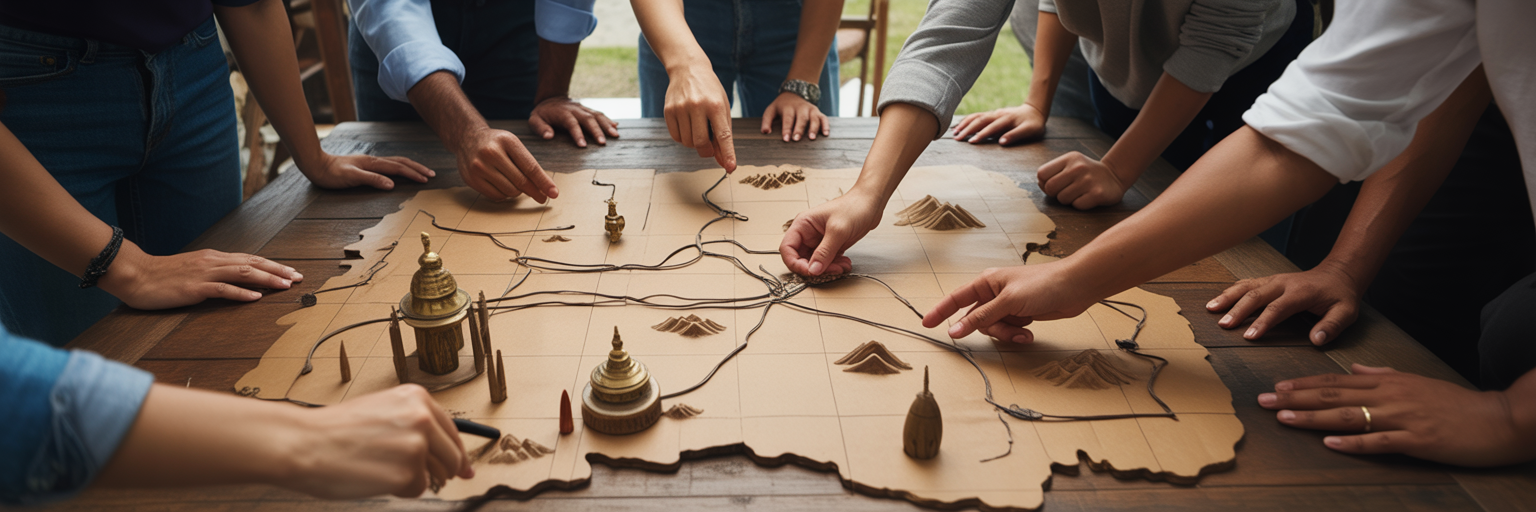
A successful group trip is not the result of luck. It is built on a solid foundation of communication that begins long before anyone starts packing. The most common sources of friction on the road, from mismatched budgets to conflicting paces, can be addressed with a little foresight. This pre departure phase is where you lay the groundwork for a smooth and enjoyable journey for everyone involved. It is one of the most critical sets of group travel planning tips you can implement.
Creating a Forum for Open Discussion
The first step is to create a space where everyone feels comfortable sharing their hopes for the trip. A great way to do this is with a ‘Trip Vision Board’. This can be a shared digital space, like a Pinterest board or a collaborative Google Doc, where each person can post images, articles, and ideas that excite them. One person might pin a photo of a rugged mountain trail, while another adds a link to a famous food market. This visual approach allows people to express their desires in a low pressure, collaborative way. It is not a debate, but a collective brainstorming session that helps the trip planner see the group’s interests at a glance.
The Pre-Trip Survey: Gauging Individual Preferences
Once the initial ideas are flowing, it is time to get more specific. A pre trip survey is an invaluable tool for understanding individual preferences in a structured way. It allows you to gather essential information privately, so people can be honest without feeling like they are challenging someone else’s dream. A simple online form with the following questions can provide incredible clarity:
- On a scale of 1 to 10, where 1 is pure relaxation and 10 is non stop action, what is your ideal trip pace?
- What does ‘adventure’ mean to you? (Examples: hiking, water sports, exploring a new neighbourhood on foot, trying exotic food)
- What does ‘cultural immersion’ mean to you? (Examples: visiting museums, learning about history, attending a local festival, meeting local people)
- What is your approximate budget for daily activities and food?
- How much downtime do you prefer each day? A few hours, a full afternoon, or none at all?
- What is the one ‘must do’ experience for you on this trip?
This survey transforms vague preferences into actionable data, giving the planner a clear picture of the group’s collective desires and potential friction points.
Crafting a ‘Group Travel Charter’
The next step is to synthesize the survey results into a ‘Group Travel Charter’. This document acts as a mission statement for your journey. It is not a rigid contract, but a written acknowledgement of the group’s shared goals and individual needs. The charter should start by summarizing the collective vision, for example, “A moderately paced trip focused on outdoor beauty and local cuisine.” It should then explicitly list each person’s one ‘must do’ experience, with the understanding that the group commits to making each of these happen. This simple act of honouring everyone’s top priority builds a huge amount of goodwill and ensures that everyone feels heard and valued from the outset.
Navigating Conflicting Interests
Even with the best planning, conflicts will arise. The charter provides a framework, but you still need strategies for day to day decisions. One effective method is the ‘one for me, one for you’ approach, where activity choices are alternated between different travel styles. If the group spends the morning on a challenging bike ride, the afternoon might be dedicated to exploring a historical district at a leisurely pace. Another strategy is to theme your days. Designating a ‘Mountain Wednesday’ or a ‘Museum Saturday’ ensures that everyone knows their interests are on the agenda. By proactively creating a system for making choices, you remove the emotion from disagreements and turn potential conflicts into simple logistical decisions.
Choosing Destinations That Offer Both Worlds
The success of balancing adventure and culture often comes down to the ‘where’. Some destinations are simply better suited to this style of travel than others. Choosing the right location is a strategic decision that can make your planning efforts significantly easier. Instead of trying to force a balance in a place that leans heavily in one direction, you can select a destination where adventure and culture naturally coexist. This section provides a framework for identifying these ideal locations.
A Framework for Researching Balanced Destinations
When researching potential destinations, look for a specific set of attributes. The ideal location will have a close proximity between natural landscapes and cultural hubs. Think of a vibrant city with mountains or a coastline just a short journey away. This makes it easy to have an urban adventure in the morning and be on a hiking trail by the afternoon. Look for regions with rich, accessible local traditions that are not just performed for tourists but are a living part of the community. Finally, consider the infrastructure. Does the destination have reliable transport and a good network of guides and operators for both adventure sports and authentic cultural tours? A place that ticks these three boxes is a strong candidate for a balanced group trip.
Categorizing Destinations to Narrow Your Search
To help narrow down the possibilities, it can be useful to think of destinations in categories. Each type offers a different flavour of the adventure and culture blend:
- The Urban Epicenter with a Wild Backyard: These are major cities that serve as gateways to stunning natural areas. Bangkok, for example, offers a world class cultural and culinary scene, but is also within reach of the lush landscapes of Khao Yai National Park.
- The Coastal Culture Hub: These are locations where a rich history meets the sea. Consider Lima, Peru, where you can surf the Pacific waves in the morning and explore pre Incan ruins in the afternoon, all before diving into one of the world’s most celebrated food scenes.
- The Mountain Heartland: In these destinations, the culture is inseparable from the landscape. The Sacred Valley in Peru is a prime example. Here, trekking through the Andes is not just a physical activity; it is a journey through the heart of Incan history, with ancient sites dotting the trails.
Vetting Locations Beyond the Tourist Brochures
Official tourism websites provide a good starting point, but to get a real feel for a place, you need to dig deeper. Travel forums like Reddit’s r/travel are filled with candid advice from independent travellers. Niche travel blogs often provide detailed accounts of specific experiences that you will not find in a guidebook. Use specific search terms like “hiking near [city name]” or “[region] local market tour” to uncover hidden gems. This kind of research can reveal that even seemingly straightforward places offer surprising depth. For instance, a detailed guide to a city like San Angelo, Texas, can reveal a blend of frontier history and nearby state parks for outdoor activities, showing how this principle applies everywhere. You can find more inspiration by browsing various city guides to see how local culture and activities are presented.
The Critical Role of Seasonality
Finally, never underestimate the impact of seasonality. A destination’s offerings can change dramatically throughout the year. Planning a trip to coincide with a major cultural festival could provide an incredible immersion experience, but it might also mean that popular hiking trails are overcrowded or that accommodation is expensive and hard to find. Conversely, visiting in the off season could offer solitude in nature and lower prices, but you might find that many local restaurants and shops are closed. There is no right or wrong answer, but it is a strategic choice. You must ask the group: are we prioritizing the festival or the trek? This adds a final, crucial layer of strategic thinking to your destination planning.
Designing a Flexible and Balanced Itinerary
Once you have aligned your group and chosen a destination, the next step is to build the actual schedule. This is where the vision meets reality. A well designed itinerary is more than just a list of activities; it is a carefully crafted structure that provides both shared experiences and individual freedom. This section offers a practical model for creating group trip itinerary ideas that are both balanced and flexible, ensuring the journey flows smoothly for everyone.
The ‘Anchor and Float’ Model for Itinerary Design
The most effective way to structure a group itinerary is the ‘Anchor and Float’ model. ‘Anchors’ are the big ticket, pre booked activities that the entire group has committed to. These are the cornerstones of your trip, the experiences that everyone agreed were important. This could be a guided multi day trek, a visit to a world renowned historical site, or the cooking class that everyone was excited about. ‘Floating’ time is the unstructured space between these anchors. This is not just empty time; it is a deliberate part of the schedule where individuals or smaller subgroups can pursue their own interests. One person might use this time to visit a niche art gallery, another might go for a run, and a third might simply want to relax at a café and read a book. This model provides a perfect blend of structure and freedom.
The Art of Pacing: Alternating Activity Types
One of the quickest ways to drain a group’s energy is to schedule too many high intensity days in a row. Pacing is an art form. A successful itinerary alternates activity types to prevent burnout and maintain enthusiasm. A physically demanding day of whitewater rafting should ideally be followed by a more relaxed day. Perhaps this involves a leisurely tour of a local market in the morning and a laid back afternoon exploring a quiet neighbourhood. This rhythm of action and recovery allows everyone to recharge their batteries. It ensures that the group’s collective energy remains high throughout the trip, so they can be fully present for every experience, whether it is a challenging hike or a quiet moment of cultural observation.
Building in ‘Structured Spontaneity’
The ‘floating’ time in your itinerary should not be a complete void. The concept of ‘structured spontaneity’ is one of the most effective group travel planning tips for satisfying a diverse group. This means that the trip planner does some homework beforehand, researching a list of vetted, optional activities that people can choose from during their free time. This list might include a few different museum options, a recommendation for a great local coffee shop, the location of a beautiful park, or information on a nearby bike rental shop. This approach gives group members a sense of autonomy and choice, but without the stress of having to research and plan something on the fly in an unfamiliar place. It is the best of both worlds: freedom with a safety net.
A Sample Balanced Itinerary
To make the ‘Anchor and Float’ model more concrete, here is a sample itinerary for a four day trip. This table clearly illustrates how to mix group commitments with personal flexibility.
| Day | Morning (9 AM – 1 PM) | Afternoon (1 PM – 6 PM) | Evening (6 PM onwards) |
|---|---|---|---|
| Day 1: Arrival & Settling In | Group Arrival & Transfer | Settle into accommodation, light exploration of the immediate neighborhood | Anchor: Group Welcome Dinner at a locally recommended restaurant |
| Day 2: Adventure High | Anchor: Group Hike on a scenic trail with a local guide | Float: Free time for rest, solo exploration, or optional activity (e.g., visit a viewpoint) | Casual group dinner or individual plans |
| Day 3: Cultural Deep Dive | Float: Optional museum visit or local market exploration | Anchor: Group cooking class with a local family | Enjoy the meal prepared during the class |
| Day 4: Personal Choice Day | Float: Choice of pre-researched activities (e.g., kayaking, artisan workshop, bike tour) | Float: Continued personal exploration or downtime | Group meet-up for evening drinks to share stories from the day |
Note: This sample itinerary demonstrates the ‘Anchor and Float’ model, ensuring key shared experiences while allowing personal freedom. ‘Anchors’ are group commitments, while ‘Float’ periods offer flexibility.
Engaging with Local Life Authentically
Once you are on the ground, the focus shifts from logistics to the quality of your interactions. The most memorable trips are those that go beyond surface level sightseeing and offer a genuine connection to the place and its people. This section serves as a cultural immersion travel guide, providing strategies for engaging with local life in a way that is both meaningful and respectful. It is about transforming your group from passive tourists into active and engaged participants in the local culture.
What is Authentic Cultural Immersion?
Authentic cultural immersion is not about watching from the window of a tour bus. It is about participation. As noted by travel experts at Follow Alice, it involves seeking experiences that offer genuine insights into a community’s way of life. It is the difference between taking a quick photo of a fisherman and spending an hour learning from him how he mends his nets. It is about choosing to share a meal in a family run eatery over dining in a generic hotel restaurant. This approach requires a bit more effort, but the reward is a much deeper and more personal understanding of the culture. It is the foundation of creating truly authentic travel experiences.
Finding and Vetting Ethical, Locally-Run Experiences
To ensure your engagement is positive for both your group and the local community, it is important to seek out ethical, locally run experiences. Look for small group tours led by guides who were born and raised in the area. They can offer personal stories and insights that a corporate guide never could. Seek out workshops hosted in artisan cooperatives or homestays where the revenue directly supports the host family. Be wary of experiences that feel overly staged or that treat local people like props. A good rule of thumb is to ask: who is benefiting from this transaction? If the answer is not clearly the local community, it is probably best to look for an alternative. This responsible approach is a critical part of modern travel.
Ideas for Integrating Culture and Adventure
The most powerful experiences often happen at the intersection of adventure and culture. Here are a few ideas for how to weave these two elements together seamlessly:
- After a morning of surfing, arrange a visit to a nearby coastal village to learn about traditional fishing methods from a local elder.
- Pair a mountain bike excursion through the countryside with a stop at a rural farm to learn about local agriculture and sample fresh produce directly from the source.
- Follow a challenging trek through a national park with an evening storytelling session led by an indigenous guide who can share the cultural significance of the landscape you just crossed.
- Combine an urban exploration walk through a city’s backstreets with a street food tour led by a resident who knows all the best, hidden spots.
These integrated activities provide a richer, more holistic experience than doing either the adventure or the cultural activity in isolation.
The Mindset of a Respectful Traveler
Authenticity is a two way street built on mutual respect. The right mindset is just as important as the right activities. This starts with humility and curiosity. Make an effort to learn a few basic phrases in the local language like “hello,” “thank you,” and “excuse me.” It shows respect and a willingness to connect. Pay attention to local customs regarding dress and behaviour, especially when visiting religious sites. Always ask for permission before taking a photograph of someone. It is a simple courtesy that acknowledges their humanity. For example, understanding the local etiquette is just as important when visiting a small town like Leander, Texas, as it is when traveling abroad; showing respect is a universal principle of good travel. Approach every interaction not as a consumer, but as a guest. This mindset will open doors and lead to far more genuine connections.
Navigating Group Dynamics on the Road
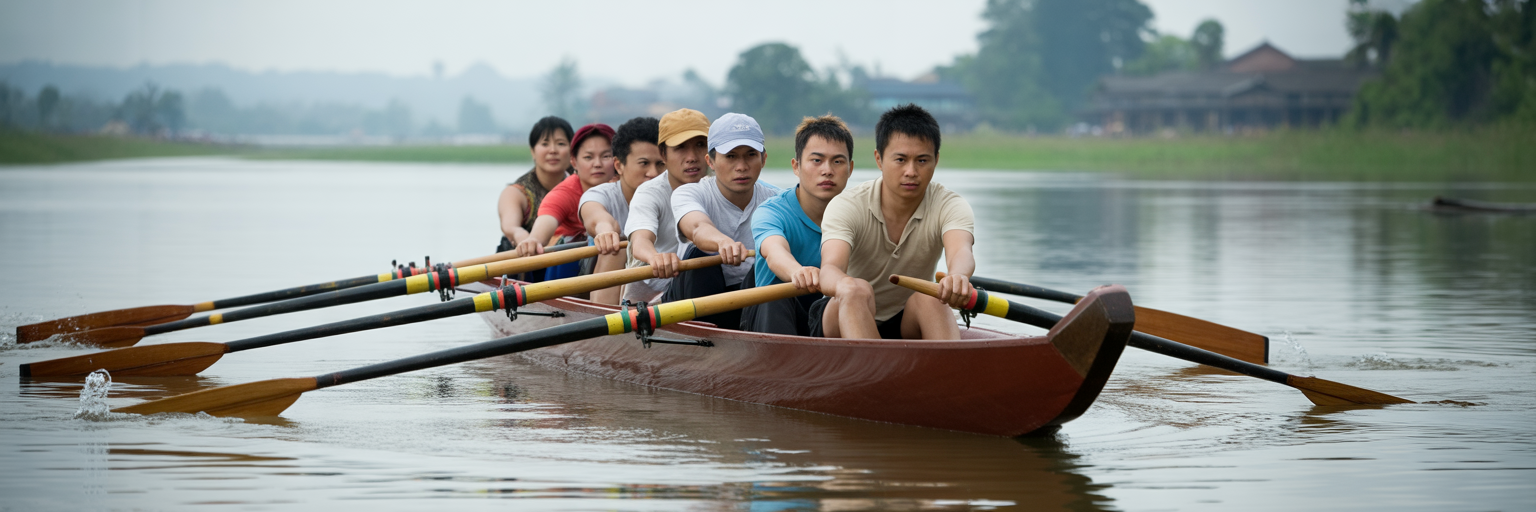
Even with the most meticulous planning, the realities of travel can test group harmony. Different energy levels, unexpected delays, and the simple friction of constant togetherness can create challenges. The final piece of the puzzle is having a toolkit for managing group dynamics in real time. This section is a troubleshooting guide for when you are already on the road, providing practical strategies to keep the group cohesive, positive, and focused on the shared adventure.
The Power of the Daily Check-In
One of the simplest yet most effective tools for maintaining group health is the daily check in. This does not need to be a long, formal meeting. It can be a quick, ten minute huddle over breakfast or coffee. The purpose is twofold. First, it is a chance to briefly review the plan for the day, confirming times and meeting points. Second, and more importantly, it creates a regular opportunity for everyone to voice any concerns or needs. Someone might mention they are feeling a bit tired and would appreciate a slightly later start, or another person might be excited about a small detour they discovered. Addressing these small things daily prevents them from growing into larger resentments. It is a proactive way to take the group’s temperature and make minor adjustments before they become major problems.
Scheduled Downtime and the Freedom of Solo Exploration
In the context of a group trip, it is easy to view solo time as antisocial. This is a mistake. Scheduled downtime and the freedom for individuals to explore on their own are not just luxuries; they are necessities for a healthy group dynamic. Constant togetherness can be draining, even for the most extroverted people. Framing solo time as a vital tool for personal recharging gives everyone permission to take the space they need. When individuals have a chance to rest, pursue a personal interest, or simply wander without a plan, they return to the group feeling refreshed and more engaged. This is one of the most overlooked but essential group travel planning tips for long term harmony.
Managing Different Energy and Ability Levels
A common source of tension in any group is the natural variation in physical abilities and energy levels. This often becomes apparent during adventurous activities. The key is to plan for it. When choosing a challenging hike, look for a trail that has multiple, well marked turnaround points. This allows the faster members to push ahead to the summit while others can enjoy a shorter walk to a beautiful viewpoint, with everyone meeting up later. In a city, this might mean having the group split up for an afternoon. Some might opt for a fast paced walking tour covering several miles, while others choose a more leisurely route that includes plenty of breaks at cafes and parks. The goal is to design activities that offer different levels of engagement, ensuring that no one feels held back or left behind.
Conflict Resolution Mid-Trip
When disagreements do arise, having a pre established method for resolving them is crucial. For small, day to day decisions like where to have lunch, the group can agree to a simple system like a quick vote or having a rotating ‘decider of the day’. For larger conflicts that threaten to derail the mood, it is time to refer back to the ‘Group Travel Charter’ that was created during the planning phase. This document is your most valuable tool. By bringing it out, you can gently remind everyone of the shared goals and compromises they all agreed to before the trip began. It depersonalizes the conflict, shifting the focus from “what I want” versus “what you want” back to “what we all agreed to do together.” It serves as a neutral, objective guide to get the group back on track and refocused on its original mission.