We’ve all seen them. Groups of travelers who arrive as strangers and leave with inside jokes and promises to stay in touch. The transition from polite acquaintance to genuine friend on a trip isn’t accidental. It’s the result of a specific mindset and a series of small, intentional actions. While the destination provides the backdrop, the real journey is often the one we take with the people beside us, turning a simple holiday into an opportunity for connection.
Setting the Stage for Connection Before You Go
The foundation for lifelong friendships from travel is laid long before you pack your bags. It begins with an internal shift, preparing your mind for connection just as you would prepare your itinerary. This isn’t about planning every conversation, but about cultivating an attitude of openness that invites interaction. Think of it as turning your personal porch light on so others feel welcome to approach.
Adopt a Mindset of Intentional Openness
Most people join a group tour with the mindset of an audience member, waiting to be entertained by the sights. To build connections, you need to think more like a host. A host is proactive, looks for ways to make others comfortable, and actively creates a welcoming atmosphere. This doesn’t mean you are responsible for everyone’s happiness. It simply means you choose to be an active participant in the group’s social fabric rather than a passive observer waiting for things to happen.
Conduct Pre-Trip Social Research
Many tours have pre-trip forums, email chains, or social media groups. These are often seen as purely logistical tools for asking about packing lists or flight times. Look at them differently. They are your first opportunity to spot shared interests. Did someone mention they are excited about a particular historical site you also love? Make a mental note. This isn’t about being calculating, but about gathering small threads of connection that can ease those first, often awkward, in-person introductions.
Prepare Your Conversation Starters
Small talk can feel like a dead end. “Where are you from?” and “What do you do?” are necessary starting points, but they rarely lead to memorable conversations. The key is to ask open-ended questions that invite stories, not just facts. Having a few of these in your back pocket can help you move beyond surface-level chats. Consider questions like:
- What’s the most surprising thing you’ve ever eaten while traveling?
- If you could have dinner with any three people from history, who would they be and why?
- What’s a skill you’ve always wanted to learn but haven’t yet?
- What book, movie, or song has had the biggest impact on your life recently?
Manage Your Social Expectations
The pressure to befriend an entire group can be paralyzing, especially for those on group travel for solo travelers. Let go of that expectation. The goal isn’t to become best friends with all fifteen people on the bus. Instead, aim for one or two genuine connections. This reframes the social dynamic from a daunting task to a manageable and authentic pursuit. By focusing on quality over quantity, you allow friendships to develop naturally, without the weight of forced interaction.
| Mindset Aspect | Passive Tourist Approach | Active Connector Approach |
|---|---|---|
| Primary Goal | See the sights, check off a list. | Experience the place and connect with people. |
| Social Strategy | Wait for others to initiate conversation. | Proactively start conversations and show curiosity. |
| View of Group | A collection of strangers sharing a bus. | A temporary community with potential for connection. |
| Expectations | Hope to meet someone interesting, but no plan. | Intend to be a good friend and see what develops. |
Mastering the Art of the First Impression
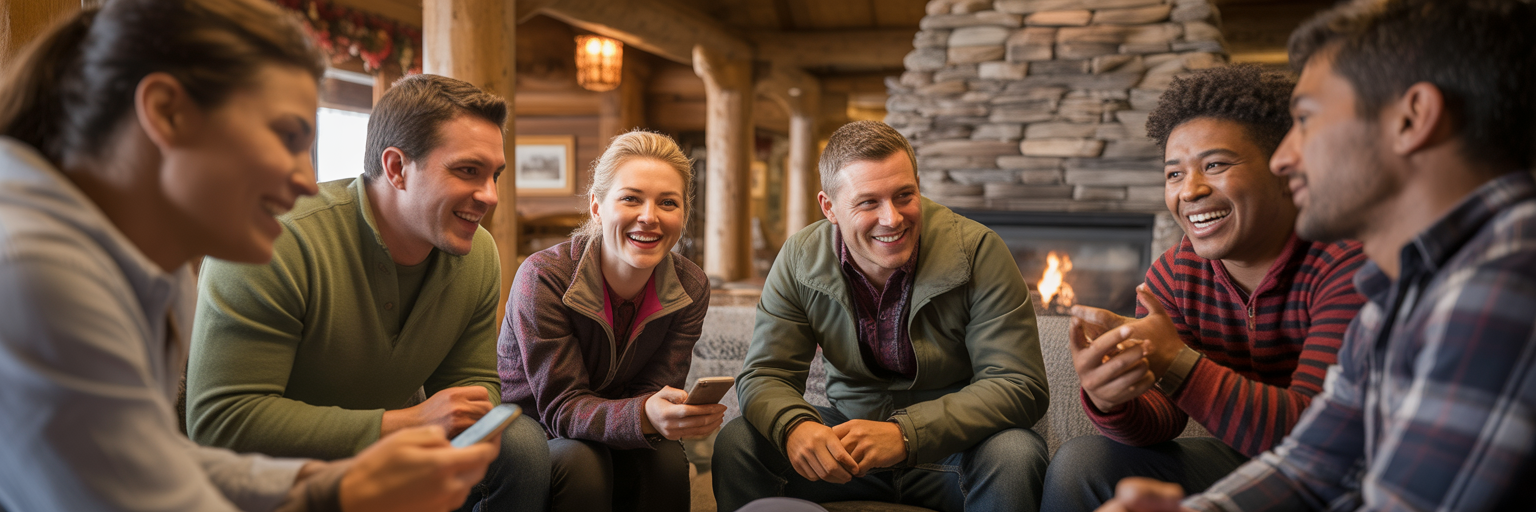
Once you’ve set your intention, the next step is putting it into practice during those crucial first moments. The initial meeting of a tour group is a unique social environment. Everyone is a little nervous, slightly out of their element, and quietly hoping to find a friendly face. This shared vulnerability creates a window of opportunity for connection, but it closes quickly as people settle into comfortable patterns.
Initiate Contact Within the First Hour
Think of the first sixty minutes of a tour as the ‘golden hour’ for making connections on tours. This is when everyone is most open to meeting new people. Don’t wait in the corner of the hotel lobby scrolling through your phone. Be the one to make the first move. It doesn’t need to be a grand gesture. A simple, “Hi, I’m [Your Name]. Are you on the [Tour Name] trip?” is all it takes. The act of initiating, more than the words themselves, signals that you are open and friendly.
Communicate with Open Body Language
Before you even say a word, your body is communicating for you. We instinctively gravitate toward people who appear approachable. Stand with your arms uncrossed, angle your body toward the person you’re speaking with, and make gentle eye contact. When you’re in a group setting, avoid burying your face in a map or phone. These small non-verbal cues act as a welcome sign, making it easier for others to approach you and for your own initiations to be warmly received.
Find and Build on Common Ground
In a group travel setting, you already have the ultimate icebreaker: the trip itself. You are all in the same place, about to share the same experiences. Use this to your advantage. Instead of searching for abstract commonalities, start with the tangible. “I’m really looking forward to the hike tomorrow, have you done much hiking before?” or “I can’t believe we’re actually going to see [Landmark]. What made you choose this trip?” These questions are easy, relevant, and immediately establish a shared context for your conversation.
The Simple Power of Remembering a Name
There’s a reason Dale Carnegie highlighted this in his 1936 classic, “How to Win Friends and Influence People.” Hearing our own name makes us feel seen and valued. In the whirlwind of new faces, making an effort to remember names is a powerful tool. A simple trick is to associate the name with a feature or a fact they shared. “This is Sarah, who loves spicy food,” or “This is Tom, the history teacher.” Using their name in a later conversation, “As Tom was saying earlier…” shows you were paying attention and that they made an impression on you. It’s a small effort with a significant impact.
Turning Shared Experiences into Shared Bonds
The real magic of group travel happens when you move from introductions to shared moments. A trip is a collection of experiences, and navigating them together is what transforms a group of individuals into a cohesive unit. Research published by the Association for Psychological Science highlights that shared experiences are felt more intensely, which in turn strengthens social connection. The awe you feel watching a sunrise over a mountain peak or the collective relief after a challenging hike becomes a shared emotional memory, the very glue of friendship.
Embrace the Psychology of Shared Moments
Every activity on your itinerary is an opportunity for connection. When the group successfully navigates a confusing subway system or laughs together at a tour guide’s terrible joke, you are building a shared history. These moments create a sense of “we-ness.” Instead of just observing these events, consciously recognize them as bonding opportunities. A simple comment like, “Well, we survived that bus ride!” acknowledges the shared experience and reinforces the connection. This is a core principle behind how to make friends traveling.
Be an Active Contributor, Not a Passive Consumer
Look for small ways to contribute to the group’s well-being. These acts of proactive kindness shift your role from a passive tourist to an invaluable team member. Offer to take a photo for a couple so they can be in the shot together. Share your snacks on a long bus ride. If you see someone struggling with their bag, offer a hand. Give a genuine word of encouragement to someone nervous about an activity. These aren’t grand gestures, but they are deposits into a bank of goodwill and camaraderie that pays dividends in friendship.
Leverage Unstructured Time for Deeper Conversations
While the scheduled activities provide the shared context, the unstructured moments in between are where deeper connections are often forged. The bus rides between cities, the shared meals, or the downtime at the hotel are not just filler. They are prime opportunities for the kind of conversations that go beyond the surface. This is when you can follow up on an earlier topic, ask more personal questions, and truly get to know the people behind the traveler personas. Don’t retreat into your headphones during these moments; see them as the social heart of the trip.
Practice the Art of Genuine Curiosity
Listening is more than just waiting for your turn to talk. Genuine curiosity is about wanting to understand another person’s story. When someone shares something, don’t just nod and move on. Ask follow-up questions. If they mention they are from a small town, ask what they love about it. If they talk about their job, ask what the most interesting part of their day is. Questions like “What was that like?” or “How did that make you feel?” show that you are not just collecting facts, but are truly interested in their experience.
The Power of Vulnerability in Forging Connections

Shared activities build camaraderie, but shared emotions build trust. This is where vulnerability comes in, and it’s often the most misunderstood part of making friends. It’s not about oversharing your deepest secrets with a stranger on day one. Instead, vulnerability is the act of letting your authentic self be seen. It’s an invitation, a signal that you are willing to move the relationship beyond the superficial. It’s the difference between a factual statement like, “This is a beautiful view,” and a vulnerable one like, “This view reminds me of a trip I took with my grandfather. I really miss him.”
Understand Vulnerability as an Invitation
Sharing something personal, even something small, is a gesture of trust. It communicates that you see the other person as more than just a temporary travel companion. When you share a personal story, a fear, or a dream, you are offering a piece of your inner world. This act implicitly invites the other person to do the same. It’s a gentle way of saying, “I trust you enough to be real with me. Can I trust you to be real in return?” This is one of the most effective social tips for group trips.
Share Your Story Incrementally
Trust is built in layers, not all at once. Think of it as “testing the waters.” You might start by sharing a small, low-risk personal anecdote. See how the other person responds. Do they listen attentively? Do they ask a follow-up question? Or do they seem uncomfortable and change the subject? Their reaction is your guide. If the response is positive and reciprocal, it signals that it’s safe to share a little more. This gradual process of reciprocal disclosure is how intimacy develops organically, without feeling forced or risky.
Create a Safe Space Through Active Listening
Being vulnerable is only half of the equation. Just as important is how you react when someone is vulnerable with you. This is your opportunity to create a safe space for them. The key is active, non-judgmental listening. Put your phone away, make eye contact, and truly hear what they are saying. Validate their feelings with simple phrases like, “That sounds incredibly difficult,” or “I can see why that would make you so happy.” You don’t need to solve their problems. You just need to show them that they have been heard and accepted.
Transition Conversations from Factual to Emotional
Many conversations get stuck at the factual level: what you did, where you went, what you saw. To build a deeper bond, you need to guide the conversation toward the emotional level: why it mattered and how it felt. You can do this by asking thoughtful questions. Instead of just asking, “What did you do in Italy?” ask, “What was the most memorable moment from your trip to Italy and why?” This shift from “what” to “why” and “how” opens the door to more meaningful discussions, transforming a simple chat into a genuine connection.
Navigating Group Dynamics and Finding Your Tribe
Every group tour is a temporary society with its own set of social dynamics. There will be different personalities, emerging cliques, and varying energy levels. Understanding how to navigate this complex environment is crucial for finding your people without getting lost in the crowd. It’s less about trying to fit in everywhere and more about finding where you fit best. This is especially important for anyone embarking on group travel for solo travelers.
Recognize and Adapt to Different Personalities
In any group, you’ll likely find a few common archetypes: the natural leader who organizes impromptu dinners, the quiet observer who takes everything in, the life of the party, and the seasoned traveler. Recognizing these personalities isn’t about labeling people, but about understanding how to best engage with them. The leader might appreciate help with logistics, while the observer might open up more in a one-on-one setting away from the group’s noise. Adapting your approach shows social awareness and flexibility.
Rise Above Cliques and Negativity
Cliques can form quickly and unintentionally as people gravitate toward those they connect with first. While it’s natural to have closer bonds with some, make a conscious effort to remain open and inclusive. Avoid getting drawn into any group gossip or negativity, which can act as a fast but flimsy bond. Instead, be a positive and neutral force. Make it a point to sit with different people at meals or on the bus. Your refusal to participate in exclusivity will be noticed and appreciated by others.
Prioritize Quality One-on-One Time
While group activities are the foundation of the trip, the deepest friendships are often solidified in smaller, more intimate settings. The noise and energy of a large group can make it difficult to have a meaningful conversation. Be proactive about carving out one-on-one time. Invite someone to grab a coffee during a free afternoon or to explore a local market together. Suggesting you explore a new place, perhaps discovering some of the unique spots you might find in our guide to Conroe, Texas, can be a fantastic bonding activity. These shared side adventures create powerful, concentrated memories away from the main group.
Become an Agent of Inclusion
One of the most admirable roles you can play in a group is that of an includer. There is almost always someone who is shy, on the fringes, or having trouble connecting. Make it your quiet mission to bring them into the fold. If you see someone sitting alone, go over and start a conversation. When making plans, turn to them and say, “We’re heading for lunch, would you like to join us?” This simple act of kindness not only makes a huge difference to that individual but also demonstrates a level of character and social leadership that others will respect and be drawn to.
Keeping the Friendship Alive After the Trip

The trip may be over, but the work of building a lasting friendship has one final, crucial stage. The shared experiences and intense bonding of travel create a powerful momentum. The key is to harness that energy before it fades into a pleasant memory. Too often, promises of “let’s stay in touch” dissolve in the routine of daily life. Turning a travel friend into a lifelong friend requires the same intentionality you applied during the trip.
Capitalize on the Post-Trip ‘Golden Week’
The first seven days after returning home are the ‘golden week’ for cementing your new connections. The memories are fresh, the inside jokes are still funny, and the shared energy is at its peak. Don’t wait for someone else to do it. Be the one to initiate a group chat to share photos and say thank you. More importantly, send individual messages to the people you connected with most. A simple, “It was so great getting to know you. I especially loved our conversation about [topic]” reinforces the personal bond and shows your friendship was more than just a vacation convenience.
Move Beyond the Group Chat
A group chat is excellent for maintaining a sense of community and sharing memories, but it’s a poor tool for deepening individual friendships. The real growth happens in one-on-one communication. Schedule a video call to catch up properly. Send a text message or an article you think they’d find interesting. These individual touchpoints show that you value them as a person, not just as a member of the travel group. This is the step that separates a fun travel buddy from a genuine, long-term friend.
Plant the Seed for a Future Adventure
Giving the friendship a future gives it life. This doesn’t have to be a grand, immediate plan for another international trip. Start small. If you live in the same city, suggest a local meetup. If you live far apart, float the idea of a reunion trip a year or two down the road. For long-distance friends, you could even start planning a visit to their hometown, perhaps getting to know a place like the real Bryan, Texas, together. Having a future event to look forward to, no matter how small or distant, keeps the connection active and gives you a reason to stay in touch. For inspiration, you can always browse collections of our city guides together.
Co-create a Shared Digital Keepsake
A collaborative project can be a fun, low-pressure way to keep the group interacting positively. Suggest creating a shared digital photo album where everyone can upload their best shots. You could even create a collaborative playlist of songs that defined the trip. This not only creates a wonderful memento but also keeps the lines of communication open as you work on it together. It’s a simple, creative way to relive the experience and reinforce the bonds you formed.
Addressing Common Barriers to Connection
Even with the best intentions, forming new friendships can feel daunting. Personal anxieties, social habits, and the fear of rejection are real hurdles. Acknowledging these barriers is the first step to overcoming them. The goal isn’t to become a fearless extrovert overnight, but to find strategies that work for you, allowing you to connect authentically within your own comfort zone.
Strategies for the Introverted Traveler
If you’re an introvert, the idea of constant social interaction on group travel for solo travelers can be exhausting. The key is to manage your social energy. Give yourself permission to opt out of an optional group dinner if you need to recharge. Focus on quality over quantity; you don’t need to befriend everyone. Aim for deeper conversations with one or two people rather than superficial chats with everyone. Use your natural observational skills to notice details about others that can lead to more meaningful questions. Your quiet, attentive nature can be a social asset, not a liability.
Bridging Gaps in Age and Background
It’s easy to assume you’ll have nothing in common with someone 20 years your senior or from a completely different culture. Challenge that assumption. The shared travel experience is a powerful equalizer. You are all navigating a new environment together, and that creates a common ground that transcends age, profession, or background. Focus on universal human themes: family, dreams, challenges, and what brings you joy. You might be surprised to find that your life experiences, though different on the surface, resonate in unexpected ways.
Overcoming the Fear of Rejection
The thought, “What if they don’t like me?” can be paralyzing. The most effective way to overcome this fear is to reframe your goal. You are not on a mission to be liked by everyone. You are on a mission to find your people. Not every conversation will lead to a deep connection, and that’s okay. Every “no, thank you” or lukewarm response simply means you haven’t found your person yet. It’s not a personal failure. When you see it as a process of discovery rather than a test of your likeability, each social attempt feels less risky and more like an exploration.
A Final Summary of Friendship Principles
Creating lasting friendships through travel boils down to a few core principles. It’s a journey that requires intention from the start and effort at the end. Keep these ideas in mind, and you’ll be well on your way to returning home with more than just souvenirs.
- Be intentional and open from the start.
- Participate fully in shared experiences.
- Ask curious questions and listen actively.
- Share your authentic self, incrementally and appropriately.
- Be an agent of inclusion and positivity within the group.
- Make a genuine effort to maintain the connection after you’ve returned home.