The Allure and Anxiety of a First Solo Journey
The desire to travel is often a desire to meet a different version of ourselves. We picture shedding our daily routines and discovering a more adventurous, open, and resilient person on the cobblestone streets of a foreign city. This powerful pull toward independent discovery is a near-universal feeling, fueled by countless images of triumphant solo explorers standing on mountaintops or journaling in quaint cafes.
The Dream of Independent Discovery
The fantasy is potent. It promises absolute freedom, a journey where every decision is yours alone. You can change your plans on a whim, spend an entire afternoon in one museum, or follow a winding alley just to see where it leads. This vision is about more than just seeing new places; it is about the profound transformation that comes from navigating the world entirely on your own terms. It’s a narrative of self-reliance and serendipity, where the greatest discoveries are not on a map but within yourself.
The Reality of First-Time Fears
Yet, for every daydream of spontaneous adventure, a wave of practical anxiety follows. These are not small worries; they are significant barriers that keep countless passports unstamped. The question of personal safety often looms largest. For many, especially women, the thought of navigating an unfamiliar city alone after dark or fending off unwanted attention can feel daunting enough to shelve the entire idea.
Then there is the quiet dread of loneliness. While solitude can be peaceful, the prospect of profound isolation, of having no one to share a stunning sunset or a hilarious travel mishap with, is a powerful deterrent. We can all picture that moment: sitting alone at a restaurant for the third night in a row, the silence feeling heavier than the freedom.
Beyond the emotional hurdles lies the sheer weight of logistics. The process of researching safe neighbourhoods, booking reliable transport, vetting tour operators, and creating a coherent itinerary can feel like a second job. This overwhelming mental load, compounded by potential language and cultural barriers, can quickly turn an exciting dream into a stressful project.
The Solo Traveler’s Dilemma
This leaves the aspiring traveler in a difficult position. You are caught between an intense desire for the growth that comes from pushing your boundaries and a legitimate fear of the unknown. The very independence you crave is guarded by a wall of anxiety and practical obstacles. The question then becomes: how do you take that first step without feeling completely overwhelmed and exposed?
A Supported Start to Independent Exploration
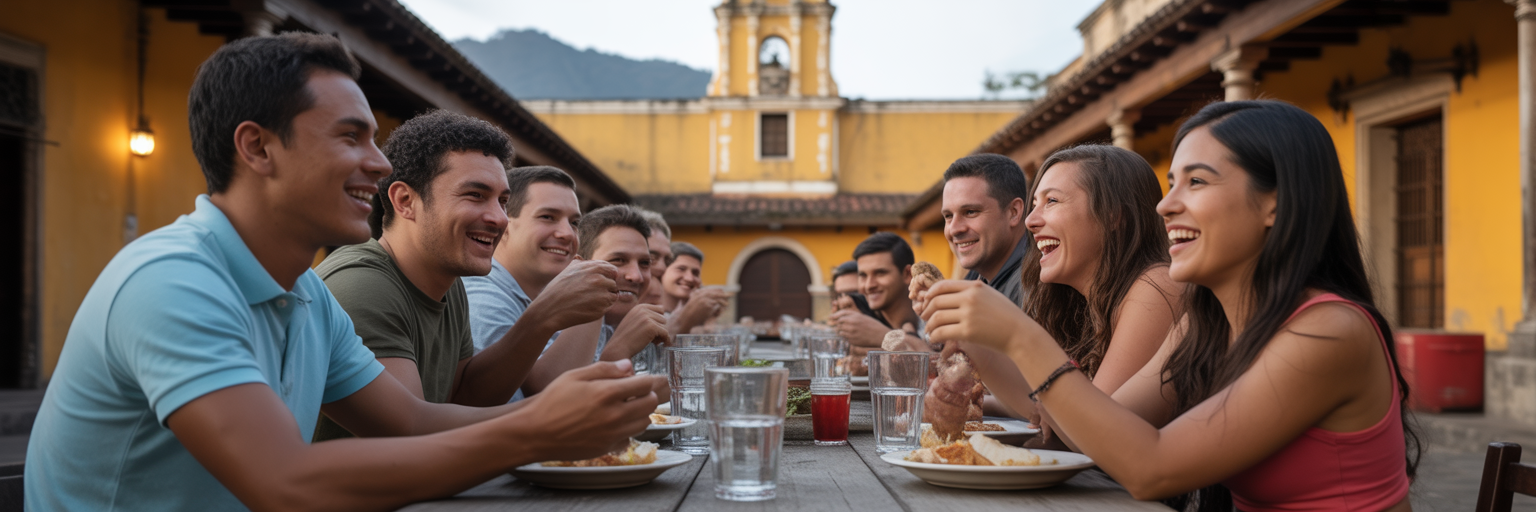
Addressing the dilemma between wanderlust and worry requires a shift in perspective. The solution isn’t to abandon the dream of solo adventure but to find a smarter way to begin. This is where the modern group tour comes in, not as a compromise, but as a strategic launchpad. Forget the outdated image of large, impersonal bus tours. Today’s travel landscape is filled with options for group travel for solo travelers that are designed for authentic connection and personal discovery.
Redefining the Modern Group Tour
The contemporary group tour is a completely different animal. Think small, curated groups of like-minded individuals, often with similar ages and interests. The focus is on experiential activities, from cooking classes in a local home to hiking remote trails, rather than just passive sightseeing. As travel resources like U30X have noted, a new generation of travel companies specializes in these small-group adventures, recognizing that travelers want both community and authenticity.
The ‘Solo-But-Not-Alone’ Advantage
This model offers a unique advantage: you arrive as an independent traveler but are instantly welcomed into a supportive community. You book your own flight and embark on your own journey, preserving that crucial sense of individual accomplishment. However, from the moment you meet your group, the fear of isolation vanishes. You have a built-in set of companions for dinner, exploration, and sharing the day’s highlights. It directly counters the dread of loneliness without sacrificing your identity as a solo adventurer.
Expert Curation Meets Personal Freedom
Perhaps the most misunderstood aspect of modern group travel is the balance between structure and freedom. A well-designed itinerary removes the immense stress of planning. The best routes, accommodations, and can’t-miss sights are already handled by experts. This frees up your mental energy from logistical headaches and allows you to be fully present in the moment. But this structure is not a cage. These tours intentionally build in designated free time, allowing you to wander, shop, or relax at your own pace. It’s the perfect blend: the security of a plan with the space for spontaneous discovery.
Integrated Safety for Complete Peace of Mind
For any first-time traveler, the abstract excitement of a trip can be quickly overshadowed by concrete questions about safety. A well-organized group tour is designed to address these concerns head-on, creating an environment where you can explore with confidence rather than apprehension. This integrated safety net is one of the most compelling reasons for a supported first journey.
The Logistical Safety Net
Much of this security is built in long before you even pack your bags. The tour company has already done the exhaustive work of vetting every component of your trip. This behind-the-scenes diligence provides a foundational layer of safety that is nearly impossible for a first-timer to replicate. This includes:
- Pre-vetted Accommodations: Hotels and guesthouses are chosen not just for comfort but for their location in safe, central neighbourhoods.
- Reliable Transportation: Using private, professional transport for transfers and excursions eliminates the risks and stress of navigating unfamiliar public transit systems.
- Trusted Local Partners: All activities, from boat trips to guided hikes, are run by operators with proven track records for safety and reliability.
The Invaluable Role of a Local Leader
The most visible element of this safety net is your tour leader. This person is far more than a guide who points out landmarks. They are a cultural interpreter, a problem-solver, and your 24/7 point of contact. They know which neighbourhoods are best to explore, how to handle a minor health issue, and what to do in an emergency. This human element is particularly crucial for ensuring safe solo travel for women, as a knowledgeable leader provides an immediate buffer against unwanted attention and helps navigate cultural nuances. Their local expertise is indispensable, whether you are in a foreign country or simply exploring a new domestic area like the one detailed in our city guide to San Angelo, Texas.
The Unspoken Security of the Group
Finally, there is the simple, unspoken security that comes from being part of a group. The concept of “safety in numbers” is a powerful deterrent to petty crime and harassment. It allows you to feel more comfortable walking around in the evening or exploring a bustling market. Beyond the immediate group, you also have the backing of an established tour company. If a major issue arises, like a natural disaster or political instability, the company has the infrastructure and emergency protocols to support you, a resource an individual traveler simply does not possess.
An Instant Community of Like-Minded Adventurers
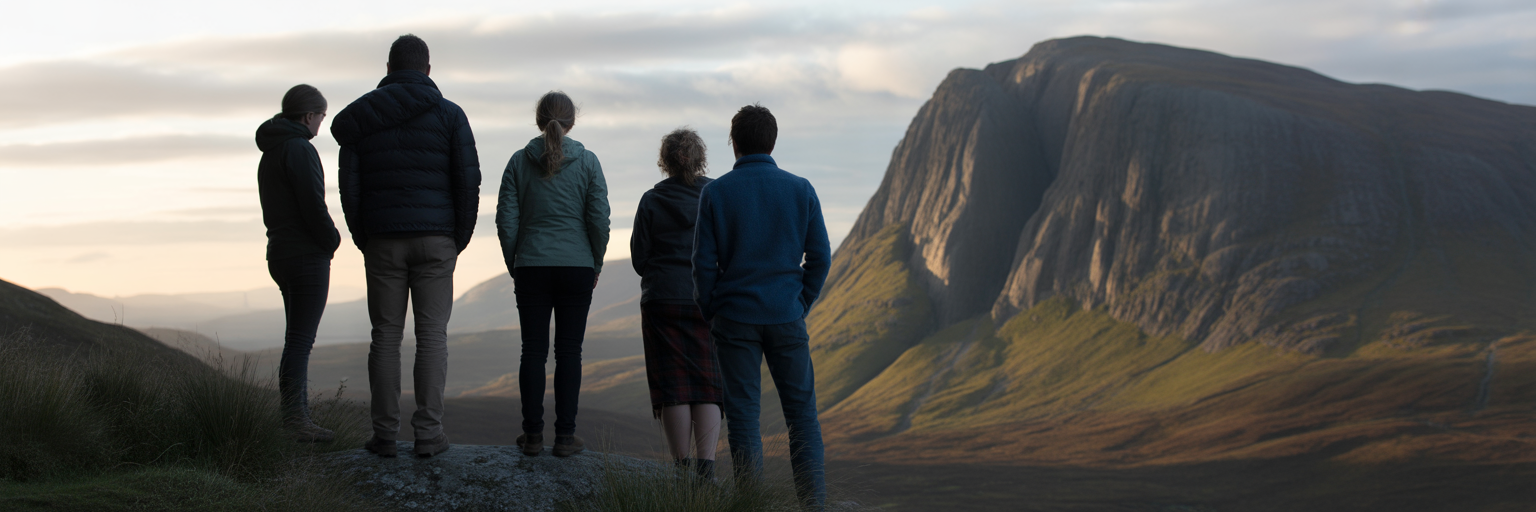
After safety, the fear of being alone is one of the biggest hurdles for aspiring solo travelers. The idea of navigating a new culture without anyone to share it with can feel isolating. A group tour transforms this potential negative into one of the most positive aspects of the journey, offering an instant community from day one.
The Power of Shared Experience
There is a unique psychological phenomenon that occurs on group trips. When you navigate a new place, overcome small challenges together, and witness moments of awe side-by-side, you form bonds much faster than you would in everyday life. Sharing the experience of watching the sunrise over a temple or laughing through a confusing meal creates a powerful, accelerated connection. These tours attract a self-selecting group of people who already share a passion for travel and an open mind, giving you a head start on finding common ground.
A Built-In Social Structure for All Personalities
But what if you’re not naturally outgoing? A common question is, is group travel good for introverts? The answer is a resounding yes. The beauty of a group tour is that it provides a low-pressure social framework. You don’t have to summon the energy to walk into a hostel common room and strike up a conversation with strangers. Shared meals, bus rides, and planned activities create natural, easy opportunities for connection. The structure does the hard work for you, allowing friendships to develop organically without the pressure of constant social initiation.
Community on Your Own Terms
This built-in community does not mean you give up your independence. A common misconception is that you will be forced into constant, 24/7 socialization. In reality, the best tours are designed to offer community on your terms. You can participate in every group dinner or opt for a quiet evening to yourself. During free time, you can team up with new friends for an excursion or choose to wander alone. This balance is key. It ensures you have a supportive network available whenever you want it, but also the freedom to recharge and explore independently. Whether you’re exploring a bustling foreign market or taking a quiet walk through a place like that described in our guide to discovering Mansfield, Texas, the choice remains yours. You get to be a solo traveler without ever having to feel truly alone.
Freedom from the Burden of Complex Logistics
One of the most overlooked yet significant benefits of group tours is the liberation from the mental load of planning. The time and energy required to organize a multi-stop international trip can be staggering, often leading to decision fatigue before the journey even begins. A group tour effectively outsources this stress, allowing you to focus purely on the experience.
Consider the logistical hurdles that are simply removed from your plate:
- Booking Accommodations: No more spending hours scrolling through reviews to find a safe, clean, and well-located hotel for each city.
- Deciphering Transport: You avoid the headache of trying to understand foreign train schedules, bus routes, or ferry timetables.
- Arranging Transfers: The stress of figuring out how to get from the airport to your hotel or between cities is completely handled.
- Vetting Activities: You don’t have to waste time researching reputable tour operators or worrying about potential scams.
- Optimizing Your Route: The itinerary is expertly designed to maximize your time and minimize inefficient backtracking, a skill that takes multiple trips to develop.
This contrast becomes even clearer when you visualize the planning process side-by-side. The table below illustrates the stark difference in effort and stress for a first-timer.
| Planning Aspect | DIY First-Time Solo Trip | First-Time Group Tour |
|---|---|---|
| Pre-Trip Research & Booking | 40-80+ hours; high stress, risk of poor choices | 2-5 hours; low stress, expert-vetted itinerary |
| Budgeting | Complex; constant tracking, risk of unexpected costs | Simplified; most major costs paid upfront |
| On-the-Ground Navigation | Potentially stressful; reliant on apps, language barriers | Seamless; private transport and local guide included |
| Decision Fatigue | High; constant decisions about where to eat, what to do | Low; major decisions handled, freeing mental energy |
| Access to Experiences | Limited by public access and individual booking ability | Access to exclusive or hard-to-book activities |
Note: Time estimates are based on planning a hypothetical 10-day, multi-city international trip and reflect the significant mental load of research, booking, and cross-referencing reviews.
Furthermore, this approach simplifies budgeting dramatically. With accommodation, transport, and many activities included in one upfront cost, you have a clear picture of your major expenses. This financial clarity provides peace of mind, allowing you to enjoy your trip without constantly worrying about your bank account.
The Ultimate Training Ground for Future Journeys
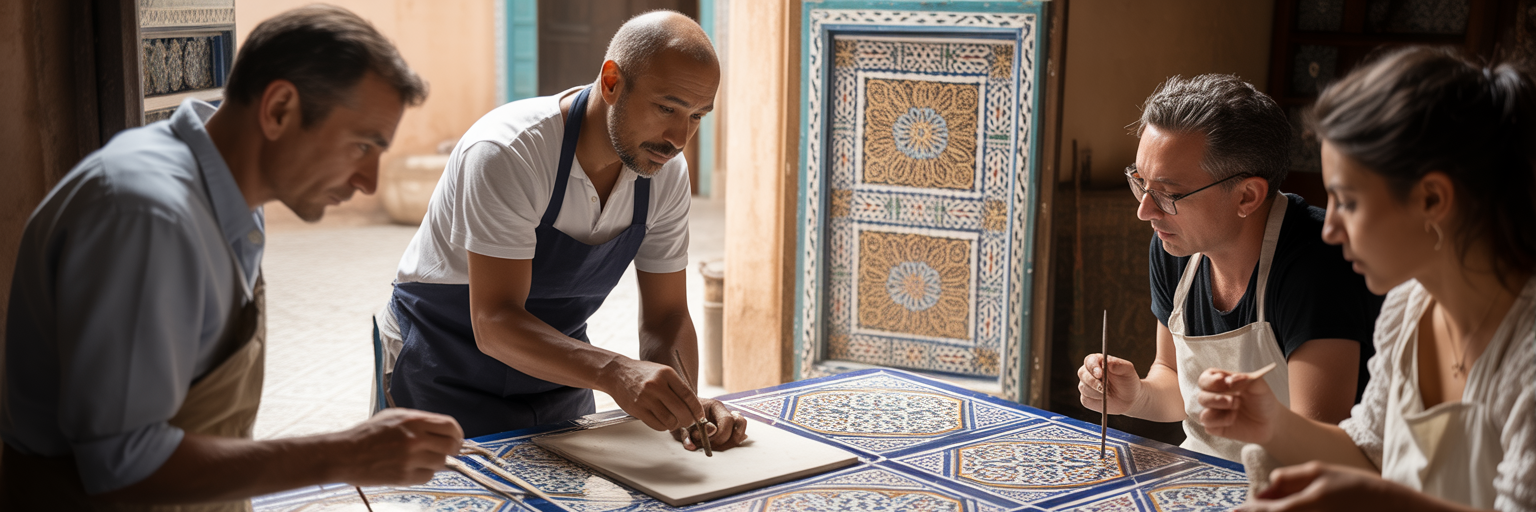
Perhaps the most powerful argument for a group tour is to see it not as a crutch, but as a training ground. It is an immersive, low-stakes workshop for becoming a more capable and confident world traveler. The goal isn’t just to have one great trip; it’s to build the skills and courage for a lifetime of them.
Learning by Doing in a Low-Risk Environment
When you wonder how to travel alone for the first time, the best answer is to learn by observation in a supported setting. On a group tour, you are an active participant in your travel education. You watch your guide navigate a chaotic train station, learn how to haggle respectfully at a market, pick up essential phrases in the local language, and understand the nuances of tipping etiquette. These are practical, real-world skills that you absorb without the pressure of having to figure them out alone. It’s like an apprenticeship in travel.
Discovering Your Personal Travel Style
A well-rounded group tour exposes you to a wide variety of experiences, from adventure sports and historical deep dives to culinary classes and relaxed beach days. This exposure is invaluable for self-discovery. You might find that you love the energy of big cities or, conversely, that you feel most alive on a mountain trail. This firsthand knowledge helps you identify your personal travel style. This self-awareness is crucial for planning future trips that are perfectly tailored to your tastes, whether you find yourself drawn to a bustling metropolis or a quieter place like the one described in our guide to Bryan, Texas.
From Apprehensive Beginner to Confident Explorer
Ultimately, a positive first experience is the antidote to fear. By starting with a safety net, you demystify the process of international travel. The abstract anxieties are replaced with proven competence. You’ve successfully navigated a new country, made friends, and handled the small challenges that come with travel. The idea of your next trip, perhaps this time truly solo, is no longer an intimidating prospect. It’s an exciting and achievable goal, because you’ve already proven to yourself that you can do it.
How to Select the Perfect First Group Adventure
Choosing to start with a group tour is a smart first step, but it’s crucial to find the right one. The term “group tour” covers a vast range of experiences, and the perfect trip for one person might be all wrong for another. Here are some essential first time solo travel tips for researching and selecting an adventure that fits you.
Before you even start looking at destinations, the most important step is a quick self-assessment. Be honest about what you truly want from this experience. With that in mind, use these key factors to vet potential tours:
- Identify Your Travel Style: Are you looking for high-octane adventure, deep cultural immersion, a relaxed pace, or a vibrant social scene? Companies often specialize, so matching their philosophy to your own is the top priority.
- Check the Target Demographic: A tour designed for 18-25 year olds will have a vastly different energy and itinerary than one for professionals aged 30-45. Look for companies that cater to your age group and life stage.
- Analyze the Group Size: Do you want an intimate experience or a larger social pool? Smaller groups, typically under 16 people, often allow for deeper connections and greater flexibility. Always confirm the maximum group size.
- Assess the Physicality Level: Read the itinerary carefully and be realistic about your fitness. If a tour is described as “active,” make sure you’re comfortable with the level of hiking, walking, or other physical demands.
- Examine the Itinerary Balance: How much of the trip is scheduled versus how much free time is included? This is important for any trip, even when exploring a city like Wichita Falls, Texas. Ensure the balance aligns with your desire for structure or independence.
- Clarify What’s Included: Scrutinize the fine print to understand what your upfront cost covers. Are all activities, entrance fees, and some meals included? Knowing this helps you budget accurately and avoid surprise expenses.
- Vet the Tour Leaders: The guide is the single most important factor in your on-the-ground experience. Look for reviews that mention guides by name and research the company’s standards for hiring and training their leaders.
By doing your homework, you’re not just booking a vacation; you’re making a strategic investment in your own confidence. A well-chosen group tour is the perfect launchpad, capable of turning apprehension into ability and unlocking a lifetime of fearless exploration.