The Modern Solo Traveler’s Dilemma
The decision to travel alone often begins with a powerful desire for absolute freedom. It’s a personal quest to see the world on your own terms, unburdened by anyone else’s schedule or preferences. This pursuit of self-discovery is deeply rewarding, offering moments of clarity and independence that are hard to find in daily life. Yet, there is a side to solo travel that rarely makes it onto perfectly curated social media feeds.
Beneath the stunning landscapes and triumphant selfies, an unexpected loneliness can quietly surface. It might appear while you’re watching a breathtaking sunset over the ocean, with a sudden ache to turn to someone and say, “Can you believe how beautiful this is?” Or it might be the subtle but constant mental load of decision fatigue. Every meal, every route, and every accommodation choice rests solely on your shoulders. This constant planning, combined with an underlying anxiety about safety in unfamiliar places, can sometimes overshadow the joy of the journey.
The reality of being alone on the road is often a mix of profound moments and mundane challenges. The curated image of the fearless, independent wanderer doesn’t always match the feeling of eating dinner alone for the fifth night in a row. This experience has led to a noticeable shift in what many solo travelers are looking for. The goal is no longer pure isolation. Instead, it’s a search for a new kind of balance: the autonomy of a solo trip combined with the enrichment of shared experiences. This evolving need has created a space for a new approach to travel, one that addresses the core desire of making friends while traveling alone without sacrificing personal freedom.
The Rise of Curated Group Journeys
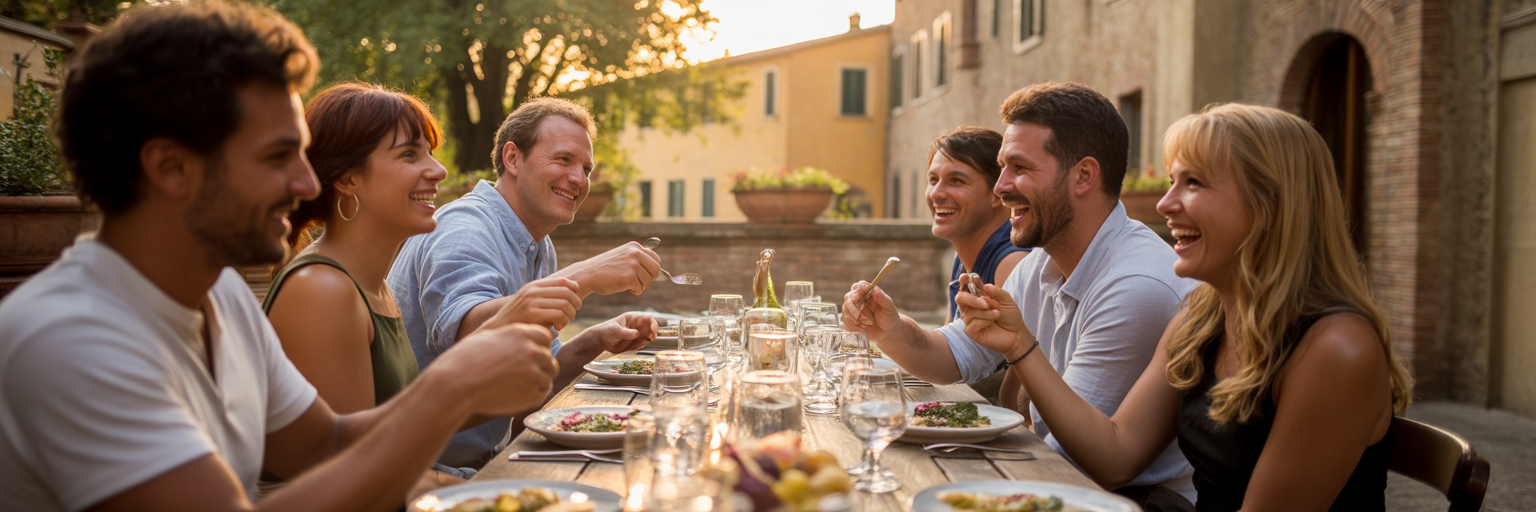
Responding to the solo traveler’s dilemma, a new category of travel has emerged, thoughtfully designed to blend independence with connection. This is not your grandmother’s bus tour, packed with 50 people following a flag. Modern curated journeys are a complete reimagining of what it means to travel with others, offering a solution for those seeking community on their adventures.
Redefining the Group Tour
The core difference lies in intention and scale. Today’s best group travel for solo travelers focuses on small, intimate groups, often with fewer than 16 people. Itineraries are built around shared passions, whether it’s a culinary exploration of Italy, a wellness retreat in Costa Rica, or an adventure trek through Patagonia. The focus shifts from simply seeing sights to experiencing them together, creating a foundation for genuine connection from day one.
Designing for Connection
The curation extends beyond the itinerary to the group itself. Many companies now design trips for specific demographics to ensure travelers share a similar life stage and mindset. This is particularly true for the best group trips for 30s and 40s, where professionals are looking to connect with peers outside their usual circles. As an article from Travel Noire highlights, travel groups are increasingly catering to different ages and styles, recognizing that common ground is a powerful catalyst for friendship. This intentional design removes the social guesswork and fosters a sense of belonging almost immediately.
The Host as a Community Catalyst
The trip leader’s role has also transformed. They are no longer just guides who point out landmarks. Instead, they are skilled community catalysts and facilitators. Their primary job is to create an inclusive, welcoming environment where every traveler feels seen and included. They orchestrate icebreakers that feel natural, encourage meaningful conversations, and ensure the group dynamic remains positive. This thoughtful leadership is one of the key benefits of curated group travel, as it takes the pressure off individuals to initiate every social interaction.
A well-designed itinerary perfectly balances structured group activities with ample free time. You might explore a local market together in the morning, then have the entire afternoon to wander the city on your own. Travelers often use this time to research specific interests, perhaps using one of our comprehensive city guides to find a hidden gallery or cafe. This structure directly addresses the solo traveler’s fear of losing their independence, offering the best of both worlds: shared moments and personal discovery.
The Psychology of Building Bonds on the Move
The deep friendships formed on group trips are not accidental. They are the result of powerful psychological dynamics that are uniquely amplified by the travel experience. Understanding why these connections feel so significant reveals the true magic of a well-curated journey. It’s not just about what you do, but how the environment shapes your interactions.
Shared Vulnerability as a Social Glue
When you step off a plane into a country where you don’t speak the language or know the customs, you immediately share a sense of vulnerability with your fellow travelers. Navigating a chaotic train station or trying to order from a foreign menu together breaks down the usual social barriers we maintain at home. This mutual reliance acts as a powerful social glue. You are no longer just strangers; you are a team figuring things out together. This shared challenge creates an instant sense of camaraderie that is difficult to replicate in everyday life.
Accelerated Friendship in the Travel Bubble
Travel creates a unique “bubble” separate from the routines and responsibilities of normal life. Within this bubble, time seems to work differently. The intensity of new sights, sounds, and experiences compresses the timeline for friendship. A week of shared adventures, from exhilarating hikes to late-night conversations, can build a bond stronger than one formed over months of casual meetups back home. The group forms a temporary, self-contained social unit, fostering a powerful in-group identity that accelerates the process of getting to know one another on a deeper level.
Beyond Small Talk: The Depth of Travel Conversations
On the road, conversations naturally drift away from the typical small talk about work and weather. Travel prompts bigger questions about life, values, and personal dreams. Watching a sunrise from a mountaintop or sharing a meal with a local family inspires discussions that are more authentic and meaningful. You learn about each other’s passions, fears, and life stories, not just their job titles. This depth of conversation allows people to connect on a human level, forging friendships based on shared values rather than circumstantial convenience.
Addressing the Challenges of Group Dynamics
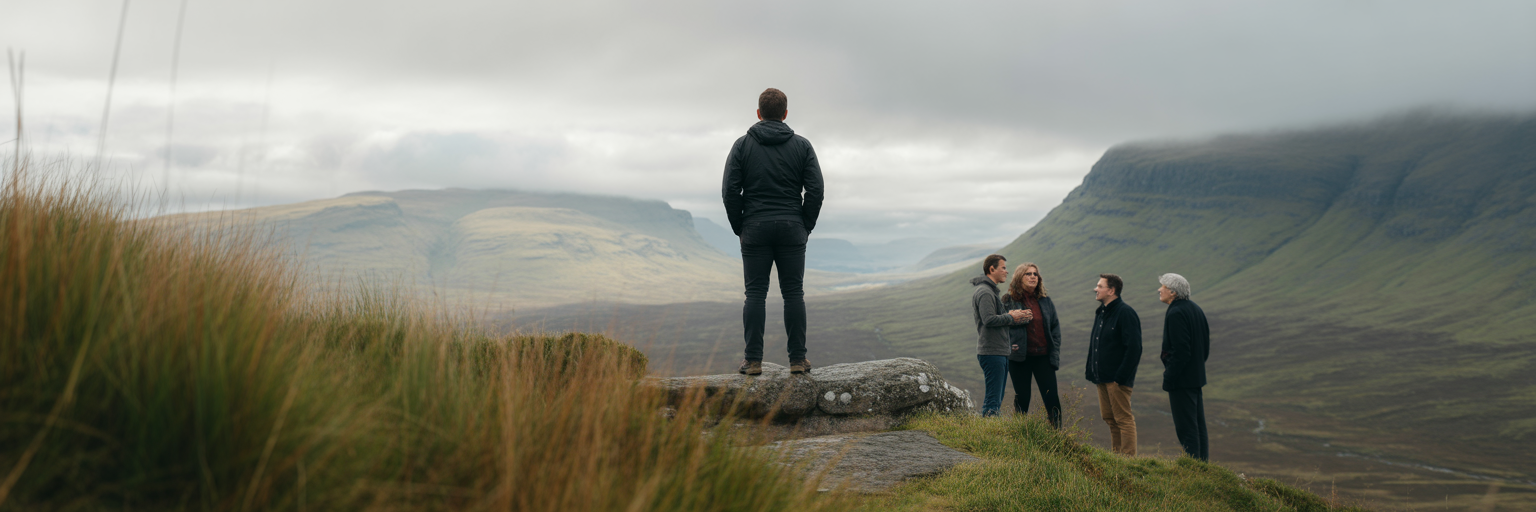
For any solo traveler considering a group trip, the biggest hesitation is often the people. What if you don’t get along with the group? What if you need time alone? These are valid concerns, and a well-managed trip anticipates and addresses them directly. The goal is not to force everyone to be best friends, but to create a respectful and harmonious environment where everyone can thrive.
Navigating Personality Clashes
It’s natural for different personalities, energy levels, and communication styles to be present in any group. The key is not to avoid these differences but to navigate them with grace. A good trip fosters an atmosphere of mutual respect, where minor frictions don’t escalate. Instead of letting small annoyances build, the focus is on the shared experience that brought everyone together in the first place.
The Importance of Personal Boundaries
One of the biggest myths about group travel is that you have to do everything together. In reality, personal time is essential for a positive experience. It is perfectly acceptable, and even encouraged, to opt out of an optional activity to read a book, take a nap, or explore on your own. Framing this as a healthy way to recharge your social battery, rather than as being antisocial, is crucial. A good itinerary will have free time built in, giving you the space to maintain your energy and enjoy the trip on your own terms.
The Leader’s Role in Maintaining Harmony
This is where a skilled trip leader proves their worth. Beyond being a logistical expert, they are a trained mediator and observer of group dynamics. They can preemptively spot potential friction and subtly steer conversations or activities to ensure a positive atmosphere is maintained. Their role is to make sure no one feels excluded and that any minor issues are resolved before they impact the group’s experience. Part of setting yourself up for success is also choosing a trip that matches your social style. Researching a destination’s vibe, for instance by reading an honest guide to a place like Conroe, Texas, can help you understand if its atmosphere aligns with your travel preferences.
Strategies for Navigating Group Dynamics:
- Assume Positive Intent: Approach interactions with the assumption that everyone is doing their best.
- Find Common Ground: Focus on the shared interests that brought you all on the same trip.
- Communicate Respectfully: If a minor issue arises, address it calmly and directly rather than letting it fester.
- Practice Patience: Remember that travel can be stressful, and everyone has different coping mechanisms.
- Embrace Alone Time: Use scheduled free time to decompress and recharge your social battery.
From Travel Buddies to Lifelong Community
The impact of a great group trip rarely ends when you board the flight home. The connections forged on the road often evolve from temporary travel friendships into a lasting, supportive community. This long-term value is one of the most transformative aspects of the experience, demonstrating the power of solo travel community building.
The transition from a travel group to an ongoing community often starts immediately. A WhatsApp group chat, created on day one for sharing photos and logistics, becomes a digital campfire after the trip. It’s where inside jokes are revisited, memories are shared, and life updates are celebrated for months and even years to come. This simple tool keeps the spirit of the journey alive and maintains the bonds that were formed.
Beyond digital connections, you suddenly have a global network of friends. This opens up a world of future travel possibilities. Instead of visiting a new city as a tourist, you can visit a friend and experience it through a local’s eyes. Imagine getting an insider tour of the best spots in a place like Longview, Texas, from someone you shared an adventure with halfway across the world. These personal connections provide a depth of cultural immersion that is impossible to achieve on your own.
The personal transformation is just as significant. Successfully navigating a new country with a group of strangers builds immense confidence and sharpens your social skills. You return home more adaptable, open-minded, and comfortable connecting with new people. This newfound social ease extends into your everyday life, enriching your relationships at home. The ultimate proof of the community’s longevity is when the group starts planning its own reunion trips, turning a once-in-a-lifetime adventure into a recurring tradition.
How to Select Your First Group Adventure
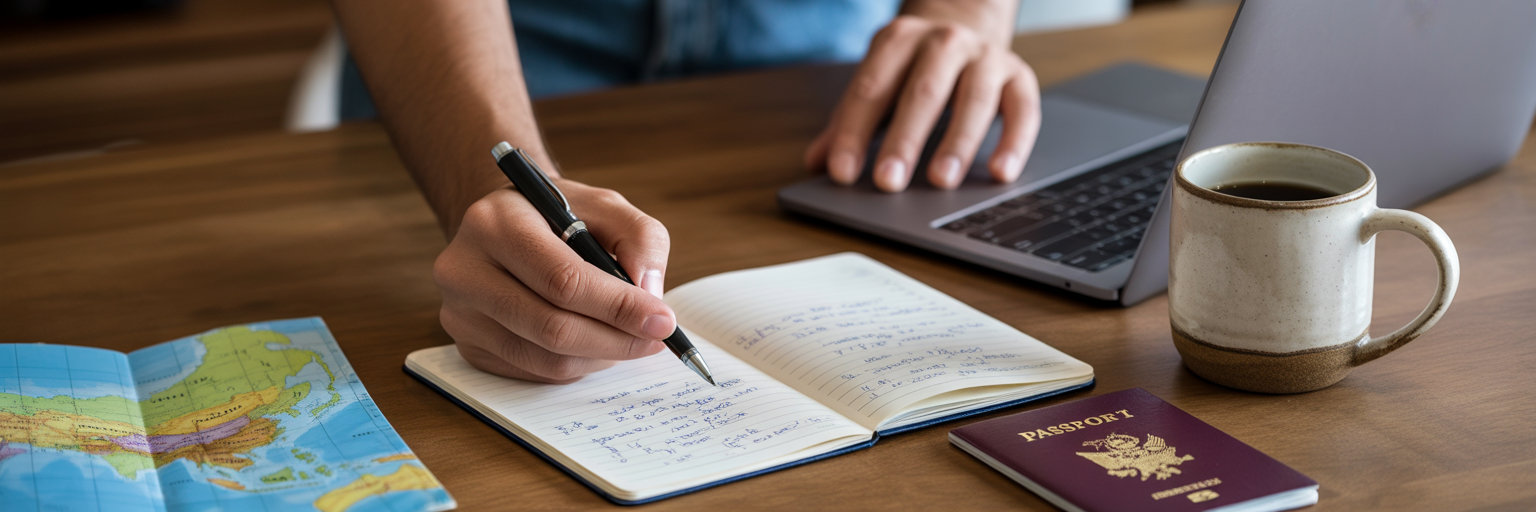
Choosing the right trip is the most critical step in ensuring a positive experience. With so many options available, it’s important to move beyond glossy photos and find a journey that truly aligns with your personality and travel goals. This practical, step-by-step guide will help you understand how to choose a group tour that delivers both community and independence.
- Define Your Travel Style and Goals: Before you even start looking, ask yourself what you want from this trip. Are you seeking high-octane adventure, deep cultural immersion, or a relaxing wellness escape? Are you an introvert who needs plenty of downtime or an extrovert who thrives on constant activity? Being honest about your preferences is the foundation for finding the right fit.
- Research Companies That Match Your Vibe: Look for operators that cater to your specific demographic and interests. Read their mission statements and “About Us” pages. Do they emphasize community, adventure, or luxury? Look for companies that are transparent about the type of traveler they attract.
- Scrutinize the Itinerary: Look beyond the list of destinations. Analyze the pacing of the trip. Is it a whirlwind tour with early mornings every day, or is there a more relaxed flow? Check the balance of planned activities versus free time. Also, consider the practical details. What is the standard of accommodation? Are most meals included? Understanding these elements, perhaps by consulting an essential guide to a city like Killeen, Texas, can help you see if the planned activities align with your interests.
- Read Reviews Critically: Don’t just look at the star ratings. Read detailed reviews and look for comments about the group dynamics and the quality of the trip leader. Positive mentions of the guide’s ability to foster connection or manage challenges are a great sign. Look for reviews from people who seem like you.
- Ask the Right Questions Before Booking: A reputable company will be happy to answer your questions. Don’t be shy about getting the information you need to make an informed decision. A clear and confident response is a good indicator of a well-run organization.
Use this checklist to vet travel companies thoroughly. The answers will provide a clear picture of the experience and help you find the perfect group adventure that aligns with your expectations for community and independence.
| Category | Question to Ask | Why It Matters |
|---|---|---|
| Group Composition | What is the typical age range and demographic of travelers on this specific trip? | Ensures you’ll be with a peer group at a similar life stage, which facilitates connection. |
| Group Size | What is the maximum number of people in the group? | Smaller groups (typically under 16) allow for more genuine interaction and flexibility. |
| Travel Style & Pace | Can you describe the pace of the itinerary? Is it fast-paced or more relaxed? | Helps you match the trip’s energy level to your personal preference to avoid burnout or boredom. |
| Solo Traveler Experience | How many solo travelers are typically on this trip? Are there single supplements, and can they be waived with a roommate match? | Clarifies how the company caters to individuals and helps manage budget expectations. |
| Leader’s Role | What is the trip leader’s background and training, especially in facilitating group dynamics? | A skilled leader is crucial for creating a positive, inclusive, and well-managed group experience. |
| Flexibility | How much free time is built into the schedule, and are all activities mandatory? | Confirms you will have the personal freedom and autonomy you value as a solo traveler. |
The Future of Connected Travel
The rise of curated journeys for individuals is more than a trend; it’s a fundamental shift in how we approach travel. As we look ahead, this movement toward more connected and intentional exploration will only continue to grow, shaped by technology, specialization, and a deeper desire for authenticity.
Technology will play a larger role in fostering community before a trip even begins. Imagine dedicated apps where travelers can connect, share excitement, and get to know each other weeks before departure. This pre-trip engagement will help break the ice early, allowing the group to arrive with a ready-made sense of camaraderie. The awkward first-day introductions will become a thing of the past.
We will also see a move toward hyper-niche trips. The market will move beyond broad categories like “adventure” or “culture” to cater to highly specific interests. Think of trips designed for amateur photographers who love street art, for writers working on their first novel, or for remote workers who want to explore a new city with a like-minded professional community. This specialization will create incredibly aligned groups, making deep connections almost inevitable.
Finally, there will be a growing emphasis on sustainable and authentic local engagement. The future of group travel for solo travelers will focus on meaningful cultural exchange, supporting local economies, and leaving a positive impact on the destinations we visit. These trips will prioritize experiences over sights, such as cooking classes in a local home or collaborations with community projects. This represents the ultimate evolution of travel: it’s becoming less about ticking places off a list and more about the transformative power of personal growth and deep human connection. In a world that can often feel disconnected, travel is emerging as one of the most powerful ways to find our tribe.