Redefining Authentic Travel in the Modern Era
We are surrounded by travel imagery. Billions of photos are uploaded from every corner of the globe, creating a digital mosaic of picture-perfect sunsets and flawless meals. Yet, amidst this visual flood, many travelers return home with a nagging feeling of disconnection, as if they saw a place without ever truly experiencing it. The more we see online, the less we seem to feel on the ground. This paradox sits at the heart of the modern search for genuine connection.
The word ‘authentic’ has been stretched so thin it’s nearly transparent. It’s stamped on everything from factory-made souvenirs to chain restaurants with faux-rustic decor. But true authenticity isn’t a product you can buy or a photo you can capture. It’s the messy, unscripted, and deeply human reality of a place. It’s the quiet confidence of a local navigating their streets, the shared laughter in a crowded market, and the stories that don’t make it into the guidebooks.
This is where the mindset of the traveler has begun to shift. We are moving away from being passive spectators ticking off a checklist of sights. Instead, there is a growing desire for active participation and meaningful interaction. The goal is no longer just to see the Colosseum, but to understand its place in the daily lives of Romans today. It’s about discovering not just what people do, but why they do it. This kind of authentic cultural travel is an antidote to the polished unreality of a social media feed.
It requires a willingness to step away from the curated and into the candid. It means trading the comfort of the familiar for the thrill of the unknown. We all know that feeling of standing in a foreign city, map in hand, feeling utterly on the outside looking in. You can see the life of the city unfolding around you, but you can’t quite find the door to enter.
A local guide is that door. They are not merely a source of information; they are a bridge between cultures. They provide the context that turns a collection of buildings into a living, breathing community. By connecting with a resident, a traveler moves beyond simple observation and begins to understand the soul of a city, which is always found in its people.
The Unseen Layers Revealed by a Resident Expert
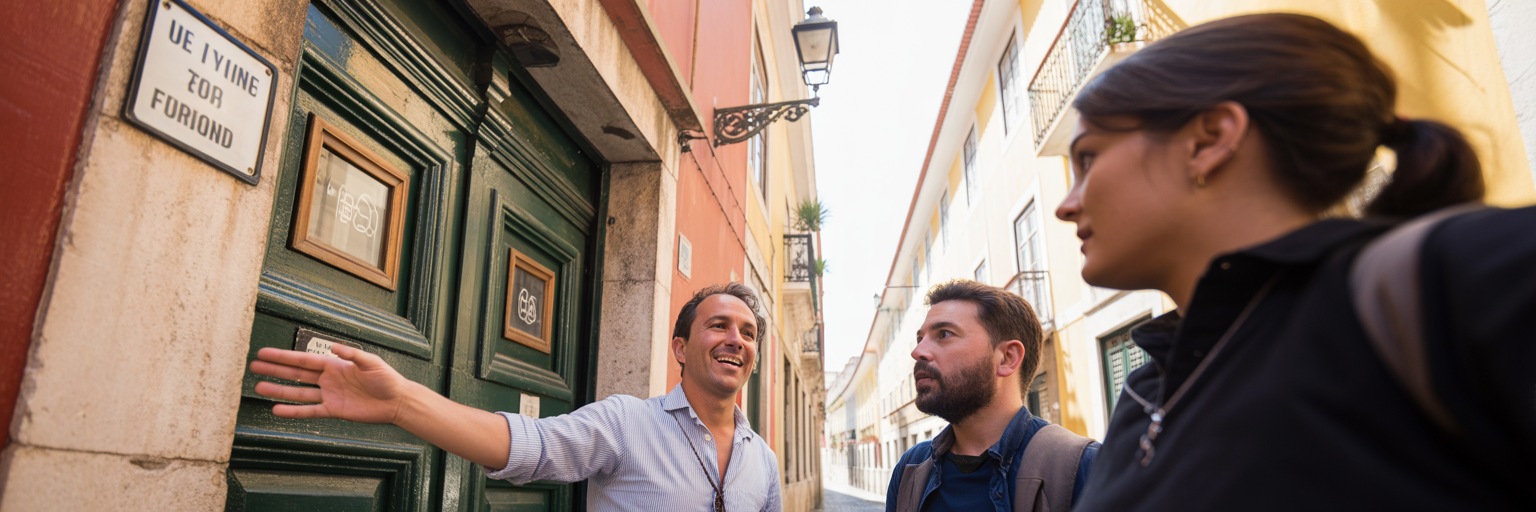
Once you decide to seek a more genuine connection, you quickly realize that a city’s most profound stories are rarely written on plaques. They exist in the memories of its people. A local guide acts as a curator of this living history, revealing the layers of a place that remain invisible to the casual observer. This is not about finding trendy spots, but about gaining access to the city’s true character.
Accessing Hidden Histories and Narratives
A guidebook might tell you when a cathedral was built, but a local guide can tell you about the generations of their own family who were married there. They can point to a faded mural on a forgotten alley wall and share the story of the artist who painted it during a time of political upheaval. That ordinary park bench is suddenly transformed when you learn it’s the legendary meeting spot for lovers from a bygone era. These personal narratives and small-scale histories are what give a place its texture and depth.
Decoding Cultural Nuances and Etiquette
We’ve all felt that moment of hesitation before entering a local shop or market. Am I supposed to greet the owner? Is it appropriate to haggle? How do I order coffee without sounding like a tourist? A guide demystifies these unspoken rules, providing the confidence needed for respectful and meaningful interaction. They teach you the rhythm of local life, from the proper way to thank a vendor to the subtle cues of conversation. This knowledge transforms you from an outsider into a more mindful visitor.
Navigating Beyond the Tourist Trail
The internet is full of articles about “hidden gems,” which often become the next crowded tourist spots. A true resident expert offers something different: access to places of genuine local importance. These are not necessarily secret, but they are authentic. It might be a neighborhood bakery cherished for its traditional pastries, a community garden where residents gather, or a bookstore that serves as a local intellectual hub. These off the beaten path tours are not about avoiding other travelers, but about finding the places that locals themselves value. It’s this kind of deep dive into a city’s unique identity that transforms a visit, much like the approach we take in our guide to exploring the real Conroe, Texas.
The Power of Context
Perhaps the most significant role of a guide is to act as a storyteller, weaving together the disparate threads of a city into a coherent narrative. They connect the history you see in the architecture, the politics you read about in the news, and the daily life you witness on the streets. A walk through a neighborhood becomes a lesson in urban development, a meal becomes an exploration of agricultural history, and a piece of street art becomes a commentary on social change. With this context, sightseeing is transformed into understanding.
From Observer to Participant in Cultural Encounters
Knowing the story behind a place is one thing; becoming a small part of that story is another entirely. The previous section focused on the knowledge a guide imparts, but their ultimate value lies in facilitating action. A great guide helps you cross the invisible line from spectator to participant, creating memories through hands-on experience rather than passive observation.
Shifting from Passive to Active Experience
Think about the difference between watching a video of a master artisan at work and feeling the clay spin under your own hands at their pottery wheel. One is information; the other is experience. A guide creates opportunities for this shift. Instead of just pointing out a famous music hall, they might introduce you to a local musician who can teach you a few chords on a traditional instrument. This transition from seeing to doing is where travel becomes truly transformative.
Culinary Immersion Beyond Restaurants
Food tours are popular, but true culinary immersion goes deeper than just tasting finished dishes. A guide can orchestrate an experience that reveals the entire lifecycle of a local cuisine. Imagine a morning spent at a bustling market, where the guide helps you select fresh, seasonal ingredients while explaining their significance. This is followed by a visit to a local home for a cooking class, where you learn to prepare a traditional meal side-by-side with your host. Sharing that meal together is not just about food; it’s about sharing stories and building a genuine human connection. This approach uncovers a region’s identity, similar to the focus in our guide to the sights and food of Longview, Texas.
Engaging with Artisans and Traditions
Every culture has its keepers of tradition, the artisans and craftspeople who preserve heritage through their work. A guide can provide respectful access to these individuals. This isn’t about a transactional visit to a souvenir shop. It’s about spending time in a weaver’s home studio, understanding the meaning behind the patterns they create. It’s about listening to a storyteller recount ancient myths that have been passed down for generations. These encounters foster a deep appreciation for the skill and dedication behind cultural traditions.
Understanding Rituals and Daily Life
Some of the most meaningful cultural experiences are found in the simple, everyday rituals of a place. This could be the evening passeggiata (stroll) in an Italian town, a neighborhood festival celebrating a local saint, or the complex etiquette of a Japanese tea ceremony. Without a guide, a traveler might witness these events without grasping their significance. A guide provides interpretation, explaining the history and meaning behind the rituals and, when appropriate, facilitating respectful participation. This allows you to understand the rhythm and pulse of daily life from the inside.
The Art of Finding Your Perfect Guide

Understanding the value of a local guide is the first step. The next, more practical challenge is finding the right person to lead your journey. This process is less about booking a service and more about finding a collaborator whose passion and expertise align with your own curiosity. To effectively hire a local guide, you need a clear strategy for navigating your options and vetting potential candidates.
Navigating the Options: Platforms, Agencies, and Direct Contact
There are three primary avenues to find a city tour guide, each with its own set of trade-offs. Large online platforms offer convenience, while direct contact provides a more personal connection. Specialized local agencies often strike a balance between the two, offering curated experiences with vetted professionals.
| Method | Pros | Cons | Best For |
|---|---|---|---|
| Large Online Platforms (e.g., Viator, GetYourGuide) | Easy booking; wide selection; user reviews. | Can be impersonal; higher fees; risk of standardized tours. | Travelers seeking convenience and last-minute bookings. |
| Specialized Local Agencies | Vetted guides; deep local expertise; often offer niche tours. | Less flexibility; may have higher price points. | Travelers with specific interests (e.g., art history, culinary). |
| Direct Contact & Referrals | Most authentic connection; supports guide directly; highly customizable. | Requires more research to find and vet; less formal booking process. | Travelers prioritizing a deep, personalized travel experience. |
When considering large platforms, it is wise to look closely at the full cost. While convenient, some have fee structures that are not immediately obvious, reminding us why understanding that small ticketing fee isn’t so small is it can be crucial for managing a travel budget.
The Vetting Process: Questions to Ask Before You Book
Once you have a shortlist of potential guides, the vetting process begins. This is your opportunity to look beyond a resume and connect with their philosophy and passion. Instead of just asking about logistics, consider asking more insightful questions:
- What is your personal connection to this city or neighborhood?
- Can you describe a favorite memory you’ve had while guiding?
- How do you tailor an experience if a traveler is interested in [e.g., modern architecture, local music]?
- What does ‘authentic travel’ mean to you, and how do you facilitate it?
- Beyond the main sights, what is one small, everyday thing about your city that you love to share with visitors?
Their answers will reveal not just what they know, but who they are. You are looking for genuine enthusiasm and a desire to share their home, not just recite facts.
Identifying Red Flags and Ensuring Trustworthiness
Just as there are great guides, there are also uninspired tour operators and resellers. It is important to identify warning signs early. Generic, copy-pasted responses to your inquiries are a major red flag. A heavy emphasis on shopping stops or a rigid, unchangeable itinerary can also indicate a less-than-authentic experience. As publications like Fodor’s emphasize, it is crucial to ask direct questions and look for genuine passion. In their article on how to find a trustworthy local guide, they highlight the importance of this vetting to avoid inauthentic tours. A trustworthy guide will have a clear, personal online presence and will be transparent about their approach. Ultimately, finding the right guide is about matching personalities as much as expertise.
Co-Creating Your Journey for a Personalized Adventure
Finding the right guide is just the beginning. The most memorable tours are not lectures delivered by an expert, but collaborations between two curious individuals. By shifting your mindset from client to collaborator, you can work with your guide to craft truly personalized travel experiences that go far beyond any standard itinerary. This partnership is what unlocks the spontaneity and magic of a place.
The Guide as a Collaborator, Not a Lecturer
The best guides see themselves as facilitators, not just fountains of knowledge. They are there to open doors and provide context, but also to listen and adapt. The journey becomes a two-way conversation. You bring your interests, questions, and energy, and they bring their local expertise and intuition. This collaborative spirit ensures the day is built around your curiosity, not a pre-written script. It’s the difference between being shown a city and being invited into it.
Communicating Your Interests Effectively
To help your guide create the perfect day, you need to communicate your interests effectively. Instead of providing a rigid checklist of sights, try thinking in terms of themes and feelings. Consider creating a “mood board” of ideas to share with them. This gives your guide the creative freedom to surprise you. To get started, you can browse different types of travel articles for inspiration, like those in our collection of city guides, to help identify what truly excites you. Think about communicating your preferences in categories like these:
- Themes: e.g., ‘Industrial history,’ ‘Contemporary art scene,’ ‘Green spaces and urban nature.’
- Pace: e.g., ‘Fast-paced and cover a lot of ground,’ or ‘Slow, with plenty of time for coffee and people-watching.’
- Sensory Experiences: e.g., ‘I want to taste local street food,’ ‘I love the smell of old libraries,’ ‘I’m interested in the sounds of local music.’
- Interaction Level: e.g., ‘I’m shy and prefer to observe,’ or ‘I’d love to talk to shopkeepers and artisans.’
This approach helps your guide understand the ‘vibe’ you are looking for, which is far more useful than a list of attractions.
Embracing Spontaneity and Unexpected Detours
The most cherished travel memories are often the ones that were never planned. A skilled guide is an expert at recognizing and seizing these spontaneous opportunities. Perhaps they hear about a local street festival happening nearby and suggest a detour. Maybe they notice your interest in old books and take you to a dusty, unlisted archive they know. These unscripted moments are possible because a human guide can read the room, sense your energy, and adapt in real-time. By leaving room for the unexpected, you allow the city to reveal itself in its own time, leading to the kind of adventure that can never be pre-programmed.
The Human Element in an Age of AI Itineraries

With the rise of powerful AI tools, a legitimate question emerges: why hire a person when an algorithm can generate a detailed itinerary in seconds? While AI is undeniably useful for logistical planning, it fundamentally misunderstands what makes travel meaningful. An algorithm can process data, but it cannot share a memory, read your expression, or feel the energy of a street. The human element remains the irreplaceable core of a truly profound travel experience.
The Limits of Algorithmic Recommendations
AI travel planners operate on logic and data. They can optimize a route, find the highest-rated restaurants, and schedule your day with ruthless efficiency. But they lack a soul. An AI can tell you that a certain café has 4.5 stars, but it can’t tell you that the elderly owner has been serving the same recipe his grandmother taught him for fifty years. It can plot the fastest way from Point A to Point B, but it will miss the scenic detour down a charming alleyway that a human guide knows by heart. AI provides information, not insight.
Why Human Expertise Remains Irreplaceable
A human guide offers what an algorithm cannot: context, intuition, and emotional intelligence. They can adapt a tour on the fly because they notice you seem tired or particularly fascinated by a piece of architecture. They can ensure your safety in unfamiliar environments in a way a phone app never could. As experts in the field have noted, a human’s ability to provide emotional context and adapt to the unexpected is something AI cannot replicate. An analysis from walking.live on crafting authentic experiences points out that this adaptability is a key differentiator. A guide doesn’t just share facts; they tell stories that resonate on a personal level, connecting history to the human experience.
Authenticity as the New Luxury
As AI-generated content and recommendations become commonplace, they also become commoditized. Anyone can get a generic, optimized itinerary. In this environment, genuine, unreplicable human experiences are becoming the new definition of luxury. The real value lies not in efficiency, but in connection. It’s the shared joke with a shopkeeper, the personal story from your guide that makes you see a landmark in a new light, or the spontaneous decision to linger in a park just because it feels right. These are moments that cannot be programmed. AI is an excellent tool for research, but the local guide is the essential partner for turning that research into a meaningful adventure.
Traveling with Purpose by Supporting Local Communities
Choosing to hire a local guide does more than just enhance your personal travel experience. It is a conscious decision that creates a positive ripple effect, contributing directly to the well-being of the community you are visiting. This approach is a cornerstone of sustainable tourism practices, transforming your trip into an act of mutual respect and support that enriches you, empowers your guide, and helps preserve the culture you have come to admire.
Direct Economic Impact
When you hire an independent local guide, your money flows directly into the local economy. It supports the guide and their family, pays for their children’s education, and helps them patronize other local businesses, from the market vendor to the neighborhood café. This is a stark contrast to booking with large, foreign-owned corporations where a significant portion of the profits often leaves the country. By investing in local expertise, you are making a direct and tangible contribution to the economic sustainability of the destination.
Fostering Cultural Preservation
Many local guides are passionate custodians of their culture. They are storytellers, historians, artisans, and community elders. By paying for an experience centered on local traditions, you create a direct economic incentive for these traditions to be preserved and passed down. When a guide sees that travelers are genuinely interested in their language, their music, their crafts, and their history, it validates the importance of that heritage. Your curiosity becomes a force for cultural continuity, ensuring that these unique traditions continue to thrive for future generations.
Promoting a More Respectful Form of Tourism
A local guide serves as a crucial cultural ambassador, bridging the gap between visitor and resident. They teach you how to navigate their home with respect and sensitivity, helping to mitigate the negative impacts of mass tourism. They can steer you toward businesses that operate ethically and encourage interactions that are built on mutual understanding rather than commercial transaction. This fosters a more thoughtful and responsible form of tourism. It also encourages the exploration of areas beyond the main tourist hubs, spreading the benefits of tourism to smaller communities, a journey much like the one we outline in our guide to discovering Mansfield, Texas. Ultimately, hiring a local guide is not just a better way to travel; it is a choice to travel with purpose.