We can all picture that moment of collective dread at the airport check-in counter. One bag is flagged as overweight, and suddenly the floor is a chaotic mess of clothes, shoes, and toiletries as the group frantically redistributes items. This familiar scene is the direct result of uncoordinated packing, where good intentions collide with logistical reality. A successful group adventure doesn’t begin at the destination; it starts with a shared strategy long before you leave home.
The Foundation of Coordinated Packing
The first step toward a smoother journey is understanding that group travel requires a fundamental shift in perspective. It’s not about what each person can fit into their own luggage, but what the group needs as a whole. This initial stage is less about physical packing and more about building a collaborative mindset that will set a positive tone for the entire trip.
Beyond the Individual Suitcase: The Pitfalls of Packing in Isolation
When everyone packs in a vacuum, predictable problems arise. You arrive at your rental to discover three hairdryers but no first-aid kit. Four people bring large tubes of sunscreen, while no one remembers a portable speaker for the beach. This redundancy not only wastes precious luggage space but also creates gaps where essential shared items are forgotten entirely.
The consequences extend beyond simple inconvenience. Uneven weight distribution is a common issue, leading to one person shouldering the burden of excess baggage fees while another’s bag is half-empty. These are not just minor annoyances; they are preventable failures that stem from an individualistic approach to a collective experience. Each duplicate item represents a missed opportunity for efficiency and teamwork.
The Mindset Shift: From ‘My Bag’ to ‘Our Gear’
True coordination begins with a mental adjustment. Think of packing not as a solitary chore but as the first collaborative activity of your trip. The conversation about how to pack for a group trip should start weeks in advance, transforming the process from a source of stress into an exercise in teamwork. This initial cooperation builds a foundation of communication that prevents friction later on.
When you shift from thinking about “my bag” to “our gear,” the entire dynamic changes. The goal is no longer to be personally self-sufficient but to be collectively prepared. This means openly discussing needs, expectations, and what each person can contribute. It’s about trusting that someone else will cover the travel adapter because it’s been assigned, freeing you up to bring the shared power bank.
The Role of a Packing Coordinator
To turn this collaborative mindset into action, it helps to designate a packing coordinator. This person isn’t a dictator who tells everyone what to bring. Instead, they act as a facilitator and a central hub for logistics. Their primary role is to create, manage, and share the master packing list, ensuring everyone has access to the same information.
The coordinator’s responsibilities include tracking who is bringing which shared items, communicating important details like airline baggage allowances, and gently reminding group members to update their progress. By having one point person, you avoid the confusion of multiple conversations and ensure that nothing falls through the cracks. This person simply keeps the team organised, making sure the plan stays on track before the adventure even begins.
Creating the Master Packing Blueprint
With a collaborative mindset established, the next step is to create the single source of truth for your trip: the master packing list. A well-organised shared packing list for travel is the foundational document that transforms packing from a chaotic scramble into a streamlined process. This blueprint ensures everyone is on the same page, eliminating guesswork and preventing the classic “I thought you were bringing it” dilemma.
Choosing Your Collaboration Tool
The right tool can make all the difference in keeping your group organised. The choice depends on your group’s tech-savviness, the complexity of your trip, and your budget. A simple shared note might work for a weekend getaway, but a multi-destination trip requires something more robust. The key is to choose a platform that is accessible and easy for everyone in the group to use.
| Tool | Pros | Cons | Best For |
|---|---|---|---|
| Google Sheets/Docs | Free, universally accessible, highly customizable, real-time collaboration. | Lacks travel-specific features, requires manual setup. | Budget-conscious groups who want full control over the list’s structure. |
| Specialized Travel Apps (e.g., PackPoint) | Pre-made templates, weather integration, activity-based suggestions. | May have a cost, less customizable, might require all members to download the app. | Groups who want a guided, automated experience and are willing to pay for convenience. |
| Shared Notes App (e.g., Apple Notes, Google Keep) | Simple, free, easy to use for basic checklists. | Limited formatting, can become cluttered, lacks advanced features. | Small groups on short trips with simple packing needs. |
This table compares common digital tools for creating a shared packing list. The choice depends on your group’s budget, tech comfort level, and the complexity of your trip.
Brainstorming and Structuring the Master List
Once you’ve chosen your tool, it’s time to build the group travel packing list. A systematic approach is most effective. Start by breaking the list down into logical categories to keep it organised and easy to navigate. Essential categories include:
- Shared Items: First-aid kit, speakers, power banks, sunscreen.
- Personal Clothing: Daywear, evening outfits, sleepwear, outerwear.
- Toiletries: Individual items like toothbrushes and shared items like shampoo.
- Electronics: Phones, chargers, cameras, and adapters.
- Essential Documents: Passports, visas, tickets, and confirmations.
- Activity-Specific Gear: Hiking boots, swimwear, formal attire.
Categorisation is especially important for trips with varied activities. For instance, a trip to a destination like those featured in our city guides requires this level of organisation, as you might be exploring historical sites by day and enjoying upscale dining by night. You can find inspiration by browsing the diverse experiences covered in our city guides.
Assigning Ownership for Shared Items
This step is all about accountability. Next to each shared item on the master list, assign a specific person’s name. This simple action eliminates ambiguity and ensures that every shared essential makes it into a suitcase. For example, one person is responsible for the comprehensive first-aid kit, while another takes charge of all necessary power banks and travel adapters. When ownership is clear, there’s no room for assumptions. The goal is to create a system where everyone knows their contribution to the group’s preparedness.
The ‘Review and Refine’ Phase
Before anyone starts packing, schedule a final group check-in to review the master list. This is a crucial step to ensure everyone agrees with the plan and to catch any last-minute issues. It’s an opportunity for someone to say, “I think we need more sunscreen for a week at the beach,” or “Does anyone have a smaller portable speaker we can bring instead?” This collaborative review process secures buy-in from the entire group and solidifies the packing plan. As noted in a pre-travel checklist by Thrillist, having a comprehensive plan that includes a detailed packing list is a key step to ensuring group trips go smoothly. This blueprint serves as that central plan.
The Art of Sharing and Dividing
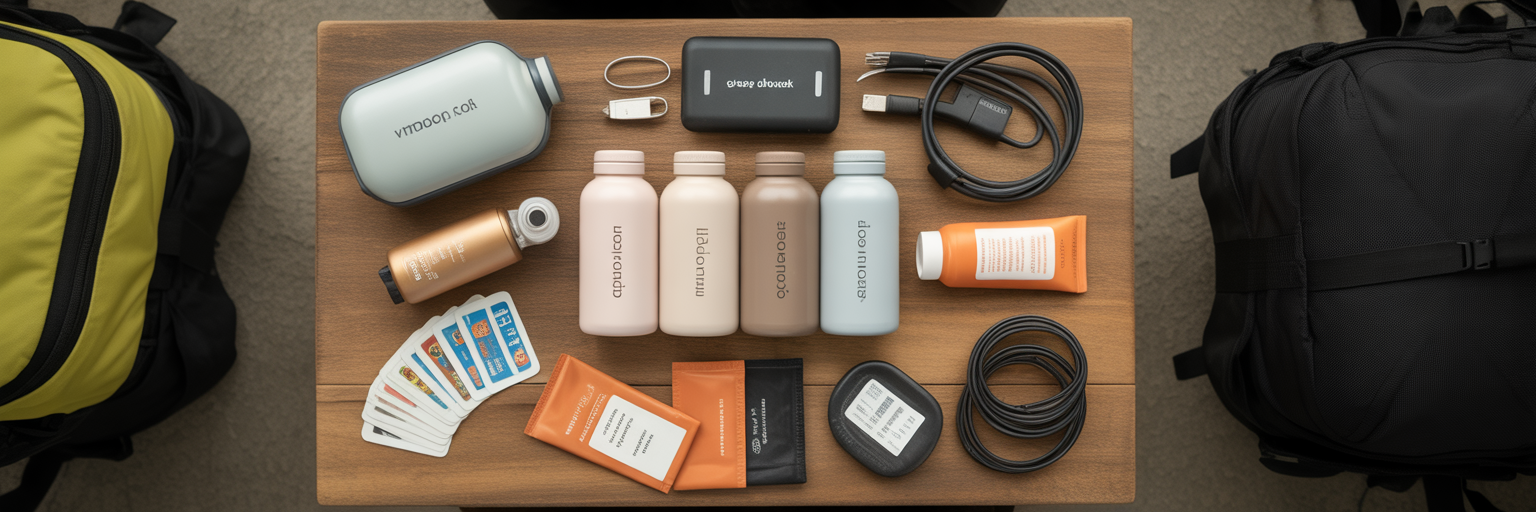
With a master list in hand, the focus shifts to the physical execution of packing. This is where you apply practical strategies to minimise redundancy and maximise luggage space. The art of sharing and dividing is about making smart decisions on which items can be communal and how to pack them efficiently. This approach is the most direct way to save space when packing in a group, turning multiple bulky items into a few streamlined essentials.
Identifying Prime Candidates for Sharing
The first step is to identify items that one person can bring for everyone to use. These are typically things that are used intermittently or where a single unit is sufficient for the whole group. By sharing these, you can dramatically reduce the overall volume and weight of your collective luggage. Prime candidates for sharing include:
- Full-Sized Toiletries: Instead of multiple small bottles, bring one or two larger bottles of shampoo, conditioner, and body wash to share.
- Sunscreen and After-Sun Lotion: One or two large bottles are far more efficient than several personal ones.
- A Comprehensive First-Aid Kit: A single, well-stocked kit is more effective than multiple small ones with overlapping contents.
- Electronics: A portable speaker, a multi-port USB charger, and universal travel adapters are perfect for sharing.
- Hair Styling Tools: One hairdryer or straightener is usually enough for the entire group.
The ‘Do Not Share’ List: Establishing Personal Boundaries
Just as important as knowing what to share is knowing what not to. Establishing clear boundaries respects personal needs and hygiene, which is crucial for maintaining harmony on a group trip. Certain items should always remain personal. Communicating this upfront prevents awkward situations and ensures everyone feels comfortable. The “do not share” list typically includes:
- Prescription Medications: These should always be kept with the individual who needs them.
- Specific Skincare or Hygiene Products: Anyone with sensitive skin or specific needs should bring their own products.
- Essential Personal Items: Eyeglasses, contact lenses and solution, and other critical personal aids.
- Undergarments and Socks: These are non-negotiable personal items.
- Critical Documents: While copies can be shared digitally, original passports and IDs should be kept by each individual.
The Decanting and Downsizing Strategy
One of the most effective space-saving techniques is decanting. Instead of packing bulky, full-sized retail containers, invest in a set of reusable, travel-sized bottles and pots. This strategy is particularly useful for shared liquids like shampoo, conditioner, and lotion. For example, rather than three people each packing a 200ml bottle of shampoo, the group can consolidate into one or two shared 100ml reusable bottles. This simple action significantly reduces both weight and the risk of spills, while also being more environmentally friendly than purchasing disposable travel-sized products.
Managing Shared Consumables Fairly
When you share items, the question of cost inevitably comes up. Who pays for the sunscreen everyone used or the snacks bought for a group hike? Addressing this proactively prevents financial awkwardness. Before the trip, agree on a system. One simple solution is to create a small group fund where everyone contributes an equal amount to cover shared expenses. Alternatively, use a payment-splitting app like Splitwise to track who bought what. One person can purchase the shared items, log the expense in the app, and the cost will be divided automatically. This keeps things transparent and fair, allowing everyone to focus on the experience rather than the receipts.
Personal Packing with the Group in Mind
While group coordination is essential, individual packing still plays a vital role. The key is to pack your personal bag in a way that complements the group’s efforts. This means being organised, self-sufficient, and mindful of shared spaces. When each person packs thoughtfully, it contributes to the overall efficiency and harmony of the trip. These packing tips for group vacation focus on how your personal choices can benefit everyone.
The Power of Packing Cubes for Individual Organization
Packing cubes are more than just an organisational tool; they are a courtesy to your travel companions. In shared accommodations like hotel rooms or rental apartments, personal clutter can quickly take over. Packing cubes keep your belongings contained and compartmentalised within your own suitcase. This makes it easy to find what you need without pulling everything out and creating a mess. When your items are neatly organised, you maintain a smaller footprint in shared spaces, which everyone will appreciate.
Building a Versatile, Cohesive Wardrobe
Resist the urge to pack for every possible scenario. Instead, focus on building a versatile, cohesive wardrobe based on a mix-and-match or capsule concept. Choose a neutral colour palette for your main pieces (trousers, shorts, jackets) and add variety with a few colourful tops or accessories. For a city with variable weather, packing layers is far more efficient than bringing bulky, single-purpose items. A combination of t-shirts, a fleece, and a lightweight waterproof shell can adapt to almost any condition, taking up less space than a heavy coat.
The ‘One Extra’ Rule for Personal Items
It’s always wise to have a backup of your most essential personal items, but this requires a balanced approach in a group setting. Adopt a “one extra” rule for your non-negotiable essentials, such as an extra pair of socks, underwear, or your contact lenses. However, it’s important to communicate this. If everyone independently decides to bring extras of everything “just in case,” you’ll end up with systemic overpacking. By focusing only on your personal must-haves, you ensure you’re prepared without contributing to unnecessary group baggage.
Your Personal Go-Bag for Transit and Day Trips
Every member of the group should have a personal go-bag or daypack for transit days and daily excursions. This bag ensures individual autonomy and safety. It should contain all your critical items, so if you get separated from the group or your checked luggage is delayed, you have everything you need. This is a non-negotiable for any traveller exploring a new place, whether it’s a bustling metropolis or a smaller town like the one detailed in our guide to Mansfield, Texas. Your go-bag should always include:
- Your wallet, ID, and passport.
- Your phone and a portable charger.
- Any personal medications.
- A reusable water bottle.
- A copy of the itinerary and key addresses.
Destination-Specific Packing Strategies
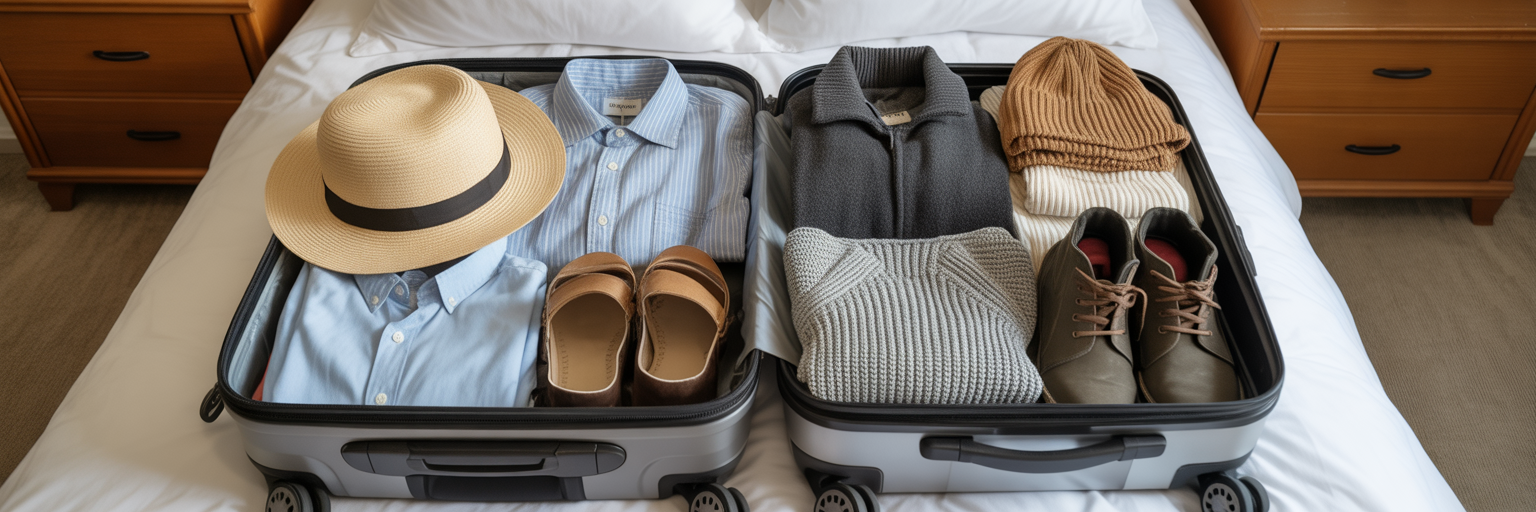
The most effective packing plan is one that is tailored to your destination. Generic advice can only take you so far; true preparation comes from understanding the specific environment you’ll be entering. This is where you align your group’s packing list with the climate, culture, and activities of your chosen city. This external focus ensures your group is not just organised, but also appropriately and respectfully prepared for the experience ahead.
Researching Climate, Terrain, and Local Conditions
Never assume what the weather will be like. A week before your trip, do a thorough check of the forecast and research the typical climate for that time of year. This research should directly inform your wardrobe choices. Packing for a humid adventure in Bangkok, for example, requires lightweight, breathable fabrics, strong sun protection, and effective mosquito repellent. In contrast, a winter trip to New York City demands thermal layers, an insulated outerwear jacket, and waterproof boots to handle potential snow and slush. Understanding the terrain is equally important, as city cobblestones and mountain trails require very different footwear.
Understanding Cultural Norms and Dress Codes
Respectful travel means being aware of and adhering to local customs and dress codes. This research is critical for ensuring your group can access all planned cultural sites without issue. For example, many temples in Southeast Asia and cathedrals in Europe require visitors to cover their shoulders and knees. Packing a few lightweight scarves, shawls, or long-sleeved shirts ensures everyone can comply without having to buy or rent items on-site. When planning a trip to a place with unique local customs, like those you might find while experiencing Mission, Texas, this research is invaluable for a smooth and respectful visit.
Packing for Planned Group Activities
Your packing list should be a direct reflection of your itinerary. Sit down as a group and review the planned activities, making sure everyone has the appropriate attire. If your trip includes both fine dining and strenuous hikes, each person needs to pack accordingly. This prevents a situation where one person has to miss out on an activity because they didn’t bring the right shoes or outfit. By coordinating for specific events, you ensure the entire group can participate fully in every part of the adventure you’ve planned together.
The Strategic ‘Buy It There’ Approach
A smart way to save luggage space is to identify items that are easy and affordable to purchase upon arrival. This “buy it there” strategy works best for generic, bulky items that are not brand-specific. Things like basic toiletries, beach towels, or certain snacks can often be bought at a local supermarket for a reasonable price. Before committing to this approach, have one person do a quick online search to confirm the availability and approximate cost of these items at your destination. This small bit of research validates the strategy and prevents any surprises.
Final Checks and Pre-Departure Coordination
The 24 to 48 hours before you leave are critical for preventing last-minute chaos. This is the time for final execution, where you double-check every detail to ensure a smooth departure. A coordinated effort in these final moments can be the difference between a stressful start and a relaxed, confident takeoff. The focus here is on verification and synchronization, making sure everyone is ready and on the same page.
The Group Weigh-In and Baggage Check
To avoid the dreaded airport repacking shuffle, schedule a group weigh-in the day before your flight. Have everyone bring their packed bags to one location and use a portable luggage scale to check the weight of each one. This practical ritual allows you to see if you are within the airline’s limits and ensures that the weight of shared items is distributed evenly across all checked bags. If any bag is overweight, you can calmly redistribute items at home instead of in a panic at the check-in counter.
Digital and Physical Document Verification
Thorough preparation is the cornerstone of stress-free travel. As a group, verify that everyone has their essential documents in order. This includes checking passport validity, confirming any visa requirements, and ensuring all flight and accommodation details are correct and accessible. A key tip is to create a shared, secure digital folder in a service like Google Drive or Dropbox. Each person can upload copies of their passport, tickets, and confirmations. This backup provides peace of mind in case physical documents are lost. This level of preparation is central to what we advocate at When In Your City.
Clarifying the Carry-On vs. Checked Luggage Strategy
The group needs to be firm and clear on what belongs in carry-on luggage versus what can be checked. All critical items must be kept in your carry-on. This is a non-negotiable rule. These items include:
- All personal medications.
- Passports, IDs, and travel documents.
- Electronics like phones, laptops, and cameras.
- A change of clothes and basic toiletries.
Additionally, strategically decide which shared items go into which checked bags. Avoid putting all the most important shared gear in one person’s suitcase. By spreading them out, you mitigate the risk if one bag is delayed or lost.
The Final Huddle for a Last-Minute Sync-Up
Schedule a brief group chat or meeting the day before departure. This final huddle is for confirming last-minute logistics and ensuring everyone feels confident. Use this time to finalize transportation plans to the airport, confirm the meeting time and place, and answer any lingering questions. This quick sync-up ensures there is no confusion on the morning of your flight and that everyone starts the journey feeling prepared and excited.
Post-Trip Insights for Future Adventures
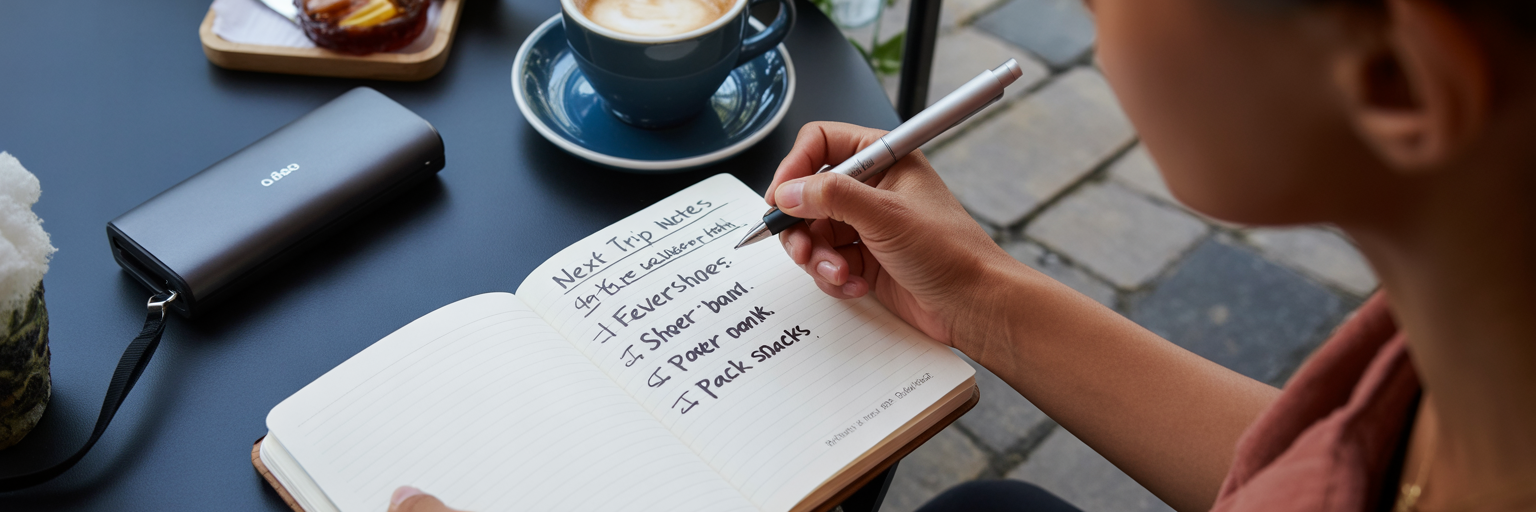
The end of a trip isn’t just a time for unpacking; it’s an opportunity to refine your process for the future. A successful group packing strategy is a skill that improves with each adventure. By taking a few moments to reflect on what worked and what didn’t, you can turn a one-time experience into a long-term asset for all your travels together.
The Post-Trip Packing Debrief
Soon after you return, have an informal discussion about packing. This post-trip debrief is a simple feedback loop that is essential for improvement. Ask key questions: What did we pack but never use? Was there anything we constantly wished we had? Did we bring too much of one shared item and not enough of another? Honest answers to these questions provide valuable insights that can be applied to your next journey.
Creating a Reusable Packing Template
The final, most valuable step is to take your successful master list and turn it into a reusable template. Open the shared document you used for planning, and refine it with the insights from your debrief. Remove the items you never used and add the things you wished you had. Save this updated version as a template for your group’s future trips. This simple action builds on your collective experience, making the planning process for your next adventure significantly faster and more efficient. Mastering group packing transforms a common source of travel stress into a streamlined, collaborative part of the fun.