Understanding the Vibe of the City of Crosses
The 320 days of sunshine here aren’t just a weather statistic; they are a constant presence that shapes how life is lived. Las Cruces is a city defined by the jagged Organ Mountains standing guard to the east and the quiet agricultural wealth of the Mesilla Valley to the west.
With a population now over 115,000, it somehow manages to hold onto the feeling of a much smaller town. The pace is unhurried. You won’t find the frantic energy of a major metropolis here. Instead, life moves with an intention that values personal connection over a packed schedule. People take the time to talk, whether it’s in a grocery store aisle or over a cup of coffee. This relaxed atmosphere is balanced by a subtle, youthful current from New Mexico State University (NMSU), which keeps the city from feeling sleepy.
The city’s name, “The Crosses,” hints at its long history as a crossroads of cultures and trade routes. That history is still very much alive, rooted in the land itself. The sprawling pecan groves and chile fields that line the Rio Grande are not just pretty scenery. They are the foundation of the local economy and the heart of its cuisine. This agricultural identity gives the city a grounded, down to earth character you can taste and feel.
Las Cruces occupies a unique space in New Mexico. It doesn’t have the high end art galleries of Santa Fe or the urban density of Albuquerque. What it offers is a more unpretentious, accessible version of New Mexican life. It’s a borderland community, and its proximity to El Paso, Texas, creates a cultural blend that is distinct from anywhere else in the state. You hear it in the language, see it in the art, and taste it in the food.
The physical setting is impossible to ignore. The Organ Mountains are more than a backdrop; they are a compass, a landmark that orients you from anywhere in the city. This dramatic landscape, combined with the relentless sun, dictates an outdoor lifestyle. The rhythm of living in Las Cruces NM, often revolves around enjoying the cool mornings for a hike or yard work, and respecting the intense heat of the afternoon. It’s a city that invites you to slow down, look up at the mountains, and breathe.
Weekend Rituals and Local Hangouts
Weekends in Las Cruces are not about chasing trends. They are about falling into comfortable, sun-drenched routines that connect people to the community and the incredible landscape. These are the rituals that define life here, far from any tourist itinerary.
The Saturday Morning Pilgrimage to the Farmers Market
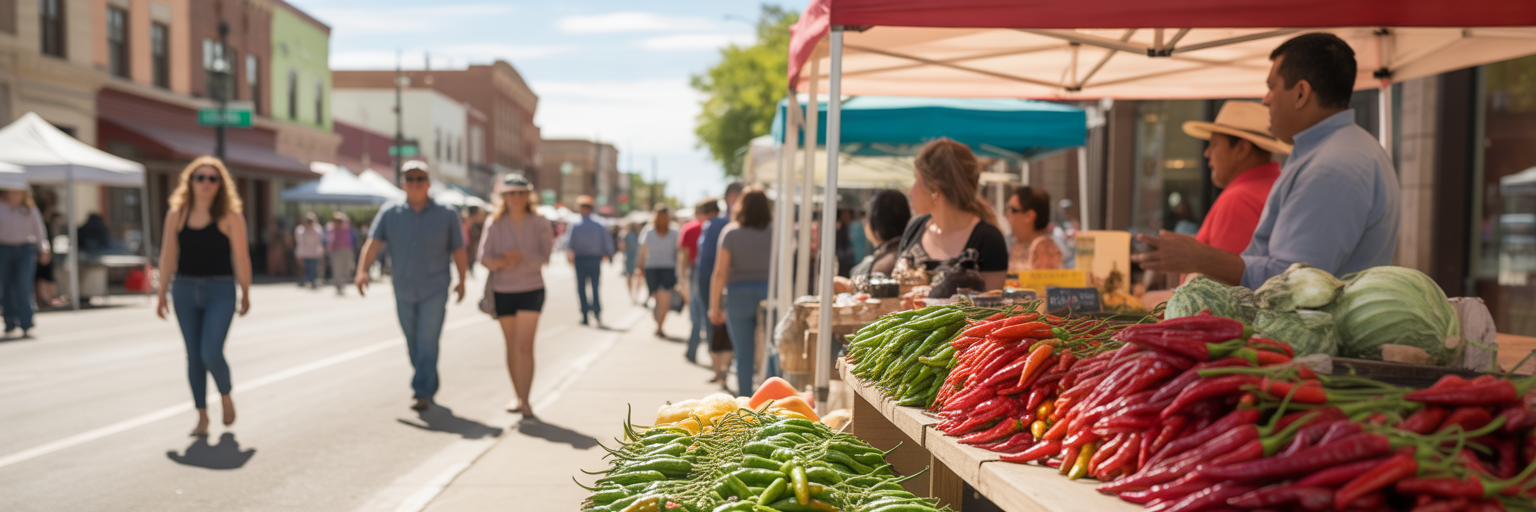
The Farmers & Crafts Market of Las Cruces, which takes over several blocks of Main Street every Saturday morning, is the city’s living room. This isn’t just a place to buy produce. It’s a full sensory experience and a social obligation. In the fall, the air is thick with the smoky, sweet smell of green chile roasting in large, hand cranked metal drums. A local guitarist might be playing on a street corner, providing a soundtrack for neighbors catching up and families strolling with their dogs. It’s where you go to see and be seen, to grab a breakfast burrito, and to feel the pulse of the community.
Answering the Call of the Mountains and Dunes
With the Organ Mountains so close, locals treat them like their own backyard. One of the most popular Organ Mountains hiking experiences is the Dripping Springs Trail. It’s an accessible path that leads to the historic ruins of Van Patten’s Mountain Camp, offering a piece of history along with stunning views. While tourists might make a quick daytime trip to White Sands National Park, locals know the real magic happens at sunset. We pack a picnic, grab a sled, and watch the sky turn brilliant shades of orange and purple over the stark white gypsum dunes. Attending a ranger led full moon hike there is another cherished local tradition.
Community Spirit and Aggie Pride
New Mexico State University is woven into the fabric of the city. On a fall Saturday, the energy shifts for an Aggie football game. The parking lots fill with tailgaters, the air smells of barbecue, and the city is covered in a sea of crimson shirts. The same passion fills the Pan American Center for basketball games. You don’t have to be an alum to feel the shared pride. NMSU sports are a unifying force, bringing the entire community together to cheer for the home team.
Afternoons in Old Mesilla and Discovering Urban Art
The historic Mesilla Plaza is more than a historical site for locals. It’s where you go to find a shaded patio at a place like the Double Eagle and sip a margarita on a warm afternoon. It’s a place to unwind, not to rush through a tour. Beyond the historic adobes, Las Cruces has a surprising amount of public art. Keep an eye out for the massive water tanks scattered around the city, many of which are covered in large scale murals depicting local history and culture. They turn a daily drive into a trip through an open air art gallery. This rhythm is unique to Las Cruces; every city has its own pulse. For instance, exploring the local scene in a place like Bryan, Texas, reveals a completely different but equally authentic way of life.
- Saturday Mornings: Join the entire city at the Downtown Farmers & Crafts Market.
- Outdoor Afternoons: Hike Dripping Springs or enjoy a sunset picnic at White Sands.
- Community Events: Catch an NMSU Aggies game to see local pride in action.
- Relaxed Evenings: Find a patio in Old Mesilla or go on a self-guided tour of the city’s murals.
Exploring Off the Beaten Path
Some of the best parts of Las Cruces are hiding in plain sight, often overlooked by visitors who stick to the main attractions. These are the places that reveal the city’s true character, cherished by those who know where to look.
The Mesquite Street Historic District: The Original Townsite
Long before the more famous Mesilla Plaza was the center of attention, the Mesquite Street Historic District was the original Las Cruces townsite. This quiet, residential neighborhood contains some of the oldest adobe homes in the city. Walking these streets feels like stepping back in time. It lacks the commercial polish of Mesilla, and that’s its charm. It’s an unvarnished, authentic piece of the city’s history where people still live, work, and maintain a deep connection to the past.
Baylor Canyon Road: A Scenic Desert Drive
Just minutes from the edge of town, Baylor Canyon Road offers a complete escape into the Chihuahuan Desert. This well maintained dirt road cuts through the pass between the Organ Mountains and the Doña Ana Mountains. The drive provides breathtakingly close views of the Organ Needle, the highest peak in the range. It’s a place to pull over, shut off the car, and experience the profound silence of the desert. For locals, it’s a quick and easy way to feel completely removed from the city and immersed in the raw beauty of the landscape.
Prehistoric Trackways National Monument: A Hike Back in Time
This isn’t your typical national monument with a paved loop and a large visitor center. The Prehistoric Trackways National Monument is a rugged, undeveloped wilderness area that protects 280 million year old fossilized tracks. Finding them requires effort. You have to be willing to hike into the desert, following rough trails to see the faint impressions left by ancient creatures. This challenge is precisely why it remains one of the best hidden gems New Mexico has to offer. It’s a place for discovery, not passive sightseeing. Before you go, it’s essential to check trail conditions and get directions, as the area is remote. The Bureau of Land Management provides detailed visitor information to help you prepare for the hike.
The Recycled Roadrunner: A Quirky Local Icon
Standing twenty feet tall just off the highway, the Recycled Roadrunner is a beloved piece of local folk art. Created by artist Olin Calk, this massive sculpture is made entirely from discarded items sourced from the city dump, including old sneakers, electronics, and toys. It’s a quirky and creative testament to the resourceful, unpretentious spirit of Las Cruces. It’s not a formal monument, but it’s an icon that captures the city’s character perfectly.
Authentic Flavors of the Mesilla Valley
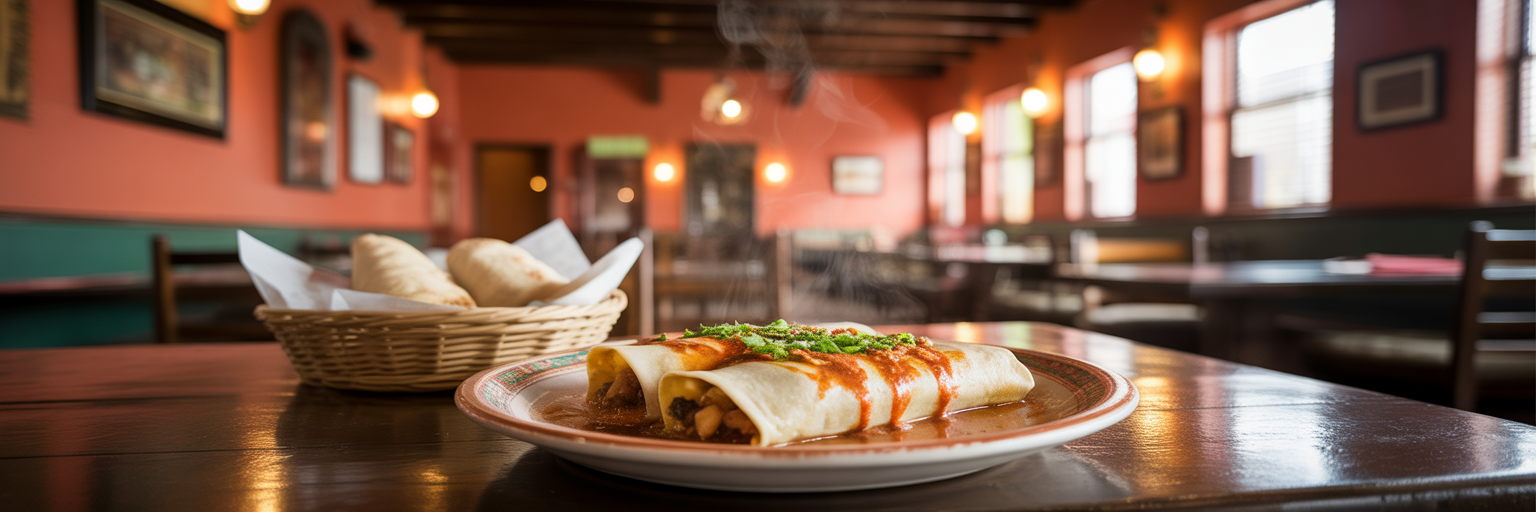
To understand Las Cruces, you have to understand its food. The cuisine here is a direct reflection of the Mesilla Valley’s agricultural heritage, and it all revolves around one essential ingredient: chile. Finding the best restaurants Las Cruces has to offer means skipping the chains and heading to the local spots where recipes have been perfected over generations.
The Essential Question: Red or Green?
In any New Mexican restaurant, the first question you’ll be asked is “Red or green?” referring to the type of chile sauce you want on your dish. This is not a trivial choice. Green chile is made from freshly roasted peppers, giving it a bright, sharp, and often intensely spicy flavor. Red chile is made from dried red chile pods, which are rehydrated and blended into a sauce with a deep, earthy, and smoky taste. If you can’t decide, just say “Christmas,” and you’ll get both. Just as chile defines the food here, you can explore the distinct local flavors of other places in our comprehensive city guides.
| Chile Type | Flavor Profile | Common Dishes | Typical Heat Level |
|---|---|---|---|
| Green Chile | Bright, sharp, roasted, vegetal | Enchiladas, stews, cheeseburgers, rellenos | Medium to Very Hot |
| Red Chile | Earthy, deep, smoky, slightly sweet | Enchiladas, carne adovada, tamales, posole | Mild to Hot |
| Christmas | A combination of both red and green | Any dish where both can be applied, especially enchiladas | A mix of both heat levels |
This table breaks down the fundamental choice in New Mexican cuisine. The selection of red, green, or ‘Christmas’ style chile is a matter of personal preference and tradition, with flavors varying significantly from one restaurant to another.
Andele’s Dog House: Casual, Lively, and Authentic
This is not a fine dining establishment. Andele’s Dog House is a loud, casual, order at the counter joint with a sprawling, dog friendly patio that is almost always packed. It’s a local institution. The main draw, besides the lively atmosphere, is the incredible food and the extensive salsa bar. Locals flock here for everything from the rich carne adovada to the surprisingly delicious green chile cheese dogs. It’s fast, fresh, and consistently great.
La Posta de Mesilla: A Taste of History
While La Posta is well known to tourists, locals still hold it in high regard, typically reserving it for special occasions or for when out of town guests visit. The restaurant is housed in a 19th century adobe compound on the Mesilla Plaza, and the atmosphere is part of the experience. You walk through historic rooms filled with lush indoor plants and even a few talking parrots. It’s a place that proudly showcases the region’s history alongside its classic New Mexican dishes.
The Shed: Home of the Perfect Breakfast Burrito
The Shed is the definition of a no frills local spot. Located on the corner of Solano and Organ, this small diner is a breakfast and lunch institution. The reason is simple: they make what many consider to be the perfect breakfast burrito. It’s a simple, hearty, and delicious meal that fuels the start of the day for countless Las Crucens. Don’t expect fancy decor, just expect a fantastic, straightforward meal.
Nellie’s Cafe: A Generational Tradition
For a taste of pure, soulful tradition, you go to Nellie’s Cafe in the Mesquite Street Historic District. This family run diner has been serving the community for decades, and the recipes feel like they’ve been passed down through generations. It’s a small, unassuming place where families have been gathering for years. A signature dish like their sour cream enchiladas offers a comforting taste of home for many locals. Eating at Nellie’s feels less like a transaction and more like being welcomed into a family kitchen.
The Daily Rhythm of Life in Las Cruces
Living in Las Cruces is a conscious choice to embrace a different rhythm. It’s a life measured by the position of the sun and the color of the mountains, not by the minute hand of a clock. Understanding this daily flow is the key to understanding the city’s soul.
The pace of life is deliberately slow. A fifteen minute drive is considered a long commute, and traffic is rarely a source of stress. People expect to have unhurried conversations, whether it’s with the cashier at the grocery store or the barista at a local coffee shop. This isn’t a sign of inefficiency; it’s a cultural value that prioritizes human interaction. The friendliness here is genuine and neighborly. It’s a place where people still make eye contact and smile on the street, where community events are well attended, and where a strong sense of collective pride exists without being boastful.
The weather is the silent director of daily life. With over 320 days of sunshine a year, life is structured to be lived outdoors. The daily schedule for many follows a natural pattern. Mornings are for activity, whether it’s hiking in the mountains, tending a garden, or walking the dog along the irrigation ditches, known as acequias. The intense heat of the afternoon is a time for indoor work or a quiet siesta. As the sun begins to set and the air cools, life moves back outside onto patios and porches to enjoy the pleasant evenings.
The cost of living contributes significantly to the quality of life. This isn’t just about numbers on a spreadsheet; it’s about what affordability feels like. It means less financial pressure and a greater sense of ease. This feeling of financial ease is backed by data; according to a 2024 analysis by Payscale, the cost of living in Las Cruces is 11% lower than the national average, with housing being significantly more affordable. For many, this translates to the real possibility of owning a home with a yard and having enough disposable income to enjoy the local restaurants and cultural events without constant financial worry.
Ultimately, this Las Cruces local guide shows that choosing to live here is a deliberate move toward a simpler, sun drenched life. It’s for people who want to know their neighbors, who find peace in a mountain view, and who value community and tradition over the relentless hustle of a larger city. This deep dive into the city’s character is what we aim for in all our explorations, offering a genuine look at what makes each place tick on our homepage.