Setting the Stage for a Shared Adventure
Some of life’s most vivid memories are born from shared experiences. The inside jokes, the collective awe at a sunset, the bond formed over a missed train. This is the heart of group travel, an opportunity to see the world not just through your own eyes, but through the eyes of others. For a first-time traveler, the idea can be both thrilling and daunting. The appeal is clear: built-in companionship, a pre-planned itinerary that removes the stress of logistics, and a sense of safety in numbers. It’s a structured way to step into the unknown.
Yet, we can all picture the potential anxieties. What if the schedule is too rigid? What if you don’t connect with anyone? These concerns are valid, but they are manageable aspects of a trade-off for a much larger experience. The fear of a packed itinerary often overlooks the freedom that comes from not having to decide where to eat every single night. The worry about personality clashes can obscure the chance to meet people from entirely different walks of life, people you would never have crossed paths with otherwise.
Think of it less as giving up control and more as gaining a different kind of freedom. It’s the freedom to be fully present in a moment because someone else is handling the directions. It’s the security of knowing you have a support system if something goes wrong. This journey is about more than just seeing new places. It’s an exercise in collaboration, patience, and opening yourself up to unexpected connections. The friendships forged on the road are often deep and lasting, built on a foundation of shared discovery. The following tips for first time group travel are designed to help you manage the practicalities so you can fully embrace the adventure.
Tip 1: Select a Tour That Matches Your Travel DNA
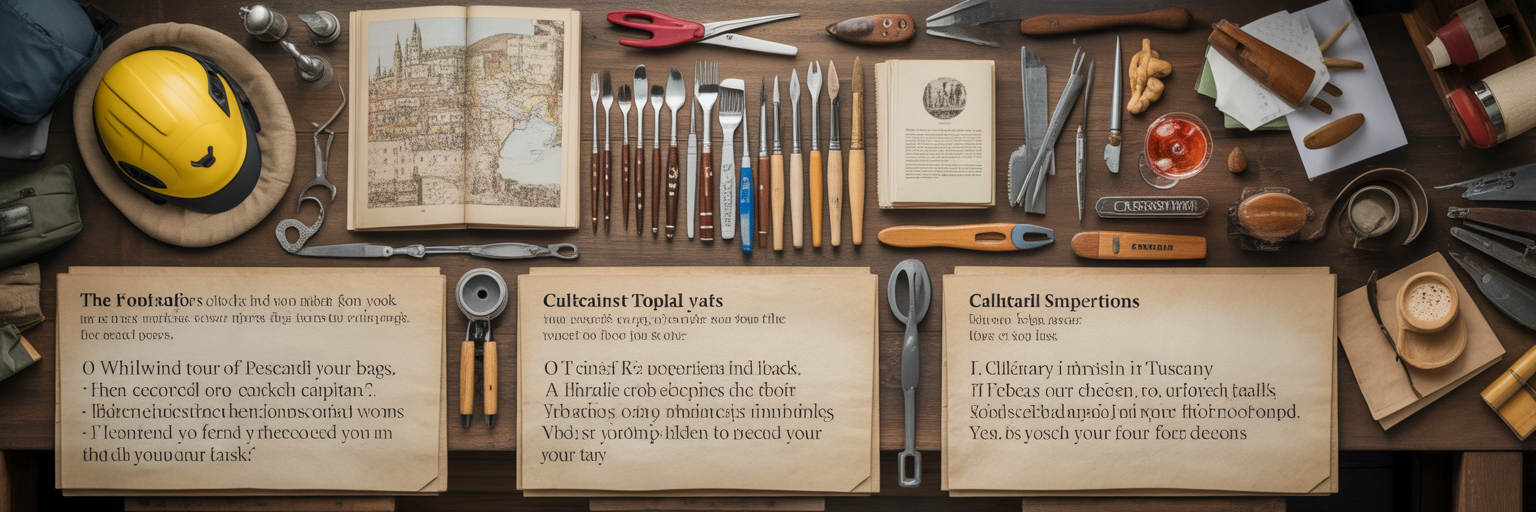
The single most important decision you will make happens long before you pack your bags. It’s the research phase, where you align a tour with your personal travel style. Tour descriptions are filled with clues, and learning to decode them is your first task. A “whirlwind tour of Europe’s greatest capitals” promises a fast-paced, checklist-driven experience. In contrast, a “culinary immersion in Tuscany” suggests a slower, more focused journey. Neither is better, but one is likely a better fit for you. Are you someone who wants to see as much as possible, or do you prefer to linger in one place and absorb its atmosphere?
Beyond the pace, consider the group itself. Choosing a small group tour of 12 people creates an intimate, flexible dynamic that feels like traveling with a large group of friends. A coach tour with 40 people offers a different energy, often with more anonymity but less personal access to the guide. There is no right answer, only what is right for you. Look at the tour operator’s typical demographic. Are they catering to young backpackers, families, or retirees? This will profoundly shape the social environment of your trip.
Before you commit, create a checklist to vet the operator. Read independent reviews on multiple platforms, not just the testimonials on their site. Scrutinize the “inclusions” and “exclusions” list. Are museum entrance fees covered? How many meals are on your own? A cheap base price can quickly inflate with hidden costs. Finally, check for their responsible tourism policies. Do they work with local guides and businesses? This upfront diligence is not just about avoiding disappointment. It is the foundational step that ensures the entire experience is built on a solid, well-matched base. For those still discovering their travel style, platforms like When In Your City offer inspiration for every kind of traveler.
Tip 2: Master Your Budget Beyond the Initial Price
One of the most common pitfalls for first-time group travelers is misunderstanding the total cost. The sticker price of a tour is rarely the final price. It’s the starting point. The term “all-inclusive” can be misleading, so a critical part of budgeting for a group trip is to look past the headline number and anticipate the additional expenses that will inevitably arise. A well-planned budget is not about restriction; it’s about giving yourself the freedom to enjoy your trip without financial anxiety.
Most tours cover accommodation, transportation between cities, and some meals, usually breakfast. This leaves a significant portion of your daily spending in your hands. To avoid surprises, you need to account for these common extra costs. As travel experts at Cheshire People and Places highlight, a good rule of thumb is to add a 15-20% buffer to your tour’s base price for these incidentals. For a $2,000 tour, this means setting aside an additional $300 to $400 for on-the-ground expenses. This buffer is your peace of mind, allowing you to say “yes” to a spontaneous boat trip or a memorable dinner without constantly checking your bank account.
To help you plan, here is a breakdown of typical costs to anticipate:
| Expense Category | Estimated Cost | Why It’s Important to Budget For |
|---|---|---|
| Optional Excursions | $50 – $200+ per activity | These are often the most memorable experiences but are rarely included. |
| Lunches & Dinners | $30 – $70+ per day | Tours typically only include breakfast, leaving two meals a day to cover. |
| Guide & Driver Tips | $10 – $15 per day | A standard and expected part of tour etiquette in many regions. |
| Travel Insurance | $100 – $300+ per trip | Non-negotiable for covering medical emergencies, cancellations, or lost luggage. |
| Personal Spending | $20 – $50+ per day | For souvenirs, snacks, coffee, and spontaneous discoveries. |
Note: These figures are estimates and can vary significantly based on destination, travel style, and personal spending habits. The table serves as a general guide to help first-time travelers anticipate costs.
A final, often overlooked expense is tipping. In many parts of the world, tipping your guide and driver is not just appreciated, it’s expected. Your tour operator should provide guidelines, but budgeting around $10-$15 per day for your main guide is a safe bet. Planning for these costs transforms them from stressful surprises into manageable parts of your travel plan.
Tip 3: Understand the Itinerary’s Pace and Physicality

Learning to read between the lines of an itinerary is a crucial skill. Vague phrases like “city tour” or “explore the old town” can mean anything from a leisurely one-hour stroll to a four-hour march over cobblestones. A key part of understanding what to expect on a group tour is to become a critical analyst of its daily schedule. Look for keywords that signal the tour’s intensity. Phrases like “early start,” “full day of activities,” or “long travel day” are red flags for a fast-paced trip. Conversely, terms like “at your leisure” or “optional afternoon” suggest a more relaxed structure.
Do not hesitate to ask the tour company for specifics. How many miles or kilometers of walking are typical on an average day? Are there significant elevation gains on that “scenic hike”? An honest self-assessment of your fitness level is essential here. That breathtaking view from the top of a mountain will feel miserable if you were not physically prepared for the climb. It is far better to choose a tour that matches your current abilities than to spend your vacation struggling to keep up. Your comfort is paramount to your enjoyment.
This preparation extends beyond just physical fitness. Consider the environmental realities of your destination. A tour through the mountains might require layers for fluctuating temperatures, even in summer. A trip through a developing region could involve long hours on bumpy roads or stays in more basic accommodations. Being mentally prepared for these conditions prevents them from becoming sources of frustration. For instance, knowing the local terrain before you go, like in our guide to Killeen, Texas, helps you pack the right footwear and set realistic expectations. This foresight allows you to embrace the journey, bumps and all, as part of the authentic travel experience.
Tip 4: Pack Light, Pack Smart
There is a golden rule for group tour packing: you carry it, you pack it. It’s easy to forget this when you are neatly arranging outfits in your bedroom. But picture this: hauling a 25kg suitcase up three flights of stairs in a historic hotel with no elevator, or trying to cram it onto an already crowded train. This is the reality of many tours, and overpacking is the quickest way to turn a dream trip into a logistical nightmare. A core part of knowing how to prepare for a group tour is mastering the art of smart, minimalist packing. The goal is not deprivation; it is mobility and freedom.
Embrace the concept of a capsule wardrobe. This involves selecting a small number of versatile items in a complementary color palette that can be mixed, matched, and layered. A few high-quality pieces are worth more than a dozen trendy ones. A merino wool shirt, for example, can be worn for days without retaining odor, making it perfect for travel. A large, lightweight sarong can serve as a scarf, a beach cover-up, a towel, or even a makeshift curtain for privacy. Think in terms of function and versatility, not quantity.
Beyond clothing, several essential items are often overlooked but can dramatically improve your comfort and experience on a group tour. Make sure your bag includes:
- A portable power bank: You will be competing with your fellow travelers for limited outlets in hotels and on buses. A personal power bank is non-negotiable.
- A reusable water bottle: Staying hydrated is key, and having your own bottle is both environmentally friendly and convenient.
- Personal medications: Pack more than you think you will need, along with copies of your prescriptions. Do not assume you can easily find your specific medication abroad.
- A basic first-aid kit: Include essentials like pain relievers, blister plasters, and antiseptic wipes for minor issues.
- High-quality earplugs and an eye mask: These are your best friends for getting rest on noisy bus rides or in brightly lit hotel rooms.
Packing light is a mindset. Every item you leave behind is a little more freedom you gain on the road.
Tip 5: Communicate Your Needs Proactively
On a group tour, your well-being is a shared responsibility, but it starts with you. Proactive communication is not about being demanding; it is a form of self-care that prevents small issues from becoming major problems. It also shows respect for your guide and fellow travelers by giving them the information they need to help accommodate you. This communication must begin long before your departure date.
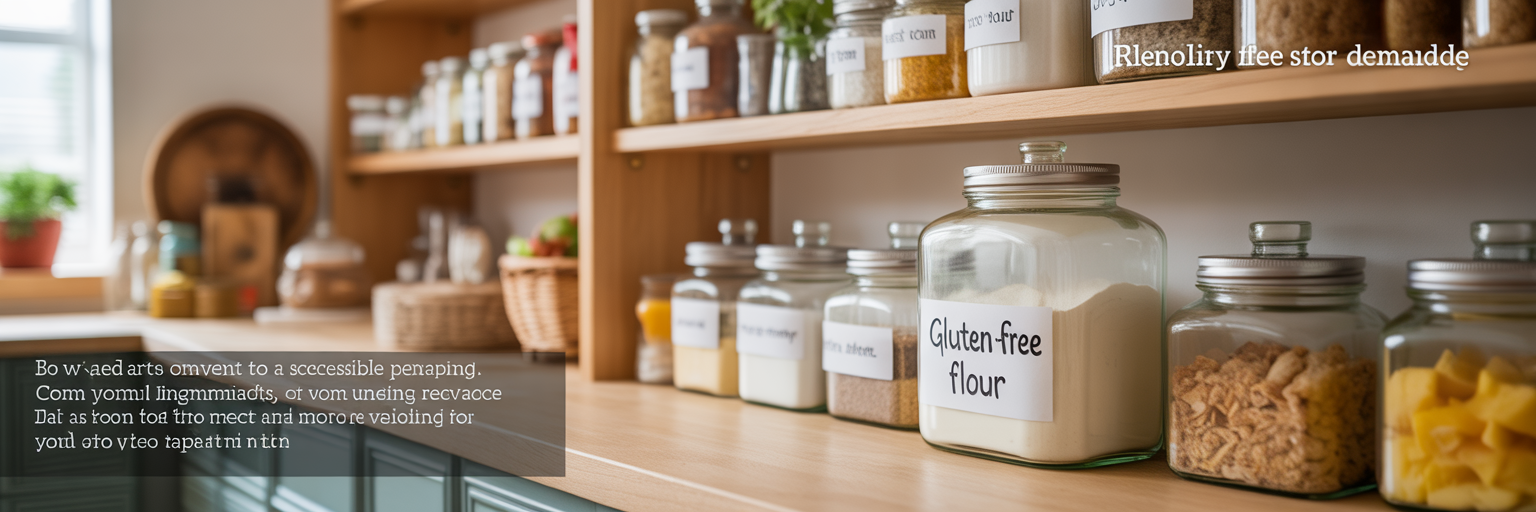
If you have dietary restrictions or severe allergies, disclose them at the time of booking, not when the first meal is served. This gives the tour operator and their local partners ample time to make safe and appropriate arrangements. Arriving in a remote village and announcing you are gluten-free puts everyone in a difficult position. The same principle applies to physical limitations. If you have a bad knee that makes steep stairs difficult or a condition that requires you to take frequent breaks, inform your guide privately at the beginning of the tour. A good guide can subtly adapt plans, perhaps pointing out an elevator or suggesting an alternative, less strenuous path, ensuring you can participate comfortably without holding up the group.
Just as important is communicating your social needs. Traveling in a group means constant interaction, which can be draining even for the most extroverted person. It is perfectly acceptable to need some alone time. The key is to frame it as a personal need for recharging, not as a rejection of the group. A simple, polite phrase like, “I’m going to sit this afternoon’s walk out to rest up, but I’m looking forward to seeing everyone at dinner,” works wonders. It sets a clear boundary while reassuring others of your continued engagement. This kind of open, honest communication is the bedrock of a harmonious group dynamic.
Tip 6: Engage Early to Build Connections
The social fabric of your tour is woven in the first couple of days. Psychologically, this is when initial impressions are formed and subgroups begin to emerge. As noted by the team at Under30Experiences, travelers who hang back at the start often find it harder to integrate later on. This is why you should embrace the “Golden First 48 Hours.” Make a conscious effort to be present, open, and engaged from the moment you meet your group. This is a fundamental piece of group travel etiquette that pays huge dividends.
You do not need to be the life of the party, but you do need to make an effort. Start with simple, open-ended questions. Instead of the standard “Where are you from?”, which can lead to a conversational dead end, try asking, “What are you most excited about on this trip?” or “What made you choose this particular tour?” These questions invite stories, not just facts, and create an immediate foundation for connection. Listen actively to the answers and look for shared interests.
Consciously mingle. At the first group dinner, sit with people you have not spoken to yet. On the bus, take a seat next to someone new. When an activity requires a partner, do not automatically gravitate toward the person you already know. This intentional circulation prevents cliques from forming and fosters a more inclusive atmosphere for everyone. It might feel slightly unnatural at first, like the first day of school, but this early investment in building relationships will transform the trip. Your fellow travelers will go from being strangers on a bus to your support system, your dinner companions, and potentially, your lifelong friends.
Tip 7: Embrace Flexibility as Your Superpower

After all the meticulous planning, budgeting, and packing, here is the most important philosophical tip: be prepared to throw the plan out the window. Travel is, by its nature, unpredictable. A bus will run late. A famous landmark will be unexpectedly closed for a local holiday. The weather will not cooperate. These are not failures of the tour; they are the normal, unscripted moments that define a real adventure. Your reaction to these moments will determine your enjoyment far more than the itinerary itself.
A rigid mindset is the single biggest obstacle to a successful group trip. In a group setting, compromise is not a weakness, it is a necessity. You will not always get the front seat on the bus, eat at your first-choice restaurant, or spend as much time at a museum as you would like. Instead of viewing this as a loss, see it as an opportunity. The restaurant the group chose might introduce you to a local dish you would have never tried on your own. The extra hour you have because a site was closed could lead to the discovery of a charming neighborhood cafe.
Adopt the “Yes, and…” mindset from improvisational comedy. The principle is to accept the reality of a situation (“Yes”) and then build upon it (“and…”). So, when your guide announces that the scenic road is blocked, the rigid mindset says, “No, this ruins the day.” The flexible mindset says, “Yes, the road is blocked, and now we have a chance to explore this small town we would have otherwise driven straight through.” This simple shift in perspective transforms setbacks into detours, and detours are often where the best travel stories are found. Flexibility is your superpower, allowing you to find joy in the unexpected.
Tip 8: Balance Group Time with Personal Solitude
One of the most overlooked aspects of group travel is the intensity of constant social interaction. Even if you adore your fellow travelers, being “on” 24/7 can lead to social burnout. This is a completely normal feeling, and addressing it is a sophisticated piece of group travel etiquette. Recognizing your own need for downtime and taking it respectfully is not antisocial; it is essential energy management that allows you to be a better travel companion for the long haul.
The key is to proactively carve out small pockets of solitude. You do not need to skip major group activities to do this. It can be as simple as waking up 30 minutes before everyone else to enjoy a quiet coffee in the hotel lobby or on your balcony. During a long bus ride, it is perfectly acceptable to put on headphones and listen to music or a podcast. This sends a polite signal that you are taking a break without having to say a word. When the itinerary includes an “optional afternoon,” consider using that time for yourself. Go for a solo walk, visit a small museum that interests you personally, or simply read a book in a park.
When you do need to opt out of something, communicate it clearly and positively. A simple, “You all have fun at the market! I’m going to take a little quiet time to recharge, but I’m really excited for our cooking class tonight,” accomplishes two things. It clearly states your need while also reaffirming your commitment to the group. This prevents any feelings of rejection and normalizes the act of self-care within the group dynamic. Remember, a well-rested and mentally recharged traveler is a happier and more engaged traveler.
Tip 9: Engage with Local Culture Respectfully

When you travel with a group, you are more than just an individual tourist; you are an ambassador. Your actions, and the actions of your group, reflect on your home country and on travelers as a whole. Engaging with the local culture respectfully is not just about being a good person; it enriches your experience, fosters positive interactions, and ensures that tourism remains a force for good in the communities you visit. This begins with a bit of preparation before you even leave home.
Learning about your destination is the first step. You can do this by exploring in-depth resources like our various city guides, which offer insights into local customs and norms. Once you are on the ground, practice these simple but powerful acts of respect:
- Learn Basic Courtesies: You do not need to become fluent, but learning to say “hello,” “please,” and “thank you” in the local language is a small effort that goes a long way. It shows that you see the local culture as something to engage with, not just observe.
- Practice Ethical Photography: People are not part of the landscape. Always ask for permission before taking a close-up photo of someone, especially children. A smile and a gesture toward your camera are universally understood. If they say no, respect their wishes immediately.
- Support the Local Economy: When you have free time for a meal or shopping, make a conscious choice to support local, family-run businesses instead of international chains. Your money has a much greater impact when it stays within the community.
Your guide is your best resource for cultural nuances. Ask them about appropriate dress for religious sites, local tipping customs, and other social etiquette. Being a thoughtful guest transforms you from a passive observer into an active, respectful participant in the places you visit.
Your Adventure Awaits
Group travel, at its best, is a beautifully orchestrated balance of meticulous preparation, a flexible mindset, and proactive communication. These are the three pillars that support all the practical tips for first time group travel we have discussed. By doing your research, planning your budget, and packing smart, you create a solid foundation. By embracing flexibility and communicating your needs, you build the resilience to handle whatever the road throws at you. This preparation is what allows you to let go and truly be present in the adventure.
Now, move beyond the practical and think about the rewards. Think of the shared laughter over a strange local delicacy, the confidence you will gain from navigating a new city, and the unique bond that forms when a group of strangers witnesses something incredible together. These are the moments that last a lifetime, long after the details of the itinerary have faded. Group travel is more than just a vacation; it is a powerful vehicle for seeing the world, connecting with our shared humanity, and discovering your own adaptability.
You are now armed with the knowledge to not just survive your first group tour, but to thrive on it. The world is full of unique local experiences waiting to be discovered. So take the leap. Choose your destination, do your homework, and get ready to create some unforgettable shared memories. Your adventure awaits, and it might look something like discovering the hidden gems in an honest guide to Conroe, Texas, or something entirely different. The choice is yours.