The Shift from Narrator to Experience Architect
The classic image of a tour guide is a familiar one: someone holding a flag or an umbrella, reciting dates and facts from a well-worn script. For decades, their primary role was to be a walking encyclopedia, a human narrator for the sights listed in a brochure. But the travel landscape has changed, particularly since the global pause in the early 2020s. Travelers returned with a renewed hunger not just for places, but for genuine human connection and moments that resonate long after the suitcase is unpacked.
This shift has redefined the guide’s purpose. They are no longer just narrators; they are experience architects. Their personality, passion, and perspective are not merely pleasant additions but have become central to the journey itself. We’ve all been on tours where the guide’s monotone delivery about a monument’s construction date made our eyes glaze over. The modern guide understands that their first and most important job is to set the emotional tone of the trip. From the moment a group gathers, the guide begins weaving a thread of connection, turning a collection of strangers into a temporary community on a shared adventure.
They don’t just present a destination; they curate a holistic, emotionally engaging narrative. Think of them as a film director. The itinerary is the script, but the guide controls the pacing, the emotional highs and lows, and the overall feeling of the story. They know when to pause for a moment of quiet reflection at a viewpoint and when to inject energy with a surprising local anecdote. This ability to shape the group’s collective feeling is one of the core benefits of a guided tour today.
The value of a modern guide is measured not by the volume of information they dispense, but by their ability to craft this compelling journey. Their success lies in the group’s cohesion, the shared laughter, and the quiet moments of awe they facilitate. They transform passive sightseeing into an active, shared experience, ensuring that travelers leave not just informed about a place, but emotionally connected to it.
| Attribute | Traditional Guide (The Narrator) | Modern Guide (The Experience Architect) |
|---|---|---|
| Primary Function | Information dissemination and logistics management | Emotional and narrative curation |
| Source of Value | Encyclopedic knowledge of facts and dates | Personal stories, local perspective, and passion |
| Measure of Success | Adherence to itinerary; number of sites seen | Group cohesion and emotional resonance of the experience |
| Interaction Style | One-to-many presentation (lecturing) | Facilitative and conversational (dialogue) |
| Traveler Outcome | Informed about a destination | Connected to a destination and its people |
Facilitating Deeper Cultural Immersion
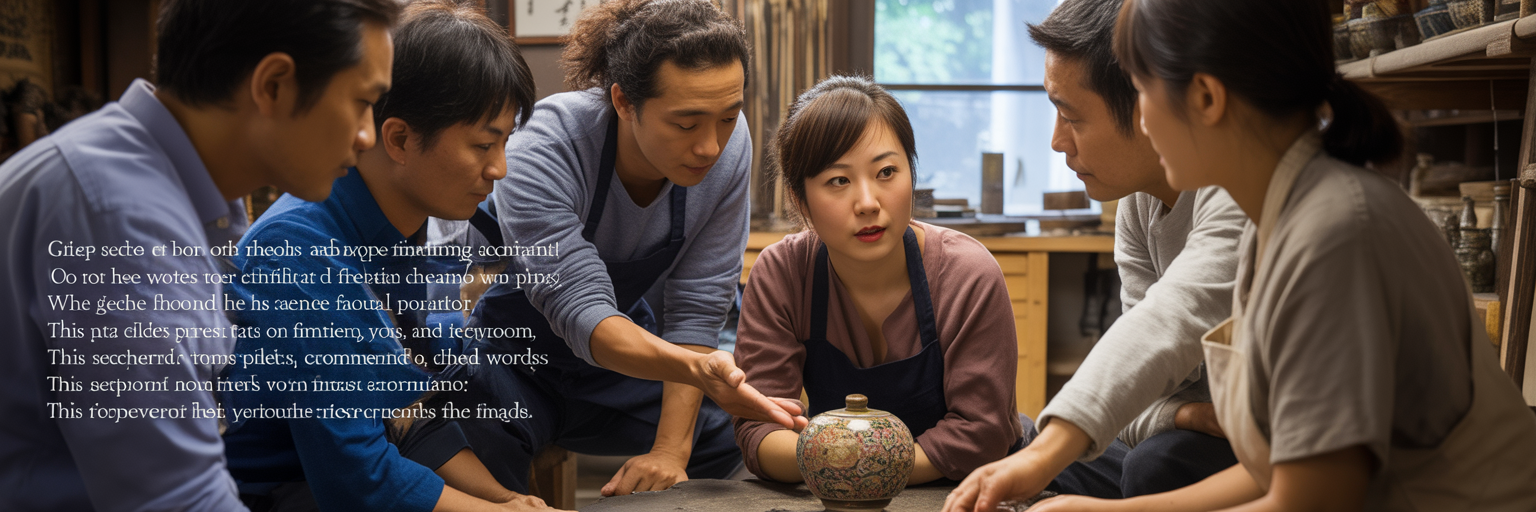
With the guide established as an experience architect, one of their most critical roles is that of a cultural mediator. This goes far beyond simply recommending a good restaurant. A true cultural mediator bridges the subtle but significant gaps in etiquette, communication styles, and social norms that often exist between travelers and local communities. Their presence ensures that interactions are respectful, meaningful, and move beyond the superficial.
This is where immersive cultural travel truly comes to life. An expert guide provides access to experiences that are nearly impossible for an independent traveler to find. This isn’t about “hidden gems” found on a blog post; it’s about genuine human connections. It could be an introduction to a fourth-generation artisan who shares the story behind their craft, an invitation into a family-run business to see how a local delicacy is made, or a respectful observation of a community ritual. These are moments of authentic connection, not staged performances.
A guide translates more than just language. They interpret cultural context. Imagine walking through a bustling food market. An average tour might involve pointing out exotic fruits and vegetables. An immersive experience with a cultural mediator is different. The guide explains the local agricultural economy, how certain ingredients are central to family celebrations, and the unwritten rules of haggling that define the market’s social fabric. They help you understand not just what you are seeing, but why it matters to the people who live there. This level of insight is what defines true local expertise, whether you’re in a global metropolis or exploring the unique character of a place like Bryan, Texas.
As National Geographic notes, hiring local guides is a powerful way to gain authentic perspectives and ensure interactions are respectful, turning tourists into temporary members of the community. They transform passive sightseeing into active “sight-doing” and “sight-understanding.” By facilitating these deeper connections, expert guides create a positive exchange that benefits both the traveler, who gains a profound sense of place, and the host community, which feels seen and respected.
The Guide as a Master Storyteller
While cultural immersion connects us to a destination’s present, it is masterful storytelling that breathes life into its past. This craft is a distinct skill, separate from the broader role of experience design. A compelling narrative transforms a physical location, like a pile of ancient ruins or a quiet city square, from a static point of interest into a dynamic stage for human drama, ambition, and history.
We can all recall a tour where a guide rattled off a list of disconnected facts and dates, leaving us more confused than enlightened. The expert storyteller does the opposite. They weave a cohesive narrative arc that connects different sites and events into a single, memorable story. A visit to a castle, a battlefield, and a cathedral are no longer separate stops on an itinerary; they become chapters in a grand tale of a kingdom’s rise and fall. This is what makes a good tour guide truly exceptional.
Master storytellers employ specific techniques to captivate their audience:
- Building suspense. They don’t just state a historical fact. They set the scene, introduce the key players, and pose a question right before the big reveal, making the outcome feel immediate and impactful.
- Using sensory language. They don’t just say a battle was fought here. They describe the smell of gunpowder, the clash of steel, and the chill in the air, painting a picture that engages the imagination.
- Connecting past to present. They skillfully draw lines from historical events to the modern-day culture, language, and even the food of a region, making history feel relevant and alive.
- Personalizing the narrative. The most powerful stories are often personal. A guide might share a story about their own grandparents’ experience during a historical event, instantly creating an emotional anchor for the group.
Modern technology can sometimes supplement this experience, perhaps with an app showing a “then and now” view of a street, but it can never replace the human element. The passion, the twinkle in the eye, and the perfectly timed pause of a guide sharing a story are irreplaceable. Facts are often forgotten by the time you get back to the hotel. But the emotions stirred by a powerful narrative—the feeling of standing where history was made—are what resonate for years, forming the core of an unforgettable journey.
Enhancing Safety and Navigating Complexity
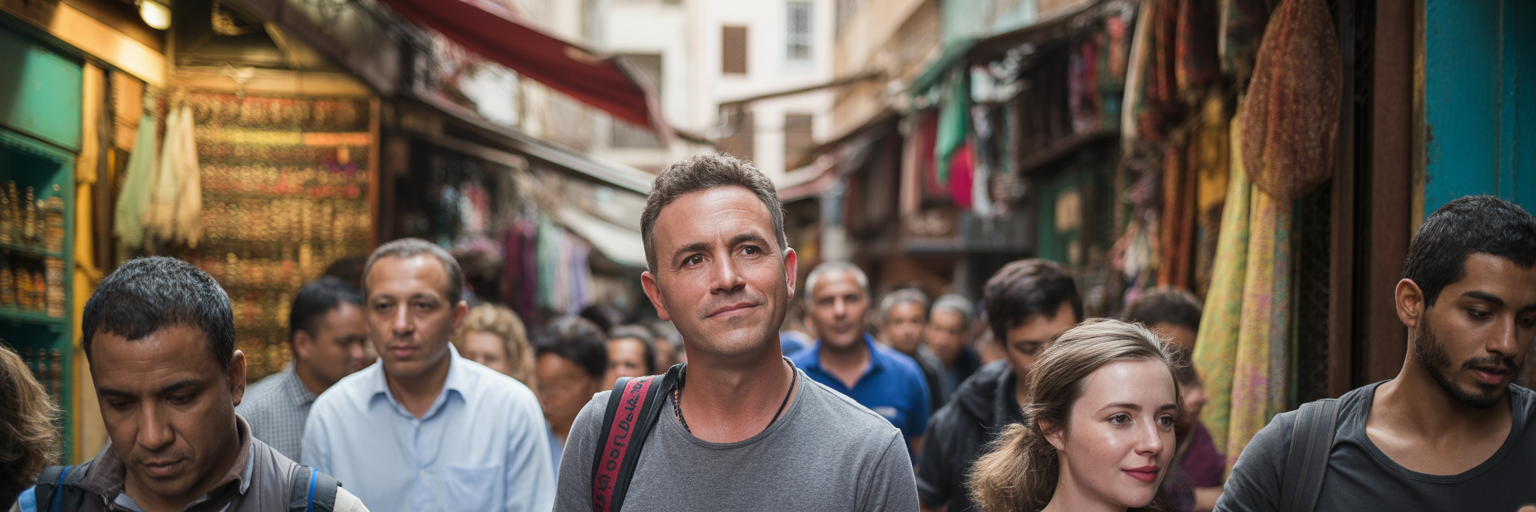
These immersive stories and cultural connections can only be fully appreciated when travelers feel secure. An expert guide serves as a crucial, though often invisible, safety net and chief problem solver. Their role in ensuring safety extends far beyond simply advising which streets to avoid after dark. It’s a multi-layered responsibility that allows a group to relax and immerse themselves in the experience without anxiety.
A guide provides several layers of security, making them indispensable for anyone seeking solid group travel safety tips:
- Health Safety: They possess the local knowledge to identify safe food stalls and reliable water sources. They are aware of local health advisories and, most importantly, know exactly where to go and who to call for efficient medical assistance if a traveler falls ill. For travelers wanting to stay proactive, resources like health news aggregators such as ICONIC Health News can be valuable for pre-trip planning.
- Logistical Safety: A sudden transport strike, an unexpected museum closure, or a flash rainstorm can derail an independent traveler’s day. For a guide, these are challenges to be managed. They have backup plans, local contacts, and the ability to pivot the itinerary seamlessly, often without the group even realizing a problem occurred.
- Social Safety: Guides are adept at spotting and steering the group away from common tourist scams. They can read potentially tense situations and de-escalate them, and they ensure the group behaves respectfully in culturally sensitive areas, preventing unintentional offenses.
- Group Safety: Within the group itself, a guide acts as a skilled diplomat. They manage different personalities, mediate minor conflicts over pacing or interests, and work to balance the energy levels of all travelers, ensuring no one feels left behind or held back.
This value becomes clearest in complex environments. Think of navigating the labyrinthine alleyways of a Moroccan medina or understanding the unwritten rules of a bustling market in Southeast Asia. This is where a guide’s on-the-ground intelligence is priceless. This local knowledge is indispensable, whether in a sprawling foreign capital or when trying to understand the nuances of a smaller city like Longview, Texas. Ultimately, the guide provides a constant, proactive layer of problem-solving that frees travelers from the mental burden of logistics and worry, allowing them to be fully present in the moment.
Personalization Within a Group Context
Perhaps the biggest hesitation experienced travelers have about group tours is the perceived rigidity. The idea of being herded from one photo-op to the next on a strict schedule can feel limiting. However, this challenges the very essence of authentic group travel experiences, which are defined by personal discovery. The most talented guides shatter this “one-size-fits-all” misconception by creating a personalized feeling within a structured itinerary.
This requires a high level of emotional intelligence and the ability to “read the room.” From the first day, an observant guide is listening and watching. They identify the foodie who is curious about every local ingredient, the photographer looking for the perfect light, the history buff who asks detailed questions, and the traveler who just wants to find a quiet cafe to soak in the atmosphere. They are constantly gathering this data, not to be intrusive, but to subtly tailor the experience.
This personalization manifests in small but meaningful ways. The guide might pull the foodie aside to recommend a specific pastry at a bakery the group is passing. They might quietly point out a unique architectural detail to the photographer that others would miss. During a museum visit, they might spend a few extra minutes in a gallery that aligns with the history buff’s interest. They offer tailored recommendations for free time that go far beyond the generic suggestions in a guidebook.
This trend of “micro-customization” empowers guides to make small, on-the-fly adjustments. They might hear about a local street festival and suggest a spontaneous detour, or arrange for the group to meet a local musician they know. It takes immense skill to balance the core demands of the itinerary with these moments of serendipity, but this is where the magic happens. The guide ensures the group hits all the must-see sites while also leaving room for the unexpected. This approach to travel, which values deep dives into local culture, is reflected in the philosophy behind many of our specialized city guides. The result is that each person on the tour feels seen and catered to, transforming a group journey into a collection of personal ones.
Identifying and Choosing a Truly Expert Guide
So, how do you find one of these exceptional guides—the experience architects, cultural mediators, and master storytellers who can transform a trip? The answer lies in looking beyond a simple license or a list of destinations. It requires a more discerning approach to vetting both guides and the tour companies that hire them.
When you are in the process of finding local expert guides, focus on qualities that demonstrate passion, empathy, and deep local roots. Since travelers often don’t choose their specific guide beforehand, the philosophy of the tour operator becomes the most critical indicator of quality. A company that invests in its guides is investing in your experience. Before booking, consider asking the operator a few specific questions:
- How do you train your guides in storytelling and group management, beyond just factual knowledge?
- Are your guides full-time, salaried employees or freelancers? What does their professional development look like?
- Can you share an example of how a guide on one of your tours personalized a trip or solved an unexpected problem for a group?
- What is your company’s core philosophy on the guide’s role in the travel experience?
Their answers will reveal whether they view guides as interchangeable logistical coordinators or as the heart of the journey. Furthermore, learn to critically analyze online reviews. Look past generic praise like “the guide was nice.” Instead, search for specific anecdotes that illustrate their impact. Did a reviewer mention how the guide made history come alive, or how they handled a crisis with calm professionalism, or how they created a special moment for someone in the group? These stories are far more telling.
There is a direct link between the quality of a guide and how a company treats them. Fair wages, benefits, and ongoing training attract and retain top talent. A company that proudly talks about its guides is a company that values them. Ultimately, investing time in researching the guide—or the company’s approach to them—is as important as choosing the destination itself. It is the single most important factor in ensuring a truly memorable journey. The goal is to connect with organizations that share this commitment to authentic, guide-led exploration, a principle that underpins platforms like When In Your City.