We often form our deepest friendships over years, through the slow accumulation of shared experiences in familiar settings. Yet, something remarkable happens when we travel. Strangers can meet on a Monday and feel like lifelong friends by Friday. This accelerated connection isn’t magic; it’s a product of intense, shared experiences that bypass the usual social timelines. The psychology behind it reveals why these bonds often feel more profound than those forged closer to home.
The Psychology Behind Travel-Forged Bonds
The rapid formation of deep friendships during travel stems from a unique combination of psychological principles. When you remove people from their daily routines and place them in a novel environment, the normal rules of social engagement change. The process is accelerated by the intensity and variety of shared moments, creating a fertile ground for connection that is difficult to replicate in everyday life.
The ‘Mere Exposure Effect’ in an Intense Environment
At the office, you might see the same colleague every day for a year, but your interactions are often limited to a narrow professional context. This is the mere exposure effect in its most basic form. Travel takes this principle and amplifies it. You don’t just see your fellow travelers at breakfast; you see them navigating a chaotic market, expressing wonder at a historic site, looking exhausted after a long hike, and laughing over a shared meal. This multi-faceted exposure creates a rich, three-dimensional understanding of a person in days, not months. You witness their character in real-time, building a sense of familiarity that is both rapid and deep.
Shared Novelty and Emotional Synchrony
New experiences trigger a release of dopamine in the brain, creating feelings of pleasure and excitement. When you share a novel moment with others, like tasting an unfamiliar fruit for the first time or hearing a new style of music, that positive neurochemical rush becomes associated with the people you are with. It’s like creating a shared soundtrack for your adventure. The awe of a spectacular sunset or the thrill of reaching a mountain peak becomes an emotional high that you experience in synchrony. These powerful, positive emotions become intertwined with your memory of the people, cementing a bond that is felt on a visceral level.
Breaking from Predefined Social Roles
Back home, we are often defined by our roles: the manager, the student, the parent, the intern. These labels come with expectations and social scripts that can inhibit authentic connection. Travel provides a clean slate. In a group of adventurers, those titles fade into the background. You are simply fellow travelers, judged not by your job title or social standing, but by your actions, your kindness, and your willingness to engage. This environment allows for connections based on genuine personality and shared values, an authenticity that many young adventurers are actively seeking.
The Power of an Instant ‘In-Group’ Identity
Being in a foreign land immediately creates a powerful ‘us’ dynamic. A small group of travelers becomes a cohesive unit navigating an unfamiliar world together. This instant ‘in-group’ identity fosters an immediate sense of camaraderie and a shared purpose. You look out for one another, translate for each other, and share resources without a second thought. This creates a powerful support system that accelerates friendship. These psychological drivers are some of the core benefits of group travel, turning a collection of strangers into a tight-knit team in a remarkably short period.
How Shared Adventures Forge Unbreakable Connections
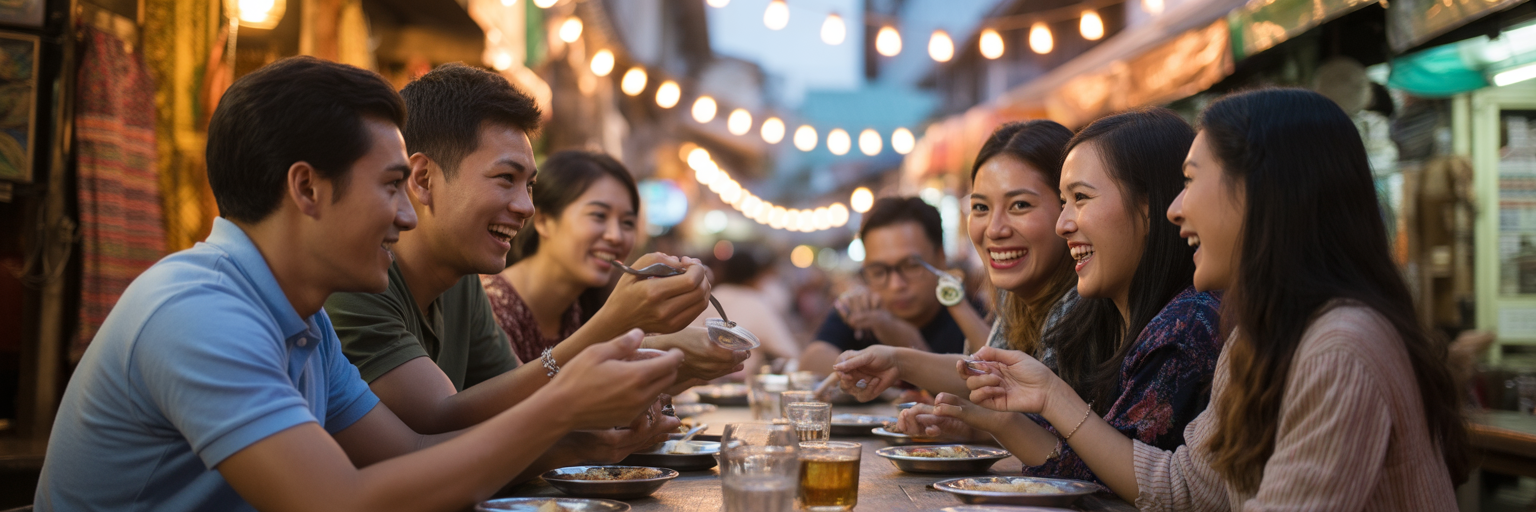
Understanding the psychology of travel friendships is one thing, but seeing it in action is where the real story unfolds. The transition from psychological principles to lived experience happens through specific, shared moments. These are the building blocks of a collective history, turning abstract concepts like emotional synchrony into tangible memories that form the foundation of a lasting bond.
The Unifying Force of Collective Awe
Imagine standing with your group on a hilltop as the first rays of sun illuminate an ancient temple complex below. No one speaks. The shared silence is filled with a sense of wonder that transcends language and cultural backgrounds. Moments of collective awe are powerful connectors because they tap into a primal, shared human experience. Witnessing something truly magnificent together creates a non-verbal understanding and a memory that is seared into the group’s consciousness. It’s a feeling that says, “We were here, together, for this.”
Navigating Cultural Immersion as a Cohesive Team
The most memorable bonds are often built not during grand excursions, but in the small, collaborative challenges of daily navigation. Think of the quiet triumph of successfully deciphering a city’s bus schedule as a team, or the shared laughter after a clumsy attempt to order food in a new language. These small acts of teamwork, like bargaining at a local market or finding your way through winding streets, build a rhythm of mutual reliance and trust. Each small victory reinforces the idea that you are more capable together than you are apart.
The Importance of Unstructured Downtime for Authentic Bonding
A packed itinerary creates shared experiences, but the most profound connections often blossom in the gaps between planned activities. The long bus rides, the lazy afternoons in a hostel common room, the late-night conversations after a day of exploring—these are the moments where the real work of making friends while traveling happens. Without a schedule to follow, conversations can meander into deeper territories about life, dreams, and fears. It is in this unstructured downtime that inside jokes are born and surface-level acquaintances transform into genuine friends.
Creating a Collective Narrative Through Shared Memories
The sum of these moments—the awe, the challenges, the quiet conversations—weaves a unique story that belongs only to the group. This collective narrative becomes a powerful foundation for the friendship. Years later, a single phrase or the name of a particular restaurant can transport everyone back to that shared time and place. This private world, built from a mosaic of shared memories, is a powerful anchor for the friendship, a history that can always be revisited and cherished.
Building Trust Through Collective Challenges
While moments of awe and joy are beautiful threads in the tapestry of travel friendships, it is often the shared struggles that weave the strongest knots. Adversity has a unique way of stripping away pretenses and revealing character. Overcoming difficulties as a group, rather than just enjoying pleasant experiences, forges a deep and resilient trust that is hard to replicate in more comfortable settings.
The ‘Common Adversary’ Effect in Travel Mishaps
Travel is rarely perfect. A flight gets cancelled, a monsoon arrives unexpectedly, or a booking gets lost. In these moments, the mishap itself becomes a ‘common adversary’. Instead of turning on each other, the group’s energy is focused outward on solving the problem. Pooling money for a new taxi, sharing snacks during a long delay, or working together to find alternative accommodation turns a negative event into a powerful team-building exercise. The shared relief and laughter after overcoming the obstacle create a story of collective resilience.
Mutual Reliance for Practical and Emotional Support
In an unfamiliar environment, mutual reliance becomes a daily reality. This extends from the practical to the emotional. It’s lending out your only tube of sunscreen, watching someone’s bag so they can use the restroom, or sharing medication when a headache strikes. But it’s also about offering a shoulder to a homesick friend, providing encouragement during a physically demanding hike, or simply listening without judgment. This consistent pattern of giving and receiving support, both tangible and intangible, builds a foundation of trust that feels incredibly secure.
Pushing Personal Boundaries as a Shared Accomplishment
Many adventure travel communities are built around activities that require teamwork and trust. Think of rock climbing, where your safety is literally in the hands of the person belaying you, or a multi-day trek where the group’s pace and morale depend on everyone’s collective endurance. Successfully completing such a challenge is not just a personal victory; it is a shared one. It solidifies the group’s belief in its own capabilities and in each other, creating a powerful bond forged through shared effort and achievement.
The Vulnerability of Getting Lost and Finding the Way
Getting lost is a classic travel experience, and it serves as a perfect metaphor for building trust. It requires admitting uncertainty, listening to different opinions, and ultimately choosing a path together. This process reveals character. Who steps up to lead? Who keeps spirits high? Who is a good listener? Trusting each other’s instincts to find the way back, whether in a bustling city or on a remote trail, is a profound act of collaboration. Even in more familiar settings, the experience of discovering Mansfield, Texas, for example, can present small navigational puzzles that, when solved together, strengthen a group’s connection.
The Authenticity Born from Shared Vulnerability

Beyond overcoming external challenges, the deepest travel friendships are cultivated in an environment of emotional openness. The very nature of being outside your comfort zone has a way of lowering the emotional guards we maintain in our daily lives. This shared vulnerability is not a sign of weakness; it is the fertile ground where authentic, lasting connections take root.
How Stepping Outside the Comfort Zone Lowers Emotional Guards
At home, our routines and familiar surroundings provide a sense of security that allows us to keep our social armor firmly in place. When traveling, that armor is often the first thing to go. The constant state of navigating the unknown, even in small ways, makes us more open to asking for help, admitting we don’t know something, and sharing our genuine feelings. This slight, persistent discomfort strips away pretense and encourages a level of honesty that might take years to achieve with friends back home.
The Unique Environment for Deep, Uninterrupted Conversations
Consider the conversations you have in your daily life. They are often fragmented, interrupted by phone notifications, work emails, and the demands of a packed schedule. Travel creates a unique space for deep, uninterrupted dialogue. On a long train journey or sitting around a campfire, there are no digital distractions, only the time and mental space to truly listen. This is where you learn about each other’s life stories, dreams, and fears. These are the conversations that form the bedrock of how to build lifelong friendships.
Fostering Empathy Through Sharing Diverse Life Stories
A group travel experience often brings together individuals from a wide array of backgrounds, cultures, and countries. Hearing a friend’s life story firsthand—understanding their upbringing, their cultural norms, their personal challenges—is infinitely more powerful than reading about it in an article. This direct exchange of personal histories builds profound empathy. It dissolves stereotypes and fosters a more nuanced, compassionate worldview, deepening the appreciation you have for the people you are with.
The Freedom of a Non-Judgmental, Temporary Community
There is a unique freedom that comes with being part of a temporary community. Free from the baggage of pre-existing relationships and the fear of long-term social consequences, people feel more comfortable being their quirky, authentic selves. You can share a secret, admit a vulnerability, or try a new activity without worrying about how it fits into your established identity back home. This non-judgmental safe haven accelerates the formation of genuine bonds, as you get to know the real person, not just the curated version they present to the world.
Nurturing Travel Friendships After the Adventure Ends
The adventure may be over, but the friendships don’t have to be. The transition from the intense “travel bubble” back to everyday life is often the most critical phase for the longevity of these bonds. Maintaining the connection across different time zones and busy schedules requires intention and effort, but the rewards are well worth it.
Navigating the ‘Post-Travel Blues’ Together
Returning home can be jarring. The sudden quiet after weeks of constant companionship can lead to a feeling of anticlimax known as the ‘post-travel blues’. This is a real and shared phenomenon. Acknowledging this with your travel friends and staying in close contact during this adjustment period is vital. Checking in on each other, reminiscing about the trip, and validating these feelings reinforces the bond and proves that the connection exists outside the context of the vacation.
Creating Intentional Digital Spaces for Connection
A simple group chat is a great start, but to truly nurture the friendship, you need to be more creative. Going beyond text messages can help replicate the feeling of closeness you had on the road. Here are a few actionable ideas:
- Schedule Monthly Video Calls: Put a recurring event on everyone’s calendar. Seeing each other’s faces and hearing their voices is crucial for maintaining a strong connection.
- Create a Collaborative Playlist: Use a service like Spotify to build a shared playlist. Add songs that you heard on the trip or new tracks that remind you of your time together. It becomes a living soundtrack to your friendship.
- Start a Shared Digital Photo Album: Use a cloud service where everyone can upload their photos and videos. This creates a collective, dynamic archive of your journey that you can all contribute to and revisit.
- Plan a ‘Virtual Reunion’ on the Trip’s Anniversary: Pick a date, have everyone cook a meal inspired by your travels, and share it together over a video call.
- Send Physical Postcards: In a digital world, a small, tangible gesture can have a huge impact. A handwritten postcard with a shared memory shows a level of care that digital messages often lack.
The Motivational Power of Planning Future Reunions
Having a future event to look forward to makes the friendship feel active and ongoing, rather than a relic of the past. It doesn’t have to be another epic international trip. It could be a weekend visit to a friend’s hometown or meeting up in a city that’s convenient for everyone. For instance, you could plan a trip to explore the real Conroe, Texas, with a friend who lives nearby, turning a simple visit into a new mini-adventure. The act of planning itself keeps the group connected and excited.
Transitioning from Travel Buddies to Life Supporters
The final step is to integrate the friendship into the fabric of your daily life. This means making an effort to engage beyond travel talk. Celebrate their job promotions, offer support during family difficulties, remember their birthdays, and ask about their new hobbies. When you show up for their life events, you demonstrate that the friendship was not just situational. You have successfully transitioned from being travel buddies to being genuine life supporters.
It’s also important to acknowledge the natural evolution of friendships. It’s okay if not every travel bond lasts a lifetime. Cherish each connection for the growth, joy, and perspective it provided during a formative time.
Finding Group Travel for Young Adults That Fosters Real Connections
The potential for deep connection is a powerful motivator, but it’s important to recognize that not all group travel for young adults is designed to foster these bonds. The structure, philosophy, and scale of a trip play a huge role in determining whether you’ll have a superficial tour or a transformative community experience. Making an informed choice before you book is the first step toward finding your future lifelong friends.
Here are the key factors to evaluate when choosing a trip:
- Analyze Group Size and Demographics: Smaller groups, typically between 8 and 15 people, are ideal for creating an intimate and inclusive dynamic. It’s large enough for diversity but small enough that everyone can get to know each other. Also, look for trips geared toward a specific age bracket. Sharing a similar life stage and cultural reference points provides an immediate foundation for connection.
- Prioritize Immersive Itineraries: Look for trips that go beyond “checklist” tourism. Itineraries that feature community-focused activities like staying with a local family, participating in a volunteer project, or learning a new skill together are designed for interaction and collaboration. A slower pace that allows for deep immersion in one or two locations is often better for bonding than a whirlwind tour of ten cities in ten days.
- Investigate the Company’s Philosophy: Spend time on the company’s “About Us” page and read their mission statement. Do they talk about community, personal growth, and authentic connection, or do they focus solely on logistics, luxury, and destinations? The language they use reveals their core values and what kind of experience they aim to create.
- Read Reviews with an Eye for Community: When reading past traveler reviews, look for keywords beyond “beautiful sights” or “good food.” Search for terms like “community,” “friendship,” “bond,” and “group dynamic.” Pay special attention to comments about the trip leader’s ability to facilitate connection. As some travel companies report, it’s common for a high percentage of their travelers to arrive solo and leave with a new group of friends, which is a strong indicator of a successful community environment.
This table illustrates how the structure of a trip directly impacts the potential for forming genuine friendships. Small-group adventures are intentionally designed to foster the community and vulnerability necessary for deep bonds.
| Factor | Mass-Market Bus Tour (40+ People) | Small-Group Immersive Adventure (8-15 People) |
|---|---|---|
| Group Dynamic | Impersonal, often forms small cliques | Intimate, encourages whole-group bonding |
| Itinerary Pace | Fast-paced, covers many sights superficially | Slower, allows for deep immersion in one area |
| Typical Activities | Passive sightseeing, photo stops | Collaborative projects, skill workshops, homestays |
| Role of Trip Leader | Logistical guide, commentator | Community facilitator, encourages interaction |
| Opportunity for Deep Connection | Low; limited unstructured time | High; built around shared experience and downtime |
The Lifelong Value of a Global Friendship Network
The end of a trip is just the beginning of a new chapter. The friendships forged on the road evolve into a global network that enriches your life in ways you might not expect. This is the ultimate return on the investment of travel: a web of human connections that spans continents and cultures, offering support, perspective, and opportunity for years to come.
Expanding Your Personal and Professional Horizons
Having friends around the world is about more than just having a free place to stay. This global network can open doors to cross-cultural collaborations, provide insights into different professional industries, and offer a diversity of perspectives that challenges and enriches your own thinking. This global network makes the world feel both larger and more accessible, turning a map of abstract places into a web of personal connections.
Cultivating a Deeper Sense of Global Citizenship
When you have a friend in another country, global events become personal. A political election, a natural disaster, or a cultural festival in their nation is no longer a distant headline; it’s something affecting a person you know and care about. This fosters a genuine empathy and a more sophisticated understanding of global interconnectedness. You can find this sense of connection by exploring diverse places, whether abroad or by checking out local city guides at home to better understand different communities.
An Enduring Source of Inspiration and Mutual Support
Your travel friends are unique because they have seen you at your most adventurous, your most vulnerable, and your most authentic self. They were there when you pushed your limits and stepped far outside your comfort zone. They serve as a lifelong reminder of your own courage and your capacity for connection. This shared history becomes an enduring source of inspiration, encouraging you to continue living boldly long after you’ve returned home.
Ultimately, the memories from a trip become a permanent part of who you are. These friendships are not just about planning future reunions; they are about honoring a shared past that shaped you. They are a constant source of joy and a powerful reminder of the profound and beautiful nature of human connection.