The Power of a Shared Lens
Think back to a powerful travel memory. Perhaps it was the sight of a sun setting over an ancient city or the first taste of an unfamiliar street food. Now, consider how that memory lives in your mind. If you were alone, it exists as a solitary observation, a personal snapshot. But when experienced with others, that same moment transforms. It shifts from a simple “I saw” to a collective, validated “we experienced.” This fundamental change is where the true depth of group travel begins.
When you encounter a new culture with others, every emotion is amplified. The confusion of trying to decipher a handwritten menu in a bustling cafe becomes a moment of shared laughter rather than solo frustration. The awe of standing before a monumental landmark is deepened when you can turn to someone and see that same wonder reflected in their eyes. This immediate, real time processing of feelings and thoughts cements memories in a way that solitary reflection cannot. You are not just seeing a place; you are co-authoring a story about it as it unfolds.
A travel group is a collection of unique viewpoints. Each person brings their own background, knowledge, and curiosities, acting as a different lens through which the destination is viewed. An architect in the group might point out the structural ingenuity of a historic building, while a chef notices the specific spices used in a local market. These individual observations spark conversations that build a multi-layered understanding of a place. Suddenly, you are noticing details you would have otherwise missed, piecing together a richer, more complex picture of the culture around you.
This contrasts sharply with the potential isolation of solo travel. The issue is not merely loneliness, but the missed opportunity for immediate dialogue and validation. When you witness something fascinating or perplexing, the ability to instantly discuss it helps process the encounter more deeply. Without that shared lens, a profound cultural moment can remain a fleeting, unexamined image. The social benefits of travel are not just about companionship; they are about creating a collaborative framework for understanding. It is in the shared glances, the collective gasps, and the late night conversations that a destination truly comes alive, its memory etched not just in your mind, but in a shared history.
Guided Immersion Beyond the Guidebook
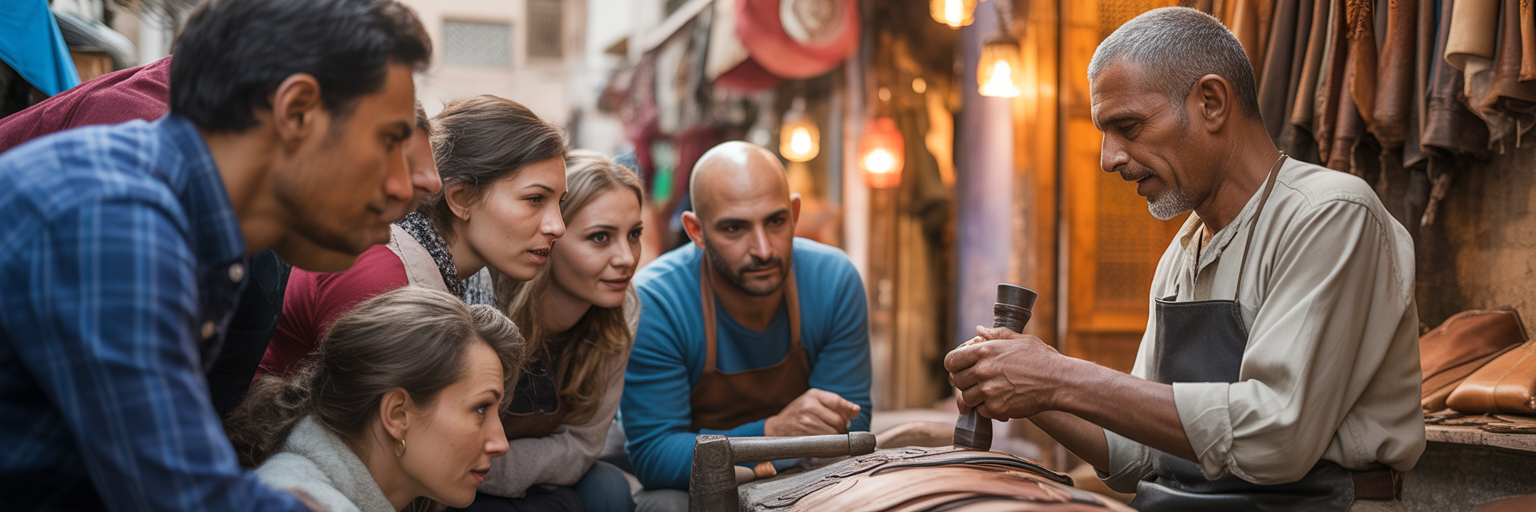
Many travelers believe a good guidebook is all they need to understand a new place. Yet, a book can only tell you what something is, not what it means. A truly knowledgeable local guide serves a much deeper purpose. They are not just a logistical coordinator but a cultural translator, a narrative bridge connecting you to the soul of their home. Their value lies in interpreting the subtle social cues, explaining the history behind a living tradition, and clarifying the local slang that gives a place its unique texture. These are the insights that static pages in a book can never provide.
The hallmark of genuine curiosity is the spontaneous “why” question that arises in the moment. Why do people leave offerings at this particular shrine? What is the story behind this piece of street art? Why is this color so significant in local ceremonies? A guidebook offers generic answers, if any. A guide, however, provides immediate, contextual learning that transforms sightseeing into comprehension. They can draw upon a lifetime of local knowledge, personal anecdotes, and community stories to answer your questions with a richness that resonates on an emotional level.
This is the critical difference between reading a fact and hearing a story. A book might tell you a temple was built in a certain century. A passionate local guide will tell you about the generations of their own family who have worshipped there, sharing personal memories that make the stones feel alive. This narrative element forges a powerful connection, turning abstract history into a tangible, human experience. It is through these stories that a culture ceases to be an object of study and becomes a living, breathing entity.
Furthermore, a skilled guide can introduce complex or sensitive topics with the nuance and respect they deserve. A nation’s difficult history or its present day social challenges are often oversimplified in foreign media. A guide can provide a responsible, well rounded perspective that is almost impossible for an independent traveler to access. They offer a safe space to ask difficult questions and gain a more complete picture. This is central to effective guided travel experiences. A guide helps you understand the real character of a place, much like the in depth look we took at what makes a city like Bryan, Texas unique. They reveal the hidden context that lies just beneath the surface.
Accessing Experiences Beyond the Tourist Trail
One of the most significant advantages of organized group travel is the access it provides. Reputable tour operators spend years, sometimes decades, building relationships within local communities. These long term connections are the key to unlocking authentic travel experiences that are simply not available to the general public or the solo traveler who just arrived in town. It is about moving beyond observation and into participation.
This curated access opens doors that are often logistically or culturally closed to individuals. Think of private, after hours tours of a popular museum, allowing for quiet contemplation without the crowds. Imagine being invited to a special community performance or gaining an audience with a village elder or local artisan. These are not just perks; they are transformative moments that provide a much deeper understanding of a culture. This is possible because the tour company and guide act as a voucher for the group, breaking down the natural barriers of mistrust locals may have toward unknown foreigners. This foundation of trust leads to more genuine, open, and meaningful interactions.
A culinary journey offers a perfect illustration. An independent traveler might use reviews to find a good restaurant. A group on a well planned tour, however, might find themselves participating in a hands on cooking class in a local family’s kitchen. They might visit the very farm where the ingredients were grown and learn directly from the farmer. The experience culminates not just in a meal, but in sharing that meal with the family who prepared it. This is the difference between consuming a culture and connecting with it. As noted by WeTravel, an industry platform for travel organizers, group tours excel at providing these insider experiences while also fostering social connections among travelers, which enhances the overall journey.
These opportunities are a direct result of the tour operator’s established network. They include moments like:
- Sharing a home cooked meal with a local family in their private residence.
- Visiting a master artisan’s workshop for a private demonstration of a craft passed down through generations.
- Attending a community festival or ceremony that is not advertised to the general public.
- Participating in a hands on agricultural activity, like harvesting olives or coffee alongside local farmers.
These are the experiences that become the most cherished memories, offering a true glimpse into the daily lives and traditions of a community.
The Mental Freedom to Truly Absorb

Independent travel can be incredibly rewarding, but it comes with a significant hidden cost: cognitive load. The mental energy required to manage logistics is immense. You are constantly navigating public transport in a foreign language, researching and booking accommodation, trying to find a reputable place to eat, and avoiding common tourist traps. Every day is a series of decisions and problems to solve. By offloading these countless tasks to a professional operator, a traveler’s mind is freed from the burden of planning. You can finally stop being a project manager and simply be a participant.
This state of mindfulness is essential for noticing the small, everyday details that constitute the fabric of a culture. When you are not worried about catching the next train or finding your hotel, you can observe the way locals greet each other, the rhythm of a neighborhood market, or the subtle architecture of residential streets. This mental clarity allows you to appreciate the unique character of your surroundings, whether you are in a bustling foreign capital or exploring the distinct local flavor of a place like Leander, Texas. You are present in the moment, able to absorb your surroundings fully.
Professionally planned itineraries also eliminate wasted time. Hours spent deciphering a subway map, standing in long queues for tickets, or recovering from a poor restaurant choice are replaced with seamless, efficient transitions. This efficiency is not about rushing; it is about maximizing the time you have for meaningful engagement. One of the key benefits of group travel is that it converts logistical time into experiential time.
Finally, there is the crucial aspect of a safety net. Travel is unpredictable. A sudden transport strike, an unexpected illness, or a local disruption can quickly derail a solo trip, turning an adventure into a stressful ordeal. A group tour provides an immediate, solution oriented framework. The guide and operator handle the crisis, allowing the travelers to remain focused on the experience. This peace of mind is invaluable, creating the mental space required for genuine cultural immersion.
| Travel Task | Solo Traveler’s Responsibility | Group Traveler’s Experience |
|---|---|---|
| Daily Itinerary | Researches, plans, and books all activities; constant decision-making. | Follows a curated, optimized itinerary; focuses on participation. |
| Navigation & Transport | Manages maps, public transit schedules, and booking tickets in an unfamiliar system. | Transport is pre-arranged; follows the guide without navigational stress. |
| Problem-Solving | Independently handles all issues (e.g., cancellations, illness, getting lost). | The guide and operator manage all logistical problems and emergencies. |
| Meal Planning | Spends time researching restaurants, deciphering menus, and finding reliable options. | Led to vetted, authentic eateries; often includes pre-arranged group meals. |
| Mental Focus | Divided between logistics and experience; often in ‘planning mode’. | Fully dedicated to observing, learning, and engaging; in ‘immersion mode’. |
This table illustrates how offloading logistical tasks to a tour operator significantly reduces the traveler’s cognitive load, freeing up mental energy for deeper cultural absorption and presence.
A Mosaic of Intercultural Perspectives
When considering the benefits of group travel, we often focus on the destination. Yet, one of the most profound sources of learning is frequently overlooked: the tour group itself. A well composed group, often drawing people from diverse countries, professions, and age groups, creates a microcosm of the world on the move. This adds a fascinating second layer of intercultural exchange to the journey. You are not just learning about the host culture; you are also learning from and about your fellow travelers.
This dynamic facilitates a powerful form of shared processing. The evening meal or a long bus ride becomes a natural forum where the day’s observations are pieced together like a mosaic. One person might have noticed an architectural detail reflecting a historical event. Another might have picked up on a subtle social custom during a market visit. A third might connect what they saw to a similar tradition in their own country. This collaborative sense making creates a far richer and more complete picture than any single person could form alone. Each perspective adds a new color, a new texture, to the collective understanding.
Simply observing how others in the group interact with the new environment is a learning experience in itself. A more extroverted traveler might inspire a shy member of the group to strike up a conversation with a local shopkeeper, leading to an unexpected and delightful interaction. A seasoned traveler might share practical tips on respectful photography or how to politely decline a persistent vendor. This organic, peer to peer learning is one of the most valuable and underappreciated social benefits of travel. The group becomes a supportive environment for stepping outside one’s comfort zone.
Most importantly, candid conversations with fellow travelers can challenge your own preconceived notions and cultural biases. Hearing a different interpretation of a political monument or a religious ceremony can be a profound moment of personal growth. When someone from a different background offers a perspective you had never considered, it forces you to re-examine your own assumptions. This is the essence of exploring new cultures with a group. The journey becomes as much about internal discovery as it is about external exploration. This collaborative approach to understanding a place is what transforms a simple visit into a meaningful exploration, a philosophy that underpins our creation of detailed city guides that aim to capture a location’s true essence.
Confident Engagement with Local Norms
Stepping into a new culture can be intimidating. The fear of accidentally causing offense or making an embarrassing misstep can create a barrier, preventing travelers from engaging genuinely with local people. This is where group travel, led by a knowledgeable guide, provides an enormous advantage. The guide acts as a real time coach for cultural etiquette, offering clear and practical advice that builds the confidence needed for meaningful interaction.
This guidance helps travelers navigate the complexities of local customs with respect and awareness. It is not about memorizing a list of rules, but about understanding the context behind them. This coaching often includes:
- Greeting Protocols: Learning the proper verbal and non verbal greetings for different social contexts, such as how to address elders versus peers or shopkeepers.
- Dining Etiquette: Understanding customs around sharing food, using specific utensils, the protocol for tipping, and how to politely accept or decline an offer.
- Appropriate Attire: Receiving clear guidance on what to wear when visiting religious sites, private homes, or more conservative rural areas to show respect.
- Market Bargaining: Learning the local norms for haggling, understanding when it is an expected part of the transaction and when it is considered inappropriate.
Beyond etiquette, there are tangible safety benefits. Traveling with a group can deter petty crime, and a local guide is acutely aware of which areas are safe to explore and at what times. This enhanced security allows for a more relaxed and open mindset, freeing you to wander and observe without constant anxiety. This confidence is a prerequisite for authentic engagement.
The guide also serves as a “social lubricant,” initiating conversations that a solo traveler might be too hesitant to start. A simple introduction from a trusted local can instantly break the ice, leading to spontaneous and memorable interactions with artisans, vendors, or families. These are the unscripted moments where true connection happens. However, it is crucial to choose ethical cultural immersion tours. A responsible tour fosters genuine, respectful connection, a stark contrast to tours that treat a community as a spectacle to be observed from a bus window. The goal is to move past the typical tourist trail and connect with the real character of a place, a mission that drives the creation of our guides to cities across the world.
Forging Lasting Bonds Through Collective Memory
When a journey concludes, what truly remains are the memories. Psychologically, memories that are tied to strong social experiences are encoded more deeply and vividly in our minds. The simple act of reminiscing with someone who was there with you, saying “Remember when we got lost in that market?” or “Remember the taste of that coffee?”, reinforces the memory and recharges its emotional weight. The shared experience becomes a living story, kept alive through collective recollection.
The intensity of a group travel experience, with its shared challenges and collective moments of wonder, forges powerful bonds. Navigating an unfamiliar city, overcoming a language barrier together, or sharing a breathtaking view creates a unique and potent form of camaraderie. These are not fleeting holiday friendships. The people who were by your side during these transformative moments often become lifelong connections, an inseparable part of the cultural memory itself. The place and the people become intertwined in your story.
The journey does not end when you return home. Shared photo albums, inside jokes that only the group understands, and ongoing communication in a group chat keep the experience and its lessons alive long after the suitcases are unpacked. This continued connection provides a community to process the experience with, ensuring that the insights gained from exploring new cultures with a group are not forgotten.
Ultimately, the shared experience is the ultimate travel souvenir. It is not a physical object you can place on a shelf, but a rich, intangible collection of moments, conversations, and perspectives. It is the laughter, the learning, and the bonds formed along the way. This collective memory permanently enriches your understanding of the world and your place in it, solidifying the truth that traveling together is one of the most powerful ways to achieve authentic exploration.