The Evolving Mindset of the Modern Solo Traveler
The desire to travel alone is no longer a niche pursuit. As a Forbes report highlights, interest in solo travel has surged, reflecting a significant shift in how people approach exploration. This is not just a fleeting trend but a fundamental change in the traveler’s mindset. By 2026, the very definition of traveling “solo” has expanded. It is less about isolation and more about self-directed discovery, which paradoxically, has made group travel more appealing than ever.
The New Definition of ‘Solo’
In the past, the term “solo traveler” might have conjured an image of a solitary backpacker, completely detached from others. Today, the meaning has matured. Traveling solo now signifies traveling unaccompanied by people you already know. It is a declaration of independence, not a vow of silence. The modern solo traveler is not necessarily seeking solitude for their entire trip. Instead, they are choosing to embark on an adventure on their own terms, free from the compromises that come with coordinating with friends or family. This distinction is crucial because it opens the door to new ways of experiencing the world.
Craving Connection Alongside Independence
Many of today’s solo travelers, particularly those in their 30s and 40s, possess the confidence and financial means to navigate the globe independently. They are not traveling alone because they have no other option. They are doing it by choice. Yet, this independence coexists with a deep-seated human need for connection. They want the freedom to wake up and decide their own agenda, but they also want to share a laugh over dinner with someone who just witnessed the same incredible sunset. This is the central tension that group travel for solo travelers so effectively resolves. It offers a framework for shared experiences without sacrificing the core feeling of personal autonomy.
Moving Beyond the Stigma of Loneliness
Let’s address the old assumption head-on: the idea that someone traveling alone must be lonely is outdated. In 2026, choosing to travel solo is seen as a proactive step toward personal growth, a deliberate investment in oneself. It is about pushing boundaries and building self-reliance. Within this context, joining a group is not a sign of failure or a concession to loneliness. It is a strategic decision. It is about outsourcing the logistical stress, the hours spent comparing bus schedules or deciphering hotel reviews, to free up mental and emotional energy for what truly matters: the experience itself.
The Role of Technology in Shaping Expectations
We live in a world where an app can translate a menu, book a train ticket, and guide us through winding medieval streets. Technology has made independent travel more accessible than ever. Yet, this digital fluency has created an interesting paradox. The more time we spend interacting with screens, the more we crave authentic, face-to-face human connection. The ease of digital navigation has, for many, highlighted the emptiness of experiencing a breathtaking moment with no one to turn to and say, “Wow, can you believe this?” This yearning for shared moments is precisely what curated group trips are designed to fulfill.
Built-In Companionship Without the Social Pressure
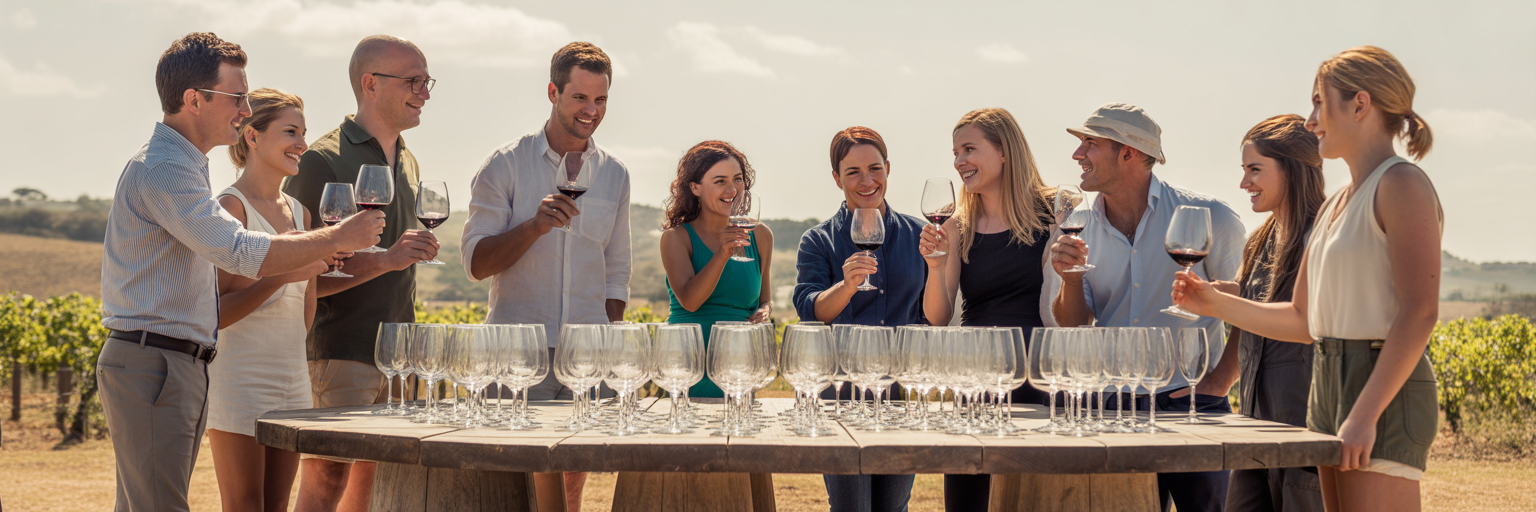
Having established why the modern solo traveler seeks connection, we can explore how thoughtfully designed group trips provide it. The social dynamic of these tours is their secret ingredient. They are engineered to create community organically, removing the anxiety that often comes with meeting new people. This is where we can answer the common question: is group travel good for introverts? The answer, perhaps surprisingly, is often a resounding yes.
A Group of Individuals, Not a Pre-Formed Clique
Imagine walking into a party where you do not know anyone, but everyone else seems to be part of an established group. It is an intimidating scenario. A group trip for solo travelers is the exact opposite. Everyone arrives alone. This simple fact is a powerful social equalizer. There are no pre-existing dynamics, no inside jokes you are not privy to. From the very first welcome meeting, everyone is on the same footing, united by a shared sense of adventure and a willingness to connect. This immediately dissolves the awkwardness and creates a welcoming environment for all personality types.
Engineered for Natural Social Interaction
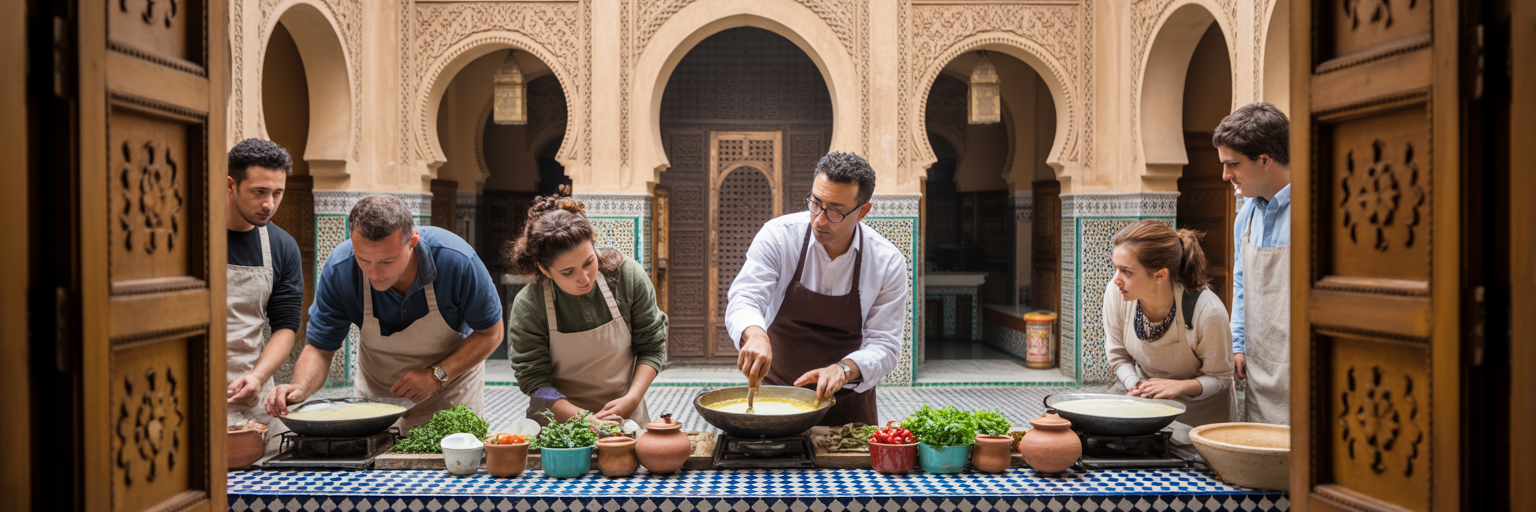
The best tour operators are masters of social architecture. They do not force friendships with awkward icebreakers. Instead, they create a sequence of experiences where connection happens naturally. It starts with a welcome dinner, where conversations spark over shared plates of local food. It continues during a small-group cooking class, where you might bond with someone while trying to fold dumplings. Even the shared van rides between destinations become mobile common rooms, filled with chatter about the day’s discoveries and plans for the evening. These are not scheduled “fun times” but organic moments of connection woven into the fabric of the journey.
The ‘Like-Minded’ Factor
You are not just joining a random collection of people. Most tours are curated around a theme, an interest, or a travel style. Whether it is a high-energy trek through the Himalayas or a leisurely food tour of Italy, the very nature of the trip acts as a filter. This pre-selection ensures a baseline of shared values and interests. You are inherently joining a group of people who, like you, believe that this specific type of experience is a worthwhile way to spend their time and money. This “like-minded” factor is a powerful social lubricant, making it much easier to find common ground and form genuine bonds.
Respecting the Need for Personal Space
Perhaps the most important element for an introvert is the assurance of personal time. Modern group tours are not relentless social marathons. A well-designed itinerary is a balanced composition of group activities and personal freedom. After a guided morning exploring a bustling market, the afternoon might be completely free. This is your time. You can retreat to the hotel with a book, wander through a quiet neighborhood on your own, or join a few new friends for a coffee. The choice is yours, and there is no pressure. This respect for personal space ensures you can recharge your social battery and engage with the group on your own terms.
Solving the Most Common Solo Travel Challenges
Beyond the social dynamics, the practical benefits of guided group travel are undeniable. These trips are designed to systematically eliminate the most common pain points and anxieties associated with traveling alone. By addressing these challenges head-on, they allow the traveler to focus on discovery and enjoyment rather than logistics and security.
Enhanced Safety and Peace of Mind
Safety is a primary concern for any traveler, but it is often magnified when traveling alone. This is particularly true when considering safe travel options for solo females. A group trip provides an immediate and powerful solution. There is the simple safety in numbers, which makes exploring a city at night or dining out feel more comfortable. More importantly, you have a local guide who understands the cultural nuances, knows which areas to avoid, and serves as an immediate point of contact in any emergency. This built-in support system provides a level of peace of mind that is difficult to achieve when you are entirely on your own.
Eliminating Logistical Nightmares
Think about the hours, even days, that go into planning an independent trip. Researching safe neighborhoods, comparing hotel reviews, coordinating transportation, booking tickets for popular attractions, and figuring out regional train schedules can feel like a second job. A group tour absorbs all of this. The accommodation has been vetted. The transport is arranged. The itinerary is optimized. This is not about being lazy; it is about being strategic with your most valuable resource: your time. All that mental energy previously spent on planning is now freed up to be fully present in the moment.
Making Travel More Economical
While it might seem counterintuitive, joining a tour can often be more cost-effective than traveling alone. The most significant factor is the dreaded “single supplement,” an extra fee charged to solo occupants of rooms designed for two. Most group tours offer twin-share options, pairing you with another solo traveler of the same gender, immediately eliminating this cost. Furthermore, tour operators leverage their buying power to secure group discounts on accommodation, transport, and activities, savings that are passed on to you. When you factor in all the components, the overall cost is often lower than a comparable trip planned independently.
Overcoming Decision Fatigue and Language Barriers
Independent travel involves a constant stream of micro-decisions. Where should I eat? Is this taxi safe? How do I buy a ticket for this museum? While empowering at first, this can lead to decision fatigue, a low-level stress that drains your energy. A tour leader acts as a facilitator, handling restaurant bookings, navigating public transport, and bridging language barriers. They offer recommendations but remove the burden of making every single choice. A good guide offers insights you will not find in a generic guidebook, helping you navigate a city’s culture in the same way dedicated city guides can reveal hidden gems.
| Challenge | Independent Solo Travel | Group Solo Travel |
|---|---|---|
| Safety & Security | Sole responsibility for personal safety; navigating unfamiliar areas alone. | Inherent safety in numbers; local guide for navigation and emergencies. |
| Logistics & Planning | Hours of research, booking, and coordinating transport, accommodation, and activities. | All logistics handled by the operator; pre-vetted and seamless itinerary. |
| Budgeting & Costs | Often subject to ‘single supplement’ fees for rooms; costs are shouldered alone. | Twin-share options eliminate single supplements; access to group rates. |
| Decision Making | Constant decision fatigue from choosing where to eat, what to do, and how to get there. | Key decisions are curated by experts, freeing up mental energy to enjoy the experience. |
| Social Connection | Connections are spontaneous but can be inconsistent; potential for loneliness. | Built-in community of like-minded individuals; structured but natural social opportunities. |
This table summarizes the key trade-offs between traveling independently and joining a group as a solo traveler. The comparison is based on common challenges reported by solo travelers regarding safety, planning, cost, and social dynamics.
The Ideal Blend of Curated Structure and Personal Freedom
One of the most persistent myths about group travel is that it is rigid and restrictive. The image of a large group dutifully following a guide with a flag is deeply ingrained in our collective consciousness. However, the reality of modern group travel for solo travelers could not be more different. These trips are built on a sophisticated understanding that for today’s independent-minded traveler, structure is not a limitation; it is a foundation for freedom.
The Modern Itinerary: A Flexible Framework
Think of the modern tour itinerary not as a strict set of rules, but as a well-designed framework. It ensures that you experience the essential highlights of a destination without the stress and uncertainty of planning it yourself. The tour operator has already figured out the best time to visit a landmark to avoid the crowds and has arranged for a seamless transfer to the next location. This curated structure acts as a reliable base, a solid platform from which you can launch your own personal explorations. It is the scaffolding that makes the adventure possible, not the cage that contains it.
The Power of ‘Free Time’ and Optional Activities
This is where the modern group tour truly shines. “Free time” is not an afterthought; it is a core component of the itinerary. For example, after a guided morning tour of the Colosseum in Rome, you might have the entire afternoon and evening to yourself. What does this look like in practice? One person might use the time to visit a niche art gallery they read about. Another might simply find a quiet cafe to read and people-watch. A few new friends from the group might decide to explore the Trastevere neighborhood together, getting lost in its charming streets. The tour provides the anchor point, but the individual’s experience remains unique and self-directed. That free afternoon is your chance to pursue a personal interest, whether it is finding the best gelato in Rome or using a local’s guide to truly understand the unique character of a place like Wichita Falls, Texas.
The Hybrid Travel Model
A growing number of savvy travelers are adopting a hybrid approach. They might start their trip with a one-week group tour. This allows them to get oriented in a new country, build confidence, make a few friends, and get valuable tips from a local guide. Then, armed with this newfound knowledge and a small network of contacts, they continue their journey independently for another week or two. This “best of both worlds” model is a powerful strategy. The group tour serves as an immersive orientation, a launchpad that dramatically reduces the friction of arrival and sets them up for a more successful and enjoyable independent adventure afterward.
Freedom from the Burden of Choice
In our hyper-connected world, we are often paralyzed by choice. The fear of missing out (FOMO) can be a constant companion on an independent trip. Did I pick the right restaurant? Should I have gone to the other museum? A curated itinerary liberates you from this burden. By entrusting the major decisions to experts, you are freed from the anxiety of optimization. You can relax and be present, fully immersing yourself in the experience as it unfolds, confident that the foundational elements are taken care of. This is not a loss of control; it is a strategic delegation that allows for a deeper, more mindful form of travel.
Finding Your Tribe Through Niche Travel
The evolution of group travel means the “one-size-fits-all” bus tour is a relic of the past. The market in 2026 is incredibly diverse and specialized, making it easier than ever for a solo traveler to find a group that aligns perfectly with their passions, personality, and travel style. This hyper-specialization is the key to finding “your people” on the road and is a primary reason why group trips have become so effective at creating genuine communities.
Beyond One-Size-Fits-All Tourism
The industry has matured far beyond generic sightseeing. Tour operators now recognize that travelers are not a monolith. They are individuals with specific interests, hobbies, and comfort levels. This has led to an explosion of niche travel experiences designed to cater to these specific desires. Instead of trying to appeal to everyone, the best solo travel group tours focus on doing one thing exceptionally well. This focus attracts a self-selecting group of participants who are already enthusiastic and knowledgeable about the theme, creating an instant sense of camaraderie.
Trips Curated by Interest and Passion
The sheer variety of interest-based trips available is astounding. This is not just about a “food tour” but about a deep dive into a specific culinary world. The possibilities are nearly endless, allowing you to connect with people who share your exact passion:
- Photography tours in Iceland led by professional landscape photographers who know the exact minute the light will be perfect.
- Intensive culinary journeys through the street food stalls of Vietnam, guided by a local chef who can explain every ingredient.
- Wellness and yoga retreats on the serene beaches of Bali, focused on rejuvenation and mindful practice.
- Wildlife-focused safaris in Tanzania with expert trackers who can identify an animal from a faint track in the dust.
- High-altitude trekking adventures in the mountains of Patagonia, designed for experienced hikers seeking a true challenge.
Tours Segmented by Age and Life Stage
While shared interests are a powerful connector, so is a shared life stage. Many companies now offer trips segmented by age, such as for travelers aged 25-39 or 40-55. This is not about being exclusionary. It is about creating a group with a similar energy level and shared cultural reference points. Being with peers who are at a similar point in their lives, facing similar career questions or family dynamics, can lead to deeper, more relatable conversations and stronger bonds. It ensures the pace of the trip and the style of the evenings are more likely to align with everyone’s expectations.
Matching Your Travel Style: From Budget to Boutique
Finally, it is important to understand that “group travel” is not a single category when it comes to comfort and cost. The market offers a full spectrum of options. You can find rugged, budget-friendly backpacking tours that use hostels and public transport, perfect for someone who wants a raw and adventurous experience. On the other end, you can find luxurious trips that feature boutique hotels, fine dining, and private transfers. This diversity allows you to choose a tour that not only matches your interests but also aligns with your personal travel style and budget, ensuring you feel comfortable and in your element from day one.
How to Choose the Right Group Adventure for You
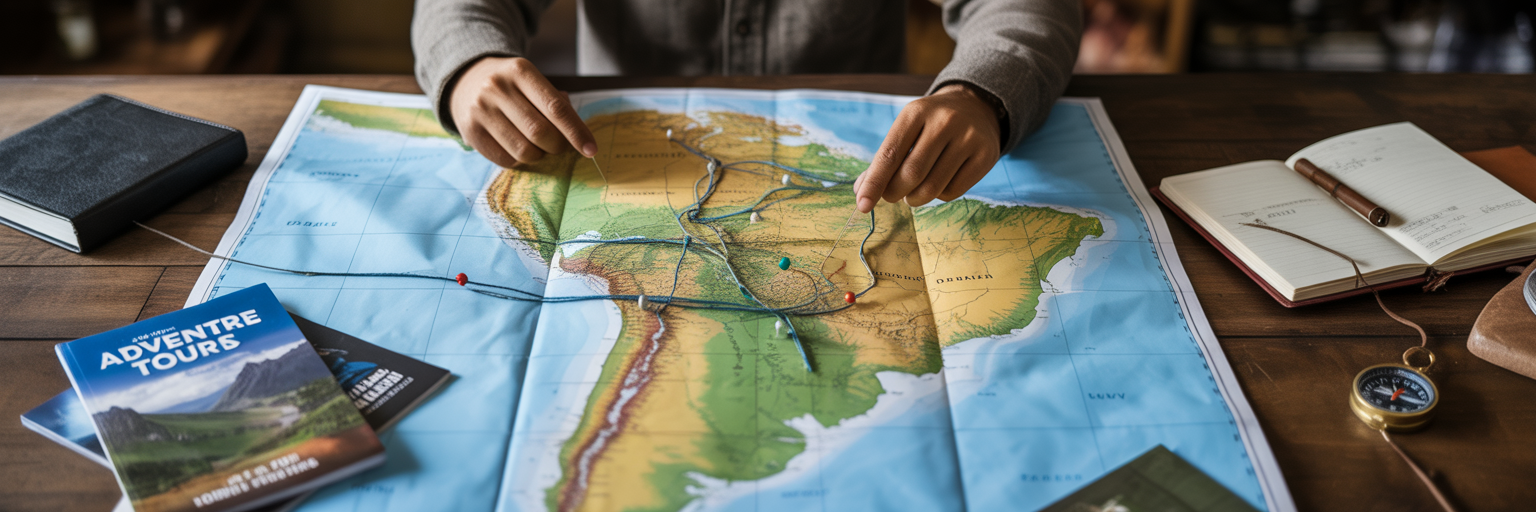
With such a vast array of options, the final step is figuring out how to choose a group tour that is the right fit for you. This requires a bit of introspection and some diligent research. By following a clear process, you can dramatically increase your chances of finding an experience that meets, and even exceeds, your expectations. This is your guide to finding the best solo travel group tours for your unique personality and travel goals.
Step 1: Diligent Research on Tour Operators
Do not be swayed by glossy brochures alone. Your first step is to become a detective. Look for independent reviews from other solo travelers on third-party sites. Pay close attention to comments about the group dynamic, the tour leader, and how the company handled any issues. Key factors to investigate include the company’s safety record, their policy on single supplements, and their typical group size. A smaller group, generally between 8 and 16 people, often leads to a more intimate and flexible experience. Your research should cover both the tour operator and the destination itself, using comprehensive resources like When In Your City to get a feel for the places you will be visiting.
Step 2: Scrutinize the Itinerary’s Pace and Balance
Every itinerary tells a story about the trip’s philosophy. Learn to read between the lines. Is it a whirlwind tour that visits a new city every day, or is it a “slow travel” experience that allows for a deeper dive into one or two locations? Count the number of scheduled activities versus the blocks of designated “free time.” Check the stated physical activity level. Is it a leisurely walk or a strenuous hike? Be honest with yourself about what you want. If the idea of a 6 AM start every day sounds exhausting, then a fast-paced tour is not for you, no matter how amazing the destinations are.
Step 3: Ask Probing Questions Before Booking
A reputable tour company will be happy to answer your questions. Before you commit, reach out to their customer service team with a list of specific, probing questions. This not only gets you the information you need but also gives you a sense of their responsiveness and transparency. Empower yourself by asking:
- “What is the typical age range and the percentage of solo travelers on this specific trip departure?”
- “Can you describe the tour leader’s background, experience, and role during the trip?”
- “What are the exact accommodation arrangements for a solo traveler who chooses the twin-share option? How are roommates matched?”
- “What is included in the price, and what are the typical out-of-pocket expenses I should budget for?”
Step 4: Set Realistic Expectations
Finally, it is important to approach the experience with a healthy dose of realism. A group trip is not a guaranteed friendship delivery service. The primary goal is to have a fantastic travel experience in a new and exciting place. While it is highly likely you will make friends, the real benefit is the shared journey itself. Go in with an open, flexible mindset, but also with the self-reliance to enjoy your own company during free time. Group dynamics can sometimes be complex, but a well-trained tour leader is skilled at managing them. Trust the process, but remember that you are ultimately the captain of your own experience.
The Lasting Value of a Shared Journey
As your trip concludes and you head home, the value of the experience begins to crystallize. It extends far beyond the photos you have taken or the souvenirs you have bought. The true return on investment is emotional and psychological, a lasting impact that often shapes how you see both the world and yourself.
Building Confidence for Future Adventures
For many, a group trip serves as a powerful “gateway” experience. It successfully demystifies international travel, replacing anxiety with competence. You learn how to navigate airports, try new foods, and communicate across language barriers, all within a supportive environment. This experience equips you with the skills and, more importantly, the confidence to tackle even more ambitious journeys in the future. Your next trip might be fully independent, built on the foundation of self-assurance you gained on your shared journey.
From Travel Buddies to Lifelong Friends
There is a unique intensity to friendships forged on the road. The shared challenges, the collective moments of awe, and the constant discovery create a powerful bond that can form with surprising speed. You have navigated unfamiliar cities together, laughed at the same mishaps, and supported each other through moments of travel fatigue. These are not superficial connections. The people who were strangers just a week ago can become lifelong friends, a global network of kindred spirits you can reminisce with for years to come.
Creating Richer, Multi-Layered Memories
A memory experienced alone is a singular, personal thing. A memory created with others becomes richer and multi-layered. Your recollection of a stunning sunset is amplified by remembering the shared silence of the group as you watched it. A funny story about getting lost is made better by the different perspectives of those who were there. The experience is magnified because you have people to share it with, both in the moment and long after the trip is over. The memory is not just yours; it belongs to the group.
Final Takeaway: An Enhancement, Not a Compromise
Let us return to our modern solo traveler. For them, choosing group travel for solo travelers in 2026 is not a compromise. It is not a fallback plan or a concession to fear. It is a deliberate, strategic choice to enhance the travel experience. It is about maximizing discovery, connection, and joy while minimizing stress, logistics, and loneliness. It represents a sophisticated evolution in how we choose to explore the world: independently, but not alone.