The Collective Shift from Solo Journeys
The romantic ideal of the solo traveler, popularized in the 2010s with narratives of solitary self-discovery, has given way to a more pragmatic and connected approach. The story is no longer just about finding oneself in isolation. Instead, young adults in 2026 are actively choosing to explore the world together, driven by a profound shift in social and personal priorities.
Recalibrating Social Priorities After Isolation
The years of digital saturation and physical distance left an indelible mark on a generation. We can all recall the feeling of endless video calls and the quiet longing for unscripted, real-world interactions. This collective experience has amplified a fundamental human need for tangible connection. Young adults are now placing a premium on creating shared memories that exist beyond a screen. Group travel for young adults directly answers this call, offering a structured yet authentic environment to build the very connections that were so deeply missed. It’s a conscious move away from the curated perfection of social media feeds and toward the messy, beautiful reality of shared human experience.
From ‘Finding Yourself’ to ‘Growing with Others’
The quest to “find yourself” on a solo journey can sometimes lead to a unique kind of experience fatigue. The pressure to have a transformative moment alone in a foreign land can be immense and, frankly, exhausting. The narrative is now evolving. Instead of a solitary mission, travel is becoming a collaborative effort focused on “growing with others.” The most memorable moments often arise not from quiet introspection but from navigating a bustling market with new friends or collectively overcoming a travel mishap. This shared struggle and triumph build resilience and perspective in a way that solitary reflection cannot. It’s a recognition that personal growth is often accelerated through our interactions with others.
The Three Pillars of Modern Group Travel
This movement toward shared journeys is supported by three core pillars that define modern group travel. First is the search for an authentic community, moving beyond superficial encounters to form genuine bonds. Second is the appeal of curated yet genuine adventures, which offer challenge and excitement without the logistical headaches. Finally, the practicalities of accessible exploration make ambitious trips financially and logistically feasible. These pillars provide a clear roadmap for understanding why traveling together has become the definitive way to see the world.
Forging Bonds in Small-Group Settings
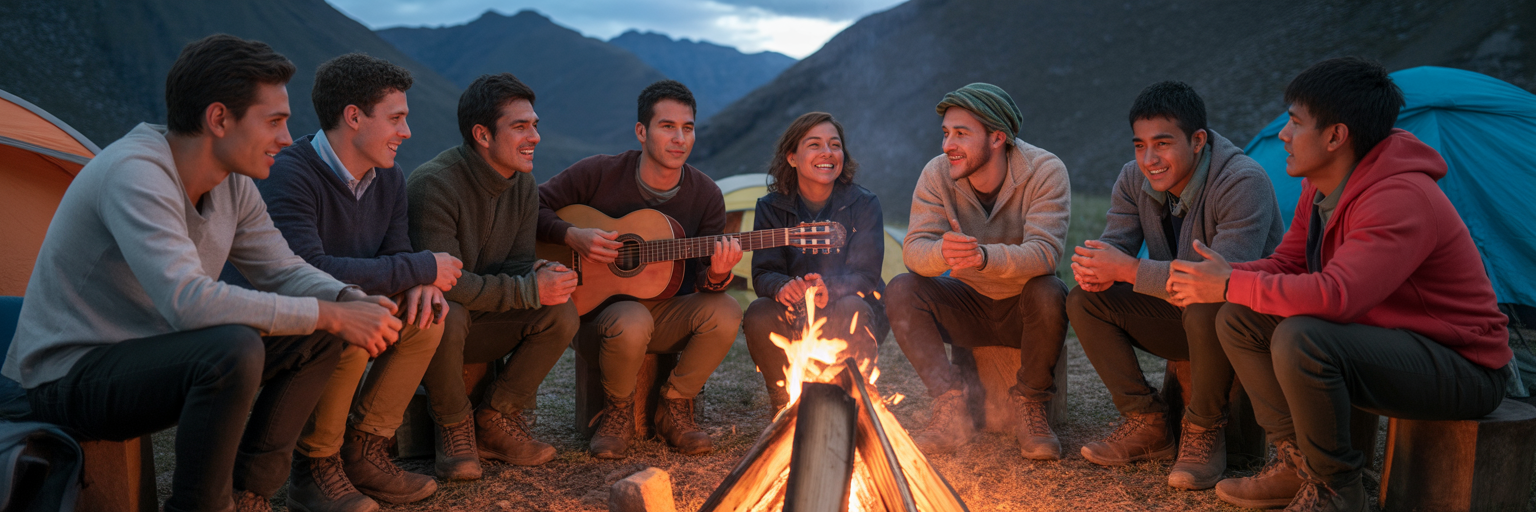
With the reasons for seeking shared experiences established, the focus shifts to the specific environment where these connections flourish. The magic of modern group travel lies not just in the decision to travel together, but in the carefully calibrated social dynamics of the group itself. It’s a deliberate move away from the impersonal nature of mass tourism and toward something far more intimate.
The ‘Sweet Spot’ of Group Size
There’s a reason why small group adventure tours have become so popular. A group of 8 to 12 people hits a social ‘sweet spot.’ It’s large enough to offer diverse perspectives and ensure you’ll find like-minded companions, yet small enough to avoid the anonymity that plagues large bus tours. You can fit around a single dinner table, share stories without shouting, and move through a town without feeling like a tourist platoon. This intimacy ensures that every member is a participant, not just a passenger. It creates a space where inside jokes are born and genuine friendships can take root.
The Psychology of Shared Experience
We’ve all felt that flicker of social anxiety in a large, unfamiliar crowd. In a small group setting, that dynamic is inverted. The shared context of the adventure creates an immediate, powerful bond. Navigating a confusing train station in a foreign country or working together to cook a meal over a campfire breaks down social barriers with remarkable speed. These moments of shared vulnerability and collective problem-solving are potent bonding agents. They transform a group of strangers into a cohesive unit, a temporary tribe built on mutual reliance and shared accomplishment. The resulting camaraderie feels earned and deeply authentic.
An Antidote to Modern Loneliness
It’s no secret that young adults today face a well-documented loneliness epidemic. Group travel serves as a powerful, proactive antidote. It provides a structured opportunity to build a ready-made community, fulfilling a deep-seated need for belonging that can be difficult to satisfy in daily life. For the duration of the trip, you are part of a collective. This temporary community often blossoms into lasting friendships that span continents, creating a personal network of people who understand a unique and formative part of your life story. It’s a tangible way to combat isolation by actively building a world of connection.
Adventure as the Core Experience
The social element is a powerful draw, but the substance of the trip itself is what gives it meaning. For today’s young travelers, ‘adventure’ has expanded far beyond its traditional definition. It’s less about adrenaline-fueled stunts and more about immersive experiences that challenge the body, engage the mind, and enrich the spirit. This redefinition is central to the appeal of modern group travel.
Redefining ‘Adventure’ for a New Generation
What does adventure mean in 2026? It’s a broad spectrum of activity that pushes personal boundaries. A recent report from Groups Today highlights that the Adventure Travel Trade Association found 67% of travelers are open to including adventure activities in their trips, signaling a clear shift toward more active journeys. This can mean a multi-day cycling tour through Vietnam’s rice paddies, an inn-to-inn hike along the coast of Portugal, or an immersive workshop learning traditional crafts from local artisans in Mexico. The common thread is active participation. It’s about doing, not just seeing. This hands-on approach creates more vibrant memories than passively observing landmarks from a distance.
The Appeal of Logistical Simplicity
Let’s be honest: planning a complex adventure can be a logistical nightmare. Sourcing specialized gear, plotting routes in remote areas, and vetting local guides requires significant time and expertise. This is where adventure travel companies provide immense value. They handle the complex coordination, removing major barriers to entry. Imagine wanting to hike the W Trek in Patagonia. Instead of spending weeks researching permits, booking refugios, and arranging transport, you can join a trip where all the details are managed. This logistical freedom allows you to fully immerse yourself in the experience, focusing on the challenge and beauty of the journey without the underlying stress of coordination.
Active Travel as Holistic Wellness
The connection between physical activity and mental well-being is undeniable. Active travel is increasingly viewed as a form of holistic wellness. The sense of accomplishment that comes from reaching a mountain summit after a challenging climb or completing a long-distance bike ride builds a profound and lasting sense of confidence. These experiences engage the body and quiet the mind, offering a powerful release from the pressures of daily life. It’s a form of self-care that is both restorative and empowering, providing a mental reset that a relaxing beach holiday simply cannot match. The takeaway is not just a story, but a renewed sense of capability.
Making Epic Journeys Financially Attainable

An ambitious trip to an exotic destination can seem financially daunting, especially for a young adult. However, the rise of group travel is intrinsically linked to its economic efficiency. By pooling resources and leveraging collective buying power, what was once a prohibitively expensive dream becomes a tangible reality. This financial accessibility is a key driver of the trend.
The Economics of Shared Costs
The most straightforward benefit of group travel is the power of shared expenses. Costs for accommodation, transportation, and guided activities are divided among the group, dramatically lowering the per-person price. A private guide for one person is a luxury; for a group of ten, it’s an affordable enhancement. The same logic applies to booking a private van instead of relying on expensive taxis or navigating complex public transport. These savings make affordable group trips possible without sacrificing the quality of the experience. The table below illustrates how these shared costs add up on a typical adventure.
| Expense Category | Estimated Solo Traveler Cost | Estimated Group Traveler Cost | Key Savings Driver |
|---|---|---|---|
| Private Room Accommodation (9 nights) | $900 | $450 (Shared Twin Room) | Sharing accommodation costs |
| Private Guide for Machu Picchu | $150 | $50 (Part of group rate) | Splitting guide fees |
| Transportation (Cusco to Rainbow Mountain) | $100 (Private Taxi) | $30 (Shared Van) | Bulk transportation booking |
| Inca Trail Permit & Tour | $750 | $600 (Group operator discount) | Operator volume discounts |
| Cooking Class in Cusco | $80 | $60 (Group booking rate) | Bulk activity booking |
Note: Costs are estimates based on mid-range travel options. The table illustrates how shared expenses in group travel significantly reduce the per-person cost for key components of an adventure trip, making otherwise expensive journeys more accessible.
Flexible Payments and Modern Budgeting
Beyond shared costs, the payment models themselves have evolved. The requirement of a large, upfront payment can be a significant barrier. Recognizing this, many tour companies now offer flexible options that align with modern budgeting habits. “Book Now, Pay Later” (BNPL) services and monthly installment plans are becoming standard. This approach breaks down the cost into manageable chunks, allowing travelers to budget for their trip over time without needing a massive lump sum to secure their spot. It makes financial planning less intimidating and the dream of travel more immediate.
Leveraging Social Capital for Travel
Tech-savvy young adults are also finding creative ways to fund their adventures. As noted by Just Go Happy, many are actively seeking ways to travel for free or at a discount. Travel ambassador programs, for instance, allow individuals to earn trip credits by promoting a company on their social media channels. Others partner with brands to create user-generated content in exchange for a subsidized journey. These strategies turn a digital presence into tangible travel currency. Furthermore, the appeal of last-minute deals caters to a desire for spontaneity while offering significant savings, making group adventures accessible to those with flexible schedules.
The Rise of Niche and Purpose-Driven Trips
As the group travel market matures, it is diversifying far beyond generic sightseeing tours. Travelers are now seeking hyper-specific itineraries built around shared interests and personal values. This shift ensures that from the moment of booking, you are surrounded by people who are genuinely passionate about the same things you are, creating an even stronger foundation for connection.
Beyond Sightseeing: Themed Itineraries
The modern traveler wants more than a checklist of landmarks. They want an experience with a theme and a purpose. This has led to the emergence of niche trips designed for very specific interests. Just as a traveler might consult the detailed city guides we’ve created to understand a place before visiting, these trips offer a deep dive into a particular passion. The possibilities are incredibly diverse:
- Digital detox retreats in remote cabins, focused on mindfulness and nature.
- Culinary tours in Italy centered on sustainable farm-to-table cooking.
- Marine conservation volunteer trips in Belize, contributing to reef preservation.
- Astrophotography workshops in the Atacama Desert, led by professional photographers.
- Historical journeys that follow the path of a specific event or literary work.
Choosing a trip like this guarantees you’ll be with a group that shares your enthusiasm, whether it’s for pasta making or planet-saving.
Aligning Travel with Personal Values
This trend is also deeply connected to a growing demand for responsible tourism. Young adults are not just consumers; they are conscious stakeholders who vet companies based on their principles. They ask tough questions: Does this company employ local guides? What is its environmental footprint? How does it give back to the communities it visits? Purpose-driven trips often have these values at their core, whether it’s a focus on sustainability, community empowerment, or conservation. Traveling in a way that aligns with one’s personal ethics adds a layer of meaning to the journey that sightseeing alone cannot provide.
The Appeal of Skill Acquisition
Finally, many are viewing travel as a personal investment in self-development. The goal is to return home with more than just photos and souvenirs; it’s to come back with a new, tangible skill. This has fueled the popularity of trips centered on skill acquisition. Think of a week-long trip to Thailand that includes earning a PADI scuba diving certification, a two-week immersion in Spain to develop conversational language skills, or a mountaineering course in the Alps to learn advanced climbing techniques. Choosing a niche trip requires understanding a destination’s unique offerings, much like how our guide to experiencing Temple, Texas helps visitors go beyond the surface. These journeys offer a clear return on investment, adding long-term value to one’s life well after the trip has ended.
Choosing the Right Group and Itinerary

With so many options available, the final step is finding the perfect fit. The success of a group trip hinges on choosing an experience that aligns with your personality, expectations, and travel style. Answering the question of how to find travel groups that are right for you requires a bit of self-reflection and some diligent research. This practical guidance will help you make an informed decision.
Know Thyself: Defining Your Travel Style
Before you even start browsing trips, take a moment for a quick self-assessment. Are you someone who thrives on a fast-paced, packed itinerary, or do you prefer a more relaxed schedule with ample downtime? What is your physical comfort level? Are you happy camping under the stars, or do you need a comfortable bed and a hot shower at the end of the day? Finally, consider your social preferences. Do you enjoy being the center of a lively group, or do you prefer deeper conversations with a few people? Being honest about your needs is the first step toward finding a trip where you will truly thrive.
How to Vet a Tour Operator
Once you have a sense of what you’re looking for, it’s time to vet the companies. A reputable operator will be transparent and professional. Look for clear, upfront pricing with no hidden fees. Read recent reviews critically, paying attention to both praise and complaints. Verify their safety certifications and ask about their protocols for emergencies. Vetting a tour operator’s local expertise is crucial; you want a company with deep knowledge, similar to the insights you’d find on our platform dedicated to authentic local experiences. Finally, examine their sustainability claims. Do they offer specific examples of how they support local communities and protect the environment, or are they just using vague buzzwords?
Reading Between the Lines of an Itinerary
An itinerary can tell you a lot if you know how to read it. Look past the glossy photos and analyze the schedule. How much time is spent in transit versus actually doing things? A day that lists “travel to City X” might mean a full eight hours on a bus. Look for a balance between planned activities and free time for personal exploration. Analyzing an itinerary is like using our guide to discover Mansfield, Texas; you need to look past the main attractions to understand the real flow and feel of the journey. Before you book, ask these critical questions:
- What is the typical age range and demographic of travelers on this specific trip?
- Can you provide a detailed breakdown of the physical fitness requirements?
- What specific costs are not included in the upfront price (e.g., optional activities, some meals, tips)?
- What is your policy for handling medical emergencies or unexpected itinerary changes?
- How does your company support the local communities and environments we will be visiting?
The Enduring Value of Shared Exploration
The move toward group travel is not a fleeting trend but a conscious choice rooted in a deep-seated desire for connection, meaningful adventure, and practical accessibility. It reflects a generation’s re-evaluation of what makes a journey truly valuable. It’s a clear statement that the experiences that shape us most profoundly are often the ones we share.
Looking ahead, this style of travel will likely become even more personalized. Imagine AI-powered tools that match travelers based not just on interests but on personality traits and travel styles, creating even more harmonious groups. We may also see mental wellness practices, like guided meditation and journaling, become standard components of adventure itineraries, further blending personal growth with physical exploration.
The long-term impact of these journeys extends far beyond the trip itself. They build confidence, foster a more nuanced global perspective, and create a diverse, international network of friends. The young adult who returns from a shared trek in the Himalayas or a collaborative conservation project in Costa Rica comes back with more than just memories. They return with a greater understanding of themselves and their place in the world.
In 2026, the ultimate currency of travel is found not just in the destinations visited, but in the personal growth undertaken and the bonds forged along the way. Exploration has become a powerful collective pursuit.