The measure of a great group trip has quietly shifted. It’s no longer about how many landmarks you can photograph, but about the quality of the moments you share between those sights. The most cherished travel stories rarely start with, “Remember that cathedral we looked at?” Instead, they begin with, “Remember when we tried to make pasta and covered the kitchen in flour?” This distinction between passive observation and active participation is what separates a good trip from an unforgettable one.
Many well-intentioned planners fall into the trap of ‘checklist tourism’. It’s a familiar scene: a frantic rush from one monument to the next, driven by a fear of missing out. While this approach covers a lot of ground, it often prevents genuine connection. The schedule becomes the focus, not the people you are with. The real magic happens when a group stops being an audience and starts being a team, a class, or a collective of explorers.
The power of interactive activities lies in simple psychology. Collaborative achievement, whether it’s solving a puzzle in an escape room or preparing a meal together, builds rapport far more effectively than sharing a seat on a tour bus. When you try something new as a group, it introduces a shared vulnerability that naturally breaks down social barriers. That initial awkwardness of trying to dance the flamenco or navigate a foreign market quickly gives way to laughter and mutual support, fostering a sense of trust and camaraderie.
Of course, the best group travel activities Europe has to offer are not one-size-fits-all. The key is to tailor the experience to your group’s unique dynamic. Are you planning for a multi-generational family that needs accessible options? A corporate team focused on building collaborative skills? Or a tight-knit group of friends seeking a new adventure? Understanding your group’s composition and goals is the first step in crafting a truly shared journey. The following framework can help guide your thinking.
| Group Type | Primary Goal | Recommended Activity Style | Potential Pitfall to Avoid |
|---|---|---|---|
| Multi-Generational Family | Inclusivity & Shared Fun | Low-impact, sensory experiences (e.g., market tours, simple cooking classes) | Overly physical or late-night activities that exclude older members or young children. |
| Close-Knit Friends | Deepening Bonds & Creating Stories | Adventurous challenges or unique cultural workshops (e.g., coasteering, flamenco class) | Over-scheduling; not leaving enough downtime for spontaneous exploration. |
| Corporate Team | Building Trust & Collaboration | Structured, goal-oriented tasks (e.g., escape rooms, scavenger hunts) | Activities that are too personal or lack a clear team-building component. |
| Bachelor/Bachelorette Party | Celebration & High-Energy Fun | Competitive games or celebratory experiences (e.g., cocktail-making contest, boat party) | Lack of variety; focusing only on nightlife without balancing it with daytime activities. |
Culinary Connections Through Europe’s Kitchens
Food is the universal language of travel, but its power to connect a group goes far beyond simply sharing a table at a restaurant. Engaging with a destination’s culinary traditions through hands-on experiences transforms a meal from a simple necessity into a central event of the trip. It’s in the shared effort of creation and the joy of tasting something you made together that lasting bonds are formed.
Hands-On Gastronomy: The Power of the Cooking Class
There is a profound difference between eating fresh pasta in Italy and learning to make it yourself. The feeling of flour on your hands, the friendly competition to create the perfect tortellini, and the shared laughter over a few misshapen attempts create a rich, sensory memory. A group cooking class Rome offers is a classic example of this principle in action. It’s not just a lesson; it’s a collaborative project that culminates in a delicious, shared reward. This concept is popular across the continent. According to American Meetings, Inc., interactive culinary activities are highly sought after, with paella workshops in Madrid being another favourite for fostering teamwork and creating a fun, social atmosphere.
Dining with a Difference: Unique Food Experiences
Even a traditional meal can become a memorable bonding activity when placed in an unconventional setting. We’ve all been at a group dinner where the conversation lulls. A unique dining experience can act as a natural icebreaker, sparking new discussions and shared amusement. Imagine sipping prosecco and eating scones while navigating London’s traffic on a vintage double-decker bus. These are some of the most talked-about unique group experiences London provides, turning afternoon tea into an adventure. Other options, like a ‘dine in the dark’ restaurant, heighten the senses and force a different kind of interaction. A progressive dinner, moving between different tapas bars in Spain or cicchetti spots in Venice, keeps the energy high and allows the group to experience multiple local flavours in one evening.
From Market to Table: Immersive Food Tours
A walk through a bustling European food market is a feast for the senses, but without context, it can also be overwhelming. A guided tour of a place like La Boqueria in Barcelona or Rome’s Campo de’ Fiori transforms a chaotic stroll into a structured narrative. A local guide can point out seasonal produce, explain the story behind a regional cheese, and offer tastes of olives or cured meats. This turns the market into a living classroom. The simple act of tasting something new together becomes a conversation starter, allowing the group to learn and discover as one.
Specialized Tastings: A Journey for the Palate
For groups seeking a more refined but equally social experience, specialized tastings offer a focused exploration of a single ingredient. Moving beyond standard wine tours, consider an olive oil tasting at a family-run grove in Greece, where you can learn to distinguish between different pressings. A chocolate-making workshop in Belgium provides insight into the craft of the master chocolatier, while a cheese-tasting session at a Swiss Alpine dairy connects you directly to the region’s agricultural heritage. These sessions are educational, sophisticated, and provide a relaxed environment for conversation and shared appreciation.
Immersive Cultural Workshops for Creative Groups
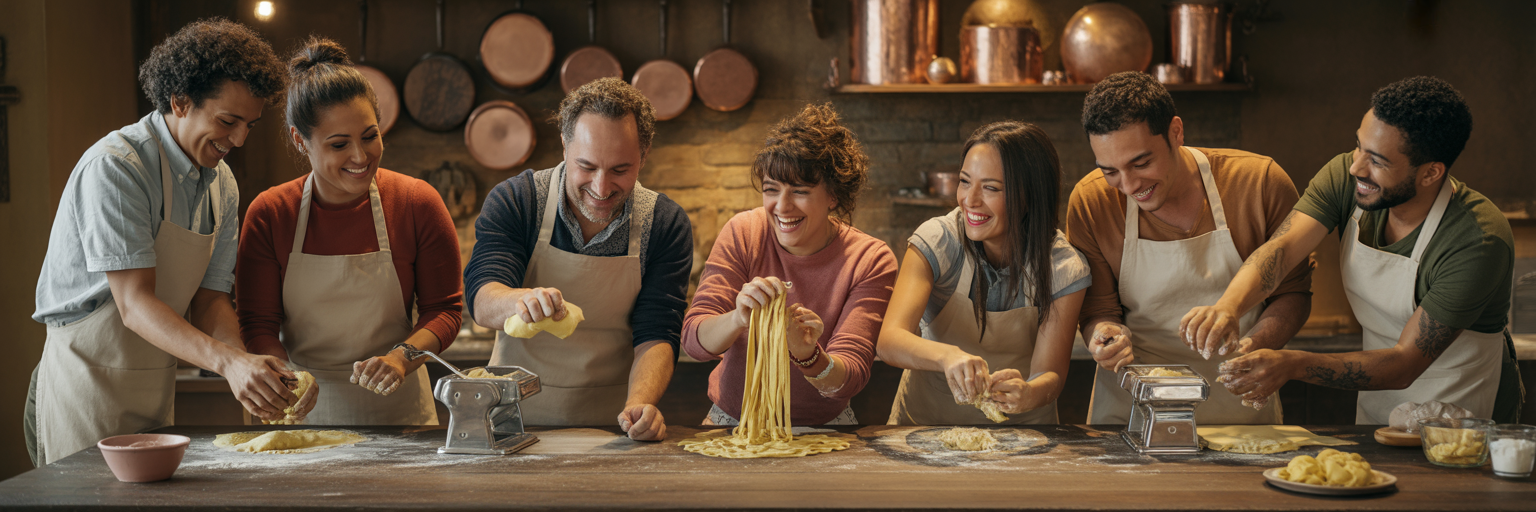
The most meaningful souvenirs are often not the ones you buy, but the ones you make. Hands-on cultural workshops offer groups a chance to connect with a destination’s heritage on a deeper level, moving beyond observation to active creation. These experiences provide a tangible takeaway, a physical object or a new skill that holds the memory of the trip long after you’ve returned home.
Learning an Ancient Craft
There is a unique satisfaction that comes from creating something with your own hands, especially when it’s tied to centuries of local tradition. Instead of simply purchasing a painted tile in Lisbon, imagine your group spending an afternoon learning the art of painting ‘azulejo’ tiles, each person creating their own unique design. In Florence, a leather-working session can result in a personally crafted wallet or journal, a constant reminder of the trip. Similarly, a glass-blowing demonstration in Murano is interesting, but a workshop where you shape your own piece of molten glass is an unforgettable experience. The finished product becomes a trophy of a shared accomplishment.
The Art of Scent: Perfume Making in France
Scent is powerfully linked to memory, making a perfume-making workshop in Grasse or Paris a particularly poignant group activity. Guided by an expert ‘nez’ (nose), participants learn about the intricate structure of a fragrance, from the bright top notes to the lingering base notes. The process is one of quiet concentration and sensory exploration as each person blends essential oils to create a signature scent. While the final creation is deeply personal, the shared journey of discovery makes it a collective experience. Everyone leaves with a custom fragrance that is not only a memento of France but also a reminder of the people they shared that moment with.
Performance and Movement: Expressive Local Arts
Sometimes the best way to break down barriers is to get everyone moving. Workshops focused on performance and movement invite shared vulnerability and, inevitably, shared laughter. A flamenco class in Seville isn’t about achieving perfection; it’s about the collective energy, the rhythm of the music, and the fun of trying something new together. For a more theatrical experience, a ‘gladiator school’ in Rome offers a historical and physical team challenge. In Dublin, an Irish bodhrán drum lesson in the corner of a pub can quickly turn a group of individuals into a surprisingly cohesive (and loud) percussion section. The goal is participation, not performance.
Visual Arts: Capturing Europe Through a New Lens
Engaging with a city’s visual arts can go beyond museum visits. A creative workshop encourages your group to see their surroundings from a new perspective. A street art and spray-painting session in Berlin allows you to understand the city’s modern culture by adding your own mark to it (in a legal, designated space). A watercolour class overlooking the canals of Amsterdam transforms a picturesque view into a personal creation. A guided photography tour in Prague does more than point out the best photo spots; it teaches you how to see the light, composition, and details that bring the city to life. This approach to discovering a city’s character is transformative, much like how a dedicated city guide can reveal the hidden soul of a place, whether you’re in Europe or exploring a city in Texas.
Forging Bonds Through Adventure and Discovery
For some groups, the strongest connections are built not in a classroom or a kitchen, but in the face of a shared challenge. Adventure and exploration activities push people slightly out of their comfort zones in a safe, guided environment, creating powerful narratives and inside jokes that last a lifetime. The shared adrenaline and sense of accomplishment from these experiences can become the defining moments of a trip.
Exploring the Unseen: Underground and Hidden Tours
There’s a unique thrill that comes from leaving the bustling city streets behind and descending into a hidden world. The air cools, the sounds of traffic fade, and a sense of adventure takes over. A guided tour of the catacombs beneath Rome or the Cold War-era bunkers under Berlin is more than a history lesson; it’s a shared expedition. The slightly mysterious atmosphere encourages the group to stick together, fostering a subtle sense of reliance and camaraderie. Exploring these non-traditional sites, like the intricate sewer museum in Paris, gives a group a story that few other travellers can tell.
Navigating Nature’s Challenges Together
Europe’s stunning natural landscapes offer the perfect backdrop for activities that require teamwork and mutual encouragement. Imagine kayaking in unison through the majestic Norwegian fjords, with each paddle stroke contributing to the group’s progress. Or consider coasteering along the rugged Welsh coast, where you scramble, swim, and leap into the sea, helping each other navigate the rocky terrain. Canyoning in the Swiss Alps, where you rappel down waterfalls and slide through natural rock chutes, is an intense but incredibly rewarding experience. The combination of physical effort and breathtaking scenery creates powerful, almost cinematic memories.
Urban Exploration with a Twist: Scavenger Hunts
Sightseeing can often feel like a passive activity, but a modern scavenger hunt transforms it into an interactive and competitive game. These hunts, often guided by a smartphone app or a custom-designed map, send teams racing through cities like Lisbon or Budapest to solve clues, complete challenges, and discover hidden gems. This format naturally encourages communication, problem-solving, and strategic thinking. It’s one of the most effective team building activities Europe has to offer because it blends sightseeing with active engagement, ensuring everyone is involved and invested in the exploration.
The Value of Shared Challenge
Ultimately, the power of these adventurous activities lies in the creation of a shared narrative. The stories from the trip will no longer be just about what you saw, but about what you did together. “Remember when we finally found that last clue?” or “Remember that view after we climbed the cliff?” become the cornerstones of your group’s collective memory. It is crucial, however, to choose an adventure that matches the group’s overall fitness and appetite for risk. The goal is to find an enjoyable challenge that feels exhilarating and empowering, not stressful or overwhelming. When chosen correctly, a shared challenge is one of the most effective ways to forge lasting bonds.
The Thrill of the Game and Friendly Competition
A little friendly rivalry can be a surprisingly effective tool for group bonding. Competitive activities, when framed in a lighthearted and inclusive way, generate energy, spark conversation, and encourage collaboration. Whether it’s a race against the clock or a creative contest, the shared goal and playful spirit can bring a group together in a dynamic and memorable way.
Themed Escape Rooms: A Race Against Time
An escape room is a potent, concentrated dose of team building. The moment the door locks and the timer starts, a group of individuals must quickly become a cohesive unit. Everyone has to communicate, listen, and contribute to solve the shared problem. To make the experience even more immersive, seek out rooms with themes tied to your location’s history or culture, such as a ‘Sherlock Holmes’ mystery in London or a ‘da Vinci code’ puzzle in Florence. The intense focus and time pressure strip away social formalities and create a powerful, focused bonding experience.
Engaging in Friendly ‘Bake-Offs’ and Contests
Competition doesn’t have to be intense to be effective. Creative contests offer a more relaxed but equally engaging alternative. Imagine a ‘Great British Bake-Off’ style competition where teams are challenged to create the best scones or decorate a cake. A cocktail-making contest can be another fun option, where each team invents a signature drink and everyone gets to be a judge. The emphasis is not on who wins, but on the creative process, the playful rivalry, and the shared celebration at the end. These activities result in a tangible product—food or drink—that everyone can enjoy together, reinforcing the sense of community.
Becoming a Spectator: The Energy of a Local Sporting Event
Sometimes, the best way to share an experience is to be part of a much larger one. Attending a live sporting event allows your group to tap into the collective energy and passion of a city. Joining thousands of roaring fans at a football match in Manchester or a rugby game in Dublin is an experience of pure, unadulterated local culture. It requires no special skill or effort from the group, yet it provides a powerful, shared emotional experience. You are united not just with your friends, but with an entire stadium of people, creating a simple yet profound sense of belonging. This kind of immersion offers a genuine feel for a place, much like how an honest guide can provide a true sense of a city like Conroe, Texas.
- Escape Room: High-intensity, high-collaboration, fixed duration.
- Creative Contest: Medium-intensity, light competition, results in a shared product (food/drink).
- Spectator Sport: Low-intensity participation, high shared energy, culturally immersive.
Planning for Success with Group Activities
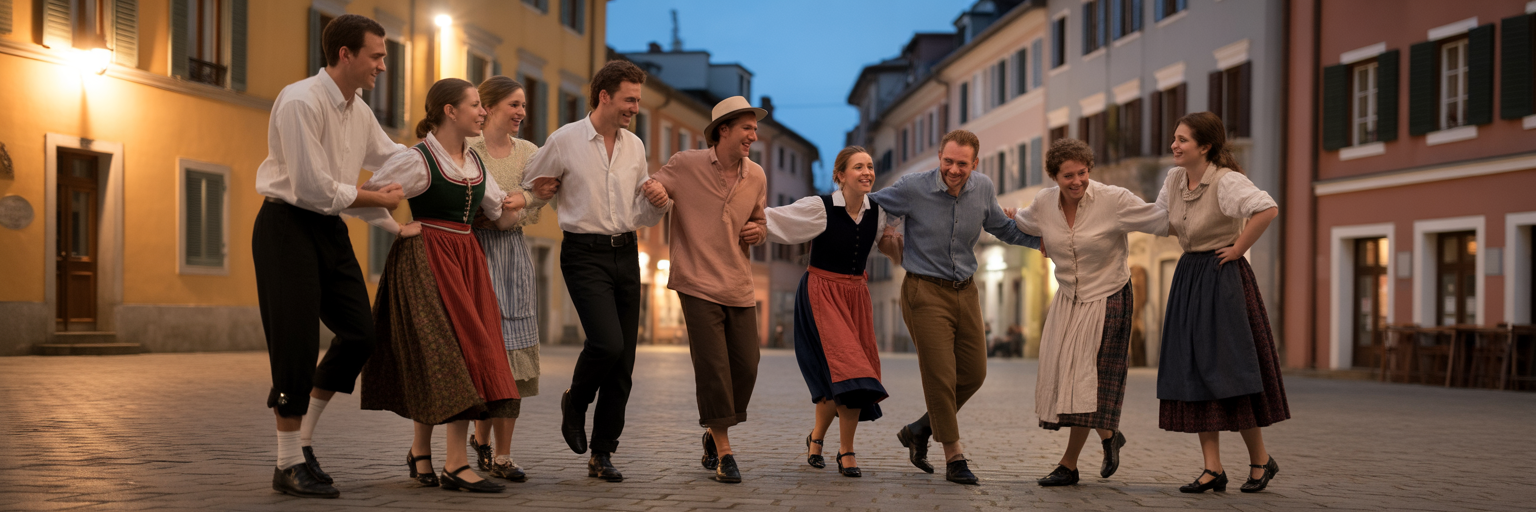
The most creative and engaging activity ideas can fall flat without thoughtful planning. As the group organizer, a little logistical foresight can make the difference between a seamless experience and a stressful one. Ensuring the practical details are handled allows everyone, including you, to relax and enjoy the shared moments.
First and foremost, book in advance. This cannot be overstated. Many of the unique workshops, tours, and classes mentioned are run by small businesses with limited capacity. Booking ahead, especially for larger groups or during peak travel season, is essential. It not only secures your spot but can sometimes open the door to group discounts or allow for customization of the experience to better suit your group’s needs.
Next, focus on creating a balanced itinerary. It’s tempting to pack every day with exciting plans, but this can quickly lead to exhaustion. We’ve all been on trips where you feel like you need a vacation from your vacation. A good rule of thumb is to schedule one key social activity per day, leaving ample free time for spontaneous exploration, individual relaxation, or smaller group outings. This respects different energy levels and allows for the kind of unplanned magic that often defines a trip.
Address the financial aspect head-on to avoid awkwardness later. Discussing money can be a mood killer, so establish a clear and transparent system from the start. Consider pre-collecting funds for booked activities into a group pot or using a free expense-tracking app like Splitwise. This ensures everyone knows where they stand and prevents the stress of trying to figure out who owes what at the end of a great meal.
Finally, use simple technology to keep everyone coordinated. A shared digital calendar (like Google Calendar) provides a central source of truth for the itinerary. A group chat (on an app like WhatsApp) is perfect for real-time updates, like “running 5 minutes late,” or for sharing photos. A collaborative map (like Google My Maps) with key locations pinned—the hotel, activity meeting points, and restaurant reservations—can be a lifesaver for navigating a new city. These simple tools minimize logistical friction and keep everyone on the same page.
By thoughtfully planning these social activities for groups in Europe, you set the stage for a trip defined by connection and shared stories. Here is a simple checklist to guide you:
- Define Your Group’s Goal: Is it bonding, celebration, or relaxation? Choose activities accordingly.
- Book Key Activities Early: Secure your spots and reduce on-the-ground stress.
- Create a Balanced Schedule: Mix planned events with plenty of free time.
- Establish a Financial Plan: Use a group fund or app to manage shared costs transparently.
- Set Up a Communication Hub: Use a shared calendar and group chat to keep everyone informed.
With the right planning, your trip becomes a shared story. For more inspiration on discovering destinations, check out our collection of city guides.