The anticipation of a journey is often as potent as the experience itself. Yet for a first-time group traveller, this excitement can be tinged with uncertainty. We have all felt that mix of eagerness and nerves. This guide provides the framework to transform that apprehension into confidence, ensuring your first shared adventure is not just good, but truly memorable.
Unlike solo or family travel where you are the architect of your own schedule, a group tour introduces a collaborative dynamic. This is not simply a vacation. It is an exercise in social navigation, shared discovery, and the art of compromise. The experience asks you to shift your mindset from one of individual control to one of collective experience. It is less about seeing a place through your own eyes and more about seeing it through a dozen different perspectives at once.
Success in this environment does not happen by accident. It is built on a foundation of awareness and intention. To help you build that foundation, we will explore five essential pillars that support a rewarding group journey. These pillars are not just tips, but interconnected principles that work together to shape your experience.
We will begin with thoughtful preparation to manage expectations before you even leave home. From there, we will cover the importance of open communication in building strong connections. We will then explore why flexibility is your most valuable asset on the road. Next, we will look at how active participation transforms you from a spectator into a part of the story. Finally, we will address the crucial role of self-care in maintaining your energy and enthusiasm. This structure is your roadmap to a profoundly fulfilling adventure.
Tip 1: Master the Art of Pre-Trip Preparation
A successful group trip begins long before you meet your fellow travellers at the airport. Thoughtful preparation is not about eliminating spontaneity. It is about building a solid foundation so you can embrace it when it arrives. This is where you turn uncertainty into informed anticipation, setting yourself up for a smoother, more engaging journey. Proper planning is especially important for group travel for beginners, as it addresses many common anxieties head-on.
Deep Dive into the Itinerary
Your tour operator provides an itinerary, but that is just the skeleton of your trip. Your job is to add the muscle. Researching the destinations on your own helps you manage expectations and identify personal interests you can explore during free time. Knowing the general layout of a city, the location of a specific café you want to try, or the history behind a monument makes your downtime more meaningful. This level of detail is valuable whether you are navigating a sprawling European capital or discovering a smaller city like Mansfield, Texas. When you arrive with context, you see more than just buildings, you see stories.
Understand Group Etiquette and Expectations
Every group has a unique culture, and your tour company will provide materials outlining the rules of the road. Read them. These documents contain crucial information about punctuality, shared spaces, and other protocols designed to ensure a harmonious experience for everyone. Understanding these expectations from the start prevents misunderstandings later. It is the small things, like being ready to leave on time or keeping shared areas tidy, that build collective respect and a positive group atmosphere.
Strategic Packing for a Communal Setting
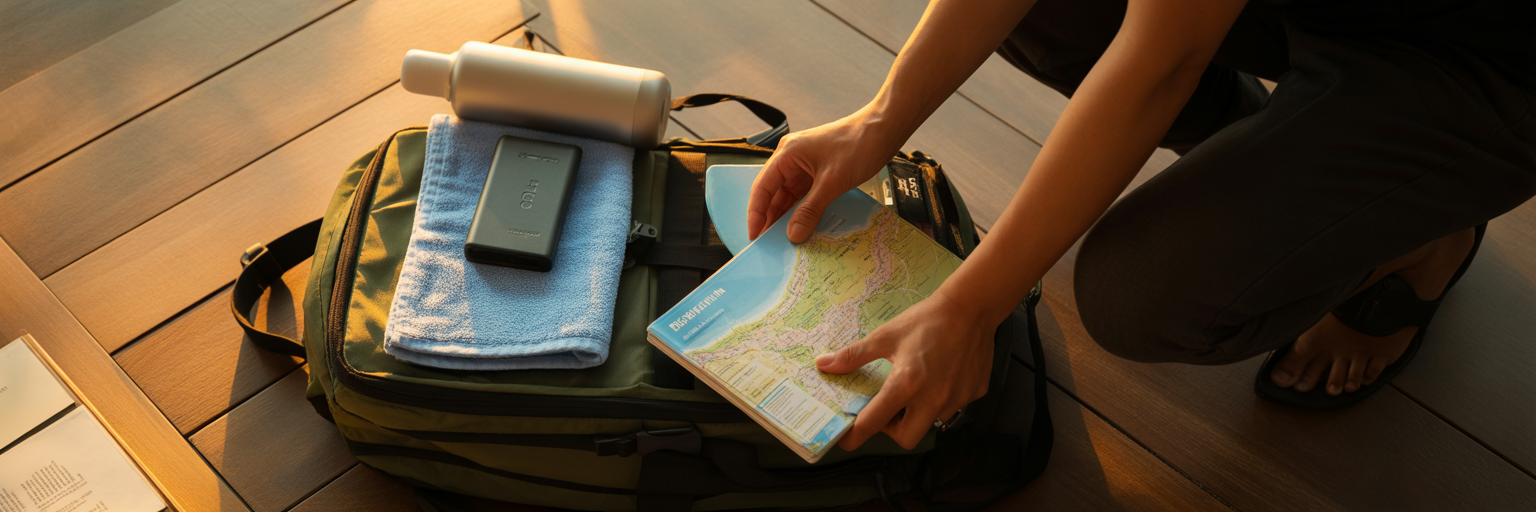
Packing for a group tour is different from packing for a solo trip. Your choices can affect not only your own comfort but also the group’s dynamic. The goal is to be self-sufficient yet considerate. Think less about having an outfit for every occasion and more about having versatile items that serve multiple purposes. Items that enhance communal living, like a power bank with multiple ports, can make you a quiet hero when outlets are scarce.
| Item Category | Essential for Group Travel | Why It’s Essential | What to Leave Behind |
|---|---|---|---|
| Electronics | High-Capacity Power Bank | Allows you to share charging ports and be a hero when outlets are scarce. | Multiple single-purpose gadgets (e.g., separate camera, e-reader, tablet). |
| Comfort | Quality Earplugs & Eye Mask | Guarantees rest in noisy hostels, shared rooms, or on buses. | Bulky neck pillows or full-size blankets. |
| Toiletries | Solid Toiletries (Shampoo/Conditioner Bars) | Prevents spills in your luggage and saves space and weight. | Large, full-size liquid bottles. |
| Health | Small First-Aid Kit with Shared Items | Includes basics plus items like blister plasters or pain relievers that can help a fellow traveler. | An oversized, comprehensive medical kit (unless required for a specific condition). |
| Apparel | Versatile Layering Pieces | Adapt to changing weather and social settings without overpacking. | Single-occasion outfits or items that don’t mix and match. |
This table provides a practical comparison to guide first-time group travelers in packing efficiently. The focus is on items that not only serve personal needs but also contribute positively to a communal living environment.
Set Personal Goals and Intentions
Finally, take a moment to think about what you personally want to get out of this trip. Is your goal to make new friends? Are you hoping to practice a new language? Do you want to push your comfort zone by trying new foods? Setting a few personal intentions gives you an anchor. It provides a focus that helps you make decisions throughout the journey and ensures that, amidst the group’s agenda, you are also fulfilling your own reasons for being there.
Tip 2: Build Connections Through Open Communication
With your bags packed and your research complete, the next phase of your journey is social. The quality of your group travel experience often hinges on the quality of your interactions. Open communication is the currency of a successful group dynamic, turning a collection of strangers into a cohesive team of explorers. Mastering this skill is fundamental to learning how to enjoy group travel.
The First Impression and Initial Interactions
That first meeting can feel like the first day of school. Everyone is a little hesitant. You can break the ice by moving beyond generic questions like “Where are you from?” Instead, ask open-ended questions that tap into shared excitement, such as “What are you most looking forward to on this trip?” or “What was the last amazing place you visited?” These questions invite stories, not just one-word answers, and immediately establish a more meaningful connection.
Navigating Minor Group Decisions
Even on a structured tour, small decisions will arise. Where should we go for an optional group dinner? Should we visit this market or that museum during our free afternoon? This is where the art of compromise comes into play. It is perfectly fine to voice your preference, but do so as a suggestion, not a demand. Phrases like, “I heard about a great seafood place, but I’m open to anything,” show you are a team player. The goal is not to win every decision but to contribute to a solution that makes the most people happy.
Proactive and Respectful Conflict Resolution
When you put a diverse group of people together, minor frictions are inevitable. Someone might be consistently late, or different personalities might clash. The key is to address these issues before they escalate. A simple framework can help you navigate these moments respectfully, and it is one of the most useful pieces of advice for group tours.
- Address issues early and privately. A quiet, one-on-one conversation is far more effective than a public confrontation.
- Use ‘I’ statements to express feelings without blame. Saying “I feel a bit stressed when we have to wait” is received better than “You’re always making us late.”
- Know when to involve the tour guide. If a private conversation does not resolve the issue, your guide can act as a neutral mediator.
This approach keeps small problems from casting a shadow over the entire trip.
Leveraging Your Tour Guide as a Resource
Your tour guide is more than just a scheduler and navigator. They are a cultural interpreter, a local expert, and a facilitator for the group. Do not be afraid to use them as a resource. Ask them questions that go beyond the script, like “What’s your favorite local dish that’s not on the tourist menus?” or “What’s a common cultural misunderstanding to avoid here?” As The Culture Trip highlights, engaging with your guide enriches the experience for everyone, turning a standard tour into a deeper cultural immersion.
Tip 3: Embrace Flexibility as Your Greatest Asset
After mastering preparation and communication, the next essential skill is internal. It is the mindset of adaptability. On any journey, especially one shared with others, things will deviate from the plan. A bus will be late, a museum will be unexpectedly closed, or the weather will refuse to cooperate. In these moments, flexibility is not a compromise, it is a superpower. It is what allows you to find joy in the unexpected and turn potential frustrations into memorable adventures.
Cultivating a Mindset of Adaptability
The first step is to consciously reframe your perspective. Instead of viewing a change of plans as a disruption, see it as an opportunity. A cancelled activity might open up a few hours for spontaneous exploration. A wrong turn could lead you to a charming neighborhood you would have otherwise missed. This mindset shift is the difference between a traveler who is stressed by imperfection and one who is energized by it. Ask yourself: what new possibility has this change created?
Letting Go of a Rigid Personal Schedule
If you are accustomed to solo travel, you are used to being in complete control of your time. Group travel requires you to release that grip. You cannot meticulously plan every hour of your day when you are moving with a dozen other people. Trying to impose a rigid personal schedule onto a group dynamic is a recipe for frustration. Instead, focus on the main highlights of each day and leave the spaces in between open to the flow of the group and the serendipity of the moment.
Navigating Diverse Paces and Interests
In any group, you will find a mix of energy levels and interests. Some people will want to be on the go from dawn until dusk, while others will prefer a more relaxed pace. Some will be passionate about history, others about food or shopping. Flexibility means respecting these differences. Use your free time to pursue your own interests, or pair up with others who share a similar pace. You do not have to do everything together. Giving each other space to have individual experiences makes the time you do spend as a group more enjoyable.
Transforming Challenges into Shared Memories
This is where flexibility truly shines. The moments that go wrong are often the ones that become the best stories later. That time the group got caught in a downpour and huddled together in a tiny bakery, sharing pastries and laughing, will be remembered long after the memory of a perfectly executed museum visit fades. When a challenge arises, look for the humor and the opportunity for connection. These shared mishaps build a unique bond that no perfectly planned itinerary ever could. They become the inside jokes and legendary tales of your trip.
Tip 4: The Power of Active Participation
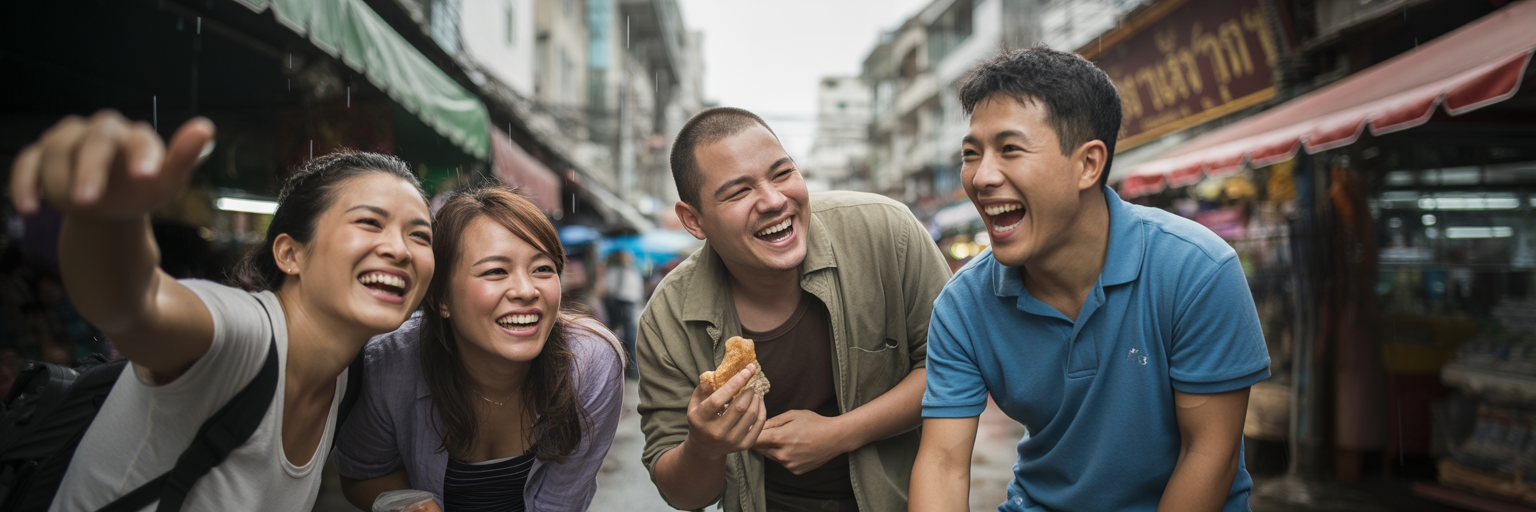
Once you have laid the groundwork with preparation, communication, and a flexible mindset, the next step is to actively engage. Participation is about more than just showing up. It is the conscious choice to move from being a passive observer to an active creator of your travel experience. It is the actions, big and small, that weave you into the fabric of the group and the destination. This is one of the most vital first group travel tips for turning a good trip into a great one.
Transitioning from Observer to Participant
It is easy to hang back and let the experience happen around you. The real magic, however, comes from stepping into the arena. Try the strange-looking fruit at the local market. Attempt a few phrases in the local language, even if you feel awkward. Join the optional cooking class or the early morning hike. Every time you say “yes” to an opportunity, you deepen your connection to the place and the people you are with. Active participation helps you discover a place more thoroughly, much like how you might explore various city guides to understand a region before you even arrive.
Low-Pressure Strategies for Initiating Social Connections
For those who are more introverted, the idea of “participation” can sound exhausting. But it does not have to be about being the loudest person in the room. There are many quiet, low-pressure ways to engage and build connections.
- Offer to take photos for others. It is a simple, kind gesture that everyone appreciates.
- Share your snacks on a long bus ride. Food is a universal connector.
- Suggest a card game or a podcast for a quiet evening. This creates a shared activity without requiring intense conversation.
- Ask someone about their favorite part of the day. It is an easy way to start a one-on-one conversation.
These small actions make participation feel accessible to all personality types.
Understanding Participation as Mutual Support
Participation is not just about social activities. It is also about contributing to a supportive group environment. This can be as simple as saving a seat for someone on the bus, helping another traveler with their heavy luggage, or just listening patiently when someone is having a tough day. These small acts of kindness are the glue that holds a group together. They signal that you are all in this together, transforming a collection of individuals into a true travel family.
Balancing Group Engagement with Personal Pursuits
Active participation does not mean you have to be socially “on” 24/7. In fact, being fully present during group activities makes your personal downtime feel more earned and restorative. The key is balance. Engage wholeheartedly when you are with the group, and then give yourself permission to step back and recharge when you need it. This balance ensures you have the energy to contribute positively without feeling drained.
Tip 5: Prioritize Self-Care and Personal Downtime
The final pillar of a successful group tour is perhaps the most overlooked. In the whirlwind of new sights, sounds, and social interactions, it is easy to forget to take care of yourself. Prioritizing self-care is not selfish. It is a strategic necessity that ensures you have the physical and emotional stamina to enjoy the entire journey. Understanding this is key to managing what to expect on a group tour, as social fatigue is a very real possibility.
Recognizing the Signs of Social and Physical Burnout
Being constantly surrounded by people, even wonderful people, can be draining. It is important to recognize the early signs of burnout before they impact your experience. Are you feeling unusually irritable? Are you starting to withdraw from conversations? Do small inconveniences feel like major catastrophes? These are common symptoms of social and physical exhaustion. Acknowledging them is the first step toward addressing them.
Guilt-Free Strategies for Carving Out ‘Me Time’
Taking time for yourself is essential for recharging. The key is to do it without feeling guilty. You are not abandoning the group, you are ensuring you can return to it as your best self.
- Wake up a little early for a solo walk and a coffee before the day’s activities begin.
- Use headphones on the bus to listen to music or a podcast, creating your own personal bubble.
- Politely decline an optional group dinner in favor of a quiet meal on your own or a relaxing evening in your room.
- Take a book to a park during a free afternoon instead of joining another group outing.
These small pockets of solitude can make a huge difference.
Maintaining Physical Well-being on the Road
The demands of travel can take a toll on your body. Basic physical maintenance is non-negotiable. Stay hydrated, especially in warm climates or on long travel days. Prioritize sleep whenever you can, even if it means missing out on a late-night social gathering. And listen to your body. If you are feeling exhausted, it is okay to take it easy for a day. A well-rested traveler is a happier and more patient traveler.
The Recharge Effect on Group Dynamics
As Under30Experiences points out, self-care is essential for avoiding burnout on group trips. When you take the time to recharge, you bring a more positive, patient, and engaged energy back to the group. You are less likely to be irritated by minor annoyances and more likely to contribute constructively to the group dynamic. In this way, taking care of yourself is also an act of taking care of the group. You might even use this quiet time to get inspired for your next adventure, perhaps by looking into guides for future destinations like getting to know Bryan, Texas.
Your Journey’s Lasting Impact

Your first group tour is far more than a simple checklist of destinations. It is a dynamic experience in human connection, personal growth, and shared discovery. By building your approach on the five core principles of preparation, communication, flexibility, participation, and self-care, you create a framework for a truly transformative journey. These are not just individual tips but an integrated system that works together to enhance every moment of your adventure.
Think of preparation as laying the foundation, communication as building the walls, and flexibility as the roof that protects you from the unexpected storms of travel. Participation is the act of living within that structure, filling it with life and energy, while self-care is the essential maintenance that keeps everything standing strong. This holistic approach is the best advice for group tours because it addresses the complete traveler, not just the tourist.
You will return home with more than just photographs and souvenirs. You will bring back a deeper understanding of yourself and a new appreciation for the power of shared experience. The connections you make and the memories you create together are the most valuable things you will carry with you. These are the stories you will tell for years to come, long after the details of a particular landmark have faded.
So, as you stand on the threshold of this new adventure, embrace it with an open mind and a prepared spirit. Trust in your ability to navigate the social currents, find joy in the unplanned moments, and connect with the world and the people around you in a profound new way. Your journey awaits, and it promises to be unforgettable.