The Group Packing Mindset
We can all picture that moment. You arrive at your holiday rental, bags dropped by the door, and the unpacking chaos begins. Sarah brought a hairdryer. So did Ben. And so did you. Yet, when someone gets a small cut from a seashell, no one can find a single plaster. This classic group travel mishap isn’t a failure of planning, but a failure of perspective. It stems from everyone thinking about their own suitcase in isolation, leading to a pile of redundant items and glaring gaps in essentials.
The solution isn’t a more detailed personal checklist. It’s a fundamental shift from a ‘my luggage’ mentality to an ‘our resources’ mindset. This isn’t about sacrificing your personal comforts or being forced to share your favourite face cream. Instead, it’s about smart optimisation. It’s the collective agreement that the group only needs one travel guide, one powerful hair dryer, and one comprehensive first-aid kit, not three of each taking up valuable space and weight.
Adopting this collaborative approach has benefits that extend far beyond a lighter bag. It dissolves pre-trip anxiety, that nagging feeling of ‘what am I forgetting?’. It prevents the all-too-common airport argument over who has to pay the surprise overweight baggage fee. More importantly, it establishes a foundation of teamwork before the adventure even begins. When you start thinking collectively about what to pack for a trip with friends, you are already practicing the communication and cooperation that will make the entire trip smoother.
Think of it like a potluck dinner. You wouldn’t have everyone bring a potato salad. You coordinate. One person brings the main, another the side, and someone else handles dessert. Your group’s luggage should be approached with the same collaborative spirit. This shared responsibility transforms packing from a solitary chore into the first joint activity of your trip.
Before you even think about a single item, the most important thing to pack is this collective mindset. It is the invisible thread that holds a successful group trip together, ensuring you are prepared not just with the right items, but with the right attitude. With that foundation in place, you can begin building the practical strategy for a perfectly packed adventure.
Building Your Collaborative Packing Blueprint
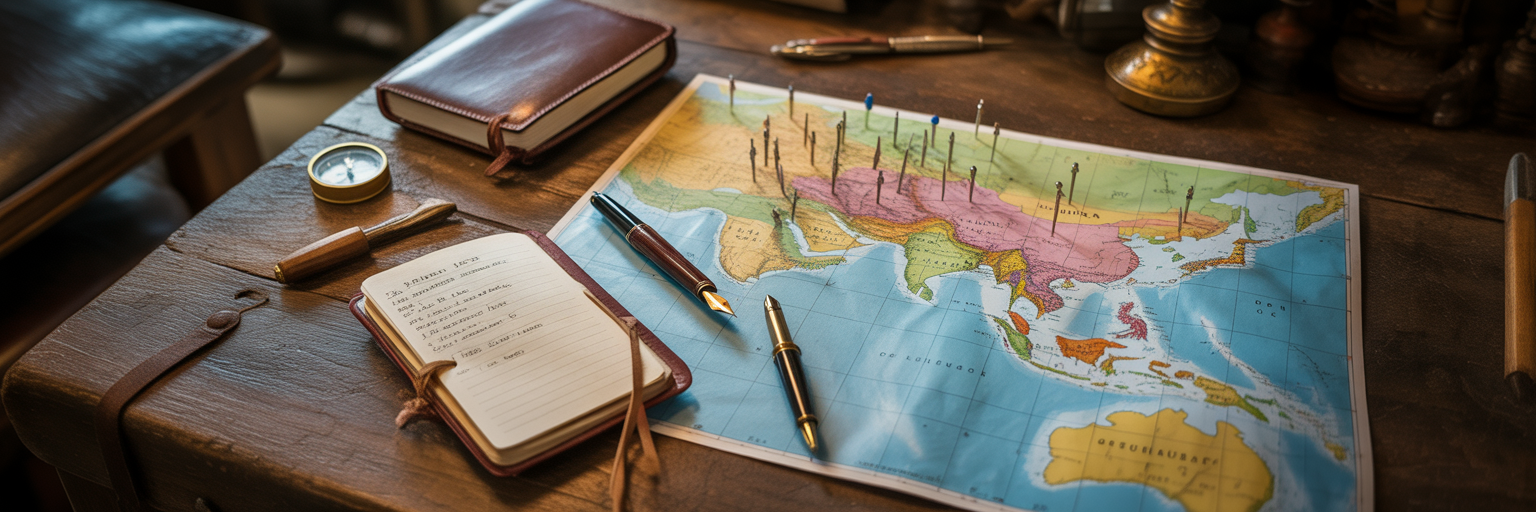
With a collaborative mindset established, it’s time to translate that spirit into a practical framework. A successful group pack doesn’t happen by accident; it’s built on a clear, shared blueprint that everyone contributes to. This process turns abstract needs into a concrete, actionable plan, eliminating guesswork and last-minute panic.
Deconstruct the Itinerary into Packing Needs
Your trip itinerary is more than a schedule; it’s your primary source for packing intelligence. Start by breaking it down, activity by activity. A ‘day exploring the city’ doesn’t just mean casual clothes. It implies comfortable walking shoes, a portable power bank for navigation, and maybe a lightweight rain jacket. A ‘fancy dinner reservation’ clearly signals the need for that one nice outfit. Go through every planned event, from a beach day to a mountain hike, and list the specific items required. This exercise forces the group to think beyond generic clothing and consider the practical gear each part of the journey demands.
Create a Centralized Digital Packing List
This is the cornerstone of your entire strategy. Forget scattered text messages or email chains. You need a single source of truth. A shared digital document is non-negotiable.
- Choose a platform that everyone can easily access, like Google Sheets, Notion, or a dedicated travel app. The tool itself matters less than the group’s commitment to using it.
- Create clear columns. Your list needs structure. At a minimum, include: ‘Item’, ‘Category’ (e.g., Personal, Shared Toiletries, Shared Tech), ‘Quantity Needed’, and ‘Assigned To’.
- Populate the list together. During a quick video call or in a shared chat, start filling out the list based on the itinerary breakdown. This is where you identify that you need one first-aid kit, three tubes of sunscreen, and one universal adapter.
This digital document becomes your shared packing list for groups, a living blueprint that evolves as you refine your plans. It provides total transparency, so everyone knows what is being brought and who is responsible for it.
Conduct Destination-Specific Research
What works for a trip to Lisbon won’t work for a trip to Bali. Before finalising your list, research the destination’s specific practicalities. Are the power outlets Type F or Type G? Are there cultural norms that require more modest clothing for certain sites? Is it cheaper to buy toiletries there, or are they expensive and hard to find? This research directly informs what goes on the shared list. For instance, discovering that your destination requires reef-safe sunscreen means you can assign someone to buy the correct type beforehand. For detailed insights into a city’s culture and practical needs, you can explore comprehensive resources like the city guides we have on our site.
Assign a ‘Packing Captain’ or Roles
While the process is collaborative, assigning a ‘Packing Captain’ can ensure the plan stays on track. This person isn’t a dictator; they are a facilitator. Their role is to make sure the shared list is being updated, to gently nudge people to claim items, and to be the final point of contact for any packing questions. Alternatively, you can assign roles. One person could be in charge of all shared tech, while another handles the first-aid and wellness items. This distributes responsibility and prevents the mental load from falling on one person, making the entire process feel like a true team effort.
Mastering the Shared Gear List
Once your collaborative blueprint is in place, the next step is to focus on the ‘Shared’ category. This is where you achieve maximum efficiency, cutting down on weight, cost, and redundancy. Mastering the shared gear list is about strategically identifying items that serve the group, not just the individual. It’s the practical application of the ‘our resources’ mindset.
The ‘One Per Group’ rule should be your guiding principle. For many items, you simply do not need one for every person. Start by categorising potential shared items to make them easier to delegate:
- Health & Safety: This is the most critical shared category. It includes a well-stocked first-aid kit, high-SPF sunscreen, insect repellent, and any necessary medications for common travel ailments.
- Communal Toiletries: Unless someone has a specific allergy or skin condition, there’s no reason to pack multiple full-size bottles of shampoo, conditioner, body wash, or toothpaste. Consolidating these frees up significant space and liquid allowance.
- Group Tech: Outlet competition in hotel rooms is a real source of tension. A single high-capacity power bank, one multi-port USB charging hub, and a portable speaker are far more efficient than everyone bringing their own.
Using the ‘Assigned To’ column in your digital document, you can delegate these items fairly. The person with the most luggage space might take the bulky beach towel, while someone else grabs the compact power bank. This transparency ensures everyone contributes and no one feels overburdened. The goal is a balanced distribution of responsibility for the group travel packing list.
A key part of this process is deciding whether to pack an item or buy it upon arrival. This decision requires a quick cost-benefit analysis. For some items, packing is a clear winner, while for others, buying locally is far more practical.
| Item Category | Rationale for Packing | Rationale for Buying Locally | Best For |
|---|---|---|---|
| Specialty Toiletries (e.g., specific face wash) | Ensures availability of preferred brand; avoids skin reactions. | Frees up liquid allowance in carry-on; might be cheaper if brand is common. | Packing, unless you are not brand-specific. |
| Sunscreen | Can be much cheaper at home; ensures you have a trusted, high-SPF formula. | Avoids packing bulky bottles; reef-safe options may be required and sold locally. | Packing, unless traveling to a destination with strict environmental rules (e.g., Hawaii, Palau). |
| Beach Towels | You already own them; no extra cost. | Extremely bulky to pack; cheap and easy to purchase or rent at most beach destinations. | Buying locally, almost always. |
| Basic First-Aid Items | Immediate access to plasters, pain relief, and antiseptic wipes. | Most basic items are available in pharmacies worldwide. | Packing a small, curated kit is essential. |
| Snacks | Familiar comfort food for travel days; accommodates dietary restrictions. | Discovering local snacks is part of the travel experience. | Pack a few for the journey; buy the rest there. |
Finally, address the financial aspect from the start. The person who buys the group’s sunscreen or pays for the shared data plan shouldn’t have to awkwardly ask for reimbursement later. Use a cost-splitting app like Splitwise or Tricount. As soon as a shared purchase is made, log it in the app. This simple action maintains fairness and prevents money from becoming a point of friction, keeping the focus on the adventure itself.
The Art of the Personal Pack
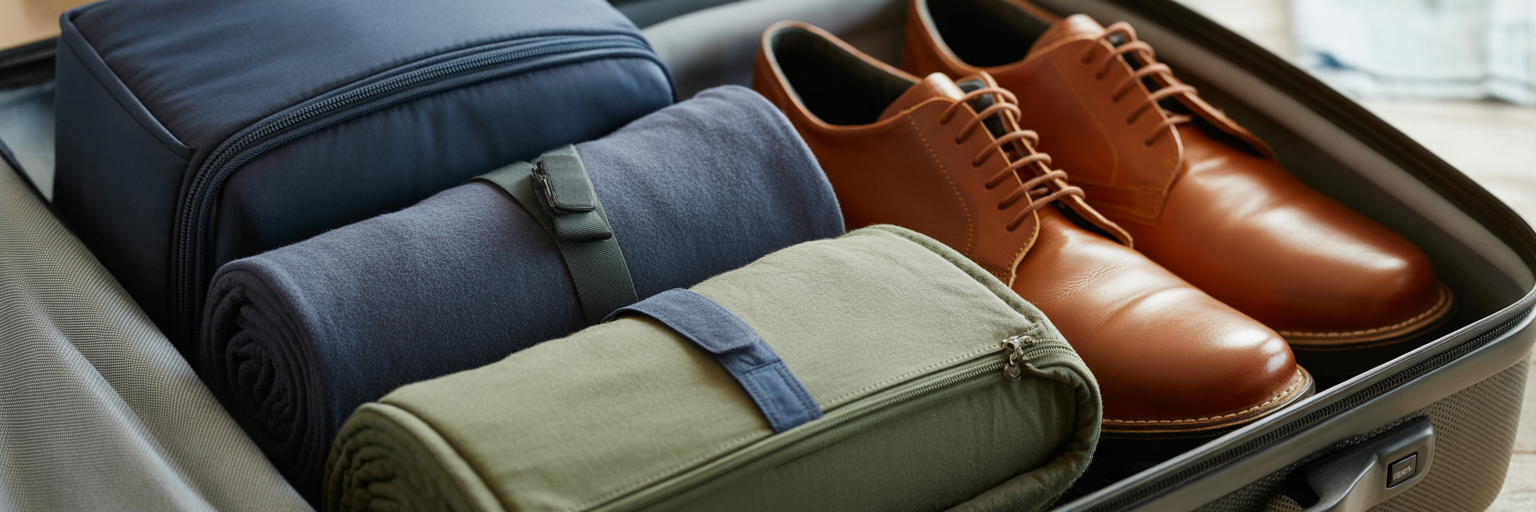
While shared gear is the foundation of group packing efficiency, the art of the personal pack is what ensures individual comfort and harmony within the group. How you organize your own suitcase has a direct impact on the shared space and overall travel experience. It’s about being self-sufficient while remaining a considerate member of the team. This is where you balance personal needs with collective efficiency.
Organize with Packing Cubes
If there is one tool that transforms group travel, it’s packing cubes. We stand firm in our belief that they are non-negotiable for any shared accommodation scenario. When you’re living out of a suitcase, often in a cramped room with others, chaos can take over quickly. Packing cubes act as removable drawers. They keep your belongings contained, making it easy to find your socks without your clothes exploding all over the floor. This simple act of organization is a sign of respect for your travel companions and the shared space you inhabit. It prevents your corner of the room from becoming a ‘laundry-pocalypse’ and makes finding what you need quick and stress-free.
Build a Personal Capsule Wardrobe
The temptation to pack for every possible ‘what if’ scenario is strong, but it’s the enemy of smart travel. Instead, build a personal capsule wardrobe. This isn’t about limiting your style; it’s about maximizing your options. Select a handful of versatile, mix-and-match pieces within a complementary colour palette. A few neutral tops, a pair of dark jeans, a versatile skirt or trousers, and one or two accent pieces can create dozens of outfits. Prioritise layering over bulky, single-purpose garments. A merino wool base layer, a fleece mid-layer, and a waterproof shell will serve you better across multiple climates than one heavy winter coat. This approach ensures you’re prepared for temperature shifts without overpacking.
Identify Your ‘Non-Negotiable’ Items
While collaboration is key, some items are strictly personal and should never be delegated or shared. These are your ‘non-negotiables’, and you are solely responsible for them. Taking ownership of these items is just as important as contributing to the shared list. These typically include:
- Prescription medications and essential personal health items.
- Corrective eyewear, such as glasses and contact lenses with solution.
- Specific skincare or cosmetic products you rely on.
- Personal comfort items, like earplugs, an eye mask, or a specific travel pillow.
- Your passport, wallet, and personal electronic devices.
Clearly defining these items ensures that your most critical needs are met without any chance of miscommunication or oversight. It’s the personal responsibility that makes the shared system work.
The ‘One Nice Outfit’ Rule
Even on the most casual of trips, you should always pack one ‘nice’ outfit. This doesn’t have to be a formal suit or gown. It could be a clean, wrinkle-resistant dress, or a smart shirt and a pair of chinos. This single outfit is your insurance policy for the unexpected: a spontaneous invitation to a nice restaurant, a celebratory dinner, or a cultural event with a dress code. Having it on hand means you can say ‘yes’ to opportunities without feeling underdressed or having to scramble for something appropriate. It takes up minimal space but provides maximum peace of mind.
Navigating Carry-On vs. Checked Luggage as a Team
With your items chosen and organized, the next strategic layer is deciding how to transport everything. The carry-on versus checked luggage debate takes on a new dimension in a group context. This decision shouldn’t be made individually at the check-in counter. It requires a team discussion to find the most cost-effective and logical solution for everyone, preventing last-minute stress and surprise fees.
A group-wide, carry-on-only strategy is tempting. The benefits are clear: no waiting at the baggage carousel, no risk of lost luggage, and no checked bag fees. However, this approach has its limitations. It severely restricts the amount of liquids you can bring and offers very little room for bulky items or souvenirs. For a short city break, it might be perfect. For a longer, multi-destination trip, it can be impractical and lead to overstuffed bags that test airline sizer limits.
This is where ‘baggage pooling’ becomes a powerful alternative. Instead of everyone paying for their own checked bag, the group collectively pays for one or two. These bags become the designated carriers for all the shared gear: the full-sized sunscreen, the group first-aid kit, hiking poles, and any other bulky items. This strategy often proves much cheaper than each person checking a bag and frees up valuable space in everyone’s carry-on for personal items. It’s a simple calculation that can save the group hundreds of dollars.
To add another layer of security, consider the ‘cross-packing’ technique. This is your group’s insurance policy against a lost suitcase. The concept is simple: each person packs one complete change of clothes, including underwear and essential toiletries, in a travel companion’s suitcase. If one person’s checked bag goes missing, they aren’t left stranded with only the clothes on their back. They have an immediate backup outfit, which dramatically reduces the stress and inconvenience of a lost luggage situation. It’s a small, counterintuitive step that provides immense peace of mind.
The most critical part of this entire process is to research and communicate airline baggage policies well before you leave for the airport. As travel experts at Thrillist highlight in their pre-travel checklists, understanding weight limits, carry-on dimensions, and fees is essential to preventing surprise costs and arguments at the check-in desk. This isn’t one person’s job; it’s a collective responsibility. A quick check of the airline’s website can prevent a chaotic start to your trip and ensure the check-in process is as smooth as the rest of your well-planned adventure.
Essential Tech and Document Management for Groups

In an age of digital tickets and online bookings, managing your group’s information is just as important as packing your bags. A well-organized system for documents and technology is the invisible scaffolding that supports a seamless trip. It ensures everyone stays connected, informed, and safe. This is the section of your plan that addresses how to pack for a group trip from a security and connectivity perspective.
Your first priority should be creating a digital safety net. In the event of a lost phone or stolen wallet, having digital backups of critical documents is invaluable. Set up a secure, shared digital folder that everyone in the group can access.
- Choose a secure cloud service like Google Drive, Dropbox, or a similar platform with robust privacy settings.
- Create a dedicated folder for the trip and invite all group members.
- Upload digital copies of everyone’s essential documents: passport photo pages, any necessary visas, flight confirmations, hotel bookings, and travel insurance details.
This simple setup ensures that if one person loses their documents, another member of the group can immediately access a copy, which can be crucial for contacting embassies or verifying identity.
Next, streamline your group’s technology. Instead of a tangled mess of individual chargers and cables, think collectively. The goal is to maximize charging capacity while minimizing clutter. Your shared tech kit should include one high-capacity power bank for on-the-go charging, one multi-port USB charging hub for the hotel room, and at least one universal adapter that works at your destination. This approach prevents the nightly scramble for limited power outlets and ensures everyone’s devices stay powered up.
A clear communication plan is also essential. Before you depart, establish a primary messaging app for group coordination, like WhatsApp or Signal. More importantly, create a backup plan for when someone inevitably loses phone service or their battery dies. This could be a simple rule: ‘If we get separated, meet back at the hotel lobby at 6 PM’ or ‘Our designated meeting spot is the main square’. This low-tech solution prevents panic and ensures you can always regroup. When preparing for a specific destination, local guides can offer insights into connectivity. For example, a trip to a smaller city might require checking local SIM card options, something a detailed guide like the one we wrote for experiencing Temple, Texas, could help clarify.
Finally, don’t forget physical document management. While digital backups are key, you’ll still need to handle physical tickets for trains, museums, or events. Designate one responsible person to carry a single travel wallet or folder containing all group tickets for a particular day. This prevents the ‘who has the tickets?’ scramble at every entrance and keeps your itinerary flowing smoothly.
Adapting Your Pack for Different Adventures
The principles of collaborative packing—shared gear, capsule wardrobes, and a collective mindset—are universal. However, the specific items you pack must be tailored to the nature of your adventure. Applying these core strategies to different environments is what separates a good packing list from a great one. This is particularly true when considering packing tips for multiple destinations that might span different climates or activity levels.
The Urban Exploration Pack
For a trip focused on exploring cities like Paris or Tokyo, comfort and security are paramount. Your footwear will be the most important item in your bag, so choose a pair of stylish but supremely comfortable walking shoes that are already broken in. Your daypack should be secure; an anti-theft backpack or a crossbody bag that stays in your line of sight is a smart choice. Shared gear should focus on convenience, like a multi-port USB hub for the hotel room. Your ‘one nice outfit’ will likely get more use here, perfect for dinners or theatre outings. When planning, city-specific guides are invaluable for tailoring your list; for instance, a guide to a city like Killeen, Texas, can offer tailored advice on local dress codes and must-have items.
The Tropical Getaway Pack
When heading to a beach destination like Thailand or Costa Rica, the focus shifts to heat management and water activities. Lightweight, breathable fabrics like linen and cotton are essential. Your shared gear list will be dominated by a large bottle of high-SPF, reef-safe sunscreen and a communal waterproof bag to protect electronics near the water. Footwear is simpler: sandals and perhaps a pair of water shoes. Your ‘one nice outfit’ should be something breezy, like a linen shirt or a sundress, suitable for a beachfront dinner. Don’t forget a light rain jacket, as tropical showers can be sudden and intense.
The Outdoor Adventure Pack
For hiking in Patagonia or camping in a national park, technical gear takes precedence. The most important concept is the layering system: a moisture-wicking base layer, an insulating mid-layer (like fleece), and a waterproof/windproof outer shell. This allows you to adapt to rapidly changing weather conditions. Your footwear must be broken-in, waterproof hiking boots. Key shared items will be more specialized, such as a group water filter, a portable stove, or a comprehensive wilderness first-aid kit. Your ‘nice outfit’ here is simply a clean, non-hiking set of clothes to wear in the evenings at the lodge or campsite.
| Category | Urban Exploration (e.g., Paris) | Tropical Getaway (e.g., Thailand) | Outdoor Adventure (e.g., Patagonia) |
|---|---|---|---|
| Footwear | Stylish, comfortable walking shoes | Sandals/flip-flops and water shoes | Broken-in waterproof hiking boots |
| Outerwear | Versatile trench coat or light jacket | Light rain jacket or poncho | Technical layering system (base, mid, shell) |
| Daypack | Anti-theft backpack or crossbody bag | Lightweight, packable daypack or beach tote | Technical daypack with hydration compatibility |
| Key Shared Item | Multi-port USB charging hub | Large, high-SPF reef-safe sunscreen | Group water filter or purification tablets |
| ‘Nice’ Outfit | Smart casual dress or shirt/trousers | Linen shirt/trousers or a sundress | Clean, non-hiking clothes for evenings |
The Pre-Departure Check and Return Journey
Your collaborative packing effort doesn’t end when the bags are zipped. The final 48 hours before departure are critical for a smooth start, and a little foresight for the return journey can prevent a chaotic end to your trip. These final steps bookend the entire process, ensuring your group’s teamwork lasts from the initial planning stages to the moment you all get home.
A day or two before you leave, schedule a ‘group weigh-in’. Have everyone weigh their checked and carry-on bags to ensure they are within the airline’s limits. This proactive check is far less stressful than frantically repacking on the cold floor of the airport check-in area. It gives you time to redistribute weight among the group’s bags or make calculated decisions about what to leave behind. It’s a simple, five-minute activity that can save you from hefty overweight baggage fees.
Following the weigh-in, conduct a final checklist review. A quick message in the group chat—’Everyone have their passport, personal meds, and wallet?’—serves as a final safety net. As travel planners at SquadTrip emphasize, a comprehensive packing list is a cornerstone of stress-free travel, and this final huddle ensures nothing absolutely critical is forgotten in the pre-trip excitement.
Then, shift your focus to the return journey. Packing to go home is often an afterthought, resulting in a frantic jumble of dirty laundry and fragile souvenirs. Be strategic. Bring a dedicated, lightweight laundry bag to keep dirty clothes separate. When packing fragile items, wrap them in your softest clothing and place them in the center of your suitcase. Before you leave your accommodation, make a plan to use up any remaining shared toiletries to lighten the load. There’s no sense in flying a nearly empty bottle of shampoo across the globe.
Finally, after you’ve returned and unpacked, encourage a brief post-trip debrief on packing. What worked well? What shared item was a lifesaver? What did someone pack that was completely useless? This conversation is invaluable. It turns the experience of one trip into collective wisdom for the next, refining your group’s packing strategy and making each future adventure even more effortless.