More Than a Postcard: The Soul of Monterey
Most people know Monterey through a postcard image. They see the famous aquarium, the picturesque bay, and maybe a sea otter floating on its back. But to truly understand this place, you have to look past the polished surface and see the grit that built it. John Steinbeck wrote about Cannery Row when it was a loud, smelly, and industrious waterfront, the economic engine of a working town. That history hasn’t vanished. It’s etched into the old cannery buildings and lives on in the independent spirit of the people who call this small coastal city home.
Monterey is a community of about 30,000 residents where the rhythm of life is set by the Pacific Ocean, not the summer tourist schedule. The morning fog rolling in, the cry of the gulls, the distant sound of a foghorn, these are the constants. The city’s identity is a fascinating blend. It’s a place that grew from a blue-collar fishing hub into a community that fiercely protects its natural environment. This isn’t a sleepy beach town. It’s a place with a creative pulse, full of artists, scientists, and families who have been here for generations.
You can feel the difference when you step away from Fisherman’s Wharf or Cannery Row. Wander into the residential neighborhoods of New Monterey or the Peter’s Gate area, and the vibe shifts. The air gets quieter, the streets are lined with a mix of historic adobes and modest homes with lovingly tended gardens. This is where the real experience of living in Monterey California unfolds. It’s where neighbors know each other and the pace of life slows to a stroll.
At the heart of it all is the Monterey Bay National Marine Sanctuary. For locals, this isn’t just a geographical feature. It’s our backyard, our office, and our responsibility. The sanctuary’s health dictates the local economy, influences our recreation, and instills a deep, abiding respect for the ocean. It’s the reason kayaking at dawn feels like a spiritual experience and why beach cleanups are a community affair. Understanding this connection to the sea is the first step to seeing Monterey not as a destination, but as a living, breathing community with a soul as deep and rich as the bay it protects.
Weekend Routines and Local Pastimes

Forget the tourist brochures. A local’s weekend in Monterey is a collection of simple rituals tied to the coast and the community. It’s less about seeing the sights and more about feeling the rhythm of the city. These are the routines that make living here special, and they offer a genuine way to experience the area. Participating in these activities is the best way to find local things to do in Monterey.
Paddling with the Locals: Kayaking the Bay
While tourists flock to the main rental shops by the wharf, locals know the best way to start the day is with a quiet paddle. The secret is to begin at the less-crowded launch point near the Monterey Bay Kayaks shop on Del Monte Beach. In the early morning, the water is often as smooth as glass, and a thick layer of fog muffles the sounds of the city. As you paddle out, you leave the shore behind and enter a different world. It’s a profoundly peaceful experience, gliding silently through the kelp forests. Soon, you’ll find you’re not alone. A curious harbor seal might pop its head up to watch you pass, or you’ll see a raft of sea otters grooming in the kelp, their pups resting on their bellies. This isn’t a guided tour. It’s a quiet communion with the bay’s most famous residents.
The Local’s Route: Biking the Coastline
The 17-Mile Drive is famous, but locals rarely pay the toll to drive it. Instead, we bike it. In the early morning, cyclists can enter the Pebble Beach gates for free and enjoy the stunning scenery without the traffic. For a more casual ride, the Monterey Bay Coastal Recreation Trail is our main artery. This paved path follows the old Southern Pacific Railroad line, connecting Monterey all the way to Pacific Grove. You’ll see everyone here: runners training for a race, families teaching their kids to ride, and couples strolling hand in hand. The trail leads directly to Lover’s Point Park and Beach, a protected cove that’s the preferred spot for a family picnic or a bracing swim. It’s a world away from the more crowded, tourist-focused Monterey State Beach.
Downtown Beyond the Crowds: Alvarado Street and the Farmers Market
To visitors, Alvarado Street might just look like a main drag. To us, it’s the city’s living room. This is where you go to catch up with friends over a craft beer at Alvarado Street Brewery or see a local band play at a small venue. The real heart of the downtown community, however, beats strongest on Tuesday afternoons. The Old Monterey Farmers Market takes over Alvarado Street, and it’s so much more than a place to buy produce. It’s a vibrant social gathering. You’ll hear snippets of conversation in half a dozen languages, smell the aroma of fresh kettle corn, and see neighbors catching up on the week’s news. It’s a weekly ritual that brings the entire community together.
Community Traditions: More Than Just Jazz
Everyone knows about the Monterey Jazz Festival, and it is a huge source of local pride. The whole town buzzes with energy, and the volunteer spirit is incredible. But our community traditions run deeper than one big event. To see the city’s quirky, historic side, you can experience something like the Feast of Lanterns in neighboring Pacific Grove, a charming and slightly eccentric summer festival with a long history. These traditions, big and small, are woven into the fabric of the city. To truly understand local life, you could follow this simple itinerary for a perfect Saturday:
- Start with a foggy morning kayak paddle from Del Monte Beach.
- Grab a breakfast burrito from a local taqueria.
- Bike the coastal trail to Pacific Grove for a walk around Lover’s Point.
- Enjoy a late lunch and a beer on Alvarado Street.
- End the day with a quiet walk along the coast to watch the sunset.
Exploring these kinds of city-specific traditions is the key to authentic travel, whether you’re in Monterey or discovering other communities through our other city guides.
Discovering Monterey’s Quieter Corners
The true magic of Monterey is often found in the places that don’t make it into the travel magazines. These are the quiet corners and overlooked spots where the city’s character shines brightest. Finding these hidden gems in Monterey requires a bit of curiosity and a willingness to wander off the beaten path. Here are a few places locals cherish:
- The Victorian Charm of Pacific Grove: Just next door to Monterey is the city of Pacific Grove, and its residential streets feel like a step back in time. Take a walk away from the main streets and you’ll find yourself surrounded by meticulously maintained Victorian homes, each with its own unique personality and a tiny, jewel-box garden. The atmosphere is peaceful, almost reverential. It’s a testament to a community that values its architectural heritage. The thoughtful design and harmony with the coastal environment are palpable. For those inspired by such bespoke craftsmanship, exploring how spaces can be created to complement their natural surroundings is a fascinating journey. For instance, firms like Modal Architecture specialize in this principle, a value clearly shared by this community. You can learn more by visiting their contact page.
- A Scenic Drive Without the Toll: Instead of paying for the 17-Mile Drive, follow the local’s route. Start on Ocean View Boulevard in Pacific Grove and follow it as it winds along the coastline. The views of the rocky shore and crashing waves are just as spectacular, and it’s completely free. The road eventually becomes Sunset Drive and leads you directly to the Point Pinos Lighthouse, the oldest continuously operating lighthouse on the West Coast. It’s a beautiful and historic drive that locals take for a moment of peace.
- The Working Art Scene: Monterey has a thriving arts community, but its heart isn’t in the polished downtown galleries. It’s in the repurposed fish processing buildings near the wharf. Here, in what’s sometimes called “Cannery Row’s other side,” you’ll find working art studios. During open studio events, you can step inside these creative spaces. You can smell the turpentine and sawdust, see works in progress, and talk to the artists themselves. It’s a raw, uncurated look at the creativity that pulses through the city.
- A Wilder Coastal Escape: When locals need a dose of true wilderness, they head just south of the city to Garrapata State Park. This isn’t a manicured park with picnic tables and playgrounds. It’s a rugged, wild stretch of the Big Sur coastline. The trails are less defined, leading you down steep bluffs to dramatic, secluded beaches. It’s a place for solitude, where you can feel the immense power of the ocean and the raw beauty of the coast.
- A Historic Oasis: Steps away from the tourist crowds of Fisherman’s Wharf lies the Custom House Plaza and the adjacent Memory Garden. This tranquil, walled garden is part of the historic heart of Old Monterey. On any given day, you’ll find locals sitting on a bench reading a book or enjoying a quiet coffee. It’s a peaceful oasis, a small pocket of history and calm right in the middle of the city’s busiest area.
Where to Eat When You’re Not a Tourist
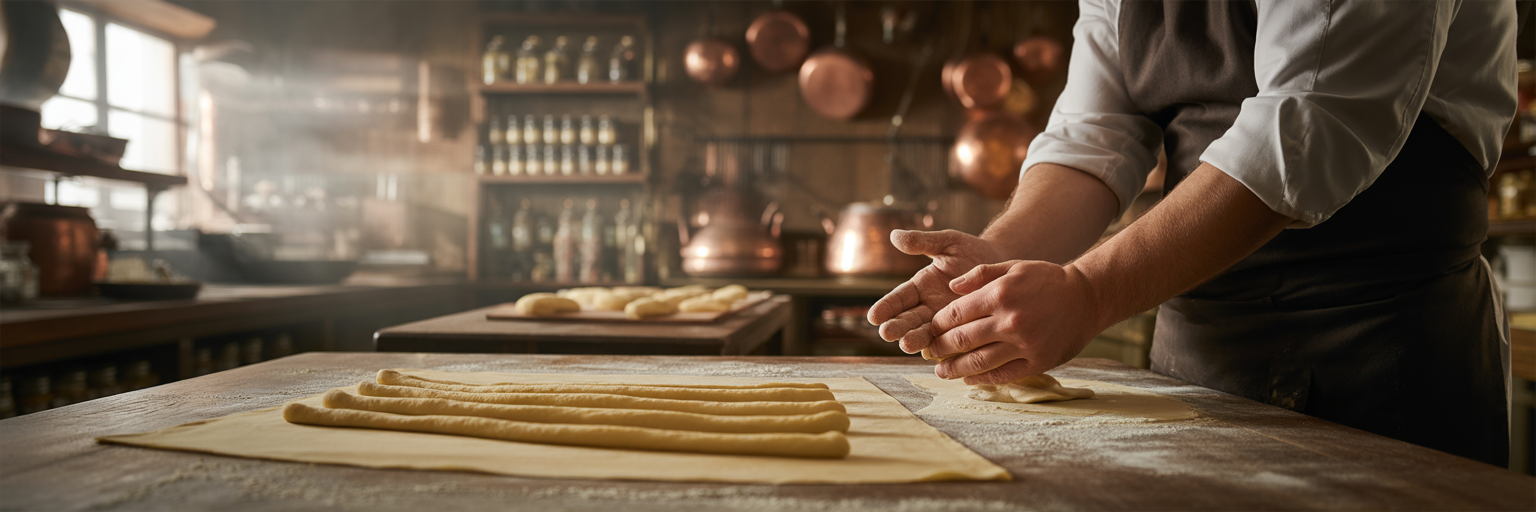
To truly eat like a local in Monterey, you have to follow one simple rule: avoid the chains and the tourist traps on the wharf. The best local restaurants Monterey CA are the independent, family-owned establishments that have been serving the community for years. These are the places with history, character, and food that tells a story. This is the ultimate non touristy Monterey guide to dining, focusing on places that are the heart and soul of our local food scene. As a recent guide from Locale Magazine on spending a weekend in Monterey also confirms, these community-focused establishments are the true mainstays of our city’s culinary identity.
The Sardine Factory: A Nostalgic Institution
Yes, The Sardine Factory is famous, but don’t dismiss it as a tourist trap. For locals, this place is a time capsule. Opened in 1968, it’s where we go for milestone anniversaries, graduations, and special family celebrations. The atmosphere is theatrical and wonderfully nostalgic, with different dining rooms that feel like stepping into another era. You don’t go here for trendy cuisine. You go for the classics, executed perfectly. The abalone bisque is legendary, and they serve a steak that will make you forget you’re in a seafood town. It’s a taste of old Monterey, preserved in time.
Fandango Restaurant: A Family Tradition
Located in Pacific Grove, Fandango has been a beloved family-run institution since 1982. Walking in feels like being welcomed into a cozy European country home, with multiple dining rooms each offering a warm, inviting ambiance. This is the go-to spot for multi-generational family dinners. The menu is a mix of Mediterranean flavors, and the quality is incredibly consistent. Locals swear by the wood-grilled meats and the generous seafood paella. The reason we love Fandango is the feeling of being cared for. It’s reliable, welcoming, and feels like coming home.
La Balena: An Intimate Italian Secret
Tucked away in a small space in Carmel-by-the-Sea, just a short drive from Monterey, La Balena is the neighborhood secret for truly authentic, rustic Tuscan food. The dining room is tiny and intimate, and the menu is written on a chalkboard because it changes daily based on what’s fresh from local farms and fishermen. The focus here is on simple, high-quality ingredients and handmade pasta that is absolutely sublime. This isn’t a place for a large, boisterous group. It’s for a romantic dinner or a quiet meal with a friend who appreciates the passion and artistry that goes into every dish.
The Everyday Local Favorite
Every town has that one casual spot that is an essential part of daily life, and for many in Monterey, that place is Papa Chano’s Taqueria. This is a no-frills, counter-service joint that serves some of the most authentic and delicious Mexican food in the area. There’s no pretense here, just a bustling line of construction workers, students, and families all waiting for their order. The carne asada tacos are a local obsession, and the burritos are hefty and satisfying. It’s the kind of place that represents the diverse, working-class soul of the city, a delicious and affordable taste of everyday Monterey.
The common thread among these places is community. They are hubs where owners know their regulars by name and the food is made with pride. This principle of seeking out authentic, locally-owned eateries is universal, whether you’re here or exploring the food scene in a place like Longview, Texas.
| Restaurant | Vibe | Must-Try Dish | Why Locals Go |
|---|---|---|---|
| The Sardine Factory | Historic, formal, theatrical | Abalone Bisque | For milestone anniversaries and nostalgic fine dining. |
| Fandango Restaurant | Cozy, European, family-run | Seafood Paella | For reliable, multi-generational family dinners. |
| La Balena | Intimate, rustic, seasonal | Handmade Pasta (changes daily) | For an authentic taste of Tuscany and a romantic night out. |
| Papa Chano’s Taqueria | Casual, no-frills, bustling | Carne Asada Tacos | For a quick, delicious, and authentic everyday meal. |
The Rhythm of Daily Life on the Central Coast
So what is living in Monterey California actually like? It’s about embracing a slower, more intentional pace of life. The day is often governed by the marine layer, the famous “June Gloom” fog that can linger well into the morning. Locals don’t fight it. We plan around it. The foggy mornings are for a quiet cup of coffee or a brisk walk along the coastal trail before the sun burns through and reveals a brilliant blue sky in the afternoon. This natural rhythm creates a structure for the day that feels deeply connected to the environment.
The community culture is surprisingly warm and engaged for a place that sees so many visitors. People make eye contact on the street. They hold doors open. There’s a strong sense of civic pride, and the community rallies around its schools, local businesses, and, above all, the conservation of the bay. It’s a place where you feel connected to your neighbors and the town you live in.
Of course, there are practical realities. Daily traffic is light compared to a major metropolis, but it can get frustratingly congested on Highway 1 during peak tourist season or a major event. And there’s no sugarcoating it, the cost of living is high, particularly when it comes to housing. But for those who choose to make their life here, it’s a conscious trade-off. We exchange affordability for an unparalleled quality of life, a feeling of safety, and daily access to breathtaking natural beauty.
Everyday life is filled with small, sensory pleasures. It’s the constant, faint smell of salt and cypress in the air. It’s hearing the distant barking of sea lions from the wharf or the mournful sound of a foghorn on a thick, misty night. It’s the simple joy of being able to hop on your bike and ride the coastal trail to run an errand, feeling the cool ocean breeze on your face. Choosing to live in Monterey is an active decision to prioritize community, nature, and a deep connection to place over the anonymity and frantic pace of a big city. It’s a choice to live a life dictated by the tides, not the clock.
If this perspective on discovering the true character of a city resonates with you, we invite you to explore more authentic guides on When In Your City.