The New Wave of Group Exploration
In the years following 2020, a noticeable shift occurred in how young adults approach travel. The passive beach holiday has given way to a search for something more substantial. There is a growing appetite for shared, meaningful experiences that build genuine connections, a direct response to lives increasingly lived through screens. This is not a passing trend but a fundamental change in what makes a trip valuable. The focus has moved from collecting destinations to creating stories together, making social adventure travel a priority.
This new perspective also broadens the definition of adventure. It is no longer confined to adrenaline-fueled sports on a remote mountain. Adventure is now any activity that nudges a group out of its comfort zone, demands teamwork, and leaves everyone with a memory they could not have made alone. It could be a tough physical challenge, a deep dive into a new culture, or a collaborative project that requires everyone to contribute. The shared effort is what matters.
Think of it this way. Navigating a river’s rapids requires the same synchronized effort and clear communication as navigating a chaotic foreign market to find ingredients for a meal. In both scenarios, the group must work together to overcome small obstacles. It is this shared problem-solving that transforms a simple trip into a formative experience. The feeling of succeeding together is what forges strong bonds that last long after everyone has returned home.
This guide is designed to help you find and plan those very experiences. We will cover the essential pre-trip planning needed to align your group’s interests and budget. Then, we will explore specific activity ideas on water and land, as well as hands-on cultural immersions. Finally, we will walk through the safety protocols that ensure everyone can focus on the adventure with peace of mind. It is a practical roadmap to an unforgettable journey.
Aligning Your Crew for the Perfect Trip
The success of a group trip is often decided long before anyone packs a bag. We have all heard stories of holidays derailed by mismatched expectations or arguments over money. Thoughtful preparation is the key to avoiding these common pitfalls. Approaching the planning a group adventure trip phase as your first collaborative challenge sets a positive tone for the entire journey. It is about creating a framework where everyone feels heard and respected from the very beginning.
The ‘Adventure Spectrum’ Survey
Before you even look at destinations, you need to understand what “adventure” means to each person. One friend’s idea of a thrill might be another’s worst nightmare. Create a simple poll or a shared document with an ‘Adventure Spectrum’. Ask everyone to rank their interest in different activity types on a scale of one to five, from ‘Relaxing’ (beach days, museum visits) to ‘Mildly Active’ (city walking tours, light hikes) and ‘High-Adrenaline’ (rafting, bungee jumping). This simple exercise reveals the group’s collective comfort zone and helps you find a balance that includes something for everyone.
Budget Transparency from Day One
Money conversations can be awkward, but avoiding them is a recipe for disaster. The best approach is total transparency from the start. Sit down together and break down the estimated costs: flights, accommodation, key activities, and a daily food allowance. Agree on a comfortable spending range for the entire trip. This is not about restricting fun. It is about ensuring no one feels pressured or financially strained, which allows everyone to relax and enjoy the experience without worrying about the bill.
Accommodating Different Fitness and Skill Levels
A group of friends will naturally have varying levels of fitness and experience. Inclusive planning means choosing destinations and activities with built-in flexibility. For example, pick a national park that offers both a challenging summit hike for the avid trekkers and a gentle valley walk for those who prefer a slower pace. Many activities, from surfing to rock climbing, offer beginner-friendly introductions. Ensuring there are options for all skill levels means no one feels left behind or pushed too far out of their comfort zone.
Assigning Roles for Smoother Planning
Distributing the planning workload prevents one person from getting overwhelmed and makes everyone feel invested in the trip’s success. Assigning roles based on individual strengths turns a chore into a team effort. The hyper-organized friend can take on logistics, while the foodie can research the best local eats. This builds teamwork before the adventure even begins.
| Role | Key Responsibilities | Ideal for Someone Who Is… |
|---|---|---|
| Logistics Lead | Manages bookings for flights, accommodation, and transport. Creates the master itinerary. | Organized, detail-oriented, and enjoys puzzles. |
| Activity Researcher | Researches and vets tours, experiences, and restaurants based on the group’s ‘Adventure Spectrum’. | Creative, curious, and enjoys reading reviews. |
| Finance Tracker | Sets up a group payment app (e.g., Splitwise), tracks shared expenses, and manages the budget. | Trustworthy, good with numbers, and fair-minded. |
| Vibe Manager | Plans playlists, suggests icebreaker games, and ensures group morale stays high. | Empathetic, sociable, and a natural motivator. |
Forging Bonds on Water
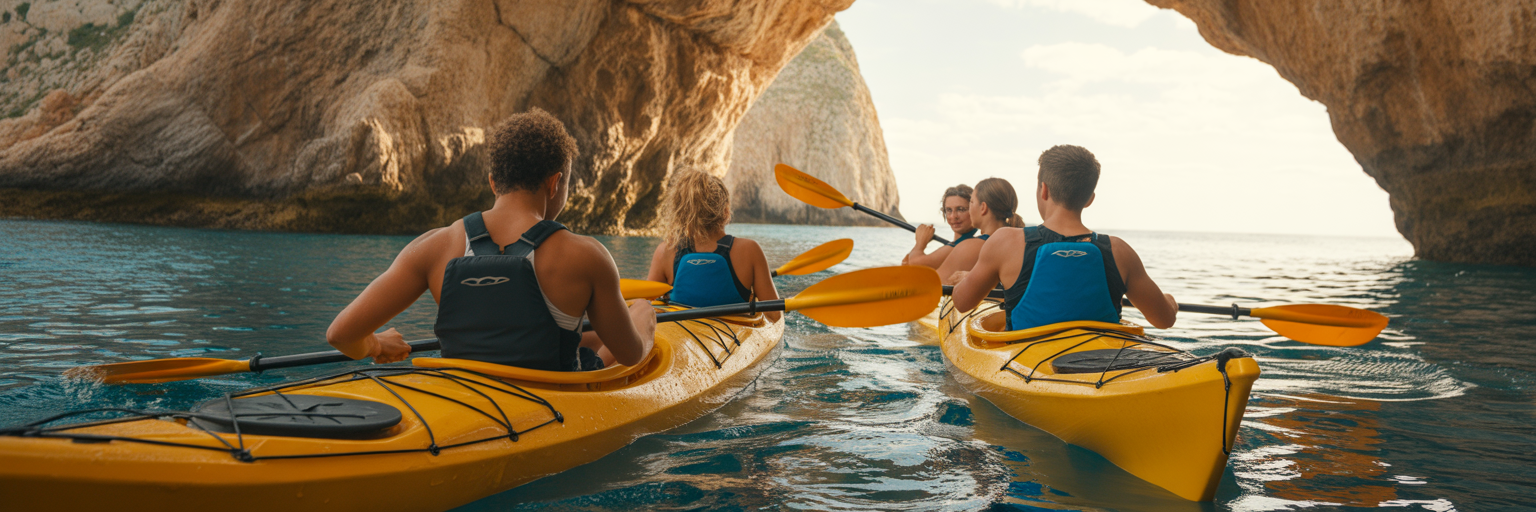
There is something about water that changes group dynamics. It demands respect, synchronization, and a level of trust that land-based activities do not always require. Whether you are navigating a river or catching a wave, water-based adventures create an environment where teamwork is not just helpful, it is essential. The shared vulnerability and the need to move as one unit can create powerful connections in a very short amount of time.
Whitewater Rafting: The Ultimate Team-Building Exercise
Whitewater rafting is perhaps the purest form of group collaboration. You are all in one boat, and success depends entirely on your ability to paddle in unison and respond instantly to your guide’s commands. There is an immediate feedback loop. If one person is out of sync, the boat veers off course. This intense, real-time cooperation needed to navigate rapids in regions like Central America or Southeast Asia is an incredibly effective bonding tool. The shared exhilaration after successfully conquering a challenging section of the river is a feeling your group will not soon forget.
Group Surfing Lessons: Riding the Same Wave
Learning to surf is a humbling experience, which is precisely why it is so great for groups. Everyone starts at the same level: awkward, unbalanced, and likely to fall. This shared struggle removes any pretense and opens the door for genuine camaraderie. The moments of laughter as you all wipe out, followed by the collective cheers when someone finally catches a wave, create a supportive and lighthearted atmosphere. As highlighted by TourRadar, surfing in destinations like Bali is a top choice for young adult travelers, offering the perfect mix of challenge and fun.
Sea Kayaking and Island Hopping Expeditions
For groups seeking a sense of exploration and self-sufficiency, a multi-day sea kayaking trip is an excellent choice. Paddling along the stunning coastlines of places like Thailand or Croatia, your group becomes a self-contained unit. You must navigate together, manage supplies, and set up camp each night. This shared responsibility for the journey’s success builds a deep sense of competence and mutual reliance. It is an adventure that is less about adrenaline and more about the quiet satisfaction of exploring a beautiful corner of the world under your own power.
Coasteering: A Multi-Discipline Coastal Challenge
Coasteering is a unique adventure that combines climbing, swimming, and cliff-jumping along a rocky coastline. Led by expert guides, it is a thrilling way to experience the boundary between land and sea. The activity requires a high degree of trust, as group members spot each other during climbs and offer encouragement before a jump. Each person faces their own personal challenges, but they do so with the full support of the group. This process of turning individual fears into a collective victory is what makes coasteering such a memorable bonding experience.
Conquering Terrains Together
While water demands synchronization, land-based adventures often test a group’s endurance and resilience. These journeys are about putting one foot in front of the other, together. The shared physical effort and the sense of accomplishment that comes from reaching a summit or completing a long trail create a different kind of bond. It is a connection forged through mutual support and a shared appreciation for the landscapes you travel through. These are some of the best group adventure travel ideas for active friends looking to push their limits.
Multi-Day Treks: The Journey as the Destination
On a multi-day trek, the destination is almost secondary. The real experience is the journey itself. The daily routine of walking, setting up camp, and sharing meals creates a simple, focused existence. Stripped of daily distractions, deep conversations emerge naturally on the trail. Supporting each other during a tough ascent or sharing the silence while watching a sunset builds a profound sense of connection. The shared accomplishment of completing a challenging trek is a powerful memory that solidifies friendships.
Mountain Biking on Shared Trails
Mountain biking offers a fantastic balance of individual focus and group fun. Each person can ride at their own pace, enjoying the flow of the trail, but the experience remains a shared one. Groups tackle challenging sections together, regroup at scenic viewpoints to catch their breath, and help each other with minor mechanical issues like a slipped chain. This blend of personal challenge and shared problem-solving fosters a sense of camaraderie without forcing everyone to move at the exact same speed.
Ziplining and Canopy Tours: A Shared Rush of Adrenaline
While the act of ziplining is an individual ride, the experience is deeply communal. The real bonding happens on the platforms between lines. There is the shared anticipation as you wait for your turn, the collective cheers as each person launches into the air, and the buzzing energy when you all regroup at the end. It is a quick, accessible adventure that delivers a powerful hit of shared excitement, making it a perfect addition to any group trip.
Canyoning: Navigating Nature’s Obstacle Course
Canyoning is a high-trust activity that takes a group through a natural obstacle course of waterfalls, rock slides, and pools. Under the supervision of a guide, you will rappel down cliffs, jump into clear water, and slide down natural rock chutes. Success and safety depend on everyone working together, checking each other’s gear, and offering encouragement. It turns a series of personal challenges into a collective triumph, leaving the group with an incredible sense of empowerment and unity.
Active Cultural Immersion
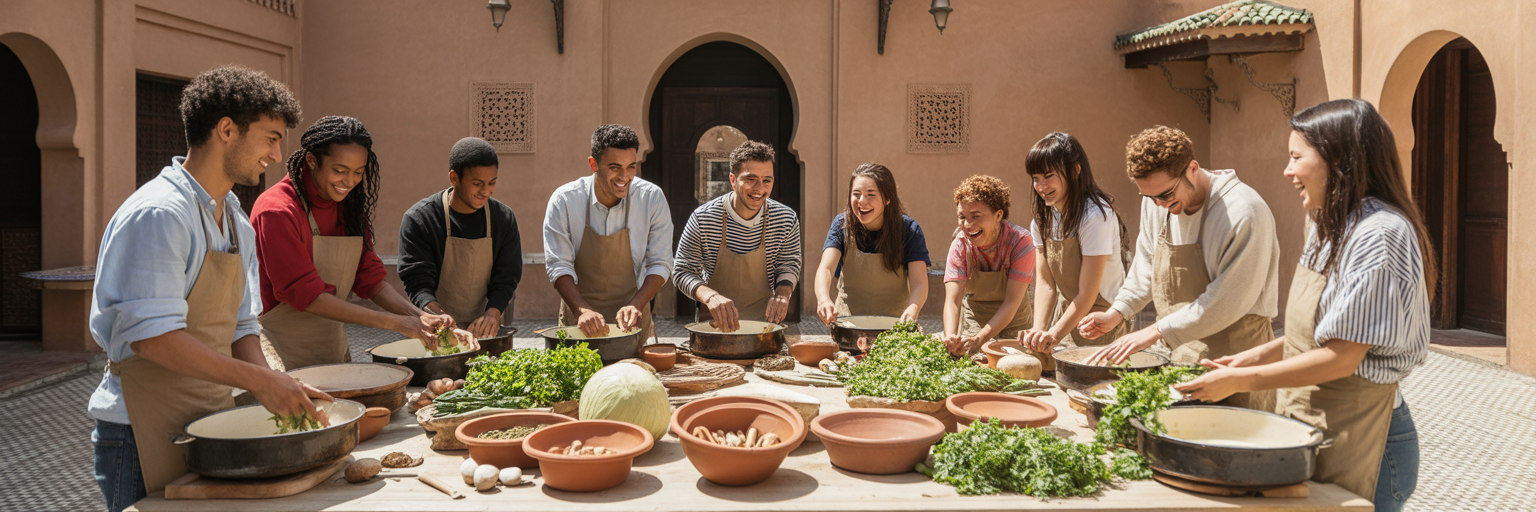
The most memorable travel moments often come from doing, not just seeing. Passive tourism, where you simply observe a culture from a distance, is being replaced by a desire for active participation. Hands-on, collaborative experiences create a much deeper connection to a place and to the people you are traveling with. These activities turn your group into a team of creators and explorers, not just spectators. It is about engaging your senses and learning a new skill together.
Market-to-Table Cooking Classes
A cooking class, especially one that starts in a local market, is a multi-sensory adventure. Imagine your group navigating a vibrant market in Vietnam or Mexico, learning to identify unfamiliar herbs and vegetables together. The first part of the challenge is the hunt for ingredients. The second is working as a team in the kitchen to chop, stir, and season your way to a delicious meal. It is a journey with a shared, tangible reward that you all get to enjoy at the end.
Engaging in a Community-Led Project
Dedicating a day of your trip to a local initiative can offer a more authentic perspective on the culture and its challenges. This is not about superficial ‘voluntourism’. It is about engaging with a project led by the community itself, such as a reforestation effort or a beach cleanup. The goal is to contribute in a small but meaningful way and to learn from the people you are working alongside. The shared purpose and physical work create a strong sense of connection to both the place and your fellow travelers.
Learning a Traditional Craft as a Group
Participating in a workshop to learn a traditional skill provides a unique and lasting connection to the local culture. Whether it is a pottery class in Japan or a weaving lesson in Peru, the experience of creating something with your hands is deeply satisfying. It is a quiet, focused activity that allows for casual conversation and shared creativity. Plus, everyone leaves with a unique souvenir that represents not just the place they visited, but the time they spent creating something together.
Urban Exploration Challenges
Turn sightseeing into an interactive game by creating an urban scavenger hunt. This approach transforms a potentially boring walk into an engaging challenge that forces your group to interact with the city in a new way. This freedom to explore is valuable anywhere, even if you are applying these principles to create a unique tour after reading something like our guide to the real Conroe, Texas, to uncover its local secrets. The shared mission encourages teamwork, problem-solving, and plenty of laughs.
- Sample Urban Scavenger Hunt Clues:
- Find the oldest coffee shop in the city and take a group photo with your drinks.
- Collect three different public transport tickets.
- Ask a local to teach you how to say ‘Good morning, how are you?’ and record it.
- Find a piece of street art depicting a local legend and learn its story.
- Taste the most popular street food snack and get the vendor’s name.
Ethical Wildlife and Marine Adventures
For many young travelers, encounters with wildlife are a highlight of any trip. However, there is a growing awareness of the ethical responsibilities that come with these experiences. The focus has shifted from getting the perfect photo to ensuring that our presence does not harm the animals or their habitat. Choosing responsible operators is a critical part of planning modern adventure trips for young adults. It is about making informed choices that support conservation and animal welfare, turning your adventure into a positive force.
Choosing a Responsible Wildlife Safari
When planning a safari in a place like Kenya or Botswana, it is crucial to select an ethical operator. Look for companies that use small group sizes to minimize their impact, employ knowledgeable local guides, and contribute directly to community and conservation projects. This sustainable model is a cornerstone for many reputable travel companies. For instance, operators like G Adventures build their 18-to-Thirtysomethings tours around principles of sustainability and community benefit, ensuring your tourism dollars have a positive impact.
Marine Conservation Dives or Snorkel Trips
Take your underwater adventure a step further by participating in a marine conservation project. Many organizations offer opportunities for divers and snorkelers to engage in citizen science. This could involve monitoring coral reef health in the Philippines or helping to identify whale sharks. These activities add a layer of purpose to your trip, allowing your group to contribute directly to the preservation of the ecosystems you are there to admire.
Distinguishing Sanctuaries from Tourist Traps
The line between a legitimate rescue center and an exploitative tourist trap can be blurry. It is essential to know the red flags. True sanctuaries prioritize animal welfare over visitor entertainment and focus on rehabilitation and conservation. They will never allow activities that are unnatural for the animals. Being able to spot the difference is a key skill for any responsible traveler.
| Factor | Ethical Sanctuary | Unethical Tourist Trap |
|---|---|---|
| Animal Interaction | Observation from a respectful distance. No direct contact or handling. | Encourages riding, holding, or taking selfies with wild animals. |
| Conservation Message | Focuses on rehabilitation, conservation, and threats in the wild. | Vague or non-existent conservation message; focus is on entertainment. |
| Enclosures | Spacious, naturalistic habitats designed for animal welfare. | Small, barren cages or enclosures designed for visitor viewing. |
| Breeding | Does not breed animals, unless for a legitimate reintroduction program. | Actively breeds animals, including cross-breeding, to ensure a supply of babies. |
Unique Nocturnal and Bioluminescence Tours
Some of the most magical wildlife encounters happen after the sun goes down. Consider a guided night walk in a rainforest to spot nocturnal animals or a kayaking trip in a bioluminescent bay. These quiet, low-impact tours create a shared sense of wonder and awe. They offer a unique perspective on the natural world and provide a peaceful, reflective experience for the group to share.
The Art of Unstructured Adventure

In our rush to create the perfect itinerary, it is easy to forget one of the most important ingredients of a great group trip: downtime. Over-scheduling can lead to exhaustion and friction. The most memorable moments often happen in the spaces between planned activities. Embracing spontaneity and allowing for unstructured time is not lazy planning. It is a deliberate strategy to let the adventure unfold organically and to strengthen friendships through simple, shared moments.
Why ‘Do Nothing’ Days Are Essential
A packed schedule can be thrilling, but it leaves no room for processing experiences or for the casual conversations that build deep connections. A ‘do nothing’ day is not a wasted day. It is a chance to recharge, reflect, and simply enjoy each other’s company without an agenda. It is often during a lazy afternoon at a café or a spontaneous walk through a neighborhood that the best inside jokes are born and the most meaningful conversations happen.
The ‘Rule of One’: One Planned Activity Per Day
A simple but effective framework for balancing structure and spontaneity is the ‘Rule of One’. Plan one major activity per day and leave the rest of the day open. This ensures you hit the must-see sights or do the key activities you traveled for, but it also leaves ample room for serendipity. You might stumble upon a local festival, get a recommendation from a shopkeeper, or simply decide to spend the afternoon relaxing. This flexible approach prevents travel fatigue and keeps the sense of discovery alive.
Empowering Sub-Groups for Exploration
It is unrealistic to expect everyone in a group to want to do the same thing all the time. Forcing it only leads to resentment. Acknowledge different interests by encouraging people to break into smaller groups for an afternoon. The art lovers can visit a gallery while the foodies hunt for the best street food. Then, everyone can reconvene for dinner to share their different stories and experiences. This freedom is valuable whether you are in a foreign country or discovering Mansfield, Texas, on your own terms.
Building a ‘Spontaneity Fund’
Here is a practical tip to encourage unplanned adventures. At the beginning of the trip, have everyone contribute a small, agreed-upon amount of money to a ‘Spontaneity Fund’. This pool of cash is reserved for last-minute opportunities that the group collectively decides to pursue. It could be for tickets to a concert you just heard about or for renting scooters to explore the coastline. It empowers the group to say “yes” to unexpected fun without anyone having to worry about the cost.
Smart Safety for Shared Peace of Mind
Thinking about safety should not be a source of anxiety. Instead, it should be seen as an empowering and collaborative effort that gives everyone the confidence to fully enjoy the adventure. When safety is a shared responsibility, it strengthens the group’s trust and ensures that everyone is looking out for one another. Proactive planning is the foundation of all safe group travel adventures, allowing you to focus on making memories instead of worrying about what could go wrong.
The first step is to thoroughly vet your guides and operators. A legitimate operator’s website will be professional and clear. It will not be a confusing page that signals a lack of attention to detail. Your research is your first line of defense.
- Operator Vetting Checklist:
- Check for official certifications relevant to the activity (e.g., PADI for diving).
- Read recent reviews on multiple platforms, looking for comments on safety.
- Confirm they provide a thorough safety briefing before the activity begins.
- Ask about their guide-to-guest ratio; smaller groups are often safer.
- Inquire about their emergency procedures and equipment maintenance schedule.
Next, establish a clear communication and emergency plan. Before you even leave, designate a meeting point in each new location in case you get separated. Ensure everyone has a local SIM or eSIM to stay connected. Share a digital document with emergency contacts, addresses of your accommodations, and copies of passports. This simple step can save a lot of stress in an unexpected situation.
Building a group first-aid kit can also be a collaborative pre-trip activity. Have each person bring a few items, from plasters and antiseptic wipes to pain relievers and any personal medications. This not only ensures you are prepared for minor scrapes and ailments but also reinforces the idea that you are all responsible for each other’s well-being.
Finally, remember that safety includes cultural awareness. Take the time to understand and respect local norms regarding dress, social interactions, and etiquette. This not only prevents misunderstandings but also shows respect for the culture you are visiting, leading to more positive and meaningful interactions. Proper planning, from safety checks to finding the right destinations, is the foundation of any great trip, and resources from When In Your City can be a starting point for inspiration.