Understanding the LA Sprawl
The first thing to understand about Los Angeles is that it isn’t one city. It’s a sprawling patchwork quilt of 88 incorporated cities and countless neighborhoods, each with its own history and texture. Trying to “see LA” in a weekend is like trying to see all of Europe in a day. The key to enjoying it is to accept its vastness, pick a patch of that quilt, and explore it deeply.
To do that, you have to understand the freeways. The 405, the 101, and the 10 are not just roads. They are cultural and geographical dividers that set the rhythm of daily life. Locals don’t just complain about traffic. We accept it as a part of the day, a built in time for podcasts, new albums, or catching up on phone calls. The real local strategy is to plan your day around a single area. A morning in Santa Monica should not be followed by an afternoon in Silver Lake unless you enjoy staring at brake lights.
Forget the postcard images of Hollywood and Beverly Hills for a moment. The city’s true cultural heart beats in places visitors rarely see. There’s a world of difference between the polished, coastal vibe of the Westside and the raw, creative energy of the Arts District downtown. You can feel the laid back surf culture in the South Bay towns of Manhattan and Hermosa Beach, explore the deep rooted history of East LA, or get lost in the trendy, bohemian pockets of Silver Lake and Echo Park. These are the LA neighborhoods to explore to find the city’s soul.
This brings us to the most fundamental local concept: the Eastside versus Westside divide. It’s more than geography. It’s a shorthand for lifestyle, atmosphere, and even your weekend plans. The Westside is beaches, industry influence, and a certain kind of polished living. The Eastside is hills, historic architecture, and a grittier, trend setting culture. To experience Los Angeles like a local, you need to understand this distinction. It’s the first question you’ll be asked, and your answer says everything.
| Factor | The Westside (e.g., Santa Monica, Venice, Culver City) | The Eastside (e.g., Silver Lake, Echo Park, Highland Park, Los Feliz) |
|---|---|---|
| The Vibe | Polished, coastal, health-conscious, industry-focused. | Creative, bohemian, historic, trend-driven, community-oriented. |
| The Landscape | Ocean breezes, palm tree-lined streets, wider boulevards. | Hills, eclectic architecture, hidden staircases, downtown views. |
| Weekend Activity | Beach day followed by brunch on Montana Ave or Abbot Kinney. | Hiking in Griffith Park followed by coffee at a neighborhood spot. |
| Cost of Living | Generally higher, especially for housing near the coast. | Historically more affordable, though rapidly gentrifying. |
| Traffic Pattern | Dominated by the 405 and the 10; heavy coastal access traffic. | Reliant on the 101, 5, and surface streets; dense neighborhood traffic. |
Weekend Rhythms and Weekday Escapes
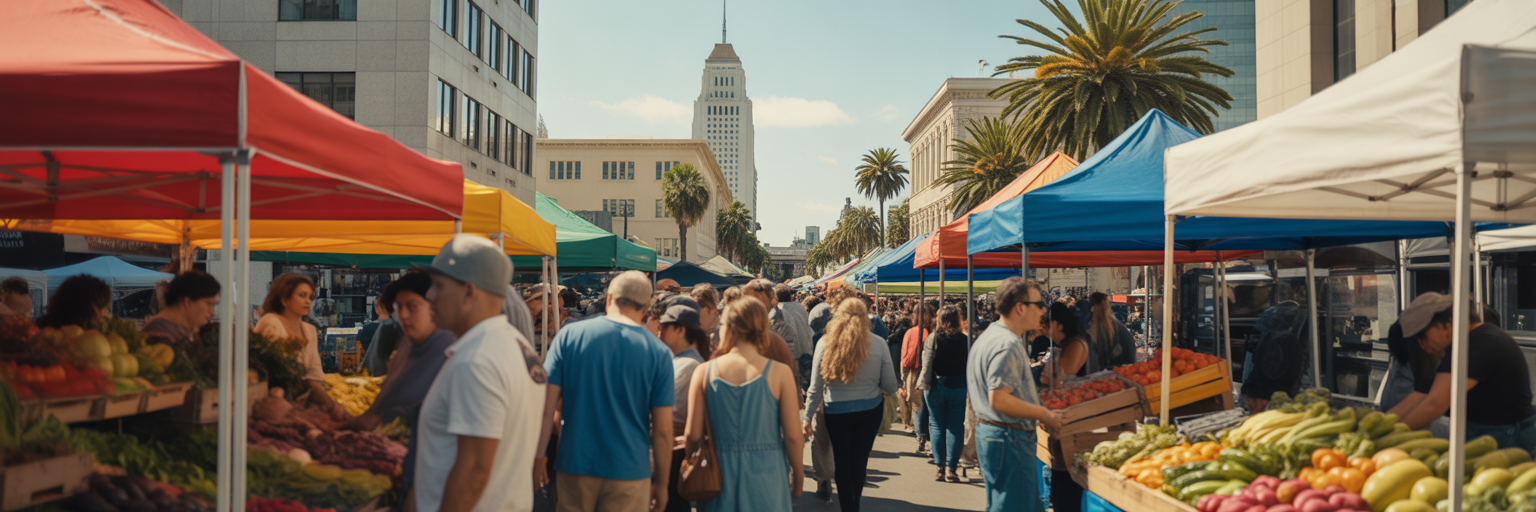
Once you’ve picked a side of town, it’s time to tap into the activities that define the Angeleno lifestyle. These are the non touristy things to do in LA that provide a necessary balance to the city’s constant motion. It starts with getting outside. While tourists flock to Runyon Canyon for a selfie, locals seek out trails that offer more than just a scene.
For a surprisingly peaceful hike right next to downtown, head to Elysian Park. Its trails offer incredible views of the city skyline and Dodger Stadium without the crowds. If you’re on the Westside and craving a more challenging trek with a bigger payoff, the Mishe Mokwa Trail to Sandstone Peak in the Santa Monica Mountains is essential. The climb is strenuous, but the panoramic ocean vistas at the top make you forget all about the city below.
Another cultural pillar is the farmers’ market. This isn’t just about buying produce. It’s a weekly ritual. The Wednesday Santa Monica Farmers Market is the “chef’s market,” where you’ll see restaurant professionals and serious foodies stocking up. For a more vibrant community feel, the Hollywood Farmers’ Market on Sundays is a full blown event with street performers and amazing prepared food stalls. And for a quieter, more intimate experience, the South Pasadena Farmers’ Market on Thursday evenings feels like a small town gathering.
Beach culture is also different from a local’s perspective. We generally avoid the chaos of the Santa Monica Pier and Venice Boardwalk. Instead, we go to specific beaches for specific reasons. El Matador State Beach in Malibu is where you go for its dramatic sea stacks and caves, perfect for photography. For a classic surf town day, we head to the quieter stretches of Manhattan Beach or Hermosa Beach to bike or skate along The Strand, a paved path that runs along the sand.
The city’s creative pulse is best felt in its independent venues. Spend a Saturday afternoon gallery hopping in the Arts District, where industrial warehouses have been converted into stunning art spaces. At night, catch an up and coming band at a legendary spot like The Echo on the Eastside or The Troubadour on the Westside. For movie lovers, seeing a cult classic at the Quentin Tarantino owned New Beverly Cinema is a rite of passage. It’s a pure, unadulterated love for film.
Locals also use the city’s parks as their backyards. These aren’t just patches of grass. They are vital social spaces.
- Enjoying a picnic at Barnsdall Art Park while taking in views of the Hollywood Sign and Griffith Observatory.
- Renting a swan paddle boat on Echo Park Lake for an iconic, slightly kitschy afternoon on the water.
- Catching a free summer concert or community event at Grand Park, right in the civic heart of Downtown LA.
- Taking a leisurely stroll through the serene and expansive gardens of the Huntington Library in San Marino.
Finding these local rhythms is key to understanding any major city. For those looking to explore other urban centers with the same mindset, our collection of city guides offers similar insider perspectives.
Corners of the City You Won’t Find in a Guidebook
To truly know Los Angeles, you have to be willing to look for the stories hidden in plain sight. These hidden gems in Los Angeles are not secrets, but they require a bit of curiosity to find. They are the places that reveal the city’s complex soul.
Start in South LA with the Watts Towers. These are not just sculptures. They are a monumental work of outsider art, built over 33 years by a single man, Simon Rodia. Standing beneath them, you feel the power of their creation, a testament to resilience and creativity in a community often misunderstood by the rest of the city.
Instead of the famous Mulholland Drive, take a scenic drive cherished by locals: the Palos Verdes Peninsula loop. Start on Palos Verdes Drive from Torrance Beach and wind your way along the dramatic coastal cliffs. Stop at the Point Vicente Interpretive Center, one of the best places to spot whales during their migration season. Further along, you’ll find the Wayfarers Chapel, a stunning glass church designed by Lloyd Wright that offers breathtaking views of the Pacific.
For a moment of unexpected peace, visit the Self-Realization Fellowship Lake Shrine in the Pacific Palisades. Tucked away just off Sunset Boulevard, this spiritual oasis is a genuine sanctuary. Walking through its tranquil gardens, past the lake filled with swans and turtles, you feel the city’s relentless energy melt away. It’s a place of quiet reflection, home to shrines of the world’s major religions and even a portion of Mahatma Gandhi’s ashes.
History buffs should skip the bus tours and head to Carroll Avenue in Angelino Heights. This single street contains the highest concentration of Victorian homes in the city. Walking here feels like stepping back in time. The ornate, colorful houses stand in stark contrast to the modern downtown skyline visible just a few blocks away, a perfect visual metaphor for LA’s layered history.
Finally, venture into the San Fernando Valley to see the “Great Wall of Los Angeles” mural. This is not just street art. It’s a half mile long narrative mural painted along the Tujunga Wash, a concrete flood control channel. It depicts the history of California from the perspective of its diverse and often marginalized communities. It’s a powerful, moving history lesson that you won’t find in any textbook. Discovering these places is about the willingness to explore residential neighborhoods and industrial areas, looking beyond the surface to find the city’s true character.
The Definitive LA Food Tour: No Chains Allowed
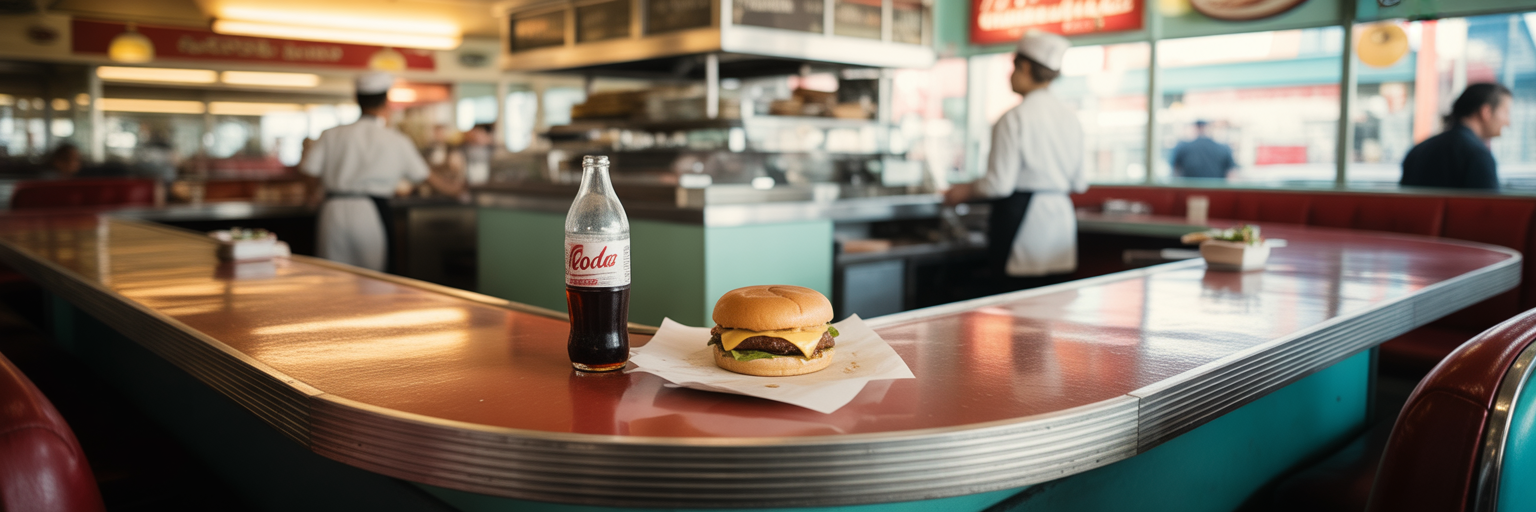
Los Angeles’s culinary soul lives in its independent, family owned, and historic eateries. This is not a city for chains. To find the best local restaurants Los Angeles has to offer, you have to go to the places woven into the city’s fabric. This is your definitive food tour.
- The French Dip at Philippe the Original: We start with a true LA invention. Located near Union Station, this institution has been serving its iconic sandwich for over a century. You walk across sawdust covered floors to a long counter, where you order a beef dip “double dipped.” The simplicity of the sandwich, served at a long communal table, is a cherished piece of LA history.
- The Shrimp Taco at Mariscos Jalisco: To understand LA’s taco culture, you must go to this legendary seafood truck in Boyle Heights. There is one thing to get: the taco de camarón. It’s a crispy fried shrimp taco, drenched in a rich tomato salsa and topped with avocado. It has a cult like following, drawing people from every corner of the county who will happily eat it standing in a parking lot.
- The Mole at Guelaguetza: This vibrant, festive restaurant in Koreatown is considered the temple of Oaxacan cuisine in the United States. It’s a vital cultural hub for the Oaxacan community, always buzzing with live music. You come here for the complex, deeply flavorful mole negro and the tlayuda, a massive, shareable “Oaxacan pizza” that is a meal in itself.
- The Brunch Bowl at Sqirl: This Silver Lake spot defines the quintessential LA brunch experience, right down to the infamous long line to get in. But the wait is part of the ritual. The signature dishes, the sorrel pesto rice bowl and the thick ricotta toast with vibrant, house made jam, helped launch a whole style of local, organic California cuisine.
- The #19 Pastrami Sandwich at Langer’s Delicatessen-Restaurant: Many will argue this is the best pastrami sandwich in the world. Locals will brave traffic and a challenging location near MacArthur Park for it, because it is that good. The #19 is perfection: thick, hand cut pastrami that melts in your mouth, served on double baked rye bread with Swiss cheese and coleslaw. It’s a pilgrimage site for food lovers.
- The Hickory Burger at The Apple Pan: For a taste of bygone LA, head to this tiny spot in West LA. The U shaped counter and the menu have remained virtually unchanged for over 70 years. The service is gruff but efficient. The order is a simple, paper wrapped hickory burger and a slice of their iconic banana cream pie. It’s a time capsule you can eat in.
Eating at these places is about more than just food. It’s about participating in the city’s living history. As noted in Eater LA’s guide to the city, these are the restaurants that define the local dining scene. This commitment to local flavor is what makes a city unique, a philosophy we apply to every place we cover on When In Your City.
The Daily Grind and the Golden Hour
So what is living in Los Angeles actually like? It’s a city of dualities. You have the ambitious, fast paced “hustle culture” of the creative and tech industries, where everyone has a side project. But you also have the laid back, “it can wait until after my surf” attitude that still persists in the beach communities. Intense ambition and a relaxed lifestyle somehow coexist here. This creative energy fuels countless entrepreneurs, with many learning from successful local business strategies to build their brands in a competitive market.
Let’s be honest about the cost of living. It’s high. Housing is expensive. But locals manage. There’s a strong culture of having roommates well into your thirties. We offset the costs by taking advantage of the city’s endless free outdoor activities, from hiking in the mountains to spending a day at the beach. We also find joy in exploring the city’s vast and incredibly affordable food scene in diverse neighborhoods, where a few dollars can get you some of the best food you’ve ever had.
The weather’s impact cannot be overstated. The near constant sunshine is not just a climate feature. It’s a lifestyle driver. It dictates the social calendar, encouraging year round outdoor dining, weekend trips to the desert or mountains, and a city wide emphasis on health and wellness. It’s the reason your friend has a lemon tree in their yard and why every other person you meet seems to be training for a marathon.
The city’s social dynamics can be tricky. The stereotype of “flakiness” is real, but it’s often an understandable byproduct of the city’s immense scale and unpredictable traffic. A 10 mile drive can take 20 minutes or two hours. Plans change. The key to a social life in LA is finding your niche. Strong communities are found within micro scenes: your local coffee shop, a specific hobby group, a creative collective, or your professional circle.
But the thing that truly captures the daily LA experience is the “Golden Hour.” It’s that magical time in the late afternoon when the sun dips low, the light softens, and everything is cast in a warm, ethereal glow. It’s a cherished, almost spiritual time of day. It’s when we take a walk, meet for a drink on a patio, or simply pause to appreciate the city’s complicated beauty. It’s the daily reward for navigating the grind. To be an Angeleno is to curate your own version of this massive city, to find your community, and to learn to balance the demanding energy with the incredible moments of beauty and freedom. If this deep dive into Los Angeles has you curious about what makes other cities tick, you can explore our guide to the real Bryan, Texas.