The Heartbeat of a Desert Town
Before the glossy magazine spreads and the endless stream of Jeeps, Moab had a different pulse. Its character wasn’t shaped by adrenaline sports but by the quiet persistence of desert life and the gritty hope of uranium booms. To understand Moab, you have to look past the adventure-sport headlines and see the small town at its core. This place is a fascinating paradox: a community of just over 5,000 residents that also hosts millions of visitors a year. This constant tension between being a close-knit neighborhood and a global destination is what truly defines it.
The town’s story began with Mormon pioneers seeking a remote outpost, a history that instilled a deep-seated independence. Then came the 1950s, when prospectors swarmed the area, chasing uranium fortunes and cementing Moab’s rugged, boom-or-bust identity. That spirit never really left. It just traded Geiger counters for mountain bikes. This history is the bedrock of the town’s character, a stubborn resilience you can still feel today.
You experience this dual identity the moment you arrive. Main Street throbs with energy during peak season, a vibrant corridor of gear shops, tour operators, and bustling restaurants. But turn onto any side street, like 200 East or 400 East, and the noise fades. Here, you find quiet neighborhoods with modest homes, gardens battling the dry air, and kids’ bikes left on the lawn. This is where the real Moab lives. The population is a unique blend of families who have been here for generations, river guides with sun-etched faces, artists drawn by the dramatic light, and the essential service workers who keep the whole machine running.
More than anything, you have to understand that the landscape here isn’t just a pretty backdrop. The towering red rock fins, the distant snow-capped La Sal Mountains, and the life-giving Colorado River are active participants in daily life. They dictate the economy, steer conversations at the post office, and shape the rhythm of the community. This is a common thread in the authentic American towns we feature in our city guides; the environment is inseparable from the culture. In Moab, the desert isn’t something you visit. It’s something you live with, every single day.
Weekend Rituals and Local Pastimes
When you live surrounded by world-famous landscapes, you learn to interact with them differently. Locals aren’t necessarily seeking the same grand, bucket-list experiences as tourists. Instead, life is about finding quiet moments within the spectacle. This is the key to finding the best things to do in Moab Utah that feel genuine. For instance, we don’t avoid Arches National Park, but we know when to go. A sunrise mission to the Windows Section before the first tour bus arrives feels like having a cathedral to yourself. The Grandstaff Canyon trail, with its perennial stream, is a favorite for a quick morning hike before the day’s heat sets in.
The Slickrock Bike Trail is another example. While it’s an iconic ride, for many residents it’s either a serious training ground for expert cyclists or a place to watch them test their skills. It’s less of a casual afternoon activity and more of a respected local institution. The real weekend recreation often happens on the water. The Colorado River isn’t just for commercial rafting trips. An after-work float on the “daily” section, from Big Bend to the takeout near town, is a cherished summer ritual.
- Paddleboarding and Kayaking: Many locals have their own paddleboards or kayaks, making a quick river session an easy escape from the summer heat.
- Riverside Hangouts: The float often ends with a simple gathering on a sandbar, sharing snacks and watching the sunset paint the canyon walls.
- Avoiding the Crowds: By using personal watercraft, residents can find quieter stretches of the river away from the main commercial launch points.
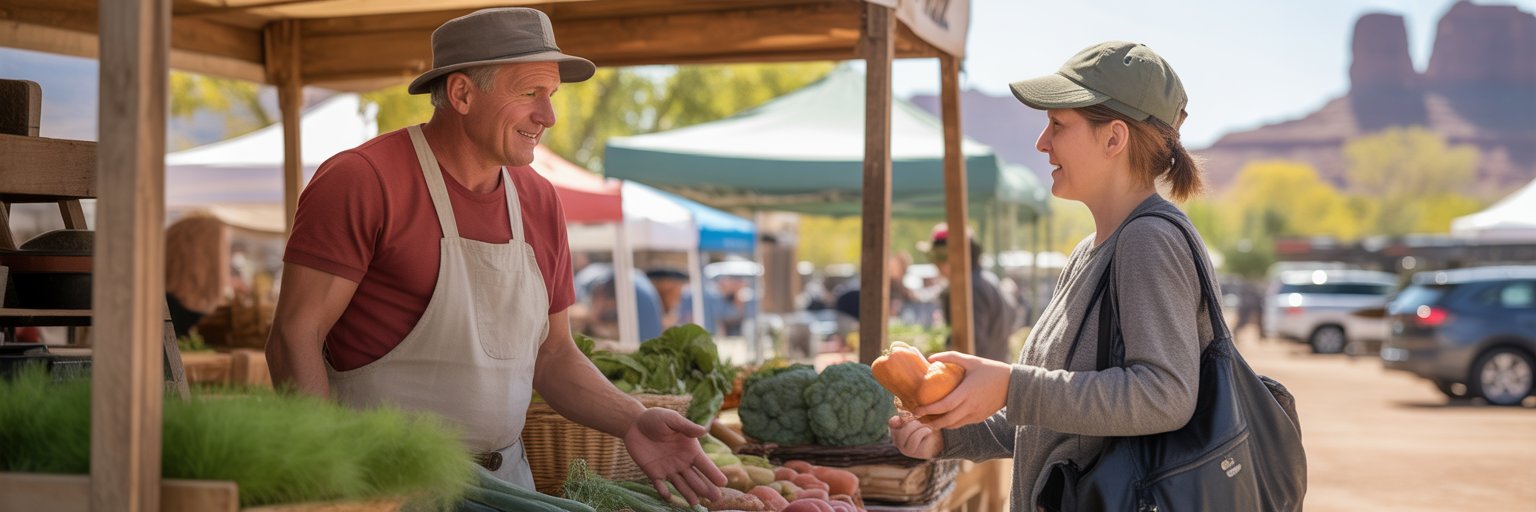
The town itself has its own social orbits. The Moab Farmers Market on Saturdays is less about grocery shopping and more about catching up with neighbors you haven’t seen all week. It’s the town’s living room, set up outdoors. The small, independent art galleries scattered around town, like the Tom Till Gallery or Gallery Moab, are quiet cultural cornerstones, offering a peaceful alternative to the bustle of Main Street. According to Discover Moab, the area boasts hundreds of miles of trails, but it’s these community hubs that truly connect people.
Annual events also have a different meaning. While tourists flock to the big jeep and music festivals, locals often gravitate toward smaller, community-focused gatherings like the Moab Arts Festival or a local film screening at Star Hall. Uncovering these authentic experiences is central to what we believe at When In Your City; it’s about finding the true rhythm of a place, not just observing it from the outside.
Discovering Moab’s Quieter Corners
The most rewarding experiences in Moab are often found just beyond the well-trodden path. While thousands of cars head into the national parks, locals often turn onto quieter roads that offer their own profound beauty. These are the hidden gems Moab Utah residents keep for themselves. A perfect example is the Potash-Lower Colorado River Scenic Byway, also known as U-279. This road winds along the base of the canyon, following the river. Keep your eyes peeled, because you can spot ancient petroglyphs and even dinosaur tracks right from the pavement, no hiking required.
For a complete change of scenery, we head for the mountains. The La Sal Mountain Loop Road is our high-altitude escape. In the summer, when the valley floor is baking, this drive takes you up into cool aspen and pine forests, offering breathtaking views back down into the red rock canyons. It’s a reminder of the incredible geological diversity that surrounds us. This approach of seeking out lesser-known drives to understand a place’s soul is something we’ve seen work everywhere, just as exploring the lakeside culture is essential to knowing the real Conroe, Texas.
Some spots hide in plain sight. Hole ‘N’ The Rock, with its bold roadside sign, might look like a tourist trap, but it’s a fascinating piece of local history. It was a real home, carved out of a massive sandstone boulder by the Christensen family over two decades. It’s a testament to the eccentric and determined spirit that thrives in the desert. For a different kind of history, take a walk through the residential streets just a block or two off Main. You’ll see a mix of old, modest houses from the mining era and simple bungalows that tell the story of a town built on grit, not glamour.
For a view that rivals any in the national parks, head to the Shafer Trail Overlook just before the entrance to Canyonlands National Park. While the full Shafer Trail is a serious 4×4 adventure, the overlook is easily accessible. It offers a dizzying, straight-down view of the switchbacks snaking their way to the canyon floor. Many visitors drive right past it. Finally, even a popular spot like Dead Horse Point State Park has its quiet corners. Instead of joining the crowd at the main overlook, take a short walk along the West Rim Trail. Within minutes, you can find your own secluded viewpoint of the iconic gooseneck bend in the Colorado River, offering a far more personal and reflective experience.
Where the Town Gathers to Eat
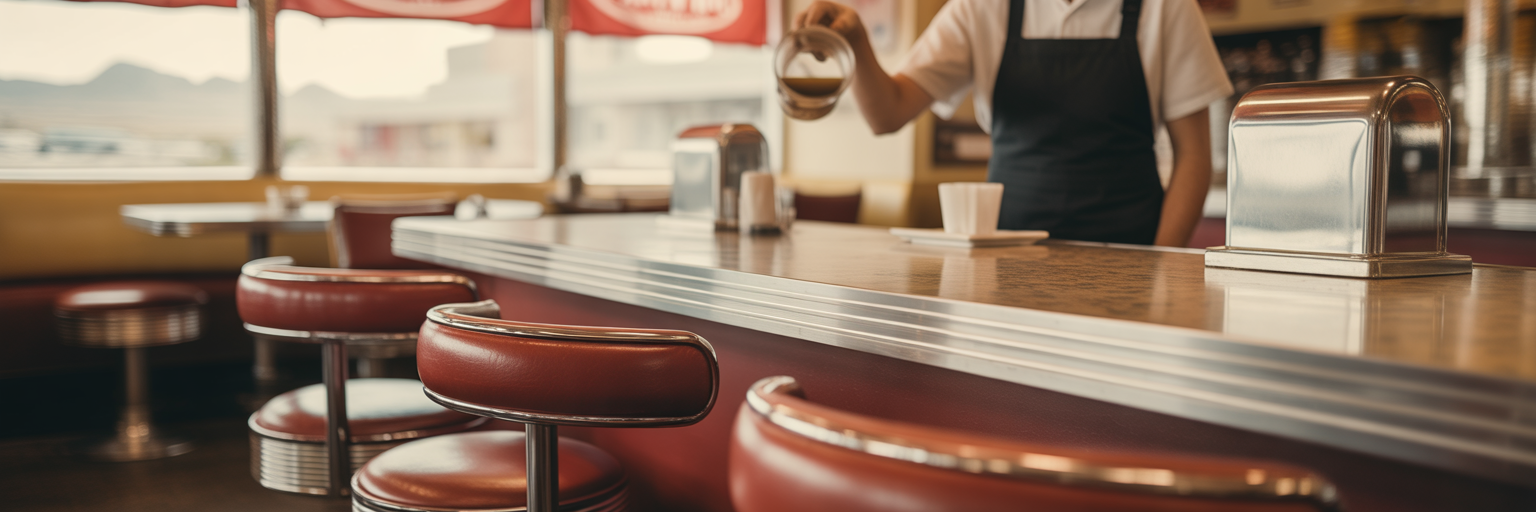
To find the best local restaurants Moab has to offer, you have to look for the places with worn-in floors and a loyal following. It’s not about trendy menus; it’s about community. Finding the culinary heart of a city means seeking out establishments with history, a philosophy that guides our dining explorations from Moab to San Angelo, Texas. These are the spots where river guides grab breakfast, families celebrate birthdays, and friends meet after a long day on the trail.
- Moab Diner: This place is a time capsule in the best way possible. With its classic diner booths and no-fuss attitude, it’s the town’s unofficial morning meeting spot. You’ll see old-timers who have been coming for decades sitting next to climbers fueling up for the day. The menu is reliable and comforting, but the Green Chili Scramble is a local legend. It’s not fancy, but it’s consistent, friendly, and deeply woven into the fabric of the town.
- Peace Tree Juice Café: As a counterpoint to the hearty fare found elsewhere, Peace Tree is the go-to for Moab’s active, health-conscious community. After a long, dusty bike ride, nothing feels better than one of their fresh-pressed juices or a massive, nutrient-packed salad. The relaxed patio is a key part of its appeal, a shady oasis where you can unwind and recharge. It’s a place that understands the town’s active lifestyle.
- Desert Bistro: When locals want to celebrate a special occasion, they often head to Desert Bistro. Tucked away in a beautifully restored historic home just off Main Street, it offers an intimate and refined dining experience. The chef focuses on creative Southwestern cuisine, often using locally sourced ingredients. Its reputation isn’t built on flashy marketing but on years of consistent quality and an atmosphere that feels both elegant and welcoming.
- Moab Brewery: Don’t let the tour buses out front fool you. The Moab Brewery is a foundational, year-round gathering place for residents. It’s the default meeting point after work, after a ride, or just because it’s Tuesday. The beer is brewed on-site, with flagship ales like the Dead Horse Amber Ale being a local staple. The pub food is reliable and satisfying, making it an essential part of Moab’s social fabric. It’s loud, it’s busy, and it’s where the community comes together.
The Daily Rhythm of Life in the Red Rocks
The experience of living in Moab Utah is governed by one powerful force: the seasons. The town operates on a distinct ebb and flow that outsiders rarely see. Spring and fall are frenetic. The town is packed, work is constant, and there’s a palpable energy in the air. This is when the town’s economy thrives. But when the intense summer heat arrives, a quiet calm descends. Life slows down. Activity shifts to the cool hours of the early morning or late evening. The river becomes the center of social life, and the pace becomes wonderfully, necessarily slow.
Winter is when we get our town back. The crowds vanish, Main Street quiets down, and a peaceful solitude settles over the landscape. This is when you can hike your favorite trails and see only a handful of people. These are the months for community potlucks and lingering conversations at the grocery store. It’s during this quiet season that you can truly appreciate the small-town community and find the best Moab local spots all to yourself.
The community culture is defined by a “Moab friendly” attitude. It’s an unspoken camaraderie born from a shared love of the outdoors and a mutual understanding of the challenges of living here. It’s striking up a conversation with a stranger at the post office or getting trail advice from the person next to you at the coffee shop. It’s a small town, so everyone knows everyone, which creates a strong sense of connection, though it does mean giving up a certain amount of anonymity.
Of course, there are trade-offs. Sharing your home with millions of visitors means navigating traffic on Main Street and accepting that your favorite trail might be crowded. The cost of living, particularly housing, is high for a town of this size, driven up by the tourism economy. But for those who stay, the rewards are immense. It’s the ability to watch the sunrise over the canyons before work, the profound silence of the desert on a winter day, and the deep satisfaction of being part of a resilient, passionate community tied to one of the most extraordinary landscapes on Earth.
| Season | Pace of Life | Typical Outdoor Activity | Local’s Perspective |
|---|---|---|---|
| Spring (March-May) | Frenetic & Crowded | Mountain biking, rock climbing, national park visits | The ‘money-making’ season. Trails are busy; work is non-stop. |
| Summer (June-August) | Slow & Scorching | Early morning hikes, river floats, evening activities | A time to slow down, escape the heat, and enjoy the river. |
| Fall (September-November) | Energetic & Crowded | Jeeping, hiking in cooler temps, photography | ‘Hero season’ with perfect weather. Busy, but more manageable than spring. |
| Winter (December-February) | Quiet & Peaceful | Sunny day hikes, cross-country skiing in the La Sals | The town is ours again. A time for solitude and community connection. |
This table illustrates how the distinct seasons dictate the pace of life, preferred activities, and overall mindset for those living in Moab. Understanding this rhythm is key to grasping the town’s true character.