Establishing the Foundation for a Harmonious Group Trip
We can all picture the moment. The group chat is buzzing with excitement about a trip, but beneath the surface, a quiet tension is brewing. One person is already mapping out a dawn-to-dusk itinerary of hikes and tours, while another is dreaming of little more than a sun lounger and a good book. This classic conflict between doing everything and doing nothing is where most group trips begin to fray, long before a single bag is packed.
The secret to a successful group vacation isn’t a perfectly balanced schedule. It’s empathy. Before you even think about destinations or dates, the first step is to understand who you are travelling with. Think of your group as a collection of distinct Traveler Archetypes, each with their own definition of a perfect getaway.
- The Thrill-Seeker: This person lives for an adrenaline rush. Their ideal day involves pushing boundaries, whether it’s through water sports, exploring remote trails, or finding the most adventurous local experiences. For them, a vacation is an opportunity for action.
- The Relaxationist: For this traveler, a vacation is a genuine escape from the daily grind. They prioritise sleeping in, leisurely meals, spa treatments, and unstructured time. Their goal is to return home feeling recharged, not exhausted.
- The Cultural Explorer: Driven by curiosity, this individual wants to immerse themselves in the local way of life. Their itinerary is filled with museums, historical landmarks, art galleries, and authentic cultural experiences. They travel to learn and connect.
- The Foodie: This person experiences a destination through its flavours. Their trip is built around market visits, cooking classes, and reservations at both acclaimed restaurants and hidden local eateries. For them, food is the main event.
Recognising these profiles in your group isn’t about labelling people. It’s about acknowledging their needs. The goal is not to cater to just one archetype but to weave elements for each into the fabric of the trip. A successful trip is built on understanding what each person wants, a philosophy that guides all the travel insights we share at When In Your City.
This requires a dedicated planning conversation before anyone gets attached to a specific location. Ask direct, open-ended questions. What does a perfect vacation day look like for you? What’s one thing you absolutely need from this trip to feel like you had a real break? The answers will reveal the non-negotiables for each person.
From this conversation, you can establish a collective ‘Trip Mission.’ Is the goal to celebrate a milestone? Reconnect after a long time apart? Or simply escape the routine? This shared purpose becomes your North Star, guiding every decision and helping to resolve disagreements later. Understanding how to balance a group vacation begins with proactive communication, ensuring everyone feels seen and heard from the very start.
Aligning Expectations and Core Priorities Before Booking

Once you understand the ‘why’ behind your trip, it’s time to build the ‘how’. This stage is about creating practical systems to prevent misunderstandings before any money is spent. The first step is to clarify roles. Avoid appointing a ‘Trip Leader,’ which implies a top-down approach. Instead, designate a ‘Trip Coordinator.’ This person’s job is not to make decisions, but to facilitate them by gathering opinions, organising information, and ensuring everyone’s voice is heard.
The coordinator can leverage simple digital tools for democratic decision-making. Instead of an endless group chat debate, use a Doodle poll to find the best travel dates that work for everyone. For bigger decisions, a quick Google Form or WhatsApp poll can help the group vote on key variables. Should it be a beach or a city? What is the comfortable budget range for each person? Do we prefer a shared villa or separate hotel rooms? Once your group decides between a bustling metropolis or a quiet town, you can explore various options in our extensive city guides.
With these foundational decisions made, the next step is to create a ‘Trip Manifesto.’ This isn’t a formal contract but a simple, shared document, like a Google Doc or a pinned note in your group chat, that outlines the group’s agreed-upon guidelines. It turns unspoken expectations into clear agreements. Here are a few examples you can adapt:
- ‘We agree to have at least one group dinner together each day.’
- ‘Mornings are for planned group activities; afternoons are for flexible, individual pursuits.’
- ‘Each person gets one ‘veto’ for a proposed activity, no questions asked.’
- ‘Quiet hours in our shared accommodation will be from 11 PM to 8 AM.’
Perhaps the most critical alignment is the budget. Be transparent from the outset. Break down costs into two clear categories. Fixed Shared Costs include expenses like accommodation and a rental car that everyone splits equally. Variable Individual Costs cover optional tours, shopping, or fine dining, which each person pays for themselves. This framework allows travelers with different budgets to participate comfortably without feeling pressured or excluded. These practical group trip planning tips ensure that logistical and financial alignment happens proactively, preventing the most common sources of conflict down the road.
Designing a Flexible Itinerary for Adventure and Rest
With your group’s priorities aligned, you can now focus on the schedule itself. The best group itineraries are not rigid, minute-by-minute plans. They are flexible frameworks that provide structure while leaving room for spontaneity and rest. A powerful method for achieving this is the ‘Anchor and Float’ design.
Think of ‘Anchor’ activities as the handful of pre-booked, must-do events that bring the group together. This could be a guided historical tour, a special dinner reservation, or tickets to a show. These are the structural pillars of your trip. The ‘Float’ time is the intentionally unscheduled space around these anchors. It allows people to rest, explore on their own, or join smaller breakout activities based on their mood. The anchors hold the trip together, while the float time lets everyone drift at their own pace.
To further structure this, consider an ‘Activity Pacing’ strategy, like the ‘Morning Adventure, Afternoon Relaxation’ model. This creates a predictable daily rhythm that everyone can count on. For instance, a trip to a place like Longview, Texas, could combine a morning spent hiking in a nearby state park with a relaxed afternoon exploring the town’s unique eateries or resting back at your accommodation. This approach guarantees that even the most active days have built-in downtime, preventing burnout. This approach aligns with expert advice on balancing mindfulness and thrills. As noted by Wellbeing Magazine, structuring days with both high-energy and low-key periods is essential for group harmony.
One of the most effective flexible travel itinerary ideas is to build ‘Opt-In/Opt-Out’ choices directly into the schedule. Frame these as empowering features, not obligations. The shared itinerary might list: ‘Optional: 9 AM surf lesson at the main beach’ or ‘Afternoon: Free time for shopping or a museum visit.’ This simple framing removes any guilt associated with skipping an activity and respects everyone’s varying energy levels and interests.
Finally, for any trip longer than four days, schedule at least one ‘Nothing Day.’ This is a day with zero planned activities. It might feel counterintuitive when you want to see and do everything, but this day is crucial. It provides a real opportunity for recovery and opens the door for the kind of spontaneous discoveries that often become the most cherished memories of a trip. A great itinerary is a guide, not a rulebook. Building in choice, rest, and flexibility is the ultimate key to creating a trip that everyone can genuinely enjoy.
Selecting the Right Destination and Accommodation
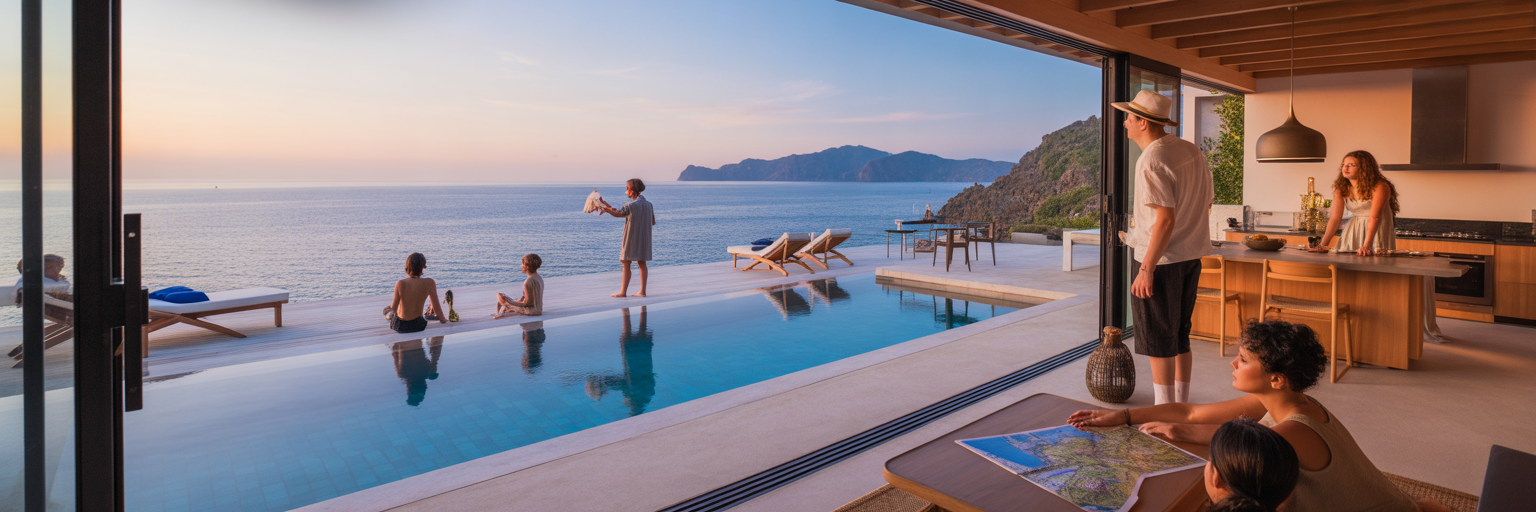
The physical environment of your trip plays a huge role in its success. The right destination and lodging can make balancing different needs feel effortless, while the wrong ones can create constant friction. The first step is choosing a location with inherent variety, one that naturally caters to the different traveler archetypes in your group. Think of coastal cities like Bangkok, where you can explore ancient temples and bustling street markets in the morning and enjoy a relaxing river cruise or spa treatment in the afternoon. Regions like Queenstown, New Zealand, are another prime example, offering world-class adventure sports alongside serene wineries and scenic drives.
Once you have a destination in mind, the choice of accommodation becomes the next critical decision. The trade-offs between a large rental house, a hotel, or adjacent apartments have significant implications for group dynamics, privacy, and cost. Consider a place like Wichita Falls, Texas, which offers both outdoor adventures in its parks and a relaxed pace in its historic downtown, making it suitable for various accommodation styles.
| Accommodation Type | Best For | Potential Drawbacks | Key Feature for Balance |
|---|---|---|---|
| Large Rental Villa/House | Fostering community, groups with kids, budget-conscious travelers (per person). | Less privacy, potential for shared cleaning duties, can be isolating if located far from town. | Large common areas and private outdoor space (pool, garden) for built-in relaxation. |
| Boutique Hotel (Multiple Rooms) | Groups prioritizing privacy, autonomy, and hotel services (housekeeping, concierge). | Higher cost, limited communal space for spontaneous gathering, less ‘homey’. | Individual rooms provide a personal sanctuary for downtime away from the group. |
| Adjacent Apartment Rentals | A hybrid approach offering both privacy and proximity. Good for longer stays. | Logistical complexity of booking multiple units, varying quality between apartments. | Offers a balance of private living spaces with the ease of meeting up next door. |
Note: This table summarizes the primary trade-offs for group travel. The ideal choice depends on the group’s ‘Trip Mission’ and budget priorities.
Beyond the type of lodging, its location is strategically important. Choosing a central base with good walkability or easy access to public transport is a game-changer. It reduces logistical headaches and empowers subgroups to easily break off for their own activities and regroup later without complex coordination. Finally, look for specific amenities that promote balance. A comfortable common area encourages casual togetherness, a well-equipped kitchen allows for easy group meals without the pressure of going out, and a quiet outdoor space like a balcony or garden provides a built-in spot for anyone needing a moment of peace. The right environment doesn’t force balance, it enables it.
Mastering On-Trip Group Dynamics and Communication
Even the most meticulously planned trip can be derailed by poor on-the-ground communication. The strategies you use during the vacation are just as important as the ones you used to plan it. This is where you move from planning to execution, focusing on real-time habits that maintain harmony.
A simple yet powerful habit is the ‘Daily Huddle.’ This is not another planning meeting. It’s a brief, informal five-minute chat over morning coffee to check in on everyone. How are energy levels? Does the loose plan for the day still feel right? This quick check-in allows for minor adjustments before they become major issues and ensures everyone feels heard throughout the trip.
It is also essential to normalize the ‘Divide and Conquer’ strategy. Many groups feel a sense of obligation to do everything together, but this can lead to resentment. Frame splitting up as a positive feature of a healthy group trip. It allows the thrill-seekers to tackle a challenging hike while the relaxationists enjoy a long, leisurely lunch. This gives everyone a social breather and ensures that no one feels like they are compromising their entire day. When you regroup for dinner, you’ll have more interesting stories to share.
Decision fatigue is real, especially when it comes to the dreaded ‘What’s for dinner?’ debate. Combat this by being prepared. Before the trip, the coordinator can create a pre-vetted list of nearby restaurants in a shared note, covering different cuisines and price points. Another effective tactic is to assign a daily ‘tie-breaker’ whose job is to make the final call on low-stakes decisions, taking the pressure off the group.
Despite your best efforts, disagreements can still arise. Having simple conflict-resolution techniques ready can de-escalate tension quickly:
- Institute a ’10-Minute Timeout’: If a discussion becomes heated, anyone in the group can call for a short break. This allows everyone to cool off and approach the conversation with a clearer head.
- Use ‘I’ Statements: Encourage group members to express their needs from a personal perspective. Saying, ‘I’m feeling overwhelmed and need some downtime,’ is far more constructive than an accusatory statement like, ‘You’re planning too much.’
- Acknowledge and Validate: Before presenting your own point of view, show that you’ve heard the other person. A simple, ‘I understand you want to see the museum, and it’s important…’ can immediately lower defenses and open the door for a real compromise.
Sustaining group morale requires more than just a good plan. It demands healthy, real-time communication and the freedom for individuals to be autonomous within the group structure.
Strategic Financial Planning for a Stress-Free Experience
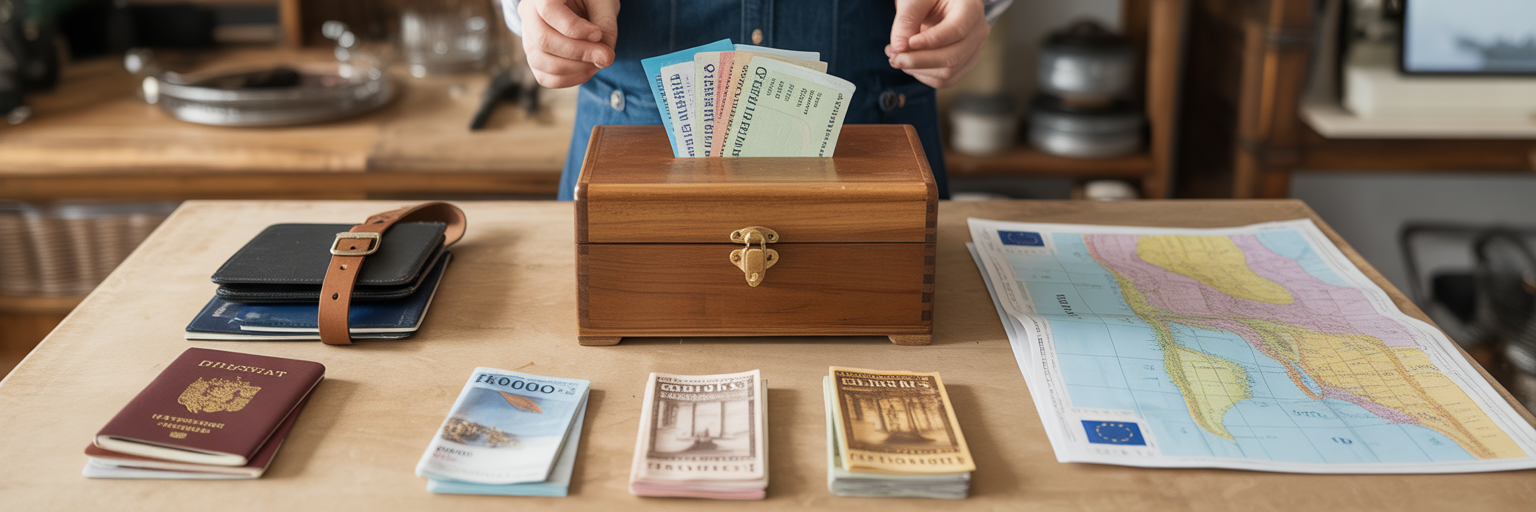
Money is often the biggest source of stress and conflict in group travel. A vague approach to finances can quickly create resentment and awkwardness. A clear, transparent system for managing group travel budget is not just a practical necessity, it’s essential for a stress-free experience.
Start with the ‘Tiered Budget’ system discussed during planning. Reiterate the difference between ‘Core Costs’—shared expenses like accommodation that everyone has already agreed to split equally—and ‘Optional Costs.’ This second tier covers all individual expenses, such as that expensive tasting menu the foodie wants to try or the surfing lesson the thrill-seeker is eyeing. This structure gives each person financial autonomy and control over their own spending, eliminating the pressure to keep up with others.
Technology is your best friend here. Embrace dedicated group travel planning apps like Splitwise or Tricount. These tools create a transparent, running ledger of who paid for what. Someone covers the taxi? Add it to the app. Someone else buys a round of drinks? Log it. This eliminates the mental gymnastics of trying to remember who owes whom, and the app calculates the simplest way for everyone to settle up at the end of the trip. It removes all the awkwardness from tracking shared expenses.
For smaller, day-to-day shared purchases, the ‘Group Kitty’ approach is incredibly effective. At the beginning of the trip, have everyone contribute an equal amount of cash into a communal fund. Designate one person to be the keeper of the kitty, using it to pay for things like coffees, snacks, tips, or small groceries. When the fund runs low, everyone tops it up again. This avoids the hassle of splitting a five-dollar coffee bill four ways.
Finally, a significant portion of financial stress can be alleviated before you even leave. By pre-paying for major expenses like flights, accommodation, and key ‘anchor’ activities, you lock in prices and reduce the amount of money that needs to be managed during the vacation. This approach is especially useful when exploring budget-friendly cities, and our city guide to San Angelo, Texas can help you plan an affordable yet exciting trip. A transparent, organized, and tech-supported approach to finances ensures that everyone can focus on enjoying the experience, not on counting pennies.
Post-Trip Reflection to Enhance Future Adventures
The trip doesn’t end when you unpack your bags. The final, often overlooked, step is reflection. Taking a little time to review the experience together not only solidifies the positive memories but also transforms a single vacation into a sustainable model for future group travel. This is how you turn a good trip into a great tradition.
About a week or two after returning, when everyone has settled back into their routines, schedule a casual ‘Post-Trip Debrief.’ This isn’t a forum for complaints but a constructive and positive conversation. Use open-ended questions to guide the discussion. What was the absolute highlight for you? Did we find the right balance of activity and rest? What’s one thing we should definitely do differently next time? These insights are invaluable for planning your next adventure.
Another way to reinforce the trip’s success is through a collaborative act of memory-making. Create a shared digital photo album where everyone can upload their favorite pictures. Better yet, assemble a short video reel with clips from the trip. This process encourages everyone to focus on the good times and strengthens the bonds formed during your travels.
The Trip Coordinator should also take a moment to document the ‘wins.’ This means saving the final itinerary, the budget breakdown from your expense-tracking app, and a list of favorite restaurants, cafes, and hidden spots. Store this information in a shared folder. This collection of documents becomes a priceless blueprint for the group’s next journey, incorporating proven group trip planning tips that you know work for your specific dynamic.
Ultimately, the end of one trip should feel like the beginning of planning the next. The lessons learned, the communication skills honed, and the bonds strengthened are the true foundation for all future adventures. By taking the time to reflect, you ensure that each trip you take together becomes more seamless, enjoyable, and memorable than the last.