The Heartbeat of Eastern Montana
Miles City’s reputation as a “cowboy town” is not a marketing slogan. It is an identity earned over more than a century, rooted in the dusty cattle drives that shaped the American West. Situated where the Yellowstone and Tongue Rivers meet, this community of about 8,400 people was built on grit and self-reliance. Its history is tied to the establishment of Fort Keogh in the late 1870s, a military post created to bring order to the frontier, and the arrival of the Northern Pacific Railroad, which cemented its status as a vital hub for the cattle industry. This is not a place that puts on a show for tourists. It is a working town, and its character is a direct reflection of that fact.
Unlike the resort towns of western Montana like Bozeman or Whitefish, which cater to a constant influx of visitors, Miles City offers something more grounded. Its relative isolation means the community has always had to depend on itself. This fosters a tight knit social fabric where people genuinely know their neighbors, and a wave from a passing truck is standard practice. The eastern Montana lifestyle is defined by this deliberate pace. There is a sense of purpose here that is not tied to frantic growth but to the steady rhythms of agriculture, ranching, and community life. You feel it in the historic brick buildings downtown and see it in the practical businesses that have served generations.
The town’s history is not confined to the Range Riders Museum. It is a living, breathing part of the local economy and culture. You can see the legacy of the railroad in the town’s layout and the importance of the cattle industry in the conversations happening at the local cafes. The vibe is unpretentious and deeply community centric. People here value hard work, straight talk, and a connection to the land. Miles City is a place of substance over style, where the appeal lies in its genuine character. It is a community that understands who it is and makes no apologies for it, offering a truly authentic experience for anyone willing to look beyond the surface.
Weekend Routines and Annual Traditions
Understanding what to do in Miles City means looking past a checklist of attractions and tuning into the community’s weekly and annual rhythms. Fun here is less about scheduled entertainment and more about shared experiences rooted in tradition and the surrounding landscape.
The Rhythm of a Local Weekend
A typical weekend for many locals involves the simple pleasures offered by the Yellowstone and Tongue Rivers. When the weather is warm, you will find families floating down the river on tubes or casting a line from the bank, hoping to catch a walleye or catfish. The Miles City Community Park is more than just a green space. It is a weekend hub for family barbecues, impromptu games of catch, and a place to let the kids burn off energy on the playground. It is where you run into friends and catch up on the week’s news while the smell of grilling burgers fills the air.
Main Street: The Town’s Living Room
Downtown Main Street functions as the town’s living room. It is where errands become social calls. A trip to the hardware store or the post office inevitably includes a few conversations with people you know. The historic architecture houses practical, locally owned businesses, from saddleries that still outfit working cowboys to storefronts that have been in the same family for decades. It is the commercial heart of the city, but more importantly, it is the social backbone where the community’s daily life unfolds.
The Miles City Bucking Horse Sale: A Town-Wide Reunion
To an outsider, the Miles City Bucking Horse Sale might look like just another rodeo. To a local, it is the biggest event of the year, a massive, town wide reunion disguised as a four day party. Held every third weekend in May, the event transforms the town. The population swells, and an atmosphere of controlled chaos takes over, which locals both anticipate and celebrate. It is a homecoming for those who have moved away and a major economic driver for the entire region. As noted by Visit Southeast Montana, it is a premier event that draws rodeo professionals and enthusiasts from across the nation, cementing the town’s reputation in the rodeo world. For locals, it is a tradition that marks the official start of summer.
Beyond the Big Event: Year-Round Community Gatherings
While the Bucking Horse Sale is the main event, the town’s social calendar is filled with smaller, equally important gatherings that define the local culture.
- Friday Night Football: High school football games are major social events. The entire town seems to turn out to cheer on the Cowboys, and the stands are a cross section of the community, from grandparents to young families.
- Summer Farmers’ Market: The weekly farmers’ market is as much about connecting with neighbors as it is about buying fresh produce. It is a chance to talk directly with the people who grow your food and catch up on local happenings.
- Live Music Nights: The nightlife in Miles City is low key. You will not find sprawling clubs, but you will find local bars with live bands playing country and rock music, where people gather to dance and unwind.
- Hunting Season: For many, the fall is defined by hunting season. It is a deeply ingrained cultural tradition and an important economic activity that connects people to the land and provides for their families.
Ultimately, enjoying Miles City is about participating in these traditions. Exploring a town’s unique character is a rewarding way to travel, an approach we also celebrate in other guides like the one for experiencing Conroe, Texas like a local.
Off the Beaten Path Discoveries
In a town like Miles City, the best discoveries are often hiding in plain sight. These are not secret spots, but places whose value is not immediately obvious to a visitor rushing through. Their significance is understood through a local lens, revealing the town’s history, creativity, and quiet beauty.
A perfect example is the WaterWorks Art Museum. While any town can have an art museum, this one is housed in the city’s historic 1911 water treatment plant along the Yellowstone River. The massive concrete basins that once held the town’s water supply now hold contemporary art from regional artists. It is a powerful symbol, bridging the town’s industrial past with its creative present. It is a place that honors where Miles City has been while showcasing where it is going.
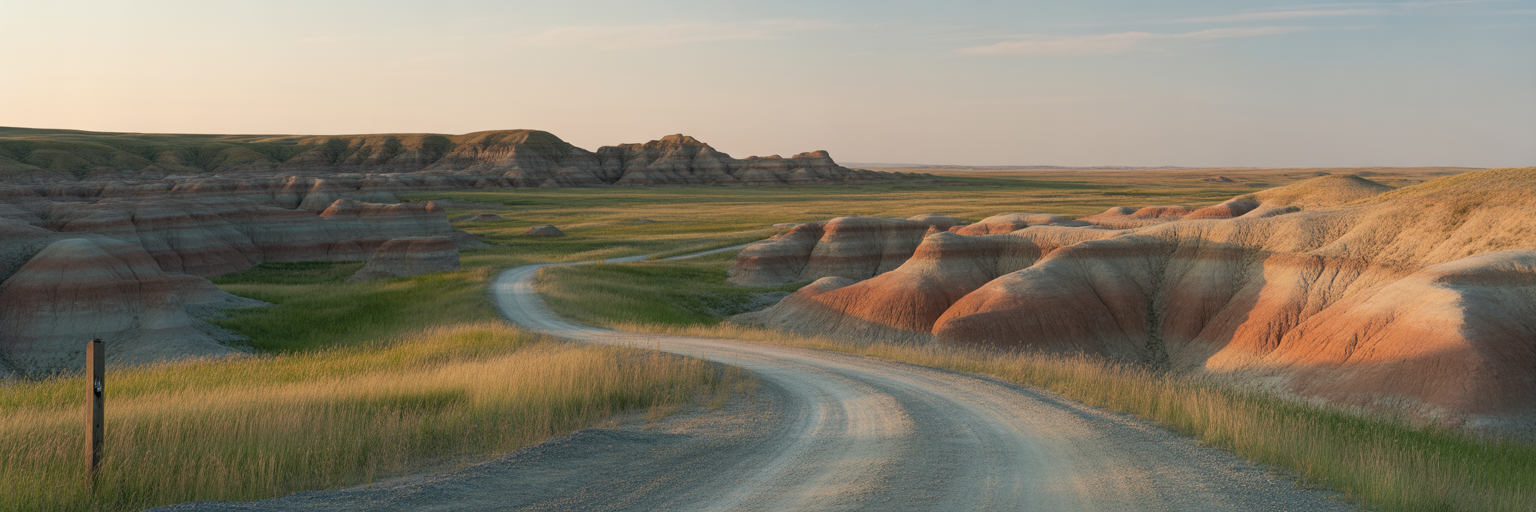
Instead of a vague suggestion to explore the badlands, a true local experience involves a specific drive. Take the highway east toward Terry as the sun begins to set. The rolling plains and rugged breaks of eastern Montana are transformed by the golden light. It is a drive that offers a profound sense of solitude and a chance to appreciate the raw, understated beauty of the landscape. This is not the dramatic mountain scenery of western Montana. It is something more subtle, a beauty that asks you to slow down and pay attention.
Tangible pieces of history are everywhere. The Miles City Saddlery on Main Street is not a museum piece. It is a still operating business that has been crafting high quality saddles and leather goods since 1909, equipping generations of cowboys. You can walk in and smell the leather, a direct connection to the town’s ranching heritage. A short drive from town, you can see the remaining historic structures of Fort Keogh, now a USDA agricultural research station, and feel the history of the frontier that shaped this place.
Discovering these places requires a slower, more observant approach. It might mean taking a walk down a quiet residential street to admire the historic homes or finding a particular bend in the Tongue River that is perfect for a quiet afternoon. Achieving a Miles City authentic experience is about adopting this local mindset. It is a way of seeing that values substance over spectacle, a skill useful in many places, as we explore in our guide to avoiding the tourist trail in Leander.
The Town’s Favorite Kitchens
To understand Miles City, you have to eat where the locals eat. The local restaurants in Miles City MT are more than just places to get a meal. They are community hubs, extensions of family kitchens, and keepers of tradition. You will not find any national chains in this guide. These are the independent, locally owned establishments that form the heart of the town’s social life.
600 Cafe: A Timeless Institution
The 600 Cafe is a Miles City institution. It is a no frills diner on Main Street that has been serving the community for decades. The decor has not changed much, and that is exactly how people like it. This is where ranchers in dusty boots and business owners in suits sit at neighboring tables. Locals will tell you to go for a classic breakfast plate, with perfectly cooked eggs and bacon, or to check the board for the daily lunch special. The 600 Cafe is a living piece of history, a place where generations have gathered for a good meal and an honest conversation.
4 B’s Restaurant: The Classic Montana Steak Dinner
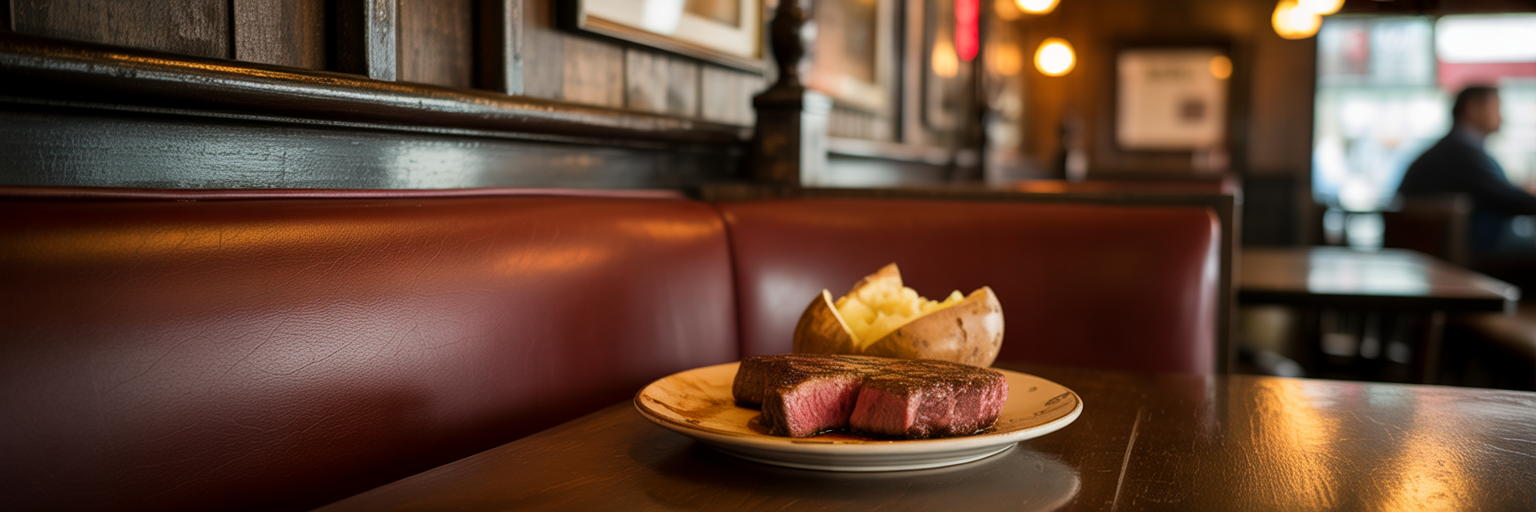
When there is a family celebration, a birthday, or an anniversary, 4 B’s Restaurant is often the destination. It is the go to spot for a traditional Montana steak dinner. The atmosphere is comfortable and unpretentious, but the quality of the food speaks for itself. This is where you go for a perfectly cooked steak, a baked potato with all the fixings, and a slice of homemade pie. It is a place that feels like a special occasion without any of the stuffiness, embodying the town’s grounded approach to hospitality.
Airport Inn: The Rancher’s Gathering Spot
Do not let the name fool you. The Airport Inn is a beloved local steakhouse and a primary gathering spot for the agricultural community. Located just outside of town, it is known for its hearty, working man’s meals and strong drinks. The parking lot is often full of pickup trucks, and the bar is a prime spot for catching up on cattle prices and local gossip. The steaks are legendary, and the atmosphere is pure, unadulterated Montana. Eating here feels like being let in on a local secret.
Dining at these establishments is a cultural experience. It is about more than just the food on the plate. It is about the waitress who has been there for 30 years and knows everyone’s order, the familiar faces at the next table, and the sense of shared history that permeates the walls. Finding these kinds of spots is key to understanding any city, a theme we also highlight in our guide to the food and sites of Longview, Texas.
The Rhythm of Daily Life
For anyone considering moving to Miles City Montana, it is important to understand the rhythm of daily life beyond the weekend events and historic landmarks. Life here moves at a deliberate, unhurried pace. There are no traffic jams, and people are not slaves to a frantic schedule. This slower pace allows for a different kind of connection, both to the community and to the surrounding environment.
The friendliness you encounter is not superficial. It is a genuine neighborliness born from decades of mutual reliance in a place where you might need your neighbor to help pull your truck out of a snowdrift. People show up for one another, whether it is for a community fundraiser or to help a family in need. There is a deeply ingrained sense of shared responsibility that defines the social fabric.
The cost of living presents a stark contrast to the boomtowns of western Montana. While jobs may be centered on stable industries like agriculture, healthcare, and local government rather than high growth tech, the trade off is a significantly more affordable and less stressful quality of life.
| Factor | Miles City | Bozeman |
|---|---|---|
| Pace of Life | Deliberate, unhurried, community-focused | Fast-paced, growth-oriented, more transient |
| Housing Cost | Significantly more affordable | Among the highest in the state |
| Job Market | Centered on agriculture, healthcare, local government | Tech, tourism, university-driven |
| Community Feel | Deeply rooted, multi-generational connections | Dynamic and growing, with many newcomers |
Note: This comparison highlights the fundamental lifestyle differences. Cost and market data are based on general economic trends in Montana, reflecting Miles City’s stability versus Bozeman’s rapid growth.
There is no sugarcoating the weather. The winters are long and cold, with plenty of snow and wind. But locals do not just endure it. they adapt. The harsh weather strengthens community bonds, leading to indoor potlucks, game nights, and a shared sense of resilience. When spring finally arrives, the collective appreciation for the sunshine and green grass is palpable.
Ultimately, living in Miles City is about a trade off. You give up certain urban amenities, like a wide variety of shopping and dining options, in exchange for open space, a strong community, and a sense of belonging. It is a place for someone who wants to be a neighbor, not just a resident. It is for someone who values deep roots over constant change. For those exploring different cities with unique characters, When In Your City offers a great starting point for further research.