More Than Just a Tech Capital
When people hear “San Jose,” they usually picture glass-walled office parks and the relentless hum of Silicon Valley. It’s true that San Jose is the tenth-largest city in the United States and the economic engine of a region that shapes global technology. But reducing it to just its corporate identity is like judging a book by its very glossy, very expensive cover. The real story of living in San Jose California, is found in the spaces between the tech campuses, in neighborhoods that feel more like distinct towns, and in a history that predates the microchip by centuries.
The city’s character is a study in contrasts. Downtown’s sleek high-rises give way to the quiet, tree-lined streets of Willow Glen, where Craftsman bungalows sit behind manicured lawns. This sprawling, modern hub often feels less like a single metropolis and more like a collection of interconnected suburban communities, each with its own pace and personality. This guide is about finding that San Jose, the one locals know and experience every day.
Long before it was the heart of the tech world, San Jose was El Pueblo de San José de Guadalupe, a Spanish colonial settlement founded in 1777 to grow food for the presidios in San Francisco and Monterey. This agricultural past is buried deep, but its spirit lingers. You can feel it in the city’s fantastic network of farmers’ markets, where residents still gather weekly for fresh produce, and in a shared appreciation for the green hills that frame the valley. That history provides a grounding counterpoint to the forward-looking ambition that defines the city’s work life.
The vibe here is a unique blend of high-stakes pressure and suburban calm. It’s a place where your neighbor might be developing artificial intelligence that will change the world, but you’re more likely to chat with them about their garden or plans for a weekend hike. The workweek is intense, but weekends are for decompression, family, and getting outdoors. This balance is what makes life here sustainable.
Fueling it all is an incredible diversity. Waves of immigration from across the globe have created a rich cultural fabric that is most deliciously expressed in the city’s food scene. From Vietnamese pho to Portuguese pastries and Mexican-American comfort food, the city’s identity is a mosaic of traditions. To truly understand San Jose, you have to look past the headlines and explore the neighborhoods, parks, and family-run restaurants where its true soul resides.
Weekend Rhythms and Local Hangouts
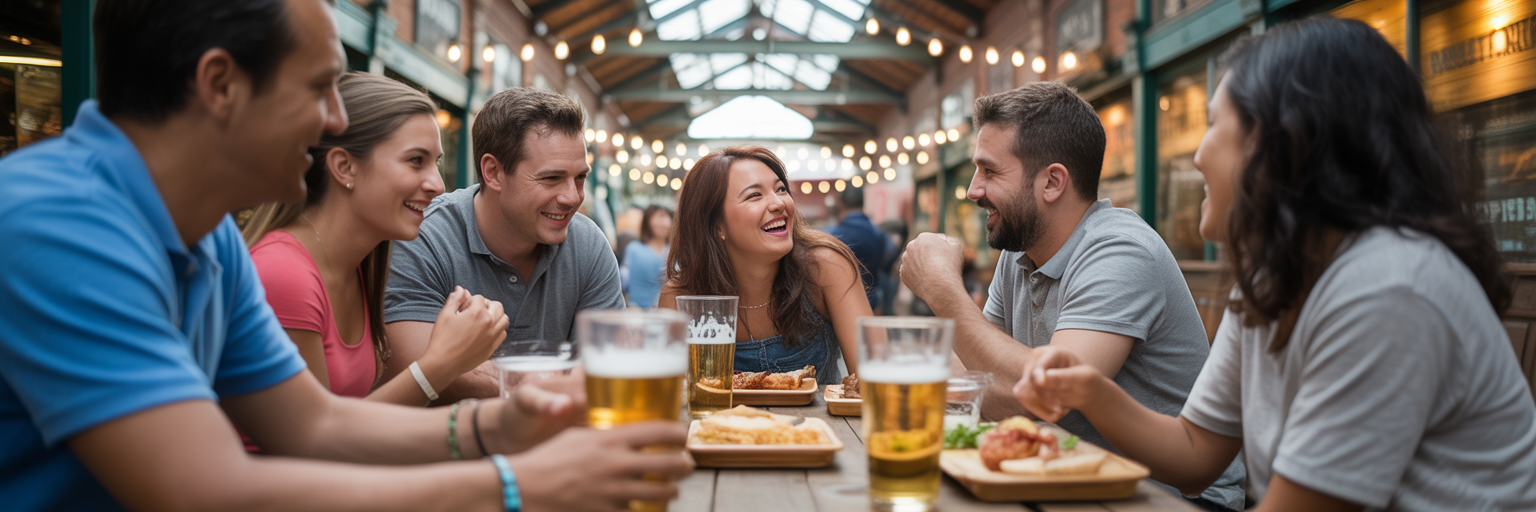
After a week of deadlines and meetings, the collective exhale in San Jose is almost audible. The local approach to weekends is less about chasing trends and more about recharging. This often starts with escaping into the surprisingly rugged nature that surrounds the city. A prime example is Alum Rock Park, one of California’s oldest municipal parks. This is not a manicured lawn with a playground. It’s a proper canyon with miles of hiking trails, unique geological formations, and a wildness that feels a world away from the valley floor. It’s where you go for a serious trail run or a challenging hike to clear your head.
When it’s time to be social, the default destination for many is San Pedro Square Market. Forget formal dining; this is San Jose’s communal living room. The sprawling indoor and outdoor space is a vibrant collection of food stalls and bars where you can grab anything from a craft beer and pizza to sushi and craft cocktails. The real draw is the atmosphere. On any given Friday night or sunny Saturday afternoon, the air is filled with the buzz of conversation, live music from a corner stage, and the clinking of glasses. It’s where you meet friends, bring your family, or just people-watch. It’s informal, energetic, and quintessentially San Jose.
The city’s calendar is also marked by annual events that bring everyone together. The San Jose Jazz Summer Fest transforms downtown into a massive street party every August, with stages popping up in plazas and parks, drawing a crowd that’s as diverse as the music. For a look at the city’s creative side, the SubZERO Festival in early summer celebrates the local arts scene with street artists, musicians, and performers taking over SoFA (South First Area). These events, along with the weekly neighborhood farmers’ markets, are the rituals that punctuate the year and strengthen community ties. Finding these authentic local rhythms is key to understanding any city, whether you’re exploring San Jose or discovering the unique character of another town, like the one detailed in this guide to Conroe, Texas.
Another cherished local pastime is the scenic drive. For a bit of adrenaline, locals tackle Highway 17, a winding, beautiful, and notoriously challenging road that cuts through the Santa Cruz Mountains to the coast. It’s a rite of passage, but not for the faint of heart. For a more relaxed journey, a drive through the rolling hills and wineries of south county, near Morgan Hill and Gilroy, offers a glimpse into the region’s agricultural soul. These activities are a perfect summary of what to do in San Jose: finding the balance between the urban core and the natural beauty that’s always within reach.
Exploring San Jose’s Quieter Corners
To find the city’s true character, you have to venture into its quieter corners. These are the San Jose hidden gems and historic neighborhoods where life moves at a different pace. At the top of that list is Japantown, a place of immense historical and cultural significance. As one of only three remaining authentic Japantowns in the United States, it’s a living community, not a theme park. Walking its streets, you’ll find the Japanese American Museum of San Jose, which tells the powerful story of local families, including their internment during WWII. You can stop at the historic Santo Market for Japanese groceries and snacks or visit the beloved Shuei-do Manju Shop for handmade sweet rice cakes. It’s a neighborhood that invites quiet reflection.
Just a short drive away is the Rose Garden neighborhood, a peaceful enclave of beautiful historic homes. The centerpiece is the Municipal Rose Garden, a stunning 5.5-acre park with thousands of rose bushes. While it draws visitors, for locals, it’s a place for a quiet morning walk, a picnic on the grass, or simply a moment of calm. In May, when the roses are in full bloom, the fragrance and color are simply breathtaking. It’s one of the most beautiful local spots San Jose has to offer.
Even a famous attraction like the Winchester Mystery House is seen differently through a local lens. Tourists come for the ghost stories, but residents appreciate it as a wonderfully bizarre piece of local folklore. It’s an architectural oddity that speaks to the eccentric, innovative, and slightly strange spirit that has always been part of Northern California. It’s less a haunted house and more a monument to one woman’s fascinating obsession.
For a taste of the city’s European heritage, head to Little Portugal on the east side. Centered around Alum Rock Avenue, this vibrant community is a sensory experience. You’ll see colorful murals depicting Portuguese life, smell fresh bread from places like Popular Bakery, and, if you’re here in the spring, hear the sounds of the annual Holy Ghost Festival. It’s a tight-knit neighborhood that proudly maintains its traditions. As noted by travel experts at National Geographic, San Jose’s identity is deeply tied to its diverse neighborhoods. Exploring these areas offers a much richer perspective than just staying downtown. Each neighborhood tells a different part of the city’s story, and you can find more in-depth explorations in our collection of city guides.
Finally, for a simple, pleasant afternoon, take a walk through the Naglee Park neighborhood. Adjacent to San Jose State University, it’s a living museum of residential architecture, with stunning examples of Victorian, Craftsman, and Mission Revival homes. It’s a reminder of the city’s more established, quieter past, standing in beautiful contrast to the modern city growing around it.
The City’s Most Cherished Kitchens
The soul of San Jose’s food scene isn’t found in Michelin-starred dining rooms. It’s in the decades-old, family-run institutions that have been feeding the community for generations. These are the places with unwavering local loyalty, where the food is consistent, comforting, and deeply connected to the city’s cultural fabric. If you want to find the best local food San Jose has, this is where you start.
You can’t talk about San Jose food without starting with La Victoria Taqueria, known universally as “La Vic’s.” While the burritos and tacos are solid, the reason for its legendary status is a single condiment: the creamy, spicy, and utterly addictive Orange Sauce. The late-night ritual of dousing a carne asada burrito in this magical sauce is a quintessential San Jose experience. It’s a rite of passage for students, a post-bar necessity, and a flavor that defines the city for many.
Equally iconic, but with a different flavor, is Falafel’s Drive-In. This 1960s-era walk-up on Stevens Creek Boulevard is a monument to consistency. The menu has barely changed in decades, and that’s why people love it. The signature move is ordering the combo: a perfectly crispy falafel sandwich, packed with fresh toppings and tahini, paired with a thick, real-fruit banana shake. It’s a nostalgic taste of old-school San Jose that has never gone out of style.
While history is important, the city’s food scene is also evolving. A spot like Olla Cocina in downtown San Jose represents the modern local favorite. It’s not a multi-generational institution, but it has quickly become a go-to for its vibrant atmosphere and creative, well-executed Mexican dishes. With a lively bar and a bustling patio, it captures the energetic spirit of today’s downtown, making it a popular choice for a fun dinner before a show or a game.
Finally, to understand the backbone of the city’s dining culture, you need to visit a place like Casa Lupe. This is the classic neighborhood Mexican-American restaurant, run by the same family for generations. It’s not trendy or flashy. It’s where families go for comforting, no-frills plates of chile verde and enchiladas, served with a genuine warmth that makes you feel at home. These restaurants are community hubs, telling the story of the city one plate at a time.
| Restaurant | Why Locals Love It | Must-Try Dish |
|---|---|---|
| La Victoria Taqueria (La Vic’s) | The legendary late-night spot; it’s all about the sauce. | Carne Asada Burrito (with extra Orange Sauce) |
| Falafel’s Drive-In | A nostalgic, 1960s walk-up with consistent quality. | Falafel Sandwich & Banana Shake Combo |
| Olla Cocina | A modern, lively downtown spot with creative Mexican food. | Short Rib Tacos or the Carnitas Platter |
| Casa Lupe | A classic, multi-generational family restaurant with comforting food. | Chile Verde or the Enchilada Plate |
| Popular Bakery | The heart of Little Portugal, serving traditional pastries. | Pastel de Nata (custard tart) |
The Daily Pulse of Life in San Jose
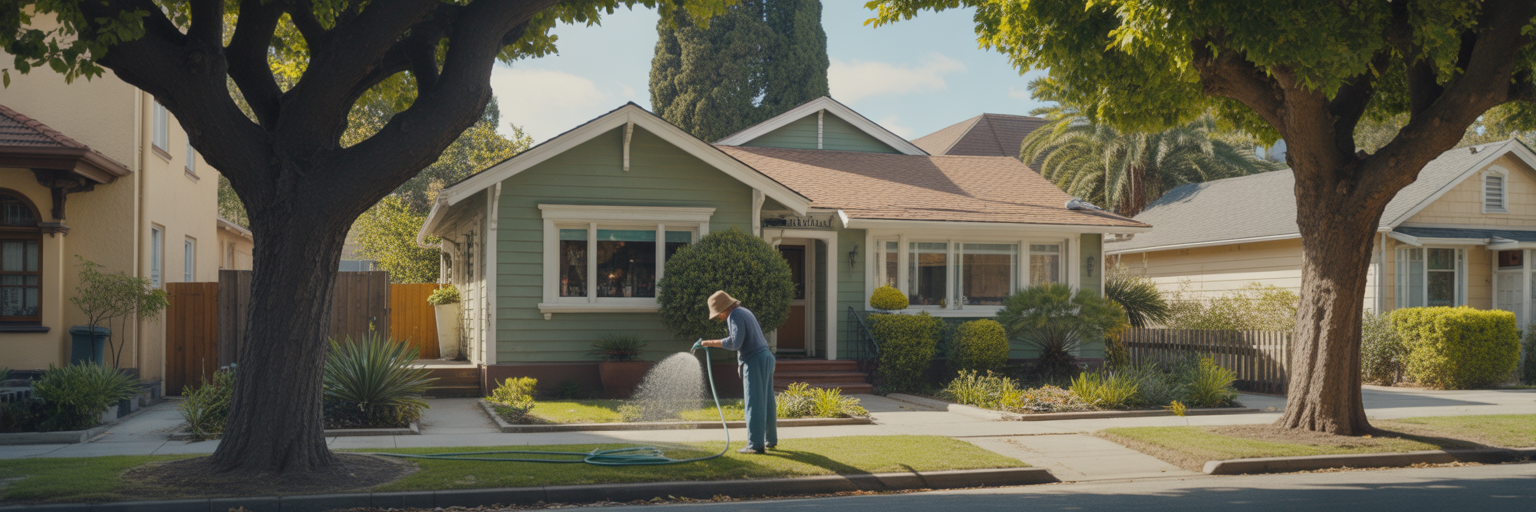
So, what is living in San Jose California, really like day to day? It’s best described as a paradox. The work culture, driven by the relentless pace of the tech industry, is intense and demanding. Yet, outside of work, life unfolds at a surprisingly relaxed, suburban pace. It’s a “hurry up and wait” culture, where you might spend your day in high-pressure meetings but your evening coaching a Little League game. The biggest disruptor to this calm is traffic. It’s a central part of daily life, a constant topic of conversation, and something you learn to plan your entire schedule around.
There’s no way to sugarcoat it: the cost of living is among the highest in the nation. This is almost entirely driven by the staggering cost of housing. It’s the primary challenge of living here and the reason many people are priced out. However, for those who can make it work, the trade-offs are significant. High salaries, unparalleled career opportunities in tech and other industries, and an exceptional quality of life in almost every other aspect are what keep people here.
The community culture is often described as friendly but reserved. People are polite and courteous, but the city’s social fabric isn’t woven in a loud, city-wide identity. Instead, it’s built in smaller, tighter circles, through neighborhoods, schools, and workplaces. This is why the charming “main streets” of surrounding communities, like Lincoln Avenue in Willow Glen or downtown Campbell, are so vital. They provide a walkable, human-scale center for community life that the sprawling city center sometimes lacks.
You can’t discuss life in Northern California without mentioning the weather, but it’s more than just a cliché. The mild, sunny climate is a fundamental lifestyle driver. It’s the reason patios are full year-round, parks are always active, and weekend plans almost always involve being outdoors. This focus on quality of life extends to all areas, with many residents prioritizing community-focused health care options, including personalized dental care services, as part of their lifestyle. Ultimately, the resident experience is a constant balancing act: managing career ambition with a deep desire for a comfortable, active, and family-oriented life. It’s a complex, challenging, and for many, a deeply rewarding place to call home. To continue your journey of authentic travel, you can explore more guides on our main page.