The Heartbeat of a Montana Railroad Town
Before you even set foot in Livingston, you need to understand one thing: this is not a resort town. Its soul was forged not by tourism, but by the raw, industrial power of the Northern Pacific Railroad. That history isn’t confined to a museum. You feel it in the solid brick buildings that line Main Street and see it in the way the town is laid out, a grid of purpose built around the tracks. This is a working town with a creative, rugged spirit, and that’s the first clue to understanding what is Livingston MT like.
Many people compare Livingston to its booming neighbor, Bozeman, but that comparison misses the point entirely. While Bozeman represents the “New West” with its rapid growth and modern sheen, Livingston holds tight to its character. There’s a collective, unspoken agreement here to preserve the town’s historic feel and fiercely independent identity. It’s a place that knows what it is and has no interest in becoming something else.
What truly defines Livingston is its unique cultural blend. On any given day, you’ll find multi-generational ranching families, internationally acclaimed writers and artists, and dedicated fly-fishing guides sharing the same sidewalk. This isn’t a forced coexistence. It’s an authentic mix that creates a vibrant, sometimes gritty, and always intellectually curious energy. The conversations you overhear in a coffee shop are just as likely to be about cattle prices as they are about a new art installation.
With a population hovering around 8,000 people, Livingston is a community in the truest sense of the word. Relationships matter here. Local businesses are the backbone of the economy, and people support them with a loyalty that goes beyond convenience. You don’t just go to the hardware store. You go to see the owner who knows your name and remembers the project you were working on last month. This tight-knit fabric is what makes Livingston more than just a scenic stop. It’s a community with a strong, self-aware identity, proud of its past and protective of its unique character.
Weekend Rituals and Local Pastimes
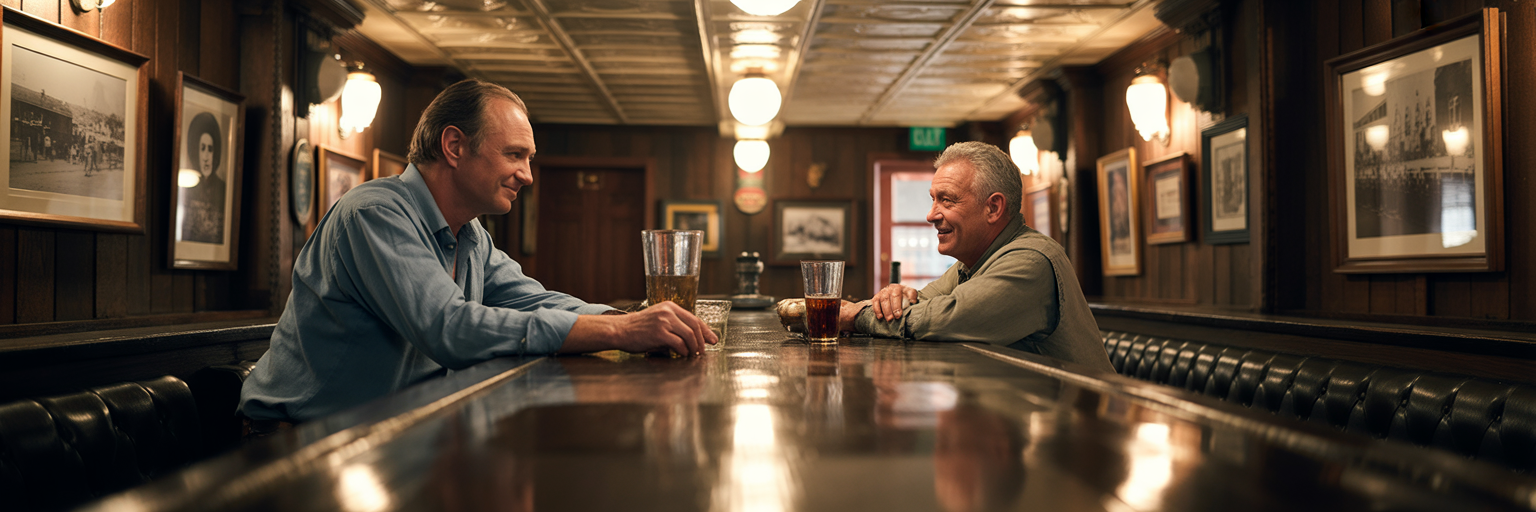
To truly understand Livingston, you have to participate in its rituals. The list of things to do in Livingston MT for a local isn’t about ticking off attractions. It’s about falling into the rhythm of the town, which is dictated by the river, the seasons, and a deep appreciation for community. These are the pastimes that are woven into the fabric of daily life.
Life Along the Yellowstone River
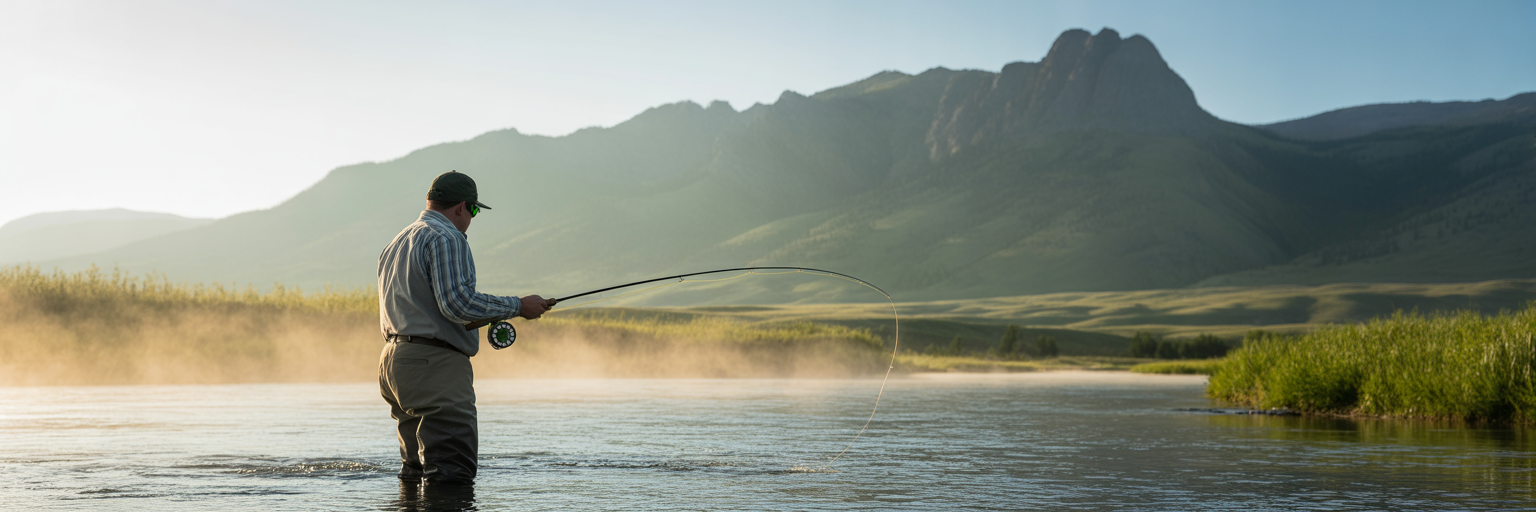
The Yellowstone River isn’t just a scenic backdrop. It’s the town’s shared backyard, a constant presence in our lives. For many, world-class Yellowstone River fishing Livingston isn’t a vacation highlight. It’s a Tuesday afternoon. We don’t just look at the river. We live with it. A morning walk often means a stroll through Sacajawea Park along its banks, watching the light hit the Absaroka mountains. Summer afternoons are for floating, a lazy drift from one access point to another on an inner tube or a raft. Evenings are for skipping rocks at the water’s edge as the sun goes down. The river is where we go to think, to play, and to connect with the natural world that defines this place.
- Mayor’s Landing: This is the classic starting point for a summer float. You’ll see a constant parade of rafts, tubes, and paddleboards launching here for a leisurely trip downstream.
- Ninth Street Island: A popular spot for dog walkers and families, this area offers easy access to the water and plenty of space to roam.
- Sacajawea Park: The heart of the town’s park system, its paths along the river are a daily route for runners, walkers, and anyone needing a moment of peace.
A Saturday Morning Downtown
A Saturday morning in downtown Livingston is a community ritual. It starts with grabbing a coffee from a local shop and then heading to the farmer’s market in the summer. This isn’t just about buying produce. It’s about catching up with neighbors, seeing what local artisans have created, and feeling the pulse of the town. Afterward, the routine often involves a slow browse through the independent art galleries, like the Chatham Gallery, that showcase the incredible creative talent that resides here. All of this happens against the backdrop of historic brick buildings and the soft hum of vintage neon signs, a reminder of the town’s enduring character.
Connecting with History at the Yellowstone Gateway Museum
Locals don’t view the Yellowstone Gateway Museum as a tourist stop. We see it as the keeper of our collective memory. It’s where you go to understand the stories of the families, industries, and events that shaped Park County. As their official site notes, the museum is dedicated to preserving the region’s rich history and its deep connection to Yellowstone National Park. Visiting it feels less like a tour and more like flipping through a family album, connecting us to the generations that came before.
The Local Music and Social Scene
The social scene here revolves around historic venues that feel more like community living rooms than bars. Places like The Bunkhouse are where the town’s diverse cultures truly merge. On any given night, you’ll find ranchers, artists, and fishing guides all enjoying live music together. It’s loud, it’s authentic, and it’s where the real spirit of Livingston comes alive after dark. Finding the right local spots is key to understanding any city’s true character. For more inspiration on how to uncover authentic local culture in other unique American towns, you can explore how another community builds its identity in The Real Conroe, Texas: An Honest Guide to Experiencing It Like a Local.
Discovering Livingston’s Quiet Corners
Beyond the weekend rituals and community hubs lie the quiet corners of Livingston, the places that reveal a deeper layer of the town’s character. These are the hidden gems Livingston Montana that visitors often miss because they aren’t on a map of attractions. They are spots for quiet contemplation and solitary discovery, offering a different kind of connection to the town.
Start with the Livingston Depot Center. Its grand Richardsonian Romanesque architecture is impossible to miss, a proud relic of the railroad boom. It was originally built as the gateway for wealthy tourists heading to Yellowstone National Park. While it now hosts events, the best way to experience it is to visit on a quiet weekday. Stand in the main hall, away from the crowds, and you can almost hear the echoes of steam engines and the chatter of travelers from a century ago. It’s a powerful link to the past that you can feel in the very walls of the building.
For a different kind of perspective, take a drive south through Paradise Valley on Highway 89. This isn’t about getting somewhere. It’s about the journey itself. The drive is framed by the breathtaking views of the Absaroka and Gallatin mountain ranges, two towering walls of rock that define the valley. This immense, powerful landscape is fundamental to the local psyche. It’s a constant reminder of our place in the natural world, and it’s a view that never gets old.
To see how people live, take a walk through the historic residential neighborhoods just off Main Street. A short tour can reveal the town’s history through its homes:
- Start on South 3rd Street and head toward the river. You’ll see a mix of modest bungalows and more ornate homes.
- Turn onto West Geyser Street and notice the beautiful Victorian houses, built with railroad money and a sense of optimism.
- Wander through the side streets, where you’ll find smaller, well-kept homes with gardens that show a deep sense of pride and place.
Finally, pay attention to the small details that give Livingston its visual identity. As dusk falls, look up at the collection of vintage neon signs that cast a cinematic glow over Main Street. During the day, search for the “ghost signs,” the faded, hand-painted advertisements on the sides of old brick buildings. These faint echoes of the town’s commercial past are a subtle but constant reminder of the layers of history that make Livingston what it is today.
Where the Locals Really Eat and Drink
Livingston’s food scene is about character, not trends. You won’t find a lot of fussy, experimental cuisine here. What you will find are honest, well-loved establishments that serve as the heart of the community. The best local restaurants Livingston Montana are the ones with history, a loyal following, and a personality that is inseparable from the town itself. This is a strict no-chains zone. These are the places where we celebrate, commiserate, and gather for a good meal.
The Bunkhouse Saloon: The Quintessential Dive
If you want to find the true pulse of Livingston, go to The Bunkhouse. It is the quintessential local dive bar, and we say that with the utmost affection. It’s unpretentious, a little gritty, and beloved for its role as one of the best live music venues in the area. This is where cowboys and artists drink side-by-side, and no one bats an eye. The formula is simple: a solid burger, a cold beer, and a night of great local or traveling music. It’s a no-frills experience that is 100% authentic Livingston.
The Murray Hotel: Historic Charm and Classic Cocktails
For a more classic Montana experience, locals head to The Murray. Stepping into its historic bar and restaurant feels like stepping back in time. The atmosphere is cozy, a little elegant, and deeply connected to the town’s storied past. This is where you go for a special occasion dinner, a perfectly made Old Fashioned, or just to sit in a comfortable chair and soak in the history. It’s a place that makes you feel connected to the long line of characters who have passed through its doors.
Livingston Bar & Grille: The Town’s Breakfast Hub
The Livingston Bar & Grille is the town’s primary gathering spot for breakfast and lunch. It’s a bustling, friendly place where you are guaranteed to overhear conversations between ranchers discussing the weather, fishing guides talking about the hatch, and families fueling up for the day. It’s the social hub of the morning. Their homemade biscuits and gravy are a local legend and the perfect example of the hearty, comforting food that makes this place a beloved institution.
Gil’s Goods: A Modern Classic with Old-School Soul
Gil’s Goods represents a slightly more modern side of Livingston’s food scene, but it’s no less loved. Known for its excellent wood-fired pizzas, fresh salads, and top-notch coffee, it has become a relaxed, all-day hangout. Its loyal following comes from its consistent quality and its role as a casual meeting place for friends, business lunches, and families. It proves that you can have a modern sensibility while still maintaining an old-school commitment to good food and community. Finding the right local spots is key to understanding any city’s true character. For more inspiration on how to uncover authentic local culture in other unique American towns, check out our other city guides.
| Establishment | Vibe & Atmosphere | Signature Item | Best For |
|---|---|---|---|
| The Bunkhouse Saloon | Authentic, gritty dive bar with live music | The Bunkhouse Burger | A beer, a burger, and local music |
| The Murray Hotel | Historic, classic, and cozy | A perfectly made Old Fashioned | A special occasion or a classic cocktail |
| Livingston Bar & Grille | Bustling, friendly, community hub | Biscuits and Gravy | A hearty breakfast and local chatter |
| Gil’s Goods | Casual, modern, and relaxed | Wood-Fired Pizza | A quality coffee or a casual dinner |
The Rhythm of Daily Life in Paradise Valley
So, after all this, what is Livingston MT like on a daily basis? It’s about embracing a different rhythm. The pace of life here is unhurried. “Traffic” is more likely to be a herd of deer crossing the road or a freight train rumbling through town than a line of cars. This slower pace isn’t about being lazy. It’s about being more present and intentional with your time. It’s a conscious choice to step away from the constant rush that defines so much of modern life.
The local culture is a fascinating blend of rugged Western independence and genuine small-town friendliness. People here value their privacy and self-reliance, but they are also the first to help a neighbor in need or show up for a community fundraiser. A friendly nod or a quick hello to strangers on the street is the norm. There’s an underlying sense of shared identity and mutual respect that holds the community together.
There are practicalities to this life, of course. While housing can be more affordable than in Bozeman, the town’s remote location means that the cost and availability of certain goods can be a challenge. You learn to plan ahead. Life is also completely dictated by the seasons. The long, cold winters are a time for indoor creative pursuits, quiet work, and community gatherings that feel extra cozy against the cold. Then, the short, glorious summers are spent almost entirely outdoors, soaking up every moment of sunshine on the river, in the mountains, or in a backyard with friends.
To live in Livingston is to choose a life deeply connected to nature, to value genuine human interaction over anonymous convenience, and to find contentment in a place with a powerful sense of self. It’s a town that is proud of its past and fiercely protective of its future. This commitment to uncovering the true rhythm of a place is what we strive for in all our local guides. To see how this spirit translates to another unique community, you might find our guide to Getting to Know the Real Bryan, Texas insightful. To continue your journey of discovering authentic American towns, you can explore our full collection of guides on our homepage.