The New Wave of European Travel
The post-2020 era reshaped how we see the world, and for young travellers, the change is profound. The old travelogue of collecting passport stamps has been replaced by a search for genuine connection. It’s no longer about how many cities you can see in a week, but how deeply you can experience one. This shift marks the end of checklist tourism, where seeing the Eiffel Tower was more important than discovering a Parisian neighbourhood.
For adventure travel in Europe 2026, the new philosophy is about immersion. Instead of a frantic ten-day tour across five capitals, imagine spending that time truly getting to know a single city. This isn’t about being stationary; it’s about meaningful engagement. It’s the difference between snapping a photo of a landmark and learning to cook a local dish, or between a guided bus tour and a morning spent kayaking through city canals. This method of seeking authenticity is universal, whether you’re navigating ancient streets or discovering the real Leander, a guide for avoiding the tourist trail in a smaller town.
This approach has a practical side. Improved transport networks and a focus on value have opened up Central and Southern Europe like never before. Cities that were once considered secondary stops are now becoming primary destinations. The appeal of affordable travel in Budapest, for example, isn’t just about saving money. It’s about having the resources to stay longer, explore further, and connect more deeply with the local culture. This guide is built for this new era, offering a curated look at cities that deliver that perfect blend of adrenaline and authenticity.
Amsterdam’s Canals and Creative Energy
Amsterdam is often pictured through a narrow lens of canals and coffee shops, but its true character is far more dynamic. The city is a playground of contrasts, where historic architecture houses a fiercely modern and creative spirit. It’s a place that rewards those willing to look beyond the obvious.
Urban Adventures Beyond the Tourist Trail
Seeing Amsterdam from the water is non-negotiable, but forget the crowded tour boats. Kayaking the canals offers a completely different perspective. Paddling at your own pace, you can appreciate the intricate details of the gabled houses from a unique, water-level view. For a different kind of urban exploration, take the free ferry to NDSM Wharf. This former shipyard is now a sprawling, open-air gallery of industrial art, shipping container projects, and spontaneous cultural events. It’s less a destination and more a living, breathing canvas that changes with every visit.
A Hub of Modern Culture and Sound
While the Rijksmuseum is a must-see, the city’s contemporary scene is where its pulse truly beats. The STRAAT Museum, housed in a massive warehouse, showcases graffiti and street art on a monumental scale, challenging your perception of what a gallery can be. When the sun sets, the Amsterdam nightlife and culture scene comes alive in legendary venues like Paradiso and Melkweg. These former church and dairy factory spaces are institutions that have shaped the city’s musical identity for decades, hosting everything from indie bands to world-renowned DJs. It’s no surprise that Amsterdam is consistently ranked as a top destination, with sources like Norwegian highlighting its unparalleled nightlife and diverse attractions as a major draw for this demographic.
The Evolving Dutch Culinary Scene
Move past the stroopwafels and fries. Amsterdam is experiencing a culinary awakening. Foodhallen, a bustling indoor food market in a converted tram depot, is the perfect place to sample modern Dutch cuisine, which champions farm-to-table ingredients and innovative techniques. For a truly authentic social experience, find a traditional ‘brown cafe’ for ‘borrel’. This cherished after-work ritual of drinks and snacks is the Dutch equivalent of happy hour and the perfect way to feel like a local.
Navigating the City Like a Local
Getting around Amsterdam is simple if you know a few tricks. Ditch the single-use tickets and get an anonymous OV-chipkaart for seamless travel on trams, buses, and metros. While cycling is iconic, it comes with unwritten rules. Here are a few essentials:
- Master the Right of Way: Trams always have priority. Pedestrians and cyclists often have to yield. When in doubt, stop.
- Use Hand Signals: Clearly indicate your turns. A raised hand for stopping and pointing for turning is standard practice.
- Stay in Your Lane: Stick to the red-asphalt bike paths. Wandering into the main road or pedestrian areas is a recipe for disaster.
For a more relaxed visit with fewer crowds, consider visiting in the shoulder seasons of spring or autumn. The city is just as beautiful, but you’ll have more space to breathe.
Munich’s Bavarian Charm and Alpine Thrills
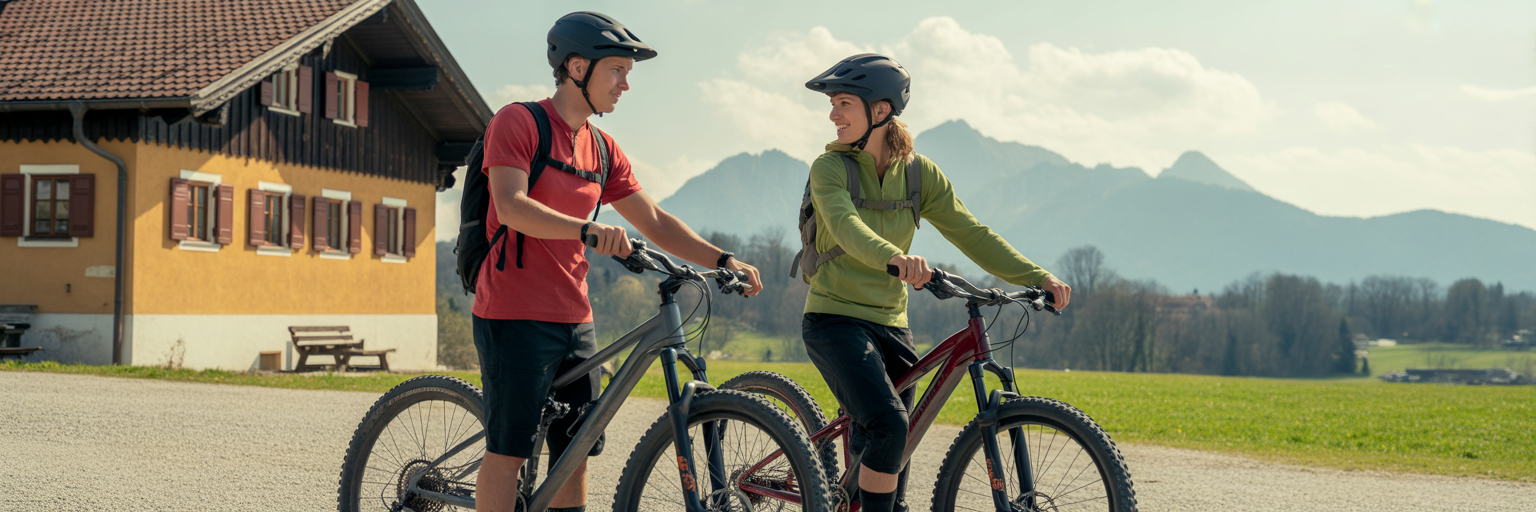
Munich presents a compelling proposition: a sophisticated, culturally rich city that also serves as a gateway to the breathtaking Bavarian Alps. It’s a place where you can admire Renaissance art in the morning and be hiking a mountain trail by the afternoon. This unique duality makes it an ideal basecamp for adventurers who refuse to choose between urban excitement and natural beauty.
The Urban Basecamp for Alpine Adventure
The city’s greatest asset for thrill-seekers is its proximity to the great outdoors. The promise of outdoor activities near Munich isn’t a vague concept; it’s a tangible, easily accessible reality. A quick trip on the S-Bahn can transport you from the city center to stunning natural landscapes. For example, Lake Starnberg is less than an hour away, offering opportunities for swimming, paddleboarding, and lakeside relaxation. The foothills of the Alps are just a bit further, with countless trails for hiking and mountain biking, making spontaneous day trips not just possible, but effortless.
Beer Culture Beyond Oktoberfest
Munich’s beer culture is world-famous, but it extends far beyond the chaos of Oktoberfest. To experience it like a local, spend a sunny afternoon in a traditional beer garden. Here, under the shade of chestnut trees, you’ll find a relaxed, communal atmosphere where people from all walks of life share long wooden tables. For a more unique experience, visit during the Starkbierfest (Strong Beer Festival) in the spring. This local-centric event is a more authentic and less crowded alternative to its famous autumn counterpart. You can also explore the contrast between a historic, cavernous beer hall and the innovative flavors of a modern craft brewery, all within the same city.
A Tapestry of Art, History, and Urban Nature
Munich’s cityscape is a study in contrasts. The historic grandeur of Marienplatz, with its ornate New Town Hall, stands in stark opposition to the clean, modern lines of the Pinakotheken museums, which house one of Europe’s most significant art collections. Perhaps the most potent symbol of Munich’s unexpected spirit is found in the Englischer Garten, one of the world’s largest urban parks. Here, on a man-made channel, you’ll find the Eisbach river wave, where surfers ride a continuous wave year-round, a surprising splash of adventure in the heart of the city.
Maximizing Your Bavarian Journey
Munich’s public transport system is a model of German efficiency, making it easy to explore every corner of the city. For those looking to venture further, the Bayern-Ticket (Bavaria Ticket) is an incredible value. This regional day pass allows up to five people to travel together on regional trains throughout the entire state for a flat fee. It’s the perfect tool for an affordable group excursion to the mountains, a fairytale castle, or a neighboring historic town, proving that Munich offers the best of both worlds without compromise.
Prague’s Gothic Atmosphere and Bohemian Spirit
Prague can feel like walking through a fairytale, but its true magic lies beyond the crowded Old Town Square and Charles Bridge. To really understand the city, you have to venture into its alternative neighborhoods, where a rebellious, bohemian spirit thrives amidst the Gothic spires. This is where you’ll find the authentic heart of Prague, a city that has long inspired artists, writers, and dreamers.
Exploring the City’s Alternative Neighborhoods
Leave the tourist throngs behind and head to districts like Žižkov and Holešovice. Žižkov, known for having one of the highest densities of pubs in Europe, is a gritty, hilly neighborhood with a proudly rebellious history. Its streets are filled with traditional Czech pubs, quirky shops, and the imposing Žižkov Television Tower. In contrast, Holešovice is the city’s post-industrial creative hub. This former factory district is now home to contemporary art galleries, design studios, and some of Prague’s best coffee shops and brunch spots. This principle of looking for the authentic heart of a place is central to meaningful travel, whether you’re in Prague or seeking a local look at the real Baytown, Texas.
Adventure on and Beyond the Vltava River
Seeing Prague’s iconic skyline from the Vltava River is a classic experience, but you can do it without the crowds. Rent a paddleboard or a pedal boat to get those postcard-perfect views of Charles Bridge and Prague Castle on your own terms. For a true escape from the urban environment, take a short tram ride to Divoká Šárka. This vast nature reserve feels worlds away from the city, with rugged cliffs, dense forests, and a winding stream. It’s a favorite spot for locals to hike, swim, and picnic, offering a genuine dose of wilderness just minutes from the city center.
Contrasting the Tourist and Local Nightlife
Prague’s nightlife offers two very different experiences. You can follow the crowds to the massive, multi-story clubs, or you can seek out something more authentic. The real nightlife happens in the city’s hidden cellar bars and traditional ‘pivovars’ (breweries) located in residential neighborhoods. These are the places where you can enjoy some of the world’s best beer for a fraction of the price, surrounded by locals. While absinthe is a famous part of Prague’s lore, avoid the tourist traps. If you’re curious, find a knowledgeable bartender in a respectable cocktail bar who can explain its history and serve it traditionally.
Affordable Culture and Unique Experiences
Prague remains one of Europe’s great cultural bargains. The Prague Visitor Pass can offer good value if you plan to visit multiple attractions, but many of the city’s best experiences are inexpensive or free. You can attend a world-class classical concert in a historic church for a surprisingly low price or discover the city’s long and celebrated tradition of puppet theatre. Exploring the city’s unique blend of Gothic, Baroque, and Art Nouveau architecture is an adventure in itself, proving that rich cultural experiences don’t have to come with a high price tag.
Lisbon’s Coastal Vibe and Creative Renaissance
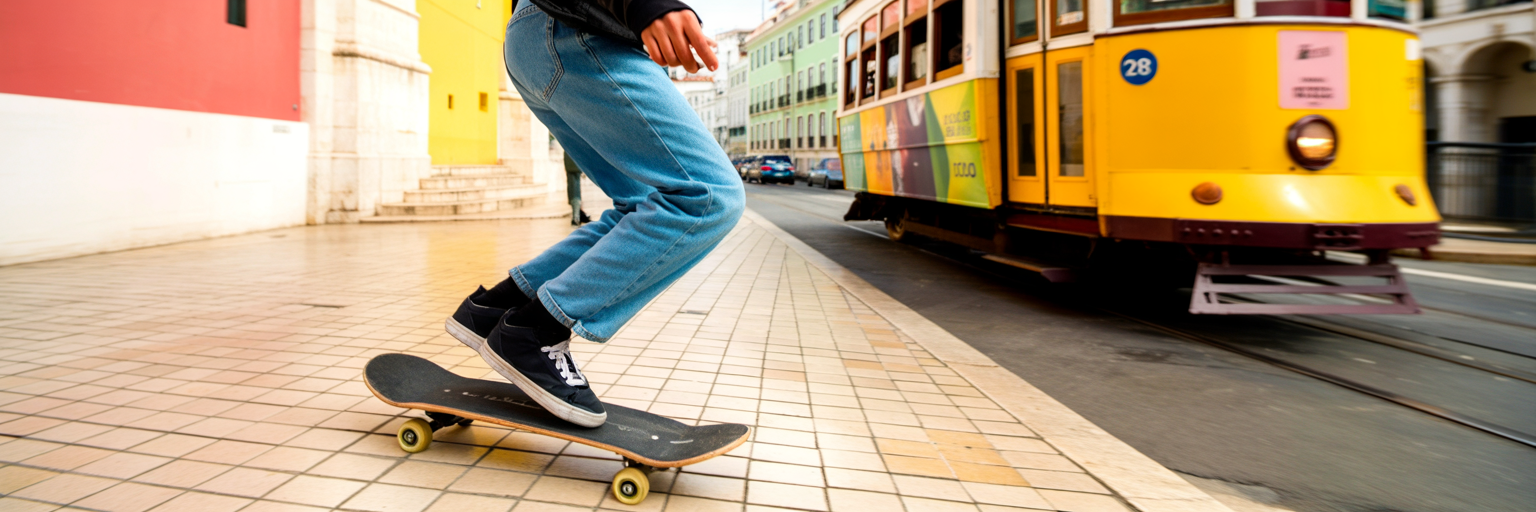
Lisbon’s energy is infectious, defined by its deep connection to the Atlantic Ocean and a recent creative boom that has revitalized the city. It’s a place of steep, cobbled streets, melancholic music, and sun-drenched plazas, where a laid-back coastal atmosphere meets a thriving artistic scene. The city feels both ancient and vibrantly new, inviting you to get lost in its hilly maze.
An Urban Playground on the Atlantic
Lisbon’s proximity to the coast is one of its greatest draws. A short ride on the Cascais train line takes you to surf-friendly beaches like Carcavelos, where you can take a lesson or simply watch the waves roll in. For a different perspective, take the ferry across the Tagus River to Cacilhas. Here, you’ll find some of the best seafood restaurants with stunning, unobstructed views of the Lisbon skyline. An even more memorable experience is a sunset sailing trip on the river, offering a peaceful and breathtaking vantage point as the city’s lights begin to twinkle.
The City’s Creative Rebirth in Former Factories
Nowhere is Lisbon’s creative renaissance more evident than at LX Factory. This sprawling industrial complex, once a collection of abandoned warehouses, is now a buzzing hub of creativity. Inside, you’ll find a bookstore housed in a former printing press, independent design shops, and innovative restaurants. Beyond this central hub, the city’s artistic pulse is felt in the streets. The historic neighborhoods of Alfama and Mouraria are canvases for powerful street art, with murals that often carry sharp political and social commentary, telling the story of modern Portugal.
Immersing in the Sounds and Tastes of Portugal
To understand Lisbon’s soul, you must experience Fado, its traditional music. Characterized by a sense of ‘saudade’—a deep, melancholic longing—it’s best experienced in a small, family-run ‘casa de Fado’ in the Alfama district. While the Time Out Market offers a curated taste of Portuguese cuisine, the real joy comes from discovering a local ‘tasca’. These small, unassuming eateries serve hearty, traditional meals at incredible prices. It’s in these places, over a plate of grilled sardines or bacalhau, that you’ll find the true flavor of Lisbon.
Essential Tips for Navigating the Seven Hills
Lisbon’s geography is famously challenging, but with a few tips, it’s manageable. The city’s seven hills demand comfortable footwear, so leave the fashionable but impractical shoes at home. Here are a few key hacks for getting around:
- Get a Viva Viagem Card: This rechargeable card is the cheapest and easiest way to use the metro, trams, buses, and even some trains and ferries.
- Ride Tram 28 Smartly: This iconic yellow tram gets incredibly crowded. To get a seat, board at the start of the line at Martim Moniz or Campo de Ourique.
- Embrace the Elevators and Funiculars: Lisbon has several historic funiculars and a public elevator (the Santa Justa Lift) designed to help you conquer its steepest hills. They are part of the public transport network.
Budapest’s Grand History and Underground Scene
Budapest is a city of powerful juxtapositions. Imperial grandeur coexists with a gritty, modern subculture, creating an atmosphere that is both elegant and edgy. The Danube River splits the city into two distinct halves: the grand, flat boulevards of Pest and the hilly, historic streets of Buda. It is in this blend of old and new, grand and underground, that Budapest’s unique character is forged.
The Phenomenon of Ruin Bars
The story of Budapest’s ruin bars is the story of its modern reinvention. Born in the early 2000s in the abandoned buildings of the old Jewish Quarter, these bars became symbols of post-communist creativity. They are not just places to drink; they are sprawling, multifaceted cultural hubs filled with mismatched furniture, eclectic art, and a palpable energy. While Szimpla Kert is the most famous, it’s worth seeking out smaller, more intimate options to experience their original, bohemian spirit. This vibrant scene is a cornerstone of affordable travel in Budapest, offering world-class nightlife without the hefty price tag.
The Dual Experience of Thermal Baths
Budapest is known as the “City of Spas,” and its thermal baths offer a fascinating dual experience. By day, historic baths like Gellért or Szechenyi are serene sanctuaries, where you can soak in mineral-rich waters surrounded by stunning Art Nouveau architecture. It’s a relaxing, almost meditative experience. By night, this tranquility is transformed. The world-famous ‘Sparty’ events turn the baths into high-energy, open-air nightclubs with DJs and light shows, offering a completely different, yet equally memorable, way to experience these historic waters.
Adventures Beneath and Across the City
Budapest’s adventurous side extends both below ground and across its green spaces. The hills of Buda are home to an extensive network of caves, and several are open for guided tours. This offers a unique opportunity for caving just a short bus ride from the city center, exploring a hidden world beneath the residential streets. For a more tranquil escape, head to Margaret Island. This large, car-free island in the middle of the Danube is the city’s green lung. Renting a bike or a four-wheeled “bringóhintó” is the perfect way to explore its parks, gardens, and musical fountain.
Embracing the City of Contrasts
To truly appreciate Budapest, you must explore both of its halves. Pest is the bustling commercial and administrative heart, with its grand Parliament building, wide avenues, and vibrant nightlife. Buda is quieter, more residential, and steeped in history, home to Buda Castle, Fisherman’s Bastion, and charming cobblestone streets. Walking across one of the city’s iconic bridges is more than just a way to get from one side to the other; it’s a journey between two different worlds. Budapest’s blend of affordability and rich experiences has made it a standout choice, with Euro City Guide frequently reporting it as a must-visit for young adults. Finding the perfect neighborhood to match your travel style is key, and our collection of city guides is designed to help you do just that.
Barcelona’s Mediterranean Energy and Artistic Soul
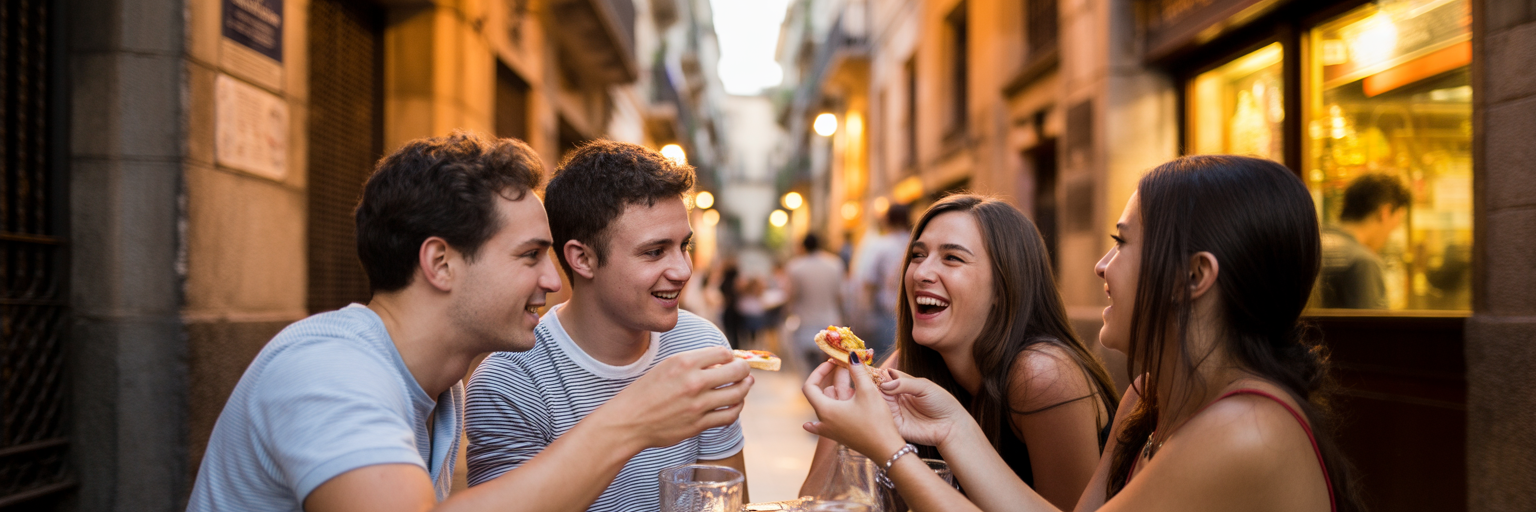
Barcelona pulses with a distinct Mediterranean energy, a city where sun-drenched beaches, surreal architecture, and a fierce Catalan identity converge. To truly connect with its artistic soul, you need an insider’s perspective that guides you away from the tourist-clogged arteries and into the vibrant neighborhoods and local traditions that make the city so captivating.
Beyond Barceloneta: Better Beaches and Mountain Escapes
While Barceloneta is the most famous city beach, it’s often overcrowded and chaotic. For a more relaxed experience, head further up the coast to beaches like Bogatell or Mar Bella. These spots offer more space, cleaner sand, and a more local crowd. But Barcelona’s natural beauty isn’t limited to its coastline. For a dose of adventure, take the funicular up to Tibidabo or Montjuïc. Both hills offer extensive hiking trails and, more importantly, panoramic views of the entire city stretching out to the sea. The perspective from above is a rewarding escape from the urban bustle.
Understanding the City’s Artistic DNA
Antoni Gaudí’s fantastical creations are synonymous with Barcelona, but his work is part of a broader movement. To truly appreciate his genius, it helps to understand Catalan Modernisme, the artistic and cultural revolution he championed. His work doesn’t exist in a vacuum. A great way to see this is by taking a self-guided walking tour that connects his architectural marvels with the formative years of other Spanish masters. Start at the Picasso Museum in El Born, then wind your way to the Miró Foundation on Montjuïc, seeing how the city’s creative spirit influenced each of them in different ways.
A Guide to the ‘Barrios’ and Their Personalities
Choosing where to stay or spend your time in Barcelona can shape your entire trip. Each neighborhood, or ‘barrio’, has a distinct personality.
- Gràcia: Once a separate town, Gràcia retains a bohemian, village-like feel with its leafy plazas, independent boutiques, and vibrant local community.
- El Born: This trendy district combines historic charm with chic cocktail bars, artisan shops, and the magnificent Basilica de Santa Maria del Mar.
- El Raval: Edgy, multicultural, and unapologetically authentic, El Raval is home to the MACBA contemporary art museum, vintage stores, and a dynamic, evolving identity.
Exploring these barrios is the key to finding the Barcelona that resonates with you.
Catalan Cuisine and Nightlife, Demystified
Barcelona’s culinary scene is distinctly Catalan. Before dinner, embrace the local tradition of ‘fer el vermut’ (having a vermouth), a social ritual enjoyed in neighborhood bodegas. While tapas are famous, they are best sought in specific areas like Carrer de Blai in Poble-Sec, known for its ‘pinchos’ bars. When it comes to nightlife, avoid the commercial, overpriced clubs at Port Olímpic. The best experiences are found in the intimate cocktail bars of the Gothic Quarter or the live music venues and lively plazas of Gràcia, where the night unfolds at a more relaxed, authentic pace.
Choosing Your Perfect European Experience
With so many incredible options, selecting the right city comes down to matching your personal travel style with what each destination offers. This isn’t about finding the “best” city, but the best city for you. The goal of modern travel is to craft a journey that feels personal and fulfilling, a trip that balances adventure with genuine cultural immersion.
To help you decide, here is a quick summary of what makes each city unique.
| City | Best For (Vibe) | Top Adventure | Top Cultural Experience |
|---|---|---|---|
| Amsterdam | Creative energy and canal-side cool | Kayaking the canals or exploring NDSM Wharf | Discovering the STRAAT Museum and iconic music venues |
| Munich | Urban comfort meets Alpine access | Day-tripping for hikes in the Bavarian Alps | Experiencing a traditional beer garden atmosphere |
| Prague | Gothic mystery and bohemian rebellion | Hiking in Divoká Šárka nature reserve | Exploring hidden bars in the Žižkov district |
| Lisbon | Coastal relaxation and creative renaissance | Learning to surf at Carcavelos beach | An intimate Fado performance in Alfama |
| Budapest | Grandiose history meets underground grit | Caving in the Buda Hills | A night at a multifaceted ruin bar |
| Barcelona | Mediterranean energy and artistic soul | Hiking the hills of Montjuïc for panoramic views | Exploring the distinct character of the Gràcia ‘barrio’ |
Ask yourself: Is accessible nature or a world-class art scene your top priority? Are you drawn to historic grandeur or a gritty, modern subculture? Answering these questions will point you toward the experience you’re truly seeking. These destinations are some of the best European cities for young people because they offer depth and diversity. Your journey doesn’t have to end here; this trip could be the start of exploring ‘second cities’ or lesser-known regions, turning adventure into a continuous journey of discovery. The best cultural city breaks Europe has to offer are the ones you design yourself. Wherever your travels take you, the guides at When In Your City are dedicated to helping you find the authentic experiences that make a trip unforgettable.