Getting the Feel of Track Town USA
Most people know Eugene by its nickname, “Track Town USA,” a nod to its deep roots in American running history. But that title is more than just a historical footnote. It’s a living ethos that shapes the city’s active, outdoor-focused culture. This isn’t just another travel article; it’s a look into the real Eugene, part of a series of city guides designed to help you experience a place like you live there.
To understand Eugene, you have to see it as a meeting point of three distinct forces. First, there’s the intellectual and youthful energy that radiates from the University of Oregon, keeping the city’s ideas fresh and its spirit progressive. Second is the athletic discipline inherited from its track and field legacy, which you can feel in the sheer number of people running, hiking, and biking at any given moment. Finally, there’s the persistent, unmistakable spirit of 1960s counter-culture, a gentle rebellion against conformity that still defines the city’s soul.
These elements combine to create a place that is simultaneously ambitious and relaxed, forward-thinking yet deeply connected to its natural surroundings. Nestled in the southern Willamette Valley, the city is cradled by green hills. The Willamette River isn’t just a landmark; it’s the city’s central artery, with bike paths tracing its banks and serving as a primary corridor for daily life. The surrounding buttes, particularly Skinner and Spencer, are constant, green backdrops that anchor the skyline and call residents outdoors.
With a metro population of around 350,000, Eugene hits a sweet spot. It’s large enough to support a diverse culture, a vibrant food scene, and interesting amenities, but small enough to avoid the crushing anonymity of a major metropolis. You can still run into people you know at the grocery store. This size helps foster a genuine sense of community across the various Eugene Oregon neighborhoods, from the quiet, family-oriented South Hills to the artsy and eclectic Whiteaker.
The city’s counter-culture history isn’t just a story; it’s visible in the fabric of daily life. You see it in the thriving food co-ops, the fierce loyalty to independent businesses over national chains, and a general embrace of doing things your own way. It’s a city where individuality isn’t just tolerated, it’s celebrated.
How Eugene Spends Its Free Time
Forget the typical tourist checklists. The best local things to do Eugene offers are woven into the weekly and seasonal rhythms of the city. These are the rituals that define the local lifestyle, centered on nature, community, and a healthy dose of fresh air.
The Butte Hiking Ritual: Skinner and Spencer
Every local has an opinion on the city’s two main buttes, and they serve very different purposes. Skinner Butte is the quick fix. It’s the after-work hike for a dose of nature when you only have an hour, offering a fantastic, close-up view of downtown. You can even drive most of the way up for a low-effort sunset. Spencer Butte, on the other hand, is the weekend commitment. It’s a proper hike, a rewarding workout that culminates in a breathtaking 360-degree panoramic vista of the entire Willamette Valley. Reaching the top feels like an accomplishment, and it’s the go-to spot for showing off the region’s beauty to visiting friends and family.
| Feature | Skinner Butte | Spencer Butte |
|---|---|---|
| Accessibility | Very easy; can drive most of the way up, short walk to the top. | Requires a moderate hike; several trail options of varying difficulty. |
| The View | Direct, close-up view of downtown Eugene, the Willamette River, and the trainyard. | Expansive 360-degree panoramic view of the entire Willamette Valley. |
| Time Commitment | Less than an hour for a quick visit. | 1.5 to 3 hours, depending on the trail and pace. |
| Local Use Case | A quick dose of nature, a lunch break spot, or an easy sunset view. | A proper workout, a weekend hiking tradition, or for showing off the valley to visitors. |
Life on the Willamette River
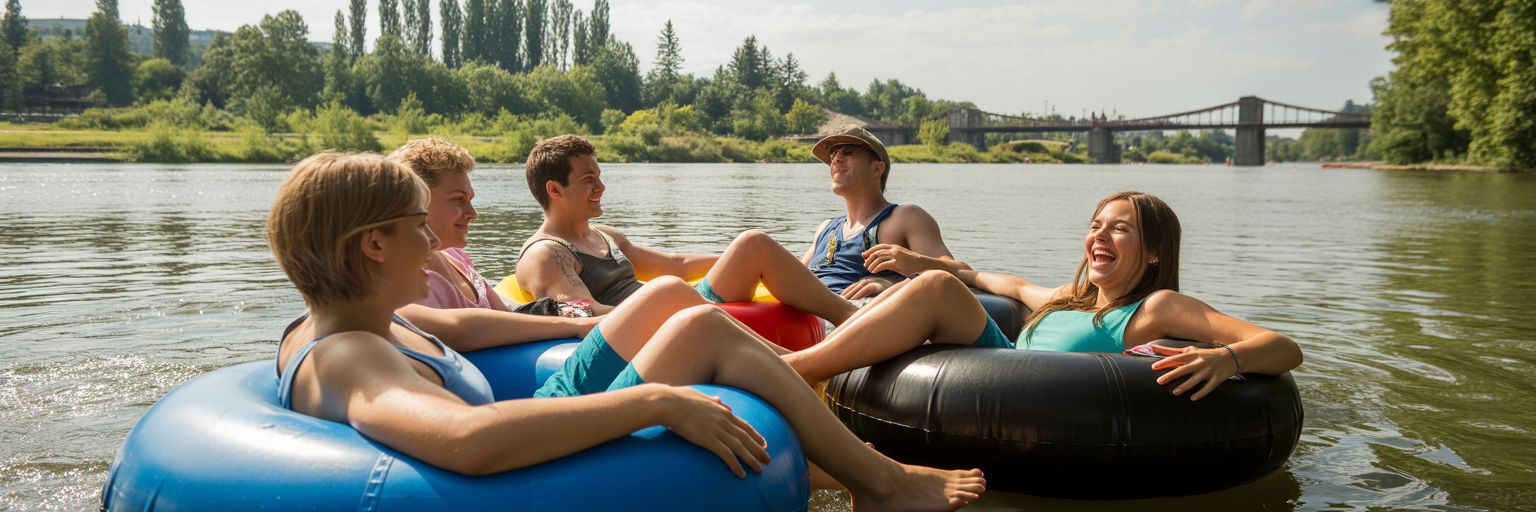
When summer finally arrives, the Willamette River becomes the city’s playground. The quintessential Eugene experience is grabbing an inner tube and floating the gentle current from Alton Baker Park downriver. On any sunny weekend, the water is dotted with colorful flotillas of locals soaking up the sun. But the river is a year-round asset. The Ruth Bascom Riverbank Path System is a sprawling network of paved trails that serves as a primary corridor for recreation and transportation. It’s where people go for their morning run, their evening bike ride, or their commute to work, offering a scenic and peaceful alternative to city streets.
The Weekend Social Hub: Saturday Market
Running from April through November, the Saturday Market is the social heart of Eugene. It’s far more than a farmers market or a craft fair. It’s the city’s living room, a weekly gathering spot where you go to listen to live music, grab lunch from one of the international food stalls, and catch up with friends. The air is filled with the sounds of drum circles, the smell of fresh-baked goods, and the chatter of the community. It’s a place for people-watching and connecting, a vibrant, colorful expression of Eugene’s creative and communal spirit.
Signature Annual Events
While Eugene hosts many events, a few are cherished community traditions. The Oregon Bach Festival is a world-class classical music event that draws international talent, but locals embrace it as a sophisticated part of the summer cultural calendar. On the other end of the spectrum, the Eugene Celebration (when it happens) is a quirky, homegrown parade and party that perfectly captures the city’s fun-loving and eccentric side. These aren’t just spectacles for outsiders; they are events that locals actively participate in and look forward to each year.
Exploring Eugene’s Quieter Corners
Beyond the well-trodden paths are the neighborhoods, parks, and drives that hold the city’s true character. These are the Eugene Oregon hidden gems that locals cherish, places that offer a deeper, more authentic sense of place.
The Whiteaker: Eugene’s Bohemian Heart
Often called “the Whit,” the Whiteaker neighborhood is the undisputed epicenter of Eugene’s artistic and counter-culture soul. A walk through its streets is a sensory experience. You’ll see vibrant, large-scale murals on the sides of buildings, smell the hops from pioneering breweries like Ninkasi and Oakshire, and feel the fiercely independent, community-centric vibe. It’s a neighborhood of artists, activists, and artisans, home to community gardens, quirky shops, and some of the city’s most beloved local hangouts. It’s gritty, creative, and unapologetically Eugene.
A Glimpse into the Past: Historic Landmarks
Eugene’s history is more subtle than in other cities, but it’s there if you know where to look. The Shelton McMurphey Johnson House, a striking Queen Anne-style Victorian mansion perched on the side of Skinner Butte, is a beautiful architectural anomaly that offers a window into the city’s early days. For a broader perspective, a quiet walk through the East Skinner Butte Historic District reveals a collection of well-preserved early 20th-century homes that tell the story of Eugene’s origins before the counter-culture movement redefined its identity.
Underrated Green Spaces
While everyone knows the river path, locals have their favorite quiet green spaces. Amazon Park in South Eugene is a sprawling urban oasis with an extensive network of running trails, a popular dog park, and thriving community gardens. It’s a functional, well-loved park that serves the daily needs of the surrounding neighborhoods. For a more tranquil experience, the Owen Rose Garden, located near the Washington-Jefferson Street Bridge, is a fragrant, peaceful sanctuary. It’s the perfect spot for a quiet stroll or a moment of reflection away from the city buzz.
The Classic Scenic Escape: McKenzie River Highway
When locals need a true escape, the go-to route is the McKenzie River National Scenic Byway (Highway 126). This classic day trip follows the path of the stunningly clear, turquoise McKenzie River into the Cascade Mountains. The drive itself is beautiful, winding through lush forests. It’s the access point for some of Oregon’s most iconic natural wonders, including the powerful, misty cascades of Sahalie and Koosah Falls and the surreal blue of Tamolitch Pool. This connection to nature is a core part of the local identity. As highlighted by local adventure outfitters, the easy access to world-class hiking, kayaking, and cycling is a primary reason many people choose to live here.
The Definitive Eugene Eats List

The food scene is one of the clearest expressions of Eugene’s values: independent, community-focused, and deeply connected to the bounty of the Pacific Northwest. You won’t find the best local restaurants Eugene has to offer by looking for big names or flashy chains. Instead, you’ll find them in bustling neighborhood spots and institutions that have earned a loyal following over decades. This focus on independence creates a unique culinary landscape. It’s a trait shared by other cities with strong local roots; for instance, the food scene we explored in our guide to Bryan, Texas is also defined by its family-owned establishments. In Eugene, this translates to a foundation of fiercely independent and community-focused restaurants.
- The Farm-to-Table Icon (Marche): Located in the stylish 5th Street Market, Marche is the quintessential Eugene special occasion restaurant. For years, it has been a pioneer of the farm-to-table movement, with a menu that beautifully showcases the best of local Oregon ingredients. It’s where you go for an anniversary dinner or to celebrate a graduation, confident that the meal will be elegant, fresh, and deeply rooted in the region.
- The Embodiment of Eugene Values (Cornbread Cafe): This all-vegan comfort food spot is Eugene in a nutshell. It’s unpretentious, progressive, and serves delicious, hearty food that satisfies vegans and omnivores alike. Their signature dish, the “Eugenewich,” is a massive, Southern-fried tofu patty on a roll that has become a local legend. It’s a perfect reflection of the city’s plant-based culture.
- The Brunch Institution (The Vintage or Off the Waffle): Weekend brunch is a serious ritual in Eugene, and places like The Vintage and Off the Waffle are the temples. The Vintage is known for its creative cocktails and fondue, while Off the Waffle serves authentic Liège waffles with an endless variety of sweet and savory toppings. The food is great, but the experience is about the lively, social atmosphere and the feeling of community.
- The Neighborhood Go-To (Tacovore or Fisherman’s Market): These spots represent the reliable, everyday favorites that locals depend on. Tacovore is beloved for its inventive tacos, potent margaritas, and a perpetually packed patio that’s one of the best hangouts in the city. For something completely different, Fisherman’s Market is the undisputed champion of fresh, no-frills seafood. Their fish and chips are legendary, and it’s the place everyone trusts for high-quality fish to take home.
- The Communal Dining Scene (Ninkasi or Oakshire Breweries): In Eugene, breweries are community hubs, not just bars. Both Ninkasi and Oakshire have expansive beer gardens that are almost always filled with a rotating selection of local food trucks. This casual, communal dining style is a key part of Eugene’s food culture. You grab a world-class beer, order from a couple of different trucks, and share a picnic table with friends and strangers.
What It’s Really Like to Live in Eugene
For anyone considering moving to Eugene Oregon, it’s important to understand the realities of daily life beyond the hiking trails and breweries. The city’s pace is intentionally slower and more relaxed than that of a major metropolis. There’s a sense that people here prioritize life over work, and the social environment reflects that. The culture is casual, and conversations with strangers at the dog park or in line for coffee are common, often rooted in shared values like a love for the outdoors or a commitment to sustainability.
From a practical standpoint, life is relatively convenient. Traffic is manageable compared to other West Coast cities, though certain corridors can get congested. More importantly, Eugene is one of the most bike-friendly cities in the country, with an extensive network of paths that people use for actual commuting, not just recreation. It’s entirely possible to live here and rely on a bike as your primary mode of transportation.
The cost of living in Eugene Oregon presents a balanced picture. Housing is the most significant expense and can be a challenge, a common issue in desirable West Coast towns. However, many residents see this as a trade-off for an exceptionally high quality of life, unparalleled access to nature, and a strong, safe community. This strong sense of local identity is a powerful draw. It’s a theme we see in other places where community plays a central role, like in our honest guide to Conroe, Texas.
Finally, you have to be realistic about the weather. The Pacific Northwest is famous for its rain for a reason. Winters are long, gray, and drizzly. It’s not a constant downpour, but a persistent dampness that lasts for months. Locals adapt by investing in good rain gear and embracing cozy indoor activities. But the reward for enduring the gray is the summer. From July through September, Eugene is glorious. The sun comes out, the days are long and warm, and the entire city moves outdoors, fueled by a collective appreciation for the precious, sun-drenched season. This focus on community and quality of life is a defining characteristic, with institutions like the University of Oregon noting the city’s balance of a relaxed vibe with a rich cultural and outdoor scene.