Understanding the Heart of North Idaho
Before Coeur d’Alene became a postcard, it was a frontier town forged by grit. The discovery of lead and silver in the Silver Valley during the 1880s set the tone for a place built on timber, mining, and hard work. That rugged, blue-collar identity hasn’t vanished. It lingers in the unpretentious attitude of its long-time residents and the quiet self-reliance you feel just a few blocks away from the polished downtown waterfront.
This is the essential truth of Coeur d’Alene, or CDA as everyone calls it. It’s a city of two minds. On one hand, you have the shimmering lake, the world-famous golf course, and a reputation as a high-end resort destination. On the other, you have a community with deep roots in the surrounding mountains and forests, where life is dictated by the seasons and a connection to the outdoors is non-negotiable. This contrast is what makes the city’s culture so unique. The approach of looking beyond the postcard view is central to understanding any city’s true character, a philosophy we apply to all our city guides.
The rhythm of life here changes dramatically with the weather. Summer is a vibrant, almost chaotic burst of energy, with boats filling the lake and visitors packing Sherman Avenue. But when the first snow falls, the town exhales. Winter brings a quiet, introspective mood, where community life moves indoors to cozy breweries and neighborhood gatherings. This seasonal shift is a fundamental part of living in Coeur d’Alene Idaho.
You can’t talk about CDA without mentioning its close relationship with Spokane, Washington, just a 40-minute drive west. For locals, Spokane is the go-to for major shopping trips, concerts, and flights out of its international airport. This proximity creates a shared Pacific Northwest mindset, blending Idaho’s independent spirit with Washington’s more progressive leanings. It’s a small town grappling with rapid growth, a place where people still know their neighbors but also talk openly about rising home prices and the summer traffic. Understanding this foundation is the first step to seeing CDA for what it truly is: a hardworking town in a beautiful dress.
Weekend Routines of a CDA Resident
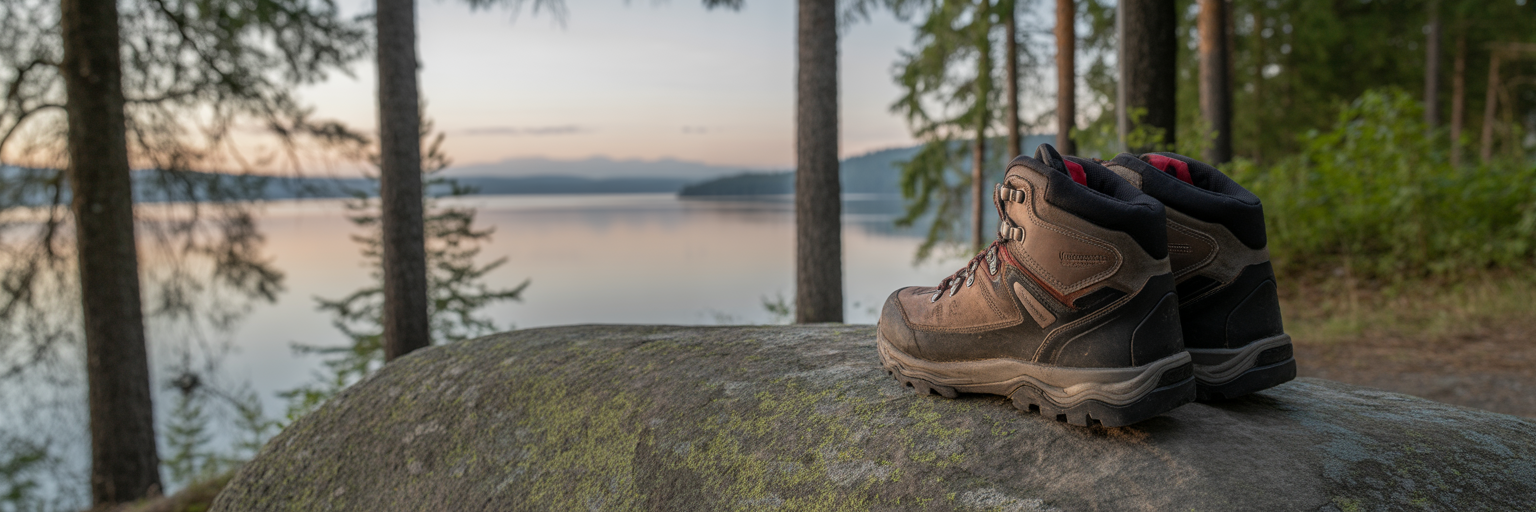
To find the best things to do in Coeur d’Alene, you have to think less like a tourist ticking off a list and more like a local following their weekend rituals. These routines are woven into the fabric of the community and are almost always centered on the outdoors. It all starts with the Tubbs Hill hike. This isn’t just a trail; it’s a daily constitutional for hundreds of residents. The two-mile loop, just steps from downtown, is a complete sensory immersion. You smell the warm pine needles underfoot, hear the gentle lapping of water in the quiet coves where locals take a quick dip, and feel a world away from the city buzz.
Locals have a different relationship with the lake itself. While tourists flock to the main public beaches, residents know the quieter access points. We launch kayaks from the sandy shores of Sanders Beach on the east side of Tubbs Hill or head to the less-crowded Fernan Lake just a five-minute drive away. A perfect summer evening isn’t about fighting for a table at a waterfront restaurant. It’s about packing a cooler and taking a pontoon boat out for a sunset cruise on a Tuesday, when the water is calm and you feel like you have the lake to yourself. Early mornings are for fishing, chasing the Chinook salmon that make the lake a premier angling destination.
Downtown’s Sherman Avenue is another place with a split personality. For visitors, it’s about souvenir shops and ice cream. For locals, it’s where you grab a coffee, meet friends at a brewery like Daft Badger or Paragon, and spread out a blanket for a free concert at McEuen Park. The real weekend social hub, however, is the Kootenai County Farmers’ Market. Held on Saturdays in Hayden and Wednesdays on Sherman Avenue, it’s a non-negotiable stop for fresh produce, local honey, and conversations with the people who grow your food.
A perfect local Saturday might look something like this:
- 8:00 AM: A brisk walk or run around the Tubbs Hill loop to start the day.
- 10:00 AM: Head to the farmers’ market to stock up on vegetables, huckleberry jam, and maybe a fresh-baked pastry.
- 1:00 PM: Grab a sandwich from a local deli and head to an access point along the Centennial Trail for an afternoon paddle on the Spokane River.
- 5:00 PM: Meet friends at a neighborhood brewery for a pint before heading home for a backyard barbecue.
Even major events like the Ironman triathlon are experienced differently. Instead of just being spectators, locals are the volunteers handing out water, the families cheering from their front lawns along the course, and the community that makes the massive event feel personal. This mindset of seeking out authentic experiences is similar to how residents in other growing areas, like those exploring Leander, Texas, prefer to stick to the local-approved trails. It’s about participating in the life of the city, not just observing it.
Places You Won’t Find on a Postcard
If you really want to feel like you’ve been let in on a secret, you have to explore the Coeur d’Alene hidden gems that exist just beyond the well-trodden paths. These are the spots locals cherish for their quiet beauty and lack of crowds. Instead of fighting for a patch of sand at the main city beach, drive five minutes east to Fernan Lake Village. It’s a smaller, quieter lake perfect for a peaceful morning of fishing or kayaking, with easy public access and a fraction of the people.
For a dose of history and reflection, take the 25-minute drive east to the Cataldo Mission. As Idaho’s oldest standing building, this beautifully preserved church offers a tangible connection to the region’s past. It’s a quiet, contemplative escape that puts the area’s modern development into perspective. The appeal of these quiet corners is universal, much like the simple pleasures found when discovering Mansfield, Texas.
While most visitors drive the northern route around the lake, locals know the real beauty is on the southern leg. The Lake Coeur d’Alene Scenic Byway (Highway 97) is a winding, dramatic road that hugs the cliffs along the lake’s eastern shore. The drive itself is the destination, with stunning elevated viewpoints and pull-offs that offer breathtaking panoramas without a tour bus in sight. It’s the drive you take to clear your head.
Back in town, one of the best-kept secrets is Atlas Park. Tucked away along the Spokane River, this unassuming park has a beautiful, quiet sandy beach and a paved trail that follows the water. It’s where locals go to walk their dogs, launch their paddleboards, and enjoy the river away from the boat traffic of the main lake. Even the city’s most famous landmark, the floating green at The Coeur d’Alene Resort Golf Course, has a local-approved way to be seen. Instead of paying for an expensive round of golf, rent a kayak and paddle right up to it. You get a unique, water-level view for free and a story that’s far more interesting.
| Tourist Hotspot | The Local Alternative | Why Locals Prefer It |
|---|---|---|
| Main Lake Access at McEuen Park | Fernan Lake or Atlas Park Beach | Far fewer crowds, easier parking, and a more peaceful atmosphere. |
| Playing the Floating Green Golf Hole | Kayaking/Paddleboarding Near the Green | Free, offers a unique water-level view, and avoids the high cost. |
| Shopping on Sherman Avenue | Kootenai County Farmers’ Market | Supports local artisans, offers fresh produce, and is a true community hub. |
| Driving the Northern Lake Route | The Southern Scenic Byway (Hwy 97) | More dramatic elevation changes, stunning viewpoints, and less traffic. |
This table contrasts common visitor activities with the preferred local versions, focusing on authenticity and avoiding crowds.
The CDA Local’s Dining Table

To find the best local restaurants Coeur d’Alene has to offer, you have to follow one simple rule: ignore any place you’ve ever seen a commercial for. The soul of the city’s food scene is in its independent, locally owned establishments, many of which have been community fixtures for decades. These are the places with history, character, and fiercely loyal followings.
For a loud, fun, and completely unpretentious meal, you go to Capone’s Pub and Grill. With locations in CDA, Post Falls, and Hayden, it’s a beloved local chainlet that feels like a classic sports bar. The walls are covered in memorabilia, the beer flows freely, and the sandwiches are legendary. You haven’t really eaten at Capone’s until you’ve tried to finish “The Godfather,” a massive pile of roast beef, ham, and pepperoni on a toasted roll.
When the occasion calls for something a bit more refined but still comfortable, locals head to The Coeur d’Alene Cellars. It’s an active winery with an intimate tasting room that serves incredible food. It’s the perfect spot for a special night out that doesn’t feel stuffy. The staff knows their wine, and the small plates are designed to pair perfectly with what’s in your glass. It feels less like a restaurant and more like you’re a guest at a private winery dinner.
If you’re looking for the best breakfast Coeur d’Alene can serve up, there’s only one answer: Michael D’s Eatery. This place is a breakfast institution. The line out the door on a weekend morning isn’t a deterrent; it’s a badge of honor. It means you’ve arrived at the right place. The atmosphere is classic diner, the service is fast and friendly, and the food is consistently excellent. The huckleberry pancakes are a must-try, a true taste of North Idaho.
On Sherman Avenue, amidst the tourist-focused eateries, Fire Artisan Pizza stands out as a modern classic that locals genuinely love. The centerpiece is a massive wood-fired oven that churns out pizzas with a perfectly blistered crust. The toppings are creative, the salads are fresh, and the atmosphere is always buzzing. It’s the go-to for a casual but high-quality dinner downtown. For a cozy neighborhood vibe outside the downtown core, Wolf Lodge Brewing is a community hub. Its rustic taproom is a favorite gathering spot for people who live on the east side of town, offering great craft beer and a relaxed atmosphere away from the summer crowds.
- Capone’s Pub and Grill: Loud, fun, and unpretentious. The quintessential local sports pub.
- The Coeur d’Alene Cellars: Intimate, refined, and wine-focused. Perfect for a date night.
- Michael D’s Eatery: Classic, bustling, and traditional. The undisputed king of breakfast.
- Fire Artisan Pizza: Modern, lively, and consistently delicious. A downtown favorite.
- Wolf Lodge Brewing: Cozy, rustic, and community-oriented. A true neighborhood taproom.
Once you’ve tasted what Coeur d’Alene has to offer, you might be curious about the local food scenes in other cities we’ve covered.
The Rhythm of Daily Life in Coeur d’Alene
Understanding the day-to-day reality of living in Coeur d’Alene Idaho means appreciating its unique pace, which can best be described as “hurriedly relaxed.” People are busy, but never too busy for a moment of connection. This is perfectly captured by the “CDA nod,” the friendly wave or head nod exchanged between drivers at four-way stops. It’s a small gesture, but it speaks volumes about the persistent small-town friendliness that endures despite the city’s growth.
The most defining characteristic of life here is the tale of two seasons. Your entire social calendar and daily routine are dictated by the weather. Summer is an explosion of outdoor activity. Life is lived on the lake, on the trails, and on patios. The social scene is spontaneous and outward-facing, fueled by long daylight hours and an influx of visitors. Traffic on Highway 95 becomes a daily frustration, and downtown parking is a competitive sport. Locals learn to use side streets and do their errands at off-peak hours.
Then, the first significant snowfall happens, and the entire town seems to take a collective breath. Winter is quiet, slow, and introspective. The social scene moves indoors to breweries, living rooms, and community events. The focus shifts from the lake to the mountains, with weekends dedicated to skiing at Schweitzer or Silver Mountain. Traffic disappears, and a peaceful calm settles over the city. This seasonal duality isn’t just a weather pattern; it’s the fundamental rhythm of life.
It’s impossible to discuss daily life without honestly addressing the cost of living. Housing prices have risen sharply, and it’s a major topic of conversation and concern among residents. However, other daily expenses remain more reasonable than in larger Pacific Northwest cities like Seattle or Portland. At its core, the community values a fierce love for the outdoors, a genuine commitment to supporting local businesses, and a healthy blend of rugged self-reliance and neighborly spirit. That is the true feeling of being a resident in Coeur d’Alene.
| Aspect of Life | Summer (June-August) | Winter (December-February) |
|---|---|---|
| Pace of Life | Energetic and fast-paced | Slow, quiet, and introspective |
| Main Activities | Boating, hiking, patio dining, festivals | Skiing, snowshoeing, cozying up in breweries |
| Traffic | Heavy, especially on Hwy 95 and downtown | Minimal to non-existent |
| Social Scene | Outward-facing, spontaneous, tourist-heavy | Inward-facing, planned, community-focused |
This table illustrates how the distinct seasons shape the daily experience and social rhythm for residents in Coeur d’Alene.