Most people know Boulder, Colorado, from a distance. They see postcards of the iconic Flatirons, those slanted sandstone slabs that lean against the sky, and assume they understand the place. But to truly get Boulder, you have to realize those mountains are not just a backdrop. They are an active participant in the city’s daily life, a constant invitation that shapes everything from work schedules to weekend plans.
The Spirit of the Boulder Valley
Boulder is a surprisingly compact city. With a population just over 100,000 and boasting more than 300 days of sunshine annually, as highlighted by the City of Boulder’s official visitor information, the environment is primed for an outdoor-centric lifestyle. But the postcard image often misses the city’s true character. The old “hippie” stereotype from the 1960s is a lazy and outdated shorthand for what Boulder has become. Today’s vibe is a unique fusion of high-level academia, driven by the University of Colorado, and intense scientific innovation, thanks to a cluster of federal labs and a thriving tech startup scene.
This is a town of PhDs who are also elite rock climbers, entrepreneurs who start their day with a trail run, and wellness advocates who are also data scientists. There is a shared ethos here that values both intellectual rigor and physical well-being. You feel this contrast in the city’s layout. The social core is the pedestrian-only Pearl Street Mall, a four-block stretch of boutiques, restaurants, and street performers where the entire town seems to congregate on a warm evening. Yet, just minutes away lie 45,000 acres of protected open space, a massive public backyard that feels wild and remote.
The city’s history explains this blend of rugged individualism and progressive thinking. It began as a humble supply town for gold miners in the 1850s, a practical and gritty outpost. Then, in the 1960s and 70s, it became a magnet for the counter-culture movement, attracting people who sought a different way of life. More recently, it emerged as the epicenter of the natural foods industry, with pioneers who believed in sustainable and healthy living. Each layer added something new, creating the complex identity you see today.
So, when you think about living in Boulder Colorado, don’t just picture mountains. Picture a community where a conversation about quantum physics can easily transition into a debate about the best local microbrew. It’s a place where ambition and mindfulness coexist, often in the same person. This deep dive into Boulder’s identity is the kind of local perspective we aim for in all our city guides.
How to Spend a Weekend Like You Live Here
If you want to know what to do in Boulder like a local, you need to tap into the city’s weekly rhythms. It’s less about seeing specific sights and more about participating in shared rituals. A perfect weekend here is active, social, and centered around food and nature. Forget the tour bus; this is how you blend in.
The Saturday Morning Ritual: Boulder County Farmers Market
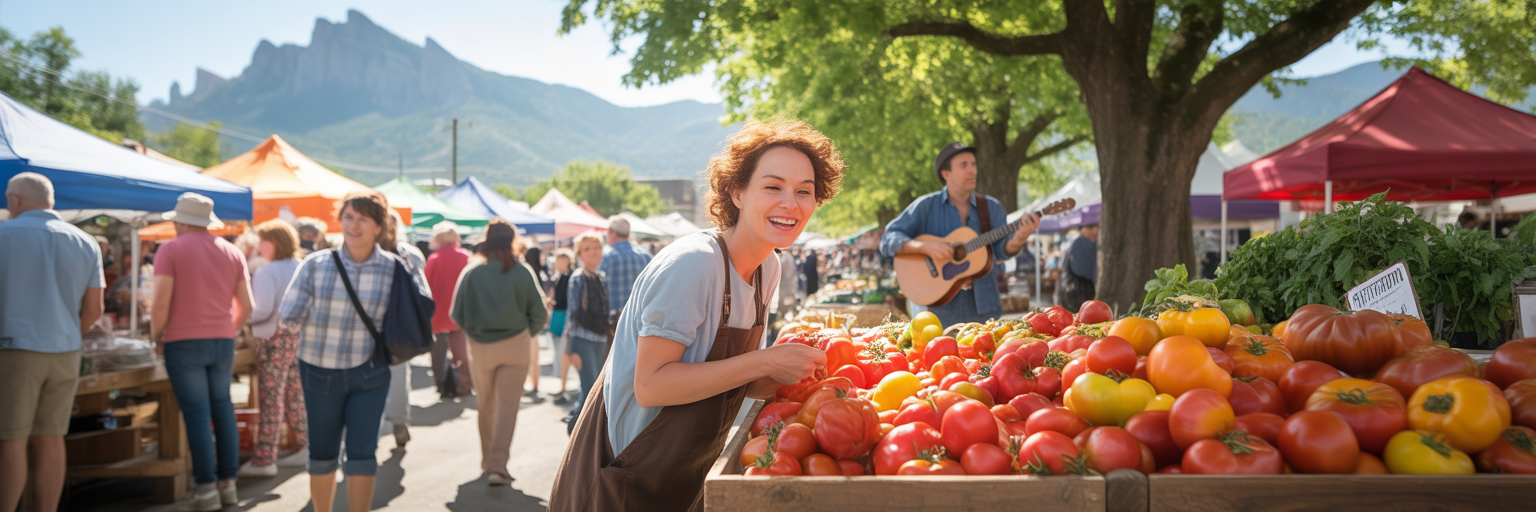
For locals, the farmers market on 13th Street is the undisputed start to the weekend. It’s far more than a place to buy produce; it’s a social hub. The real experience isn’t just about filling your tote bag. It’s about grabbing a coffee and a breakfast burrito from one of the food stalls, finding a spot on the grass, and listening to a local folk band play. You’ll see friends catching up, families letting their kids run around, and chefs from local restaurants chatting with farmers. This is where the community’s commitment to local sourcing feels most tangible. A proper Boulder farmers market guide would tell you to look for produce from celebrated local operations like Black Cat Farm, whose presence underscores the direct line from field to table that defines the city’s food scene.
Accessing the Mountains: The Local’s Route
Every visitor goes to Chautauqua Park to hike among the Flatirons, and for good reason. It’s stunning. But on a sunny weekend, the main trailhead can feel as crowded as a shopping mall. Locals seeking their dose of Boulder Colorado outdoor activities often opt for quieter access points. Instead of heading to the main Chautauqua lot, consider starting at the Gregory Canyon Trailhead just to the south. It offers a more challenging and less trafficked ascent into the same beautiful terrain. Another great option is the South Mesa Trailhead, which provides access to the long, rolling Mesa Trail. It’s a favorite for trail runners and anyone looking for a less vertical, more meditative hike with constant views of the foothills.
The Boulder Creek Path: The City’s Lifeline
Running directly through the heart of the city, the Boulder Creek Path is the town’s main artery for recreation and transportation. On any given day, it’s filled with cyclists commuting to work, students walking to class, and people simply out for a stroll. But in the summer, it serves one primary purpose: tubing. The unofficial tradition is to grab an inner tube, walk up the path to Eben G. Fine Park, and float down the cool, gentle current of Boulder Creek. It’s a lazy, social, and quintessentially Boulder way to spend a hot afternoon, ending your float near the downtown area for a post-creek beer.
Beyond the Big Venues: The Real Music Scene
Boulder has legendary music venues like the Fox Theatre and Boulder Theater that draw national acts. But the city’s true musical pulse can often be found in more casual settings. Many local breweries have become de facto music halls, hosting bluegrass jams and Grateful Dead cover bands on their patios. Grabbing a locally brewed pint and listening to live music with the Flatirons in the distance is a common way to wind down a Saturday. It’s less about the specific band and more about the relaxed, communal atmosphere.
To put it all together, here’s a simple plan for a perfect local Saturday:
- Start at the Farmers Market for coffee, a breakfast burrito, and people-watching.
- Head to the South Mesa Trailhead for a long, peaceful hike on the Mesa Trail.
- Cool off with a lazy tube float down Boulder Creek, starting from Eben G. Fine Park.
- Finish the day with a craft beer and some live bluegrass at a local brewery’s patio.
| Activity | Vibe & Difficulty | Best For | Local Tip |
|---|---|---|---|
| Chautauqua Park Trails | Busy, Tourist-Heavy / Moderate to Strenuous | First-time visitors wanting the iconic Flatirons photo. | Go very early on a weekday to avoid the crowds. |
| Mesa Trail (from South Mesa Trailhead) | Peaceful, Rolling Hills / Easy to Moderate | Long, meditative trail runs or hikes with consistent mountain views. | This trail connects to many others, so you can customize your distance. |
| Mount Sanitas Trail | Intense, Steep / Strenuous | A challenging workout with a rewarding 360-degree view at the summit. | Locals use this as their natural StairMaster; it’s a fitness hotspot. |
| Boulder Creek Path | Casual, Social / Easy & Flat | Biking, walking, or tubing without leaving the city. | Start your tube float at Eben G. Fine Park for the best run. |
Discovering Boulder’s Quiet Corners
While the main attractions offer a great introduction to the city, the real magic of Boulder is often found in its quieter, less obvious spots. These are the places locals go to escape the crowds, find a moment of peace, and reconnect with the city’s more subtle charms. Exploring these hidden gems in Boulder Colorado is how you move from visiting to truly understanding the place.
Alternative Natural Escapes
When Chautauqua feels overwhelming, those in the know head elsewhere. In North Boulder, Wonderland Lake Park offers a completely different kind of natural experience. A flat, easy loop trail circles a small lake, with the foothills providing a gentle backdrop. It’s a favorite spot for bird-watching and quiet morning walks with a coffee in hand. Similarly, Coot Lake, just northeast of the city, is another peaceful sanctuary. It’s popular with dog walkers and paddleboarders looking for calm water, offering serene views without the strenuous effort required by mountain trails. These spots are about quiet contemplation, not conquering a summit.
A Drive for Perspective: Flagstaff Mountain
Most people think of Flagstaff Mountain as a place to hike, but for many locals, it’s a place to drive. The winding road to the summit is a ritual in itself, a way to quickly gain perspective and see the entire city spread out below. The trick is to go at the right time. Driving up to watch the sunrise from Panorama Point, as the first light hits the plains, is a quiet and profound experience. The same goes for sunset, when the city lights begin to twinkle below. It’s a five-minute drive from the city that feels like a world away, a quick reset button that locals use often.
An Architectural Stroll: Mapleton Hill
Just a few blocks north of the bustling Pearl Street Mall lies the Mapleton Hill historic district, a neighborhood that feels preserved in time. There are no shops or restaurants here, just quiet, tree-lined streets and a stunning collection of Victorian and Queen Anne architecture. The real draw is the atmosphere. In the fall, the canopy of mature maple trees creates a spectacular tunnel of gold and red. A slow walk through these streets is like stepping into a different era, a peaceful escape from the city’s energetic pace. The quiet, historic streets of Mapleton Hill offer a peaceful escape, much like the authentic neighborhoods you can discover in our guide to Conroe, Texas.
A Cultural Sanctuary: The Dushanbe Teahouse
Though it sits in a prominent location by Boulder Creek, the Dushanbe Teahouse is often experienced incorrectly. Visitors flock to it for brunch on the weekends, missing the point entirely. This ornate, hand-carved structure was a gift from Boulder’s sister city, Dushanbe, Tajikistan, and it’s meant to be a place of tranquility. To experience it like a local, visit on a weekday afternoon. Order a pot of tea from their extensive menu, find a quiet corner inside, and just sit. Let your eyes wander over the intricately painted ceiling and the detailed ceramic panels. It’s a cultural sanctuary, a work of art that happens to serve tea, and its true beauty is best appreciated in silence, not amidst the clatter of brunch.
The Tastes of the Town
To understand Boulder’s food scene, you have to look past the trendy new openings and focus on the institutions that have shaped its culinary identity. The best local restaurants Boulder has to offer are more than just places to eat; they are community gathering spots, standard-bearers for local sourcing, and keepers of the city’s cultural flame. These are the places with history and a loyal following, where the food tells a story about the town itself. Places like Oak at Fourteenth and The Kitchen are not just local secrets; they are consistently recognized as essential Boulder experiences, a sentiment echoed by travel experts who highlight the city’s authentic culinary scene.
Oak at Fourteenth
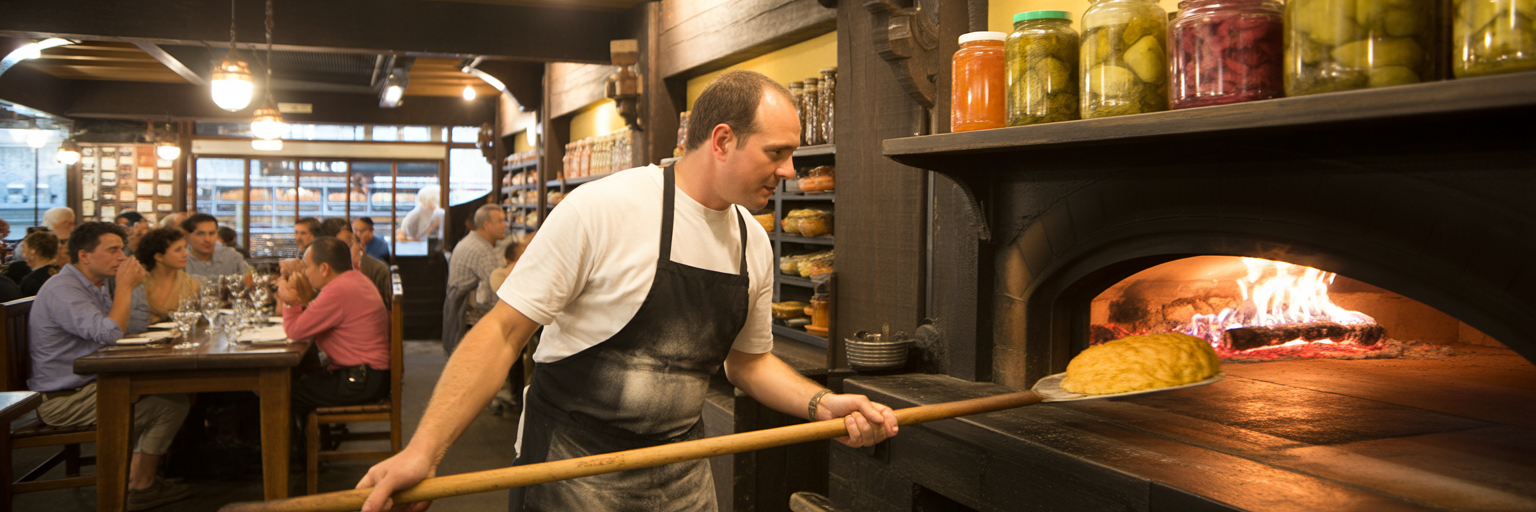
When Oak opened on Pearl Street, it set a new standard for dining in Boulder. It pioneered a sophisticated yet rustic approach centered around its massive, wood-fired oven. The atmosphere is always buzzing, but the food remains grounded in simple, powerful flavors. It’s the place you go for a perfectly executed cocktail and dishes where the smokiness of the grill is the star. Locals love it because it feels both special and deeply familiar.
- Must-Try: The wood-fired Colorado chicken or the kale and apple salad, a dish that has achieved legendary status.
The Flagstaff House
Perched on the side of Flagstaff Mountain with breathtaking views, The Flagstaff House is Boulder’s quintessential special occasion restaurant. This isn’t where you go for a casual weeknight dinner. This is where generations of Boulderites have gone to celebrate anniversaries, graduations, and major life milestones. The experience is as much about the impeccable service and the stunning vista from the terrace as it is about the fine-dining menu. It’s an institution that holds a special place in the city’s collective memory.
- Must-Try: Indulging in the tasting menu while watching the sunset over the city.
The Kitchen
Before “farm-to-table” became a marketing buzzword, there was The Kitchen. Founded on the belief that a restaurant could be a true community hub, it embodies Boulder’s core values of local sourcing and communal dining. The long, shared tables encourage conversation, and the menu is a direct reflection of what’s in season at the farmers market down the street. It’s a bistro in the truest sense of the word, a place that feels like the city’s living room.
- Must-Try: The tomato soup with a grilled cheese crouton or the simple but perfect sticky toffee pudding.
Mountain Sun Pub & Brewery
If Boulder has a counter-culture soul, it resides at Mountain Sun. This cash-only pub has been a beloved local haunt for decades, known for its laid-back, Grateful Dead-infused vibe, excellent craft beer brewed in-house, and surprisingly great pub food. It’s loud, eclectic, and unapologetically itself. You won’t find pretense here, just a cross-section of the entire community sharing a pint and a burger. It’s a reminder of Boulder’s less polished, more free-spirited side.
- Must-Try: The rotating selection of house-brewed IPAs and the Date Night Burger.
Frasca Food and Wine
While nationally acclaimed and a recipient of multiple James Beard Awards, Frasca remains a deeply local restaurant at its heart. It offers an immersive experience into the food and wine of the Friuli-Venezia Giulia region of Northern Italy. The level of service and knowledge here is unparalleled, yet it never feels stuffy. For many locals, Frasca is the pinnacle of dining in Boulder, a place for an unforgettable meal that is both world-class and intimately tied to the community.
- Must-Try: The “Frico Caldo,” a crispy cheese and potato pancake that is the restaurant’s signature dish.
The Rhythm of Daily Life
So, what is living in Boulder Colorado actually like day-to-day? Beyond the scenic hikes and farm-to-table dinners, there is a distinct rhythm to life here that sets it apart. The pace isn’t slow, but it is intentional. It’s a city where personal well-being is woven into the fabric of daily routines, not saved for the weekend.
The pace of life can be described as intentionally active. It’s common for work schedules to be built around a morning trail run, a lunchtime bike ride, or an afternoon climbing session. The “9-to-5” is often more of a guideline, with many people prioritizing time in nature as a non-negotiable part of their day. This isn’t about slacking off; it’s about a cultural belief that a balanced life leads to better work and greater happiness.
Let’s address the elephant in the room: the cost of living is high. Housing is expensive, and daily life comes at a premium. Locals often refer to this as the “sunshine tax,” a price they are willing to pay for unparalleled access to the outdoors, a safe community, and a highly educated and engaged population. It’s a trade-off that defines the city’s demographics.
Transportation is another key aspect of daily life. While cars are necessary for many, Boulder has a robust bike culture that is a primary mode of transit for a significant portion of the population. A network of dedicated bike paths and greenways makes it possible to cross the entire city without ever dealing with traffic. However, when you do need to drive, you’ll find that main arteries like 28th Street can become heavily congested, a source of constant grumbling for residents.
Finally, the weather dictates everything. Those 300+ days of sunshine are not just a statistic; they are the engine of the city’s lifestyle, making outdoor activity a year-round affair. And when it does snow, the city doesn’t shut down. Instead, a text chain lights up with friends coordinating a “powder day” at the nearby Eldora Mountain Resort. A snowstorm is seen not as an inconvenience but as an opportunity for recreation. This blend of intellectualism, innovation, and a deep love for the environment creates a community that is passionate, informed, and deeply connected to the place it calls home. Understanding the rhythm of daily life is key to truly experiencing any destination, a philosophy that guides all the stories we share at When In Your City.