New York City exists in two forms. There is the city of postcards and movie montages, a dazzling spectacle of iconic landmarks. Then there is the city cherished by its residents, a place defined by quiet moments, neighborhood rhythms, and shared secrets. This guide is for the traveler who has seen the first and now craves the second. It’s for the person on their second or third visit who wants to move beyond the checklist and form a more meaningful connection with the city.
This is not about avoiding tourists entirely. Instead, it’s about engaging with the city’s authentic character. We all know the sensory overload of Times Square, where the sheer volume of light and sound can be overwhelming. But what about the quiet discovery of a community garden tucked between two brownstones, or a local cafe where the barista knows regulars by name? These are the authentic New York experiences that reveal the city’s soul. They offer a glimpse into the daily life that hums just beneath the surface of the global metropolis.
To find this version of New York, you have to know where to look. It requires a shift in perspective, trading the grand for the intimate. This journey will take us through the five boroughs, uncovering the places that locals hold dear. We will explore serene green spaces that offer a pause from the urban rush, community-driven art that lives on the streets, and historical sites that tell stories you won’t find in a textbook. We will also dive into the culinary hubs that define entire neighborhoods. This is your roadmap to the real New York, the one that exists beyond the guidebook.
Manhattan’s Hidden Sanctuaries
In a city as dense as Manhattan, open space is the ultimate luxury. While Central Park is an undeniable masterpiece, the island is dotted with smaller, more intimate sanctuaries that offer a different kind of peace. These are not just parks; they are intentional pockets of calm, designed as deliberate escapes from the city’s relentless energy. Finding them feels like discovering a secret, a shared understanding among those who know where to turn for a moment of quiet reflection.
The Waterfall Oases of Midtown
Midtown Manhattan is the last place you would expect to find tranquility, yet two remarkable “vest-pocket parks” provide just that. Paley Park, a small plaza on East 53rd Street, is a masterclass in urban design. Its most striking feature is a 20-foot waterfall that spans the entire back wall. This isn’t just for show; it functions as an auditory shield, its white noise drowning out the traffic and sirens of Midtown. As noted by sources like Atlas Obscura, it creates a pocket of calm where office workers gather on their lunch breaks, finding respite under a canopy of honey locust trees. A few blocks away, Greenacre Park offers a similar concept but on a grander scale. Its multi-level design features cascading water, creating different zones for reading, conversation, or simply watching the city go by from a protected perch.
Nolita’s Community-Run Sculpture Garden
Stepping into the Elizabeth Street Garden is like entering a different world. Tucked away in Nolita, this community-run space has a whimsical, almost magical atmosphere. Classical statues, weathered urns, and architectural remnants are scattered among lush plantings, creating a scene that feels more like a forgotten corner of Rome than a lot in Lower Manhattan. It’s a place for artistic inspiration, a quiet moment with a book, or simply a peaceful walk. The garden’s existence is a testament to community spirit, as locals have fought for years to protect it from development, highlighting its profound importance to the neighborhood’s character.
An Elevated Retreat in Tudor City
Most visitors walk right past Tudor City Greens without ever knowing it’s there. Located in the Tudor City residential complex, these two parks are elevated above street level, creating a semi-private, village-like feel. Because they are primarily used by residents, they remain remarkably peaceful. A stroll through these manicured gardens offers a quiet escape with surprising views of the East River and the United Nations, a world away from the bustle of 42nd Street just a block south. It’s a perfect example of the hidden layers of the city, accessible to anyone who knows to look up.
| Park Name | Key Feature | Neighborhood Vibe | Best For |
|---|---|---|---|
| Paley Park | 20-foot waterfall creating ‘white noise’ | Midtown Corporate Respite | A quiet lunch break or escaping street noise |
| Greenacre Park | Multi-level terraces and cascading water | Midtown East Serenity | Reading a book or quiet conversation |
| Elizabeth Street Garden | Whimsical sculptures and community-run | Nolita Bohemian Charm | Artistic inspiration and a moment of peace |
| Tudor City Greens | Elevated, semi-private residential park | Tudor City’s Quiet Enclave | A peaceful stroll with views of the East River |
Art Woven into the Urban Fabric
While New York’s museums are world-class, some of its most compelling art isn’t found within their walls. It lives on the streets, in reclaimed industrial spaces, and along waterfronts, fully integrated into the daily life of the city’s neighborhoods. This is art as a living, breathing part of the community, accessible to everyone and constantly evolving. Exploring these spaces is one of the best non touristy things to do in NYC because it offers a direct connection to the city’s creative pulse.
Socrates Sculpture Park: Art on the Waterfront
What was once an abandoned landfill and illegal dumpsite on the Queens waterfront is now a vibrant outdoor museum. Socrates Sculpture Park in Astoria was founded on the belief that creative expression is essential to urban improvement. According to its official site, the park’s mission is rooted in reclamation and revitalization. Here, artists create large-scale sculptures and multimedia installations specifically for the landscape. It’s a dynamic space where you can see monumental art with the Manhattan skyline as a backdrop, take a free yoga class, or browse a local farmers market. The experience changes with every visit, as new works are installed throughout the year.
The Bushwick Collective: Brooklyn’s Open-Air Gallery
The streets of Bushwick, Brooklyn, have become one of the world’s most significant destinations for street art. The Bushwick Collective is a sprawling, informal open-air gallery where artists from around the globe are invited to paint murals. The result is a vibrant, ever-changing landscape of color and creativity. The best way to experience it is to simply wander. A good starting point is near the Jefferson Street L train stop, from which you can explore the surrounding blocks. Unlike a museum, this art is part of the neighborhood’s fabric, adorning the walls of warehouses, auto body shops, and apartment buildings.
Welling Court Mural Project: A Concentrated Burst of Creativity
While Bushwick is vast, the Welling Court Mural Project in Astoria, Queens, offers a more concentrated experience. This community-driven project brings together over 150 artists each year to paint murals across a few square blocks. It feels less like a gallery and more like a neighborhood block party, a celebration of art and community. The murals here are incredibly diverse in style, creating a dense and visually stunning environment that you can easily explore in an afternoon.
Red Hook: Where Industry Meets Art
Red Hook, Brooklyn, offers a different kind of art experience. Its unique atmosphere, defined by a post-industrial waterfront, cobblestone streets, and dramatic views of the Statue of Liberty, has long attracted artists. The neighborhood is home to a cluster of independent galleries and artist studios, often housed in former warehouses. A visit here is about more than just seeing art; it’s about experiencing the environment that inspires it. Places like Pioneer Works, a massive art and science center in a former factory, epitomize Red Hook’s creative spirit.
Uncovering Layers of New York History
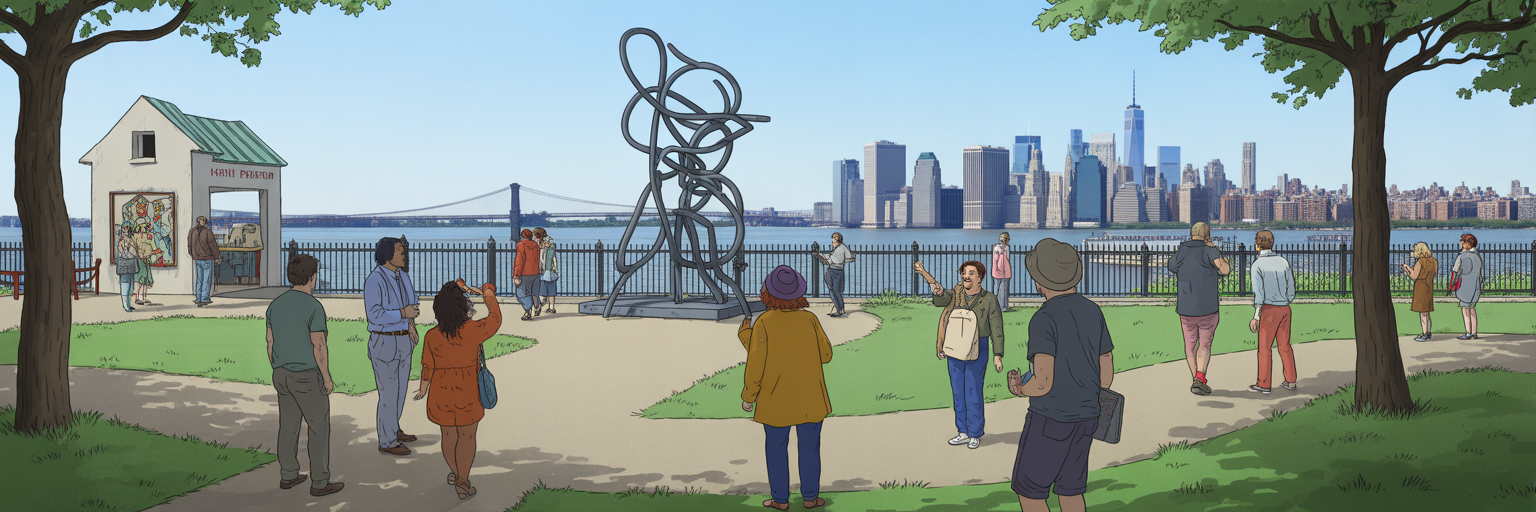
New York City’s history is not just confined to museums and monuments. It’s preserved in the floorboards of a 19th-century home, hidden in the curve of an abandoned subway tunnel, and alive in the art of a therapeutic community. To truly understand the city, you must seek out these places that tell a more personal, nuanced story. Exploring these historical layers provides a unique perspective on a city’s identity. Our approach to creating city guides is built on this principle, whether we are detailing hidden histories in New York or crafting guides for other American cities.
The Merchant’s House Museum: A 19th-Century Time Capsule
Stepping into the Merchant’s House Museum on East Fourth Street is like stepping directly into the 19th century. This is not a recreation; it is a perfectly preserved time capsule. The house was home to the Tredwell family for nearly 100 years, and all the furnishings, decor, and even personal items are original to them. You can feel the history in the creak of the floorboards and see it in the delicate details of the furniture. It offers an incredibly intimate glimpse into the life of a prosperous merchant family and the city they inhabited.
The Secret of the Old City Hall Subway Station
Here is a secret that locals love to share. The very first subway station in New York, the Old City Hall station, was closed in 1945. However, its stunning architecture, featuring Guastavino tilework, elegant arches, and brass chandeliers, remains perfectly preserved. While you can’t officially visit it, there is a trick: stay on the downtown 6 train after its final stop at Brooklyn Bridge-City Hall. As the train makes its loop to head back uptown, it passes slowly through the abandoned station, offering a breathtaking glimpse of this hidden gem. It’s a moment of unexpected beauty hidden within the city’s transit system.
Morris-Jumel Mansion: From Revolutionary Headquarters to Haunted Home
Manhattan’s oldest surviving house, the Morris-Jumel Mansion in Washington Heights, has a story to tell. Built in 1765, it served as George Washington’s headquarters during the Revolutionary War and later hosted a dinner for cabinet members including Thomas Jefferson and Alexander Hamilton. But its history doesn’t stop there. The mansion is also famous for its paranormal activity, with many claiming it to be one of Manhattan’s most haunted spots. A visit here is a journey through multiple layers of American history, from the nation’s founding to its folklore.
The Living Museum: Art, Recovery, and Hidden Histories
Located on the grounds of the Creedmoor Psychiatric Center in Queens, The Living Museum is a profoundly moving and important space. It is both a gallery and a studio for artists who are patients at the facility. The art on display is powerful, raw, and deeply personal, documenting journeys of recovery, resilience, and self-expression. Approached with sensitivity, a visit here offers a powerful look at the intersection of art, mental health, and human history. It challenges perceptions and reveals a side of New York that is rarely seen, making it one of the most unique hidden gems in NYC.
Perspectives from Alleys and Elevated Paths
Sometimes, the best way to experience a city is to change your physical viewpoint. By exploring its unconventional pathways, from cobblestoned alleys to elevated parks, you can discover new perspectives and hidden corners that most people miss. These routes offer a different rhythm, a slower pace, and a more intimate connection to the urban landscape. They reveal the city’s layered design and the quiet beauty that exists just off the main thoroughfares.
In Greenwich Village, just a stone’s throw from the energy of Washington Square Park, lie MacDougal Alley and Washington Mews. These quiet, cobblestoned lanes were originally built as horse stables for the grand townhouses nearby. Today, they are lined with charming, ivy-covered homes and artist studios. Walking through them feels like stepping into a small European village, a peaceful and picturesque escape from the surrounding city.
The High Line is hardly a secret, but there is a local’s way to experience it. To avoid the biggest crowds and appreciate its thoughtful design, try these strategies:
- Go early on a weekday, before 10 AM, to have sections to yourself.
- Start at the northern end at 34th Street and walk south, moving against the main flow of traffic.
- Pay attention to the details, like the “peel-up” benches that seem to grow out of the walkway and the preserved rail tracks integrated into the plantings.
- Explore the rotating art installations, which often feature emerging artists and add another layer to the experience.
Further uptown in Washington Heights, you can find Sylvan Terrace. This perfectly preserved block of 19th-century wooden row houses feels like a film set. The uniform houses, with their matching porches and mansard roofs, create a striking and unexpected sight in a city of brick and stone. On the Upper West Side, Pomander Walk offers a similar storybook glimpse. This private, gated lane is lined with charming Tudor-style homes, creating a whimsical scene that feels like it was plucked from the English countryside. While you can only peek through the gate, it’s a reminder of the surprising architectural diversity hidden within the city.
A Taste of Authentic Neighborhood Flavors
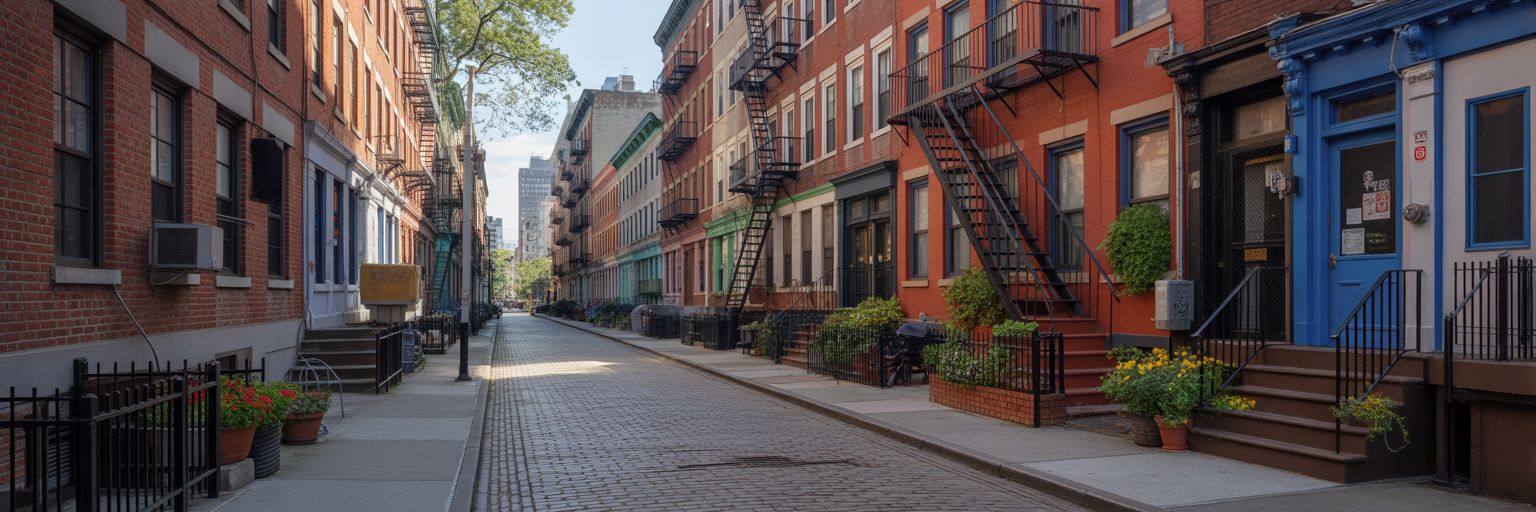
To eat like a New Yorker is to travel the world without leaving the five boroughs. The city’s most authentic culinary experiences are found not in trendy downtown restaurants, but in the neighborhoods that are defined by their food. These are the places where multi-generational families run delis, where street carts serve recipes passed down through the years, and where a subway ride can transport your palate to another continent. Exploring these areas is the best way to find true local spots in New York.
A Global Food Crawl in Jackson Heights
A walk down Roosevelt Avenue in Jackson Heights, Queens, is a feast for the senses. This neighborhood is one of the most diverse places on earth, and its food scene reflects that. Here, you can find authentic Tibetan momos, Colombian arepas, and South Indian dosas, often from humble storefronts and street carts, all within a few blocks of each other. The experience is about more than just eating; it’s about immersing yourself in the vibrant cultures that make up the fabric of New York.
Arthur Avenue: The Real Little Italy
While tourists flock to Manhattan’s Little Italy, New Yorkers know that the real deal is on Arthur Avenue in the Bronx. This is where the city’s Italian-American community has thrived for generations. The streets are lined with family-owned delis, bakeries, butcher shops, and cheese stores where local families still do their weekly grocery shopping. The air smells of fresh bread and cured meats, and the quality of the food is unmatched. A visit here is a taste of tradition and a connection to a vital piece of New York’s heritage.
The Dual Culinary Identity of Sunset Park
Sunset Park, Brooklyn, offers a fascinating culinary duality. The neighborhood is home to one of the city’s largest and most authentic Chinatowns, centered around Eighth Avenue. Here you can find incredible dim sum, hand-pulled noodles, and regional Chinese specialties. Just a few avenues over, the neighborhood transforms, revealing a vibrant Latin American community. The area around Fifth Avenue is renowned for its Mexican food, with some of the best taquerias and tortas in the city. Exploring both sides of Sunset Park is a delicious lesson in the city’s immigrant cultures.
Even a popular spot like Smorgasburg has a local’s approach. Instead of the crowded Williamsburg location, head to the more relaxed Sunday market in Prospect Park. It’s a great place to discover up-and-coming chefs and sample innovative food without the overwhelming crowds. While NYC offers a world of flavors, our mission at When In Your City is to uncover the heart of a place through its food, a principle we apply even when creating a guide to the real Conroe, Texas.
Adopting a New Yorker’s Mindset for Discovery
Ultimately, exploring NYC like a local is less about a checklist of places and more about a mindset. It’s about cultivating curiosity, being observant, and remaining open to the unexpected. The true hidden gems in NYC are often the ones you discover for yourself when you allow for a little spontaneity. A New Yorker’s greatest tool for discovery is not a guidebook, but a willingness to wander without a fixed plan. To help you find your own secret spots, here are a few principles to adopt on your next visit.
- Look Up, Look Down: The city’s story is written in its details. Look up to notice the gargoyles on pre-war buildings, the intricate cornices, and the ghost signs painted on old brick walls. Look down to find historical plaques embedded in the sidewalk, mosaic art in subway stations, and the names of old companies cast into manhole covers.
- Follow the Two-Block Rule: Whenever you find yourself on a major commercial street, make a point to walk two blocks in any direction off the main avenue. This is where real neighborhood life happens. You’ll find the quiet cafes, small parks, independent shops, and community gardens that serve the people who live there.
- Ride a Subway to the End of the Line: Pick a train line and ride it to its final stop. This simple act is a passport to neighborhoods and cultures you would otherwise never see. Get off, walk around, and grab a bite to eat. You’ll experience a part of the city that is completely authentic and untouched by tourism.
Being present and paying attention is the ultimate local tip. Let your curiosity guide you down a side street, into a small shop, or toward a park you’ve never heard of. That is when the city truly reveals itself. This approach to travel is at the core of our philosophy, guiding all our content at When In Your City.