In an age defined by digital notifications and curated online profiles, many young adults find themselves searching for something more tangible: authentic human connection. We scroll through endless feeds of friendships, yet the feeling of genuine belonging can remain elusive. Group travel offers a powerful counter-narrative, pulling individuals out from behind their screens and placing them into shared, real-world adventures where deep bonds are not just possible, but probable.
The Unique Psychology of Adventure-Based Bonding
The friendships formed while traveling often feel different, deeper, and more immediate than those made at home. This is not a coincidence. It is the result of a unique psychological environment created by the very nature of adventure. When we step out of our routines and into the unknown with a group of strangers, we enter a space primed for connection. The reasons these bonds form so quickly are rooted in how our brains process new experiences, build trust, and create a sense of belonging.
The ‘Shared Experience’ Phenomenon as Social Glue
Think of the inside jokes you have with your closest friends. They are incomprehensible to outsiders but instantly create a feeling of unity. This is the power of shared history. Novel and intense shared travel experiences, like navigating a chaotic market in Marrakech or watching the sunrise over a volcanic crater, act as a potent social glue. These moments become a collective story that only the group members truly understand. The memory of the shared awe, the minor panic, or the triumphant laughter creates a unique language and a powerful bond that casual acquaintances lack. It is a narrative you build together, moment by moment.
Accelerated Intimacy in a Travel Setting
At home, friendships can take months or even years to develop, built on sporadic coffee dates and polite office chatter. Travel throws this timeline out the window. The constant proximity of a group trip—sharing meals, long bus rides, and dorm rooms—compresses the getting-to-know-you process. A ten-hour train journey can host conversations that would take six months of weekly meetups to unfold. Stripped of daily distractions and social masks, people tend to open up more quickly. The shared purpose of the journey creates a foundation for conversations to move beyond surface-level questions and into the territory of dreams, fears, and life philosophies.
The Formation of a ‘Temporary Tribe’
When you are thousands of miles from home, your usual support system of family and friends is gone. Suddenly, the people on your trip are not just travel companions; they are your safety net, your navigators, and your emotional support. This mutual reliance creates a powerful in-group dynamic, a ‘temporary tribe’. One of the core benefits of traveling with a group is this sense of immediate community. You look out for one another, whether it is saving a seat on the bus or making sure everyone gets back to the hostel safely at night. This shared responsibility for each other’s wellbeing builds a foundation of trust that is difficult to replicate in normal life.
The Neurochemistry of Connection
There is also a biological component to adventure bonding. When we engage in exciting or challenging activities, our brains release a cocktail of chemicals, including adrenaline and dopamine. Adrenaline heightens our senses during thrilling moments, while dopamine creates feelings of pleasure and reward. Our brains are wired to associate these powerful emotional states with the people we are with. So, when you conquer a challenging hike or laugh uncontrollably while trying a strange new food, your brain links that euphoric feeling to your new friends. As noted by travel experts at Under30Experiences, a primary benefit of group travel is this very opportunity to develop friendships through shared adventures and challenges, which reinforces a sense of camaraderie and trust.
From Initial Awkwardness to a Cohesive Unit
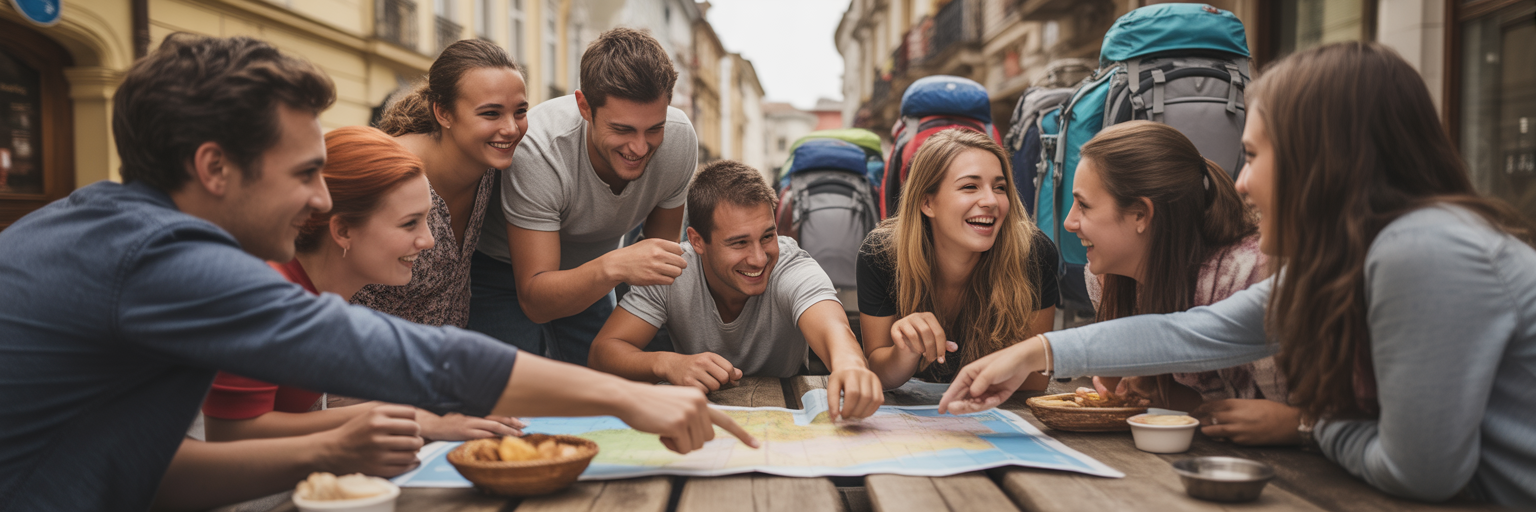
Every group trip begins with the same scene: a collection of strangers standing in a circle, exchanging polite smiles and cautiously asking, “So, where are you from?” It is a moment filled with a mix of excitement and social anxiety. Yet, within days, this same group can feel like a tight-knit family. This transformation from awkward acquaintances to a cohesive unit is a fascinating social process, marked by distinct stages and subtle shifts in group dynamics. It is not magic; it is the practical journey of building community on the road.
The Critical First 48 Hours
The first two days of a trip are foundational. This is when the tone for the entire journey is set. Organized icebreakers or the first shared meal are not just formalities; they are crucial rituals designed to break down initial barriers. This is the first step in how to build friendships on a trip. The simple act of learning everyone’s name and a fun fact about them begins the process of turning a stranger into an individual. A good tour leader facilitates this, but the responsibility also lies with each traveler to participate with an open mind. These initial, sometimes forced, interactions are the necessary groundwork for the organic connections that will follow.
The Organic Shift to Deeper Conversations
After the initial pleasantries, a natural shift occurs. It often happens during the ‘in-between’ moments of travel: a long bus ride through the countryside, a lazy afternoon at the hostel, or a quiet evening after a packed day of sightseeing. Conversations organically move from the “what” (what you do for work) to the “why” (why you chose that path). People start sharing stories about their families, their past travels, and their future aspirations. This is where true personalities begin to emerge, and the first real sparks of friendship are ignited. You discover who shares your sense of humor, who has a similar outlook on life, and who you can talk to for hours without noticing the time pass.
The Unseen Power of Shared Logistics
Some of the most powerful bonding happens not during the epic adventures, but during the mundane, everyday tasks of travel. These micro-interactions build a rhythm and familiarity that is surprisingly potent. Figuring out a foreign subway system together, pooling money for groceries, or deciding on a place for dinner are all small, shared missions. Each successful navigation of a daily challenge reinforces the group’s identity as a capable unit. The simple act of figuring out the local culture and layout, even in a well-documented area you might read about in a guide to discovering Mansfield, Texas, becomes a shared project that strengthens connections through teamwork and mutual reliance.
Finding Your ‘People’ Within the Pack
While the entire group develops a sense of camaraderie, it is natural for smaller, more intense friendships to form within the larger pack. You might find a “dinner crew” that shares your love for adventurous food, or a friend who is always up for an early morning walk. These sub-groups are not a sign of division; they are a healthy and essential part of the group travel dynamic. They provide a social anchor, a go-to person or small circle that offers a deeper level of comfort and understanding. These are often the friendships that have the greatest chance of lasting long after the trip is over, as they are based on a more specific, personal connection.
| Stage | Typical Timeframe | Key Characteristics | How to Navigate It |
|---|---|---|---|
| Forming (The Introduction) | Days 1-2 | Politeness, awkward silences, surface-level questions, reliance on the guide. | Participate actively in icebreakers; be open and ask questions. |
| Storming (The Negotiation) | Days 3-5 | Minor disagreements over plans, different travel styles emerge, inside jokes begin. | Practice patience and compromise; focus on the shared goal of having a good experience. |
| Norming (The Cohesion) | Days 5-10 | Group develops a rhythm, roles emerge (the planner, the comedian), mutual support is common. | Lean into your role and appreciate others; initiate group activities during free time. |
| Performing (The Unit) | Day 10+ | Effortless coordination, deep conversations are frequent, strong sense of group identity. | Focus on creating lasting memories and discussing how to stay in touch. |
How Navigating Challenges Solidifies Trust
Picture-perfect travel moments are wonderful, but they are not what forge the strongest bonds. It is the unexpected detours, the minor disasters, and the shared struggles that truly test a group and, in turn, solidify its trust. When things go wrong, the polite facade of early-stage friendship disappears, replaced by a raw and powerful sense of unity. Adversity acts as a crucible, burning away superficialities and revealing the strength of the connections being formed. These are the moments that transform a group of travelers into a team.
The ‘We’re in This Together’ Mentality
A missed train, a lost booking, or a sudden downpour with no shelter in sight—these are the moments that can define a trip. In that instant, any minor internal frictions or disagreements vanish. The problem is no longer one person’s issue; it is the group’s challenge. An external obstacle creates a common enemy and immediately fosters a “we’re in this together” mentality. The focus shifts from individual wants to the collective need. This shared sense of purpose is incredibly unifying, creating a powerful feeling of solidarity against the world.
Problem-Solving as an Unplanned Team-Builder
Travel challenges are essentially real-world escape rooms, and they are a masterclass in making friends while traveling. When faced with a problem, group members instinctively pool their skills. The person who speaks a few words of the local language steps up to ask for directions. The one who is naturally calm under pressure keeps everyone’s spirits high. The detail-oriented planner pulls out their phone to look for alternative routes. Watching your new companions contribute their unique strengths to solve a shared problem builds a profound sense of mutual respect. You are not just seeing them as tourists anymore; you are seeing them as capable, resourceful individuals you can rely on.
The Currency of Mutual Support
During stressful moments, it is the small acts of kindness that become the most memorable. Sharing the last of your water on a hot day, offering a portable charger when someone’s phone is dying, or simply lending a listening ear to someone who is feeling overwhelmed—these gestures become a form of emotional currency. They are deposits into a bank of mutual trust and gratitude. These acts of support, offered without expectation of immediate return, demonstrate a genuine care for the wellbeing of others. This reciprocity strengthens the social fabric of the group, creating a safety net of kindness that makes everyone feel more secure.
Transforming Mishaps into Group Lore
Years after a trip, you probably will not remember every museum you visited or every landmark you photographed. What you will remember is the story of how you all got hopelessly lost in Venice and ended up eating the best pizza of your lives in a tiny, hidden alley. The worst moments in travel often become the best stories later on. These shared narratives of what went wrong—the “disaster stories”—become a unique oral history for the group. They are filled with inside jokes and references that solidify the group’s identity. These stories become the true souvenirs of the journey, far more valuable than photos of landmarks, whether you are in Paris or getting a local look at Baytown, Texas.
The Role of Vulnerability in Forging Deeper Connections

While shared adventures and overcoming challenges build the foundation of a friendship, the final ingredient that transforms a travel bond into a lifelong connection is vulnerability. Travel creates a unique bubble, a temporary space where the normal rules of social engagement are relaxed. This environment encourages a level of emotional openness that is rare in everyday life. It is in these moments of shared vulnerability that acquaintances become confidants, and surface-level friendships deepen into something truly meaningful.
The Safety of Anonymity and Distance
Being far from home, surrounded by people who have no preconceived notions of who you are, can be incredibly liberating. There is a certain safety in the anonymity of a travel group. You are free from the weight of expectations from your family, colleagues, or hometown friends. This psychological distance creates a safe space to be your unedited self. It allows for conversations about personal insecurities, career doubts, or relationship questions that you might hesitate to voice back home. You can test out new ideas or share a part of yourself you normally keep hidden, without fear of lasting social judgment.
The Power of Reciprocal Self-Disclosure
Vulnerability is contagious in the best way possible. When one person in a group takes the emotional risk of opening up, it acts as a powerful signal of trust. It non-verbally communicates, “I trust you enough to share this with you.” This act often creates a chain reaction, inviting others to share their own stories and struggles. This process of reciprocal self-disclosure is a well-documented psychological principle for accelerating intimacy. Each person’s act of sharing deepens the collective trust and emotional investment of the group, rapidly transforming a collection of individuals into a tight-knit circle of support.
Authenticity in a ‘Temporary Community’
It might seem counterintuitive, but the temporary nature of a travel group can actually encourage more authenticity. Without the pressure of maintaining a relationship for years to come, people often feel less need to perform or present an idealized version of themselves. This is a key element in how to build friendships on a trip. You can be more direct, more honest, and more authentically you. This shared authenticity creates an environment where connections are based on who people truly are, not who they are pretending to be. It is a refreshing and powerful dynamic that allows for genuine bonds to form quickly.
From Travel Buddy to Lifelong Confidant
There is a distinct moment on many trips when the dynamic shifts. It is the point where conversations move from logistics (“What time does the bus leave?”) to life’s big questions (“What do you really want to do with your life?”). This transition often happens during quiet, reflective moments—a late-night talk on a hostel rooftop, a shared silence while watching a sunset, or a long walk on a beach. These are the moments when you stop seeing someone as just a “travel buddy” and start seeing them as a confidant. You are no longer just sharing a journey across a map; you are sharing the journey of your lives.
Transforming Trip Connections into Lifelong Friendships
The trip is over. You have exchanged heartfelt goodbyes at the airport, and suddenly you are back in your old room, in your old routine. The intense, vibrant world of your journey can feel a million miles away. This is the critical juncture where a powerful travel friendship can either fade into a fond memory or evolve into a lasting, lifelong bond. The connection was forged in the unique environment of travel, but its longevity depends on intentional effort back in the real world.
Navigating the ‘Post-Trip Blues’
Returning home after an intense group travel experience can be jarring. The sudden silence after weeks of constant companionship, the return to mundane responsibilities after days of adventure—it can lead to a feeling of dislocation often called the “post-trip blues.” It is important to recognize this as a normal and valid emotional response. It is not just sadness that the trip is over; it is a longing for the connection and sense of purpose you felt with your group. Acknowledging this feeling is the first step toward proactively maintaining those bonds.
Intentional Strategies for Staying Connected
Hope is not a strategy. To keep the momentum going, you need to be deliberate. The days and weeks immediately following a trip are crucial for cementing the habits of connection. Here are a few actionable strategies:
- Create a Dedicated Group Chat Immediately: Before everyone even leaves the airport, create a group on an app like WhatsApp or Signal. This becomes the immediate home for post-trip photo sharing and “I miss you all” messages.
- Schedule Recurring Video Calls: Do not just say, “We should catch up sometime.” Put it on the calendar. Schedule a monthly or quarterly video call to see each other’s faces and hear what is new in everyone’s lives.
- Build a Shared Digital Album: Use a service like Google Photos to create a collaborative album where everyone can upload their pictures and videos. It becomes a living document of your shared memories that you can all revisit.
- Remember Important Dates: Make a note of birthdays or other major life events. A simple “Happy Birthday!” message shows you are thinking of them and value the connection beyond the context of the trip.
The Power of Planning Future Adventures
One of the most effective ways to keep a travel group’s identity alive is to give it a future. Start talking about the next adventure, even if it is just a hypothetical dream. “Reunion trip in two years?” or “What if we all met up for a weekend next summer?” This shared future goal, no matter how distant, keeps the group chat active and the sense of community alive. It transforms the friendship from something that happened in the past to something that has a future.
The Final Test: Integrating into ‘Home’ Life
The ultimate transition from “travel friends” to “real-life friends” happens when you bridge the gap between your travel world and your home world. This means making the effort to visit each other. It is about seeing where they live, meeting their other friends, and understanding their daily context. Making the effort to see their world, whether that means getting a local’s guide to experiencing Temple, Texas, or navigating their favorite borough in New York City, is what solidifies the bond outside the travel bubble. It proves that the friendship is not just a product of a specific time and place, but a genuine connection between people.
Choosing a Group Trip Designed for Connection

The potential for deep friendship exists on any group trip, but not all tours are created equal. The structure, pace, and philosophy of a trip can dramatically influence the social dynamics. For young adults prioritizing connection, making a thoughtful choice is key. The debate of solo travel vs group travel often comes down to this: solo travel offers ultimate freedom, but a well-chosen group trip is specifically designed to foster community. Being an informed traveler and knowing what to look for can set you up for a socially rich and rewarding experience.
Matching Trip Style to Social Goals
Consider the pace and focus of the tour. A fast-paced trip that visits ten cities in ten days will be high-energy and exciting, but it may leave little room for the downtime where deeper conversations happen. In contrast, slower trips that focus on deep cultural immersion, like the kind of experiences you might find in detailed city guides, often provide more unstructured time for bonding. Ask yourself: am I looking for a whirlwind of new faces and places, or do I want to build more substantial connections in one or two locations? There is no right answer, but matching the trip style to your social goals is crucial.
The Impact of Group Size and Demographics
Group size plays a significant role in social dynamics. A small group of 8-12 people can feel intimate and family-like very quickly, making it easier to get to know everyone on a deeper level. A larger group of 20-40 people offers more variety in personalities but may lead to the formation of distinct cliques. For group travel for young adults, choosing a company that markets to a specific age range (e.g., 20-35) is also important. Being with peers at a similar life stage means you are more likely to share common reference points, challenges, and aspirations, which is fertile ground for friendship.
How to Evaluate an Itinerary for Social Potential
When you are looking at a trip itinerary, look beyond the list of sights and activities. Read between the lines to gauge its potential for social connection. Here are some green flags to look for:
- A balance of structured activities and free time: A good itinerary provides shared experiences but also allows space for spontaneous, smaller group outings.
- Inclusion of communal meals: Meals are a natural time for conversation. Itineraries that include group dinners or cooking classes are actively encouraging social interaction.
- Use of shared accommodations: While not for everyone, staying in hostels, guesthouses, or multi-room cabins creates more opportunities for casual interaction than separate hotel rooms.
- Activities that require teamwork: Look for things like group hikes, sailing, or collaborative workshops. These activities naturally require communication and cooperation.
Reading Reviews to Gauge Community Vibe
Finally, use past travelers as your guide. When reading reviews for a tour company, do not just look at the star rating. Use the search function on review sites to look for keywords like “friendship,” “community,” “solo traveler,” and “group dynamic.” Pay attention to what people say about the other travelers and the tour leader’s role in fostering connection. Did solo travelers feel included? Did people mention staying in touch after the trip? This qualitative feedback is often the most accurate indicator of whether a company successfully creates the kind of community you are looking for.