Beyond the Tourist Trail in Southeast Asia
There has been a quiet but profound shift in how we measure a journey’s worth. The focus has moved from collecting souvenirs to gathering experiences, a change that defines the modern traveler. For young adventurers, Southeast Asia is no longer a checklist of famous temples and beaches. Instead, it represents a vast collection of cultures, languages, and traditions waiting to be understood. This guide is for those who want to connect with the region on a deeper level, transforming a simple holiday into a meaningful exploration of authentic travel in Southeast Asia.
The desire for transformation through travel is growing. We are moving away from being passive observers behind a camera lens and toward becoming active participants in the daily life of a place. This means choosing a cooking class over a simple restaurant meal or learning a few words of the local language to share a genuine smile. It is about understanding the ‘why’ behind a tradition, not just witnessing the ‘what’. This approach requires curiosity and respect, turning every interaction into an opportunity for mutual understanding.
This philosophy of connection is not limited to one part of the world; it is a mindset that can enrich travels to any destination, as shown in the diverse experiences covered in our comprehensive city guides. As we explore these ten encounters, the principle of ethical engagement will be a constant theme. It is our responsibility as travelers to ensure our presence is a positive one, leaving the communities we visit as vibrant as we found them. This is not just about seeing Southeast Asia, it is about truly experiencing it.
Experience 1: Witnessing Luang Prabang’s Sacred Alms-Giving Ceremony
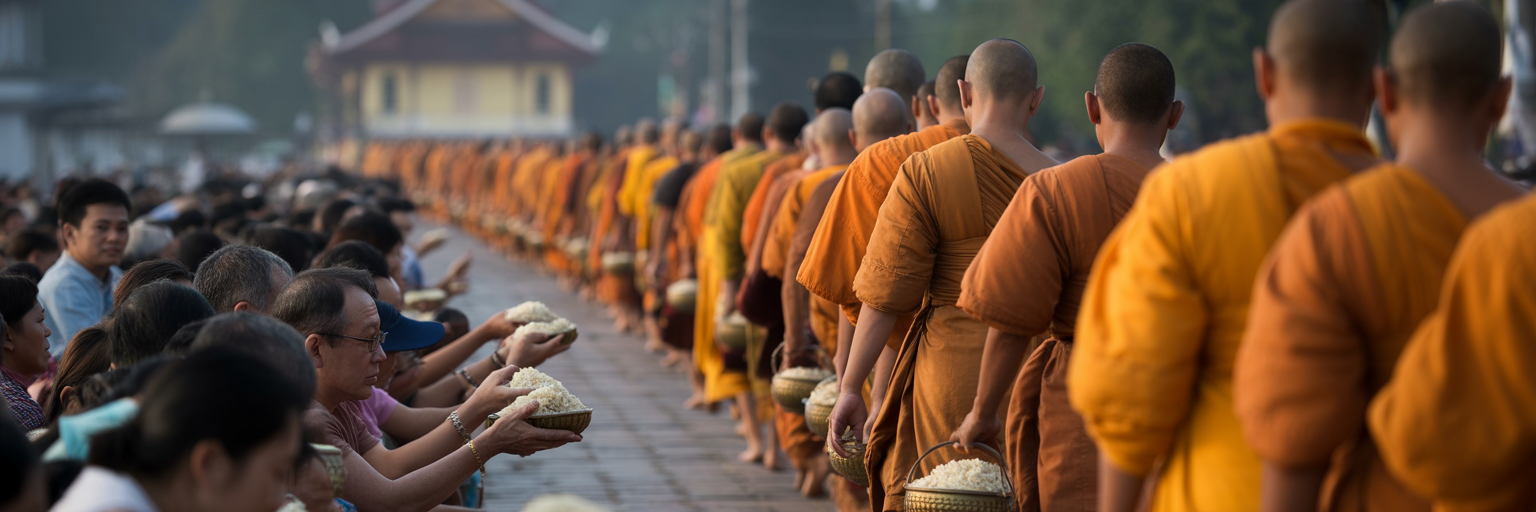
Before the sun graces the horizon in Luang Prabang, a profound stillness settles over the town. This is the moment of the Tak Bat, the daily alms-giving ceremony. The air is cool and quiet, broken only by the soft padding of bare feet as hundreds of saffron-robed monks walk in a silent, single-file line. Local devotees kneel patiently, offering handfuls of sticky rice in an ancient act of merit-making. This is not a performance for tourists; it is a deeply spiritual ritual that sustains the monastic community and forms the bedrock of Lao Buddhist culture.
The challenge for any visitor is navigating the delicate balance between this sacred tradition and its status as a tourist attraction. The core of the ceremony is about giving and respect, and its quiet dignity can be easily shattered by intrusive behaviour. Understanding what to do in Luang Prabang during Tak Bat begins with understanding its purpose. For locals, offering food is an act of spiritual generosity that earns merit for the afterlife. For the monks, it is their only meal of the day. When you see it through this lens, your role as an observer changes completely.
To ensure you are part of the solution and not the problem, follow these essential guidelines for respectful observation:
- Observe from a distance. Find a spot across the street and do not use your camera’s flash. The goal is to be invisible.
- Dress conservatively. Cover your shoulders, chest, and knees as a sign of respect. This is a religious ceremony, not a photo opportunity.
- Do not participate unless you are prepared. If you choose to give alms, buy your rice from a local market beforehand, not from street vendors who often exploit the ceremony. Learn the proper etiquette from your guesthouse.
- Remain silent. The ceremony is a meditative and solemn affair. Do not speak or make loud noises that would disrupt the monks or the devotees.
- Never touch the monks. Physical contact is forbidden, especially for women. Give them space to walk their path undisturbed.
By approaching the Tak Bat with humility and awareness, you contribute to preserving a living tradition. Sometimes, the most meaningful action is to simply watch, listen, and feel the spiritual pulse of the city as it awakens.
Experience 2: Mastering the Art of Vietnamese Street Food in Hanoi
Hanoi’s Old Quarter is a thrilling assault on the senses. The air is thick with the scent of grilling pork and fragrant herbs, motorbikes weave through impossibly narrow streets, and the sound of sizzling woks provides a constant rhythm. This is the heart of Vietnamese street food culture, a place where life is lived out in the open on tiny plastic stools. For a young traveler, diving into this scene is not just about eating; it is about participating in the city’s vibrant daily life. A Vietnam street food tour, whether guided or self-led, is an essential rite of passage.
While pho and banh mi are world-famous, the true magic lies in discovering the dishes that locals line up for. Forget the tourist menus and seek out the one-dish stalls that have perfected their craft over generations. This is where you will find the soul of Hanoian cuisine. Keep an eye out for these specialties:
- Bun Cha: Grilled pork patties and slices served in a bowl of tangy dipping sauce with rice noodles and a mountain of fresh herbs. This is Hanoi’s signature lunch.
- Cha Ca La Vong: Turmeric-marinated fish is fried tableside with dill and spring onions. It is a dish so iconic it has a street named after it.
- Banh Cuon: Delicate, steamed rice crepes filled with minced pork and wood ear mushrooms, topped with crispy fried shallots.
Navigating this environment is easier than it looks. The first rule is to follow the crowds of locals; a busy stall is always a sign of quality and freshness. Do not worry about a language barrier. A smile and a simple point at what others are eating will get you far. Part of the experience is sharing a small table with strangers, creating a fleeting sense of community. You are not just a customer; you are a temporary resident, sharing a meal and a moment in the city’s unceasing flow.
Experience 3: Exploring the Ancient Khmer Kingdom at Angkor Wat
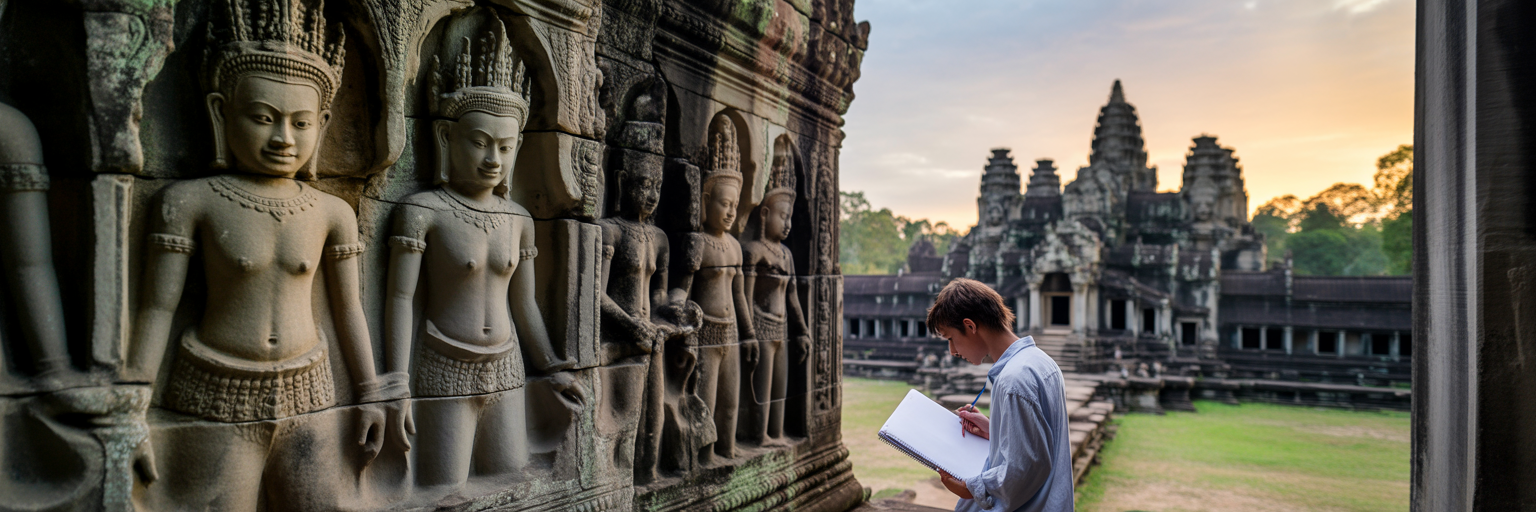
The name Angkor Wat often brings to mind a single, iconic temple, but the reality is far grander. This UNESCO World Heritage site was the heart of the vast Khmer Empire, a sprawling city of stone and water that once ruled much of Southeast Asia. To visit is to step into a world of mythic proportions, where history is carved into every surface. The experience should inspire a sense of awe, not the frustration of jostling with crowds.
Everyone wants to see the famous sunrise over Angkor Wat’s main complex. While beautiful, it is also incredibly crowded. A smarter approach is to zig while others zag. Consider starting your day at a different temple, like the enigmatic Bayon with its hundreds of serene stone faces, or the jungle-clad Ta Prohm, where massive tree roots embrace ancient walls. You can then visit the main Angkor Wat complex in the middle of the day, when most tour groups have left for lunch. The midday heat is a small price to pay for having sections of this wonder almost to yourself.
To truly connect with the area, think beyond the standard tour bus. Hiring a local tuk-tuk driver for the day offers flexibility and a personal touch; many drivers have grown up in the shadow of the temples and share stories that no guidebook can offer. For a more intimate pace, renting a bicycle allows you to explore the smaller, quieter paths that connect the major temples. You can feel the scale of the ancient city as you pedal along its dusty roads.
The true narrative power of Angkor lies in its architecture. The temple walls are covered in intricate bas-reliefs depicting epic Hindu tales like the Churning of the Ocean of Milk. Without context, they are just beautiful carvings. Hiring a licensed guide, even for just a few hours, can bring these stories to life, transforming a visual spectacle into a profound educational journey.
Experience 4: Participating in an Ethical Elephant Encounter in Thailand
For decades, elephant tourism in Thailand was defined by riding, circus-like performances, and the use of cruel training methods. Thankfully, a powerful shift towards conservation is changing the landscape. For any conscientious traveler, understanding the difference between a true sanctuary and an exploitative tourist trap is one of the most important cultural experiences in Thailand. Choosing wisely means your visit directly supports the welfare and rehabilitation of these magnificent animals.
An ethical sanctuary puts the elephants’ needs first, always. The experience is about observation and respect, not entertainment. You will spend your time preparing their food, feeding them, and walking alongside them as they forage or bathe naturally in a river. There is no riding, no painting, and no forced interaction for a selfie. The elephants are allowed to be elephants, socializing freely within their herd. This focus on respectful interaction is increasingly highlighted by youth travel specialists, and as Under30Experiences notes, such activities are becoming a cornerstone of responsible itineraries.
The distinction between an ethical and unethical venue can be subtle to an untrained eye, but certain red flags are unmistakable. Use this guide to make an informed choice.
| Factor | Ethical Sanctuary | Unethical Tourist Trap |
|---|---|---|
| Riding | Strictly forbidden | Offered as a primary activity |
| Visitor Interaction | Observation, feeding, walking alongside | Bathing with crowds, forced selfies, performances |
| Tools Used | None, or positive reinforcement only | Bullhooks, chains, or other tools of control |
| Elephant Behavior | Natural socializing, foraging, bathing freely | Performing tricks, painting, repetitive actions |
| Breeding | Focus on rescue; no breeding programs | Active breeding to supply more elephants for tourism |
This table provides clear, non-negotiable criteria for travelers. By choosing a genuine sanctuary, you are voting with your money. You are funding rescue operations, veterinary care, and the retirement of elephants from a life of labor, ensuring your travel has a positive and lasting impact.
Experience 5: Immersing in Balinese Spirituality with a Kecak Fire Dance
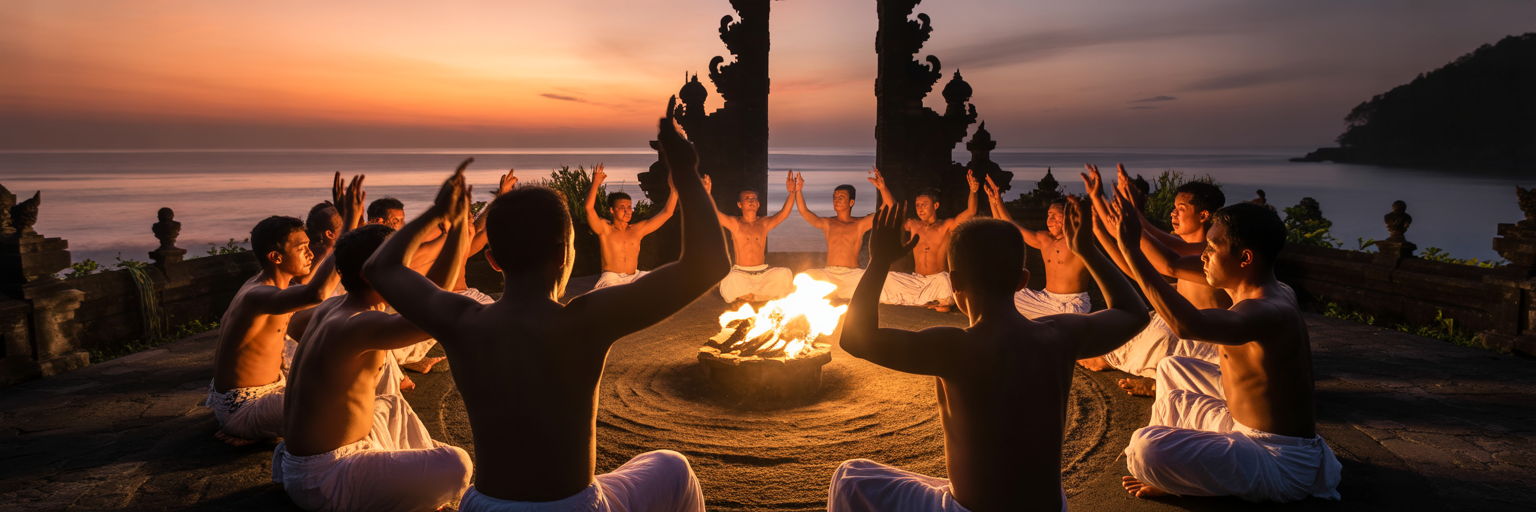
As the sun begins its descent over the Indian Ocean, casting a warm glow on the cliffs of Uluwatu, a different kind of energy begins to build. This is the setting for one of Bali’s most dramatic performances: the Kecak Fire Dance. It is an experience that is both a thrilling spectacle and a window into Hindu mythology, making it a powerful stop for anyone exploring Bali spiritual retreats or its rich cultural arts.
What makes the Kecak dance so unique is its sound. There is no gamelan orchestra, the typical accompaniment for Balinese dance. Instead, the entire performance is driven by the hypnotic, rhythmic chanting of a chorus of over 70 bare-chested men. Their interlocking vocals of “cak-cak-cak” create a percussive wall of sound that is both mesmerizing and intense, building and receding with the drama on stage.
The dance tells a story from the Ramayana, the ancient Hindu epic. Even a basic understanding of the plot transforms the experience from a visual display into a compelling narrative. You will watch the story of Prince Rama, his wife Sita, the evil king Ravana who abducts her, and the valiant monkey god Hanuman who comes to her rescue. The characters, adorned in elaborate costumes and masks, convey the tale through expressive dance and gesture. The climax is a breathtaking fire dance, where a performer appearing as Hanuman dances through glowing embers, seemingly protected by divine power. It is a moment of pure theatrical magic.
To make the most of this powerful performance, a little planning goes a long way. Book your tickets in advance, especially during peak season, as shows sell out quickly. Arrive at least an hour early to secure a seat with an unobstructed view of both the stage and the sunset. Many venues provide a short synopsis of the story; taking a few minutes to read it beforehand will deepen your appreciation for the artistry unfolding before you.
Experience 6: Uncovering Multicultural Heritage in Penang’s George Town
George Town is not just a city; it is a living, breathing museum. Its status as a UNESCO World Heritage site is a testament to a unique history where Malay, Chinese, Indian, and European cultures converged, creating a vibrant tapestry that is unlike anywhere else in Southeast Asia. Exploring its streets is a journey through time, where colonial shophouses stand beside ornate Chinese clan temples and the call to prayer from a mosque mingles with the scent of incense from a Hindu shrine. This rich blend is why we are passionate about uncovering unique city stories, a mission that drives everything we do at When In Your City.
To truly grasp George Town’s character, you can focus on three distinct pillars. First is its architecture. Wander through the core heritage zone and you will see the story of its people written in the buildings. The intricate carvings of the Khoo Kongsi clan house speak of the ambitions of Chinese immigrants, while the whitewashed walls of Fort Cornwallis recall the British colonial era.
Second is the city’s famous street art. The playful and interactive murals by Lithuanian artist Ernest Zacharevic have become iconic. These works, which often incorporate real objects like a bicycle or a swing, invite you to become part of the art. Hunting for them is a fun way to explore the hidden lanes and alleyways of the city. Finally, and most importantly, is the food. Penang’s hawker culture is the ultimate expression of its multiculturalism. In a single food court, you can sample Chinese Char Kway Teow, Malay Nasi Lemak, and Indian Mee Goreng, each dish telling a story of migration and adaptation.
A perfect day for a young traveler could combine all three. Start the morning with a street art hunt, break for lunch at a bustling hawker centre, and spend the afternoon exploring the magnificent clan houses and temples. This approach turns a city visit into a structured cultural quest, revealing the soul of George Town one discovery at a time.
Experience 7: Learning Traditional Batik Making in Yogyakarta
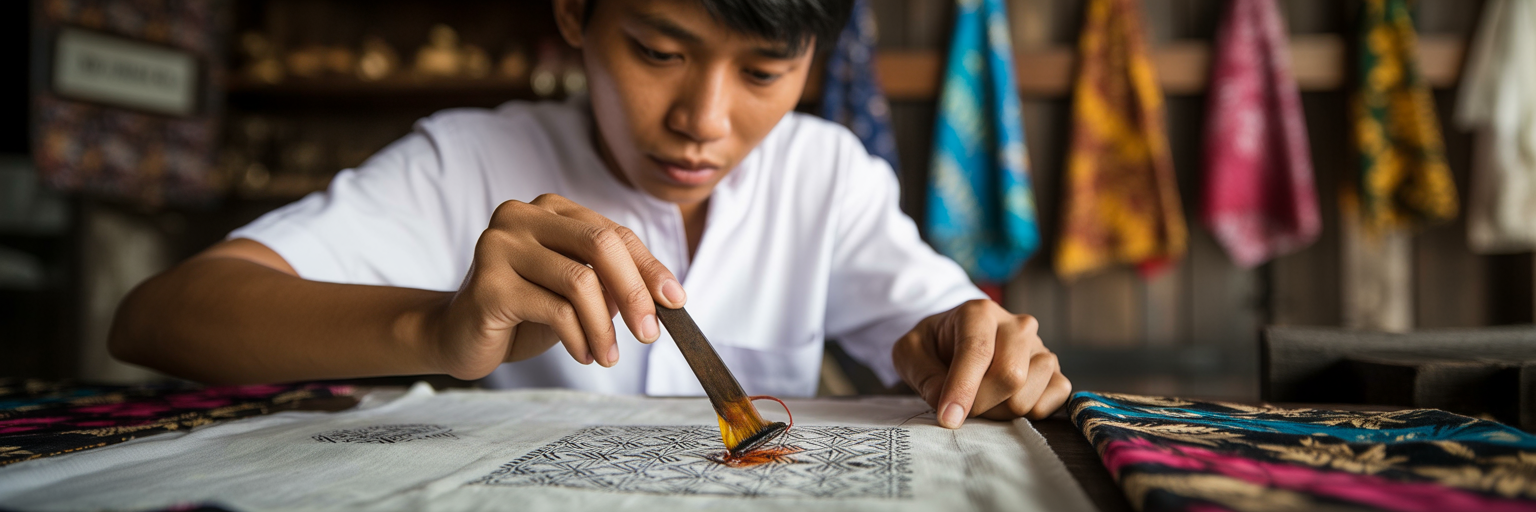
In a world of fast fashion and mass production, the art of Batik offers a refreshing, meditative alternative. More than just a craft, Indonesian Batik is a UNESCO-recognized Intangible Cultural Heritage with deep spiritual and cultural roots, particularly in the royal city of Yogyakarta. Participating in a workshop is a form of slow travel, an opportunity to disconnect from a busy itinerary and create something beautiful and personal with your own hands.
The process itself is a lesson in patience and precision. A hands-on workshop walks you through each step, making the ancient art form feel tangible and accessible. It begins with sketching a design onto a piece of cloth. Then comes the most crucial part: applying hot, molten wax using a pen-like tool called a canting. This requires a steady hand, as the wax acts as a resist, protecting the covered areas from the dye. After the wax is applied, the cloth is dipped into a colourful dye bath. The final step, boiling the cloth to remove the wax, is a moment of magic, revealing the intricate pattern underneath.
Beyond the technique, you will gain an appreciation for the symbolism embedded in the craft. Traditional Batik motifs are a language of their own. Certain patterns, like the parang (sloping knife) or kawung (four-lobed fruit), were once reserved for the royal court and carry specific meanings related to status, power, and protection. Learning about this symbolism adds a profound layer of intellectual depth to the creative process.
The true value of this experience lies in the connection it creates. You are not just buying a souvenir; you are creating one, embedding your own story and effort into the cloth. It is a conversation with a centuries-old tradition and a direct connection with the local artisans who share their skills. The finished piece is more than a keepsake; it is a tangible memory of a day spent in quiet creation.
Experience 8: Navigating the Floating Villages of Inle Lake, Myanmar
Inle Lake is a world built on water. Here, the Intha people have adapted their entire existence to the lake’s rhythms, living in stilt houses, tending to floating gardens, and commuting by long-tail boat. The sight of the iconic leg-rowing fishermen is one of Myanmar’s most enduring images. Balancing precariously on the stern of their narrow boats, they wrap one leg around an oar to row, leaving their hands free to handle conical fishing nets. It is an incredible display of skill and grace, a tradition passed down through generations.
A boat tour on the lake offers a glimpse into this unique way of life. Beyond the fishermen, you will glide past villages where life unfolds on wooden verandas and visit floating markets where vendors sell their produce from boat to boat. Many tours also include stops at local artisan workshops, offering a chance to see the intricate process of lotus weaving, where fibres are extracted from lotus stems to create a rare and luxurious fabric, or the work of silversmiths and boat builders. These stops provide insight into the local economy that sustains the lake’s communities.
However, visiting a region as complex as Myanmar requires a deep sense of responsibility. The wonder of Inle Lake must be balanced with a conscientious approach to tourism. It is crucial to hire an independent local boat driver rather than booking through large, impersonal agencies. This ensures your money goes directly into the hands of the community. When visiting workshops, buy directly from the artisans themselves. Be wary of staged attractions, such as the “long-neck” women of the Kayan tribe, who are often brought to the lake for tourist display.
Most importantly, stay informed about the current political situation in the country. Responsible travel means making choices that support the local people without legitimizing oppressive regimes. A visit to Inle Lake can be a profoundly beautiful experience, but it must be undertaken with awareness and a commitment to thoughtful, ethical engagement.
Experience 9: Joining a Vibrant Local Fiesta in the Philippines
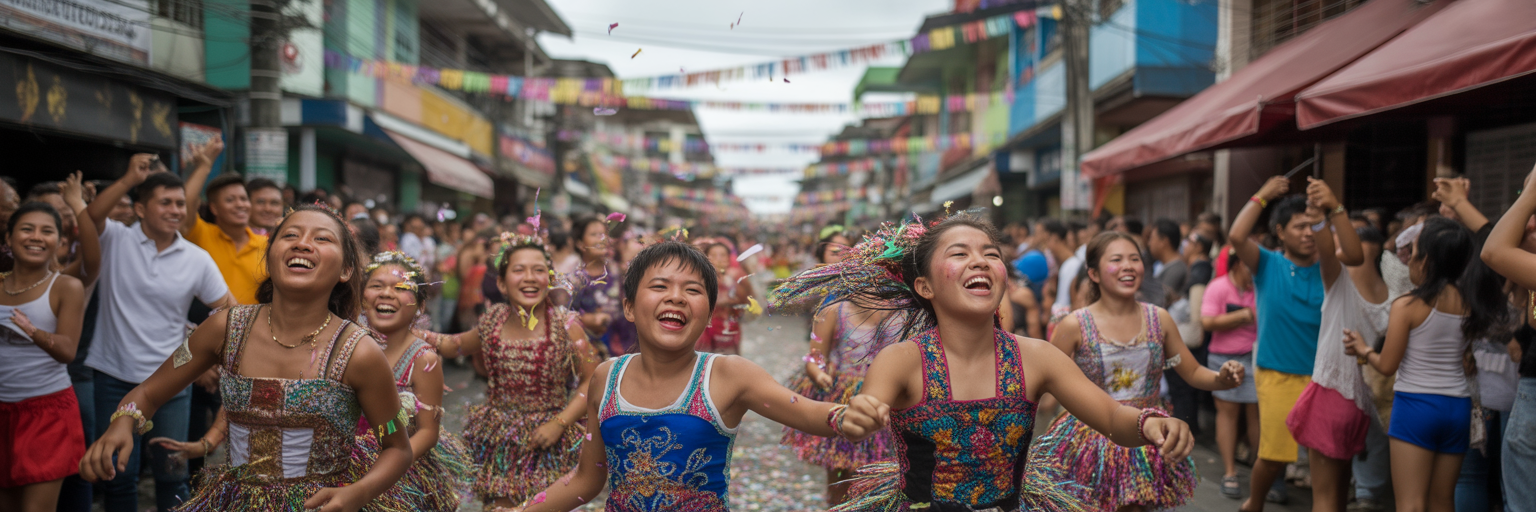
To understand the soul of the Philippines, you must experience a fiesta. These vibrant, chaotic, and joyous celebrations are the ultimate expression of Filipino community, faith, and hospitality. Held in towns and cities across the country to honour patron saints, fiestas are a colourful blend of Catholic traditions and pre-colonial harvest festivals. The result is a party like no other, an explosion of sound, colour, and energy that sweeps everyone into its embrace.
Imagine the streets of Kalibo during Ati-Atihan or Cebu during Sinulog. The air thrums with the relentless beat of drums as thousands of performers in elaborate, kaleidoscopic costumes dance in massive street parades. The energy is infectious, and spectators quickly become participants, dancing alongside the troupes. This is not an event to be watched from the sidelines; it is a celebration to be joined.
One of the most powerful cultural insights you can gain at a fiesta is through the tradition of the ‘open house’. During the celebration, many families open their doors to friends, neighbours, and even complete strangers, offering a feast of home-cooked food. Accepting such an invitation is a chance to experience the Filipino value of kapwa, a deep sense of shared identity and connection with others. It is a powerful reminder that hospitality can be a community’s greatest gift.
For a young traveler looking to dive in, a few practical tips are essential. Book your accommodation far in advance, as entire cities sell out months ahead of major festivals. Be prepared for massive crowds and the joyful chaos that comes with them. Pack light, stay hydrated, and keep your valuables secure. Most importantly, come with an open heart. Learn a few basic phrases in the local dialect, smile freely, and be ready to embrace the spontaneous spirit of the day. The fiesta is a full-body experience, a celebration of life at its most exuberant.
Experience 10: Discovering Singapore’s Culinary Soul in its Hawker Centres
Many visitors mistake Singapore’s hawker centres for simple food courts. This could not be further from the truth. In 2020, Singapore’s hawker culture was inscribed on the UNESCO list of Intangible Cultural Heritage, cementing its status as a vital cultural institution. These bustling, open-air complexes are the nation’s community dining rooms, a place where people from all walks of life, from construction workers to CEOs, come together to share a meal. This makes them one of the best experiences for Southeast Asia travel for young adults seeking authentic, affordable culture.
The sheer diversity of food is staggering. In a single hawker centre, you can find stalls representing the primary cultures of Singapore: Chinese, Malay, Indian, and Peranakan. This is where you can sample iconic dishes prepared by vendors who have spent decades perfecting a single recipe. Must-try dishes include the fragrant Hainanese Chicken Rice, the spicy coconut-based Laksa, and the rich, savoury Chili Crab. The best part is that these Michelin-quality meals are available for just a few dollars.
For a first-timer, the experience can seem a little intimidating, but the system is simple once you know the rules. First, you need to reserve a table. Look for a packet of tissues on an empty seat; this is the local method of ‘chope-ing’, or saving your spot. Once you have a table, you can wander the stalls to decide on your meal. Most stalls require payment in cash, so make sure you have some small notes on hand. Then, simply tell the vendor your table number, and they will often deliver the food to you.
More than just a place to eat, a hawker centre is the most authentic way to observe daily Singaporean life. It is a living, breathing microcosm of the nation’s multicultural society, a place built on a shared love of good food. Pull up a stool, order something that looks delicious, and soak in the atmosphere.
Carrying the Experience Home
The ten encounters detailed here are more than just items on an itinerary. They are invitations to engage with Southeast Asia on a more meaningful level. The central idea is simple: true travel fulfillment comes from active, respectful participation, not passive observation. Whether it is learning to cook a local dish, understanding the story behind a dance, or making an ethical choice that supports a community, these are the moments that stick with us. They are the souvenirs that do not collect dust on a shelf.
Consider this list a starting point. The real journey begins when you cultivate your own curiosity. Ask questions. Learn a few phrases in the local language. Step away from the main tourist drag and wander down a side street. Support local economies by buying directly from artisans and eating at family-run stalls. These small acts of mindful travel have a large impact, both on the places you visit and on you.
This spirit of discovery can be applied anywhere, proving that adventure is a mindset, not a location. You can find unique character in unexpected places, from the bustling markets of Bangkok to the quiet plains of Texas, as we found when exploring Wichita Falls, Texas. The journey does not end when your flight touches down at home. It continues in the new perspectives you have gained, the empathy you have developed, and the stories you carry with you, long after your backpack is unpacked.