The Allure and Challenge of Group Adventures
Some of the best travel stories begin with the phrase, “Remember that time we all…”. These shared experiences, from navigating a foreign subway system to discovering a hidden beach, forge powerful and lasting memories. For young adults, group travel offers an irresistible combination of adventure, affordability, and camaraderie. It’s the economic sense of splitting the cost of a great apartment, the built-in safety net when exploring an unfamiliar city at night, and the simple joy of creating a history that belongs to everyone involved.
Yet, for every story of a perfectly synchronised trip, there’s a cautionary tale of one that went sideways. We’ve all heard them. The friction that builds when one person’s meticulous spreadsheet clashes with another’s go-with-the-flow attitude. The quiet tension that simmers over mismatched budgets, where one friend wants to splurge on fine dining while another is carefully counting every coin. These challenges are not just possibilities; they are common pitfalls that can turn a dream vacation into a test of friendships.
This isn’t to say you should travel alone. Instead, it’s an acknowledgment that the magic of group travel doesn’t just happen. It’s architected. The difference between a trip that strengthens bonds and one that strains them often comes down to foresight and a bit of structure. It’s about understanding that managing group travel dynamics is as crucial as booking the flights. The most memorable trips are not those without challenges, but those where the group is equipped to handle them together.
This guide is designed to be that equipment. It provides a proactive framework for not just avoiding conflict, but for designing an adventure that is memorable for all the right reasons. We will explore five core strategies that cover everything from choosing your travel companions to navigating disagreements on the road. With these approaches, you can move from hoping for a great trip to actively planning one.
Strategy 1: Curate Your Crew for Better Chemistry
The foundation of a successful group trip isn’t the destination or the itinerary; it’s the people you share it with. This isn’t about excluding friends, but about being honest that travel compatibility is a unique form of chemistry. A great friend for a coffee catch-up might not be the ideal companion for a two-week trek through a new country. Proactively curating your crew is the single most important investment you can make in the quality of your adventure.
Finding the ‘Goldilocks’ Group Size
Group size has a direct impact on logistics and social dynamics. A small group of four to six people is nimble. You can fit into a single taxi, get a table at a small restaurant without a reservation, and make decisions quickly. The downside is that if two people disagree, the tension can feel more concentrated. Larger groups, on the other hand, offer more social energy and can absorb minor conflicts more easily. However, booking transport or finding accommodation for twelve people becomes a significant logistical puzzle.
When it comes to pre-arranged tours, there’s often a sweet spot. As experts in youth travel at Under30Experiences highlight, a group of ten to fifteen travellers often balances personalised attention from a guide with enough social dynamism to ensure everyone finds like-minded companions. For a self-planned trip, a group of six to eight is often the ‘Goldilocks’ size, offering flexibility with a good social buffer.
Beyond Numbers: Aligning on Travel Styles
Every traveller has a unique ‘travel identity’ shaped by their budget, pace, and interests. Misalignment here is a primary source of friction. Before anyone buys a plane ticket, have an open conversation. Think of it as a pre-trip alignment session. Here are some essential questions to discuss:
- The Money Question: What is your absolute maximum daily spend for food and activities? Are you a street-food-and-supermarket person or a sit-down-restaurant person?
- The Pace Question: Are you an early-to-rise explorer who wants to see three museums before lunch, or a late-night socialiser who prefers a slow start to the day?
- The Planning Question: Is your ideal day packed with sights, or is it centered around one key experience with plenty of downtime for spontaneous discoveries?
Answering these questions honestly helps everyone understand what they are signing up for. It’s also a chance to see if interests align. If half the group wants to spend their days hiking and the other half wants to explore art galleries, it’s better to know that upfront. You might find that your group has diverse interests, which is where exploring comprehensive resources like our guide to experiencing Mission, Texas, can help everyone find activities that cater to their specific tastes, from cultural deep dives to exploring local life.
Vetting Pre-Arranged Group Tours
If you opt for a pre-arranged tour, you’re not just choosing a destination; you’re choosing a tour operator and a travel philosophy. Do your research. Look beyond the glossy photos and scrutinise reviews. Specifically, search for comments that mention group dynamics, the age range of fellow travellers, and the tour leader’s style. Is the leader a hands-on guide who fosters community, or more of a logistical coordinator? Some companies are known for fast-paced, party-centric trips, while others focus on cultural immersion. Choose one that matches your group’s intended vibe.
The ‘One-Trip Trial’
For a new group of friends considering a big international trip, consider a low-stakes trial run. A weekend camping trip or a short city break can be an excellent compatibility test. It’s a small-scale version of the real thing, revealing how the group handles shared spaces, makes decisions under pressure, and manages a collective budget. This ‘one-trip trial’ can either validate your group’s chemistry or highlight potential issues before you’ve invested thousands of dollars and weeks of vacation time.
Strategy 2: Establish Clear Roles and Responsibilities

The romantic idea of a spontaneous trip where everything magically falls into place rarely survives contact with reality. More often, the “just winging it” approach creates a vacuum of responsibility that one or two hyper-organised people inevitably fill. This can quickly lead to decision fatigue for them and a sense of disenfranchisement for everyone else. A little structure, far from stifling spontaneity, actually enables it by creating a smooth operational backbone for the trip.
The Downfall of ‘Just Winging It’
When no one is officially in charge, every minor decision, from choosing a lunch spot to figuring out the bus schedule, becomes a committee meeting. This constant negotiation is exhausting. It also places an unfair burden on the ‘default planner’ in the group, who ends up spending their vacation managing logistics instead of enjoying it. This imbalance is a common source of resentment. Establishing clear roles from the outset is an act of collective respect for everyone’s time and energy.
Defining the Trip Leader as a Facilitator
The term ‘trip leader’ can sound authoritarian, but the role should be reframed as a facilitator or central coordinator. This person isn’t the boss; they are the point person who holds the master documents, sends reminders about booking deadlines, and ensures everyone has the information they need. The best person for this role is not necessarily the most dominant personality, but the most organised and reliable. Their job is to keep the train on the tracks, not to dictate the destination.
The Power of Delegation: Assembling a ‘Trip Committee’
The most effective way to ensure shared ownership is to delegate. Turn trip planning into a collaborative effort by creating a ‘trip committee’ with fun, defined roles. This gamifies the process and ensures no single person is overwhelmed. Consider assigning roles like these:
- Chancellor of Coin: This person sets up and manages the group expense-tracking app. They are the go-to for questions about the shared budget.
- Head of Navigation: Responsible for downloading offline maps, figuring out public transport routes, and being the day-to-day directional guide.
- Chief Food Officer (CFO): Researches dining options that fit the group’s budget and tastes, from must-try street food stalls to restaurants that can accommodate a large party.
- Vibe Manager: The curator of the group’s energy. This person makes the travel playlists, suggests downtime activities, and finds the perfect spot for a sunset drink.
Leveraging Technology for Seamless Coordination
Modern tools have made group coordination easier than ever. A key part of how to plan a group trip is using technology to create a central source of truth. Set up a shared Google Doc or Notion page for the master itinerary, including flight details, accommodation addresses, and confirmation numbers. A WhatsApp or Telegram group is essential for real-time communication, like sharing a live location or announcing a last-minute change of plans. For expenses, an app like Splitwise is non-negotiable. It tracks who paid for what and settles the balances at the end, eliminating awkward conversations about money. For trips with multiple paid events, using an event registration and ticketing platform can centralise confirmations and payments, preventing confusion and ensuring everyone is on the same page.
Strategy 3: Master the Art of Pre-Trip Planning
The most relaxed and enjoyable group trips are almost always the result of meticulous pre-planning. Addressing the two biggest potential sources of conflict, money and activities, before you leave home is the best antidote to in-trip stress. This phase is about creating a clear, democratic, and financially transparent framework that everyone agrees on. It’s the logistical core of a successful adventure.
Building a Democratic Itinerary
An itinerary should be a balance of must-do activities and flexible free time. A great way to build one democratically is through a simple, structured process:
- The Wishlist: Create a shared document where each person adds their top three ‘must-do’ activities or experiences for the trip. This ensures everyone’s priorities are heard.
- The Map Plot: Plot all the wishlist items on a digital map. This immediately reveals geographic clusters, helping you group activities logically and minimise travel time between them.
- The Schedule Draft: Build a day-by-day schedule that incorporates the clustered activities. Crucially, balance busy days with more relaxed ones and schedule in blocks of ‘free time’ where people can explore on their own or simply rest.
To get ideas for your wishlist, exploring comprehensive resources like our in-depth city guides can help everyone discover activities that align with their interests and build a truly collaborative plan.
The All-Important Money Conversation
Talking about money can be awkward, but not talking about it is far worse. The key to successful budgeting for a group vacation is transparency. Before any bookings are made, the group needs to agree on a realistic budget. Use a table to break down the estimated costs, as it transforms a vague concept into a concrete plan. This isn’t just about the total number; it’s about agreeing on the spending style for each category.
| Expense Category | Estimated Cost (Example: 7-Day European City Trip) | Key Considerations |
|---|---|---|
| Flights/Major Transport | $700 – $1,200 | Book 3-6 months in advance for better pricing. |
| Accommodation | $350 – $700 ($50-100/night) | Hostels vs. Airbnb. Cost varies greatly by location and privacy level. |
| Pre-Booked Activities/Tours | $150 – $300 | Includes museum passes, guided tours, or special events. |
| Daily Food & Drink | $420 – $630 ($60-90/day) | Agree on a mix of street food, groceries, and restaurant meals. |
| Local Transport | $70 – $100 ($10-15/day) | Factor in metro passes, ride-sharing, and occasional taxis. |
| Contingency Fund (15%) | $250 – $450 | Covers emergencies and spontaneous opportunities. Non-negotiable. |
Note: These figures are estimates for a mid-range trip and can vary significantly based on destination, travel style, and booking time. The purpose of this table is to provide a structured framework for your group’s own budget discussion.
Decoding the Fine Print on Group Tours
If you’re booking a tour, read the itinerary with a critical eye. The advertised price is often just the starting point. Scrutinise what is actually included. Are all meals covered, or just breakfast? Are entrance fees to the main attractions part of the package? Pay close attention to the list of ‘optional’ excursions. These can add up quickly and significantly increase the total cost of the trip. A tour that seems cheaper upfront may end up being more expensive once you account for all the extras.
The Wisdom of a Contingency Fund
A shared contingency fund is not just for emergencies like a missed flight or a medical issue. It’s also an opportunity fund. It’s the money that allows the group to say ‘yes’ to a spontaneous boat trip, a last-minute concert ticket, or a fantastic restaurant that wasn’t in the original plan. Agreeing on a buffer, typically 15% of the total trip cost, gives the group flexibility and prevents a great opportunity from turning into a stressful financial debate. It’s a non-negotiable part of a smart group budget.
Strategy 4: Pack Smart for Group Mobility
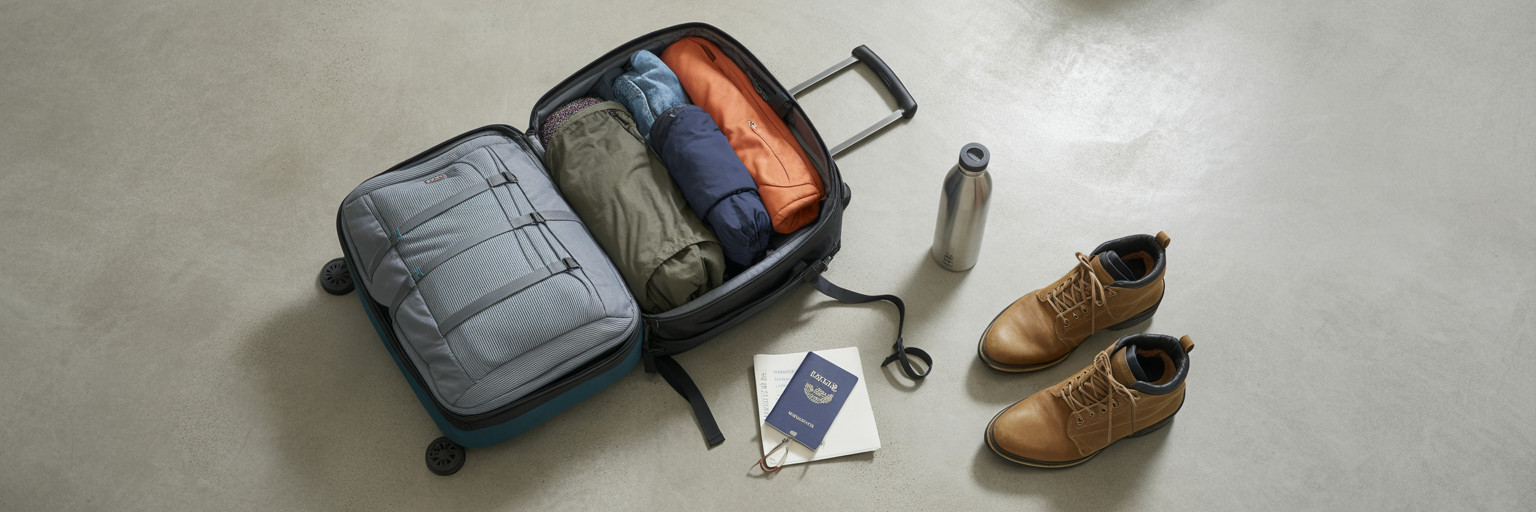
Packing is often seen as a personal task, but in a group travel context, it’s a collective responsibility. How each person packs has a direct impact on the entire group’s mobility, stress levels, and overall experience. Packing light is not just about personal convenience; it’s an act of consideration for your travel companions. It’s what keeps the group moving smoothly and efficiently.
The Domino Effect of an Overpacked Bag
Picture this: your group arrives at the train station with five minutes to spare, but one person is struggling to drag a massive, heavy suitcase up a flight of stairs. Or you’ve rented a car that looked spacious online, only to find you can’t fit everyone’s luggage in the trunk. These are the real-world consequences of overpacking. An overpacked bag slows everyone down. It makes navigating cobblestone streets a nightmare, turns hopping on and off public transport into a logistical challenge, and adds unnecessary stress to every transition point of your journey.
Adopting a Capsule Wardrobe and Packing Cubes
The solution is to pack smart, not more. Embrace the concept of a capsule wardrobe: a limited selection of versatile, mix-and-match clothing items in a complementary colour palette. Choose fabrics that are wrinkle-resistant and quick-drying. The goal is to create multiple outfits from a few key pieces. To take your organisation to the next level, use packing cubes. These small fabric containers are essential for compressing clothing and compartmentalising your luggage. You can have one for tops, one for bottoms, and one for underwear, making it easy to find what you need without tearing your entire bag apart.
Coordinate and Conquer: Sharing Gear to Save Space
One of the biggest advantages of group travel is the ability to share resources. Before the trip, create a shared list of communal items to avoid unnecessary duplication. There’s no reason for six people to each pack their own hairdryer or bottle of sunscreen. Here are some items that are perfect for sharing:
- Power banks and universal travel adapters
- Hairdryers and other styling tools
- Sunscreen and basic toiletries like toothpaste
- First-aid supplies
- Portable speakers
This coordinated approach to what to pack for a group tour can save a surprising amount of space and weight across the group’s luggage.
Choosing the Right Vessel: Backpack vs. Suitcase
The choice between a backpack and a rolling suitcase depends entirely on the nature of your trip. A rolling suitcase is ideal for a single-city stay where you’ll be primarily in hotels with elevators and travelling by car. It’s easy on your back and keeps your clothes neatly organised. However, a backpack is far superior for a multi-destination trip, especially in places with varied terrain like Southeast Asia or parts of Europe. It offers unparalleled mobility for navigating crowded train stations, walking over uneven surfaces, and climbing stairs to your hostel. The right choice enhances your mobility and reduces physical strain. Whether you’re planning a multi-city tour or a deep dive into one location, having the right gear is essential, and resources like those on When In Your City can help you get started on planning all kinds of city-based adventures.
Strategy 5: Cultivate Flexibility and Open Communication
Even the most perfectly planned trip will encounter unexpected twists. A train will be delayed, a museum will be inexplicably closed, or the weather will refuse to cooperate. The strategies that define a successful group at this stage are not logistical, but interpersonal. It’s about cultivating the soft skills of flexibility, open communication, and mutual respect. The most resilient groups are not those with a flawless plan, but those who are masters of adaptation.
Implement the ‘Daily Huddle’
One of the most effective yet simple group travel tips for young adults is the ‘daily huddle’. This is a quick, 10-minute check-in each morning over coffee. It’s a moment to review the plan for the day, confirm timings, and, most importantly, gauge the group’s energy levels. Is everyone excited about the planned hike, or are some people feeling tired and preferring a more relaxed afternoon? This simple ritual preempts misunderstandings and allows for small adjustments before they become major issues. It keeps everyone aligned and feeling heard.
Championing ‘Scheduled Solo Time’
Spending 24/7 with the same people, even your closest friends, can be intense. It’s crucial to normalise and even schedule solo time. Frame it not as an escape from the group, but as a positive opportunity for everyone to recharge and pursue their individual interests. One person might want to spend an afternoon sketching in a park, while another wants to visit a niche bookstore. This time apart makes the time spent together more enjoyable and prevents social fatigue. When you regroup for dinner, you’ll have new stories and experiences to share.
A Toolkit for Constructive Disagreements
Disagreements are inevitable, but they don’t have to lead to conflict. The key is how you communicate. When a point of friction arises, encourage the use of ‘I’ statements instead of accusatory ‘you’ statements. For example, instead of saying, “You always plan too much in one day,” try, “I’m feeling a bit tired and would prefer a more relaxed dinner tonight.” This approach focuses on your own feelings and needs without placing blame. It opens the door for compromise rather than defensiveness, which is fundamental to managing group travel dynamics effectively.
Embracing Serendipity: The Joy of a Derailed Plan
Finally, cultivate a mindset that embraces serendipity. A derailed plan is not a disaster; it’s an unplanned adventure. That missed train might lead you to discover a charming small town you would have otherwise passed through. A rainy day that cancels your beach plans could be the perfect opportunity to stumble upon a cozy local café and spend hours talking. Some of the most cherished travel memories are born from these unexpected moments. Encourage the group to see detours not as failures of the itinerary, but as invitations to discover something new together.
Forging Bonds Through Shared Journeys
The success of a group trip is rarely measured by a flawless itinerary. It’s measured in the shared laughter over a meal, the inside jokes born from a travel mishap, and the quiet confidence that comes from navigating the world together. The strategies we’ve discussed—curating the right crew, establishing clear roles, meticulous pre-planning, smart packing, and fostering open communication—are not just about avoiding problems. They are a system designed to create the space for these moments to happen.
These five pillars work in concert to build a foundation of trust and mutual respect. When you know your travel companions share your pace and budget, you can relax. When roles are clear, no one feels overburdened. When the big decisions about money and activities are made beforehand, you’re free to enjoy the present moment. When you’ve packed light, you can move with freedom. And when you have the tools to communicate openly, you can navigate any challenge that comes your way.
Ultimately, the journey itself, with all its imperfections and unexpected turns, becomes the real destination. It’s in those moments of shared vulnerability and collective problem-solving that friendships deepen. You return home not just with photos, but with a stronger bond and a collection of stories that will be retold for years to come.
Armed with these strategies, you’re ready to turn your dream group trip into a reality. You have the tools to plan an adventure that is not only fun and exciting but also a meaningful experience that strengthens your connections. Start exploring your next destination with our in-depth city guides and get inspired for the journey ahead.