Most of us have a list of places that live more in our imagination than in our travel plans. Seeing the sunrise over Angkor Wat or hearing the crackle of the Northern Lights are profound dreams, yet they often remain just that. The gap between dreaming and doing is frequently filled with logistical hurdles, financial questions, and the simple inertia of daily life. While the idea of a solo journey holds a certain romantic appeal, for these monumental, once-in-a-lifetime destinations, the power of a shared experience is often overlooked.
The journey to a bucket list destination begins with a psychological shift, moving from the idea of ‘my trip’ to ‘our experience’. Witnessing something truly extraordinary in the company of others creates a collective energy that deepens the personal impact. A moment of awe is powerful when experienced alone, but it becomes a lasting, shared memory when you can turn to someone and see that same wonder reflected in their eyes. This shared context transforms a beautiful view into a story you will tell together for years.
This collective approach is not a compromise. Instead, it is a modern solution that addresses a fundamental human need for connection, especially in a world that can feel increasingly disconnected. The benefits of group tours are built on pillars that make these grand adventures more accessible and meaningful. They remove the friction of complex planning, make seemingly expensive trips financially viable, and create a supportive social environment. More than just logistics, a shared journey fosters a sense of community around a peak moment, turning a personal achievement into a collective celebration. It is about discovering the world not just for yourself, but with others who are just as present and invested in the moment as you are.
The Unmatched Value of Collective Exploration
The allure of solo travel is undeniable, promising freedom and self-discovery. Yet, for those monumental destinations that define a lifetime of travel dreams, the collective journey offers a different, often more profound, kind of enrichment. We all have that mental list of places, whether it is the vast salt flats of Bolivia or the ancient city of Petra. The inertia that keeps these dreams on the page often stems from the sheer scale of the undertaking. This is where the perspective shifts from an individual challenge to a shared adventure.
Experiencing something truly magnificent, like the first glimpse of Machu Picchu through the morning mist, is a deeply personal moment. However, when that moment is shared, it gains a new dimension. The collective gasp of a group, the shared silence of reverence, and the excited chatter that follows create a powerful, resonant energy. You are not just processing the view through your own lens but through the combined experience of everyone around you. This shared memory becomes a bond, a story that belongs to the group, amplifying its significance long after you have returned home.
In an age of digital interactions, the desire for genuine human connection has never been stronger. Group travel directly answers this need, creating a temporary community forged by shared discovery. It is not merely about convenience, though that is a significant factor. It is about fulfilling a contemporary need for shared peak moments. The core themes that make this possible are logistical ease, financial accessibility, social connection, and exclusive access. These pillars work together to transform a daunting dream into a tangible reality. The benefits of group tours lie in their ability to handle the complexities, allowing you to focus entirely on the experience itself. It reframes the journey not as a solitary pursuit but as a collaborative exploration of the world’s wonders.
Streamlining the Complexities of Epic Adventures
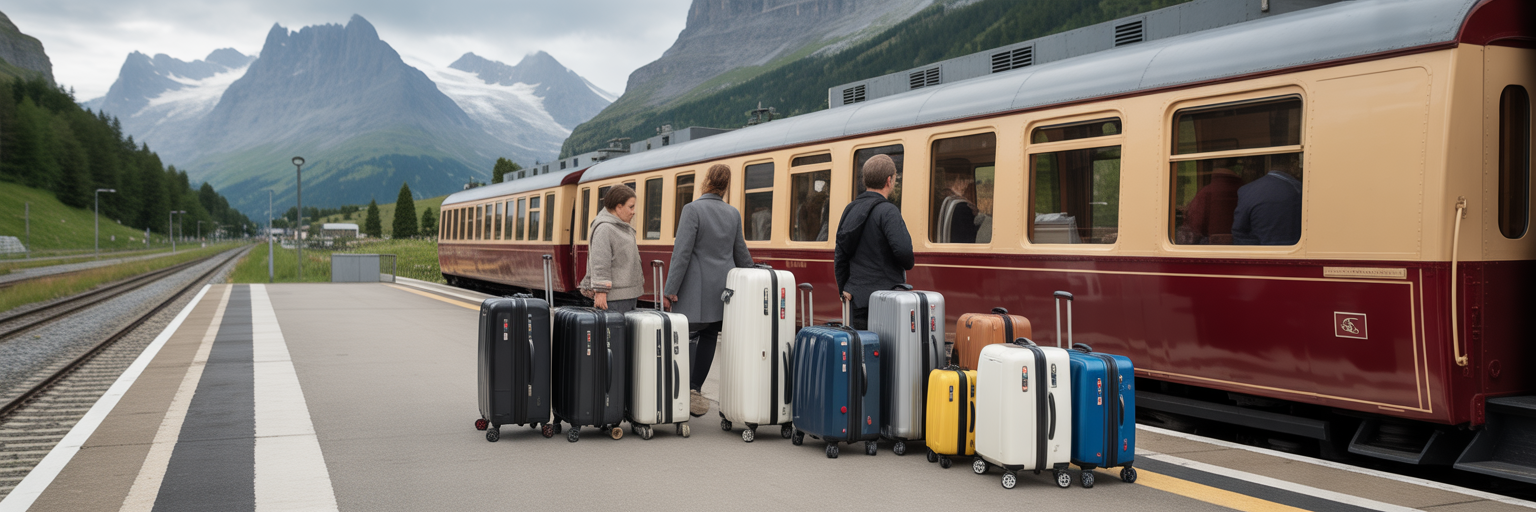
The practicalities of planning a major trip can quickly overshadow the excitement. The initial thrill of choosing a destination gives way to a daunting list of tasks, turning a dream vacation into what feels like a second job. Organized group travel is designed to absorb this complexity, allowing you to immerse yourself in the experience without the weight of logistical management.
The End of Logistical Nightmares
Consider a multi-country trip through Southeast Asia, a classic bucket list adventure. An independent traveler must juggle coordinating international and domestic flights, booking a dozen different hotels, arranging ground transport from buses to boats, and navigating complex visa requirements for each country. The browser tabs multiply, spreadsheets become unwieldy, and the risk of one missed connection causing a domino effect of problems is always present. In contrast, a well-organized tour consolidates all of these moving parts into a single, seamless booking. The entire intricate web of logistics is handled by experts who have navigated these routes countless times, freeing you from the stress of execution.
Expert Navigation in Unfamiliar Lands
Once you arrive, a new set of challenges emerges. How do you navigate a sprawling city where you do not speak the language? Which cultural customs are essential to observe to show respect? A local guide or tour director is more than just a navigator, they are a cultural bridge. They eliminate language barriers, steer you away from common tourist traps, and handle the simple but draining stress of figuring out how to get from point A to point B. This expert guidance allows you to be fully present, to observe the details of your surroundings, and to engage with the culture authentically instead of being preoccupied with your map or translation app. This principle of needing curated insights is universal, whether you are on an international tour or exploring closer to home with a detailed resource like our guide to the real Conroe, Texas.
Overcoming Decision Fatigue
The freedom of choice can be liberating, but it can also be exhausting. When planning a major trip, the sheer volume of decisions can become overwhelming. Which of the hundreds of restaurants should you try? Which historical sites are truly worth your limited time? Which train ticket offers the best value? This is decision fatigue, and it can diminish the joy of travel. With adventure travel with a group, these choices are curated by experts. The itinerary is designed to include high-quality, proven experiences, from meals at authentic local eateries to visits to can’t-miss landmarks. This curation ensures you experience the best of a destination without the mental burden of endless research and second-guessing. By removing the logistical and mental load, the journey is transformed from a stressful project into a truly restorative and immersive adventure.
Making Dream Destinations Financially Attainable
One of the most significant barriers to ticking off a bucket list destination is the perceived cost. A trip to the Galapagos Islands or an African safari can seem financially out of reach for an individual traveler. However, group travel fundamentally changes the economic equation, making these dream destinations a realistic goal. This is where the concept of affordable bucket list travel moves from wishful thinking to practical planning.
The core principle at work is group buying power. Tour operators negotiate with airlines, hotels, and local suppliers for rates that are simply not available to the public. By booking in bulk, they secure significant discounts that are passed on to the travelers. Think of it like a wholesale club for travel, where the collective purchasing power of the group unlocks a better price for everyone. This means the cost of a hotel room, a guided excursion, or even a meal is often lower than what you could find on your own.
Furthermore, the upfront price of a group tour provides something that is hard to achieve when traveling solo: budget certainty. The package typically includes most of the major expenses, which can be broken down as follows:
- Transportation: All flights, airport transfers, and local transport between destinations.
- Accommodation: Stays in vetted hotels, lodges, or ships for the duration of the trip.
- Guided Tours: Entry fees to parks and museums, plus the cost of expert local guides.
- Most Meals: Often, all breakfasts and a significant number of lunches and dinners are included.
- Gratuities: Tips for local guides, drivers, and hotel staff are frequently covered.
This all-inclusive nature helps you avoid the “hidden costs” that can quickly derail a solo traveler’s budget. Unexpected taxi fares, tips at every turn, and last-minute transport needs are already accounted for. You know the total cost of your trip before you even leave home, allowing for much more effective financial planning.
A clear example of this value is an African safari, where the costs of private vehicles, expert guides, and remote lodging are prohibitively high for most individuals. When these costs are shared among a small group, the per-person price drops dramatically.
Cost Comparison: Solo vs. Group Travel for a 7-Day African Safari
| Cost Component | Estimated Solo Traveler Cost | Estimated Group Tour Cost (Per Person) | Key Difference |
|---|---|---|---|
| Private 4×4 Vehicle & Guide | $3,500+ | $1,200 | Cost is shared among 6-8 travelers. |
| Mid-Range Safari Lodge (6 nights) | $2,400 | $1,800 | Group booking discounts applied. |
| National Park Entry Fees | $600 | $600 | Generally a fixed per-person cost. |
| Airport Transfers & Local Transport | $300 | Included | Bundled into the tour package. |
| Meals (Breakfast, Lunch, Dinner) | $420 | Often included (all but 1-2 meals) | Bulk catering and pre-negotiated rates. |
Note: These figures are estimates for illustrative purposes. Costs can vary based on season, operator, and level of luxury. The table demonstrates how sharing major expenses like private guides and transport dramatically reduces the per-person cost, making an otherwise expensive trip accessible.
The Power of Shared Experiences and Human Connection

Beyond the practicalities of logistics and finance, the true heart of group travel lies in its human element. While the first section touched on the power of shared awe, this is about the rich social dynamics that unfold during a journey. It is the community that forms on a tour bus, the friendships sparked over a shared meal, and the collective encouragement that turns a great trip into a cherished memory.
The Joy of Collective Awe
There is a unique energy created when a group experiences something magical together. Imagine watching a pod of whales breach the ocean’s surface. As a solo observer, it is a breathtaking sight. But when you are surrounded by others who share your gasp of astonishment, the emotion is validated and amplified. The shared laughter during a bumpy jeep ride, the collective silence while watching a sunset over the desert, or the shared sigh of satisfaction after a delicious meal, these moments create a powerful emotional tapestry. The experience is no longer just yours, it belongs to everyone, and that shared ownership makes it more profound.
A Built-In Social Network
For many, especially solo travelers, the prospect of loneliness can be a deterrent to exploring the world. Group travel instantly solves this by providing a built-in social network. You have immediate companions for dinners, conversations, and exploring during free time. This is equally valuable for couples or families who enjoy meeting new people from different walks of life. The connections formed on a trip are often surprisingly deep, forged through the intensity of shared discovery. As noted by Travel + Leisure, travelers are increasingly seeking these kinds of immersive, organized trips that foster connection. This seamless social fabric stands in contrast to the detailed planning required for independent trips, where even finding great local spots requires research. For those who enjoy that process for domestic travel, resources like our city guide to San Angelo, Texas, can be an invaluable tool.
Encouragement to Step Beyond Your Comfort Zone
The supportive dynamic of a group can be a powerful motivator. You might be hesitant to try an unfamiliar local dish, attempt to speak a few words of a new language, or join in a local dance if you were on your own. But when you see others in your group taking the plunge, it creates a safe and encouraging environment to do the same. This gentle push from your peers can lead to some of the most authentic and memorable travel experiences. This is particularly true when it comes to planning a multigenerational trip. An organized tour expertly balances the needs of different ages, interests, and mobility levels. It allows grandparents, parents, and children to create lasting memories together without the logistical friction of trying to please everyone. The tour handles the details, so the family can simply enjoy being together.
Unlocking Doors to Exclusive Access and Deeper Insights
A common misconception is that group tours offer a surface-level experience. In reality, the opposite is often true. Reputable tour operators leverage their long-standing relationships and local expertise to provide access and insights that an individual traveler could never arrange on their own. This is not just about a simpler trip, it is about a richer, more meaningful one.
Established tour companies have spent years, sometimes decades, building connections in the destinations they visit. This allows them to secure exclusive experiences that are off-limits to the general public. Imagine an after-hours tour of the Vatican Museums, where you can admire the Sistine Chapel in near silence, free from the usual crowds. Picture a private cooking class in a Tuscan farmhouse with a family that has passed down recipes for generations, or gaining access to an active archaeological dig site to speak directly with the researchers. These are the kinds of moments that transform a trip from great to unforgettable, and they are often only possible through the curated access of a group tour.
The most valuable asset on any tour is often the local guide. These are not just people who point out landmarks, they are passionate historians, naturalists, and cultural experts who bring a destination to life. A guidebook can give you facts and dates, but a great guide tells you the stories, the legends, and the nuanced cultural context that lies beneath the surface. They can explain the symbolism in a piece of art, identify a rare bird in the rainforest, or recommend a little-known local market. This narrative depth provides a level of understanding that self-guided exploration rarely achieves. This principle of seeking authentic, local knowledge applies to all travel. For those planning trips within the US, exploring with the insight of our local’s guide to the real Edinburg, Texas, can similarly elevate a visit from a tourist stop to a genuine experience.
Safety and security are also paramount, especially in more remote or adventurous locations. Traveling with a reputable operator provides a crucial safety net. They have contingency plans, access to local support networks, and the experience to handle unforeseen circumstances. This peace of mind is invaluable, particularly for guided tours for seniors, a demographic that often prioritizes safety and the comfort of knowing that all logistics are expertly managed. Ultimately, some of the world’s most incredible experiences are inherently group-based. Chartering a riverboat down the Amazon, arranging a private performance by local musicians, or organizing a visit to a remote village are endeavors that require the scale and coordination of a group, making shared travel the only way to access them.
Considering the Full Picture of Group Journeys
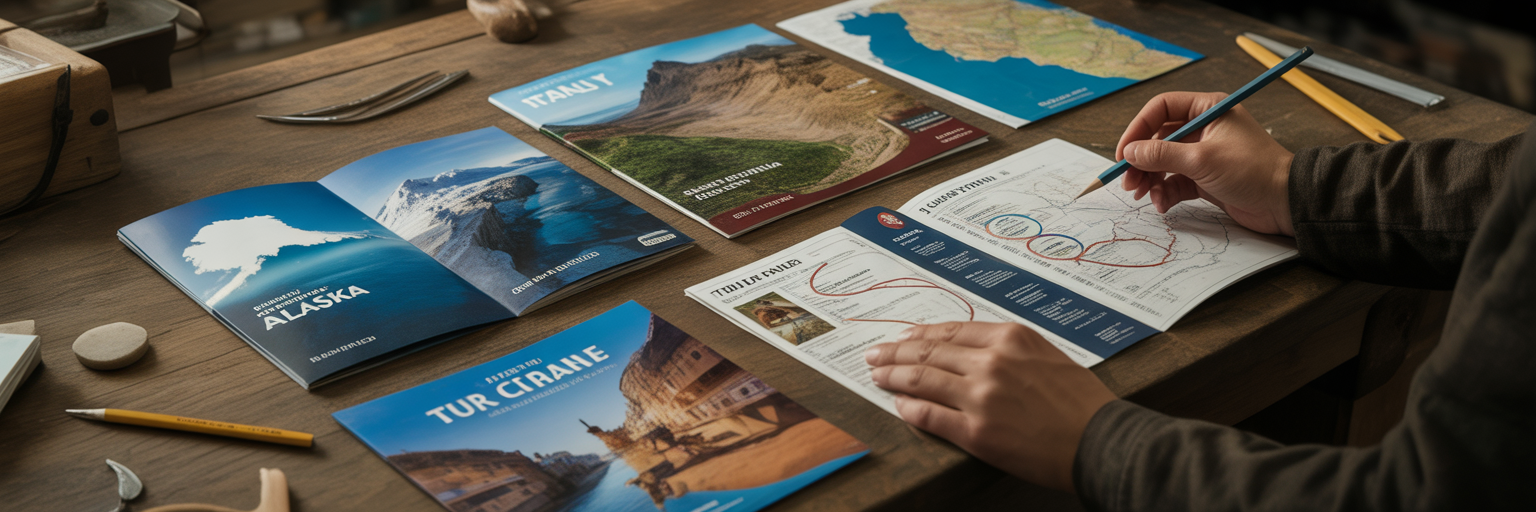
To make an informed decision, it is important to have a balanced perspective. While group travel offers immense benefits, it is fair to acknowledge the common apprehensions that some travelers have. Concerns about rigid itineraries, a lack of spontaneity, or the potential for personality clashes within a group are entirely valid. The key is not to dismiss these concerns, but to understand how to choose a tour that mitigates them and aligns with your personal travel style.
The modern travel industry offers a vast spectrum of tour styles. The one-size-fits-all bus tour of the past has been replaced by highly specialized options. If you fear a restrictive schedule, look for operators that specifically build in ample “free time” for independent exploration. If you are worried about being lost in a crowd, opt for small-group tours, which typically have fewer than 16 people and offer a much more intimate and flexible experience. Reading reviews is also crucial, as they provide honest insights into a company’s travel philosophy and the type of traveler they typically attract.
To find the perfect fit, it helps to have a clear checklist of what to look for. Before booking any tour, consider the following factors:
- Group Size: Do you prefer a larger, more social atmosphere or a small, intimate group?
- Pace of Travel: Is the itinerary relaxed, with multiple nights in each location, or is it a fast-paced trip covering a lot of ground quickly?
- Physical Activity Level: Does the tour involve strenuous hiking, or is it focused on cultural sites with minimal walking? Be honest about your fitness level.
- Accommodation Style: Are the hotels luxurious, boutique, or more rustic and adventurous? Ensure it matches your comfort level.
- Inclusions and Optional Extras: Understand exactly what is covered in the price and what activities will be an additional cost.
By carefully considering these points, you can match a tour to your personal preferences. The right group travel for bucket list destinations does not just make the trip possible, it enhances it. It allows you to harness all the benefits of shared costs, expert guidance, and human connection, turning a lifelong dream into a perfectly executed reality. And for those times you prefer to plan your own city breaks, the resources on our When In Your City homepage offer a wealth of guides for your independent adventures.