The New Priorities of Youth Travel: Decoding Gen Z Travel Trends
Travel for young adults has fundamentally shifted. The old model of passive sightseeing, marked by ticking off landmarks from a checklist, has been replaced by an active search for personal growth and genuine experiences. This change reflects a deeper understanding that a trip’s value is measured in memories and skills, not just passport stamps. We are witnessing a clear pivot in Gen Z travel trends, where the journey itself becomes a tool for self-discovery.
Defining the Modern Young Traveler’s Quest
Today’s traveler is on a quest for more than just a vacation. They are seeking a powerful combination of adrenaline, cultural immersion, and meaningful human connection. It’s about the feeling of conquering a mountain trail, the quiet understanding shared with a local artisan, or the laughter exchanged with new friends in a hostel common room. These moments of connection, both with oneself and with others, are the new souvenirs. The goal is to return home with a new perspective, not just a camera full of photos.
The Triple-Threat Criteria: Affordability, Connectivity, and Authenticity
Three core criteria guide these travel decisions. First is affordability. This isn’t about being cheap; it’s about being smart. Young travelers gravitate toward destinations where their money stretches further, enabling longer stays or more frequent trips. This financial prudence is what makes sustained travel possible.
Next is connectivity. Far from being a superficial need for social media, a reliable internet connection is a lifeline. It’s used for navigating unfamiliar streets, managing remote work, and staying in touch with loved ones back home. It’s the invisible infrastructure that supports modern exploration.
Finally, there’s the pursuit of authenticity. There is a strong rejection of manufactured tourist traps in favor of real, unscripted moments. This means choosing the bustling local market over the souvenir shop, the neighborhood cafe over the international chain, and conversations over staged cultural shows. It’s a search for the true character of a place.
From Short Getaways to Digital Nomadism
This new mindset has given rise to two dominant travel styles. On one hand, there are short, intense getaways designed to maximize limited time off. These trips are packed with deep immersion, focusing on one or two key experiences rather than a broad, shallow overview. On the other hand, the rise of remote work has fueled long-term travel. Digital nomads seek to integrate into a new location, establishing routines, building a community, and experiencing a place as a temporary resident rather than a fleeting visitor.
The Role of Community in Solo Travel
It might seem like a contradiction to travel alone in order to find people, but that’s exactly the point. For this generation, traveling solo means freedom, not loneliness. The key is choosing solo travel social destinations that have a built-in social framework. These are places with vibrant hostel scenes, active co-working spaces, and bustling expat communities. In these environments, meeting people is not a matter of chance but a feature of the destination itself, allowing travelers to curate their social experiences on their own terms.
Ultimate Hubs for High-Octane Adventure Travel for Young Adults
For those who measure a trip by heart-pounding moments, some destinations have perfected the art of accessible adrenaline. This isn’t about surviving in the wilderness with a pocketknife. It’s about well-organized, high-quality adventure travel for young adults, where thrilling activities are backed by reliable infrastructure and strong safety standards. These are places that let you push your limits with confidence.
New Zealand: The Global Capital of Adrenaline
New Zealand is the undisputed gold standard for adventure. Queenstown, in particular, operates like a finely tuned machine for thrill-seekers. The professionalism and variety on offer make it an ideal place for both seasoned adventurers and first-timers. You can spend a week here and experience a different kind of rush every day.
- Bungee Jumping from the Kawarau Bridge: Experience the original commercial bungee jump, a rite of passage for adrenaline junkies.
- Jet Boating on the Shotover River: Feel the G-force as a high-speed boat zips through narrow canyons with breathtaking precision.
- Canyon Swinging: A terrifyingly fun freefall and pendulum swing across a massive canyon that will leave you speechless.
Beyond Queenstown, the country offers world-renowned multi-day treks like the Milford Track, known as one of the finest “Great Walks.” You can also strap on crampons for a guided hike across the ancient ice of the Fox or Franz Josef Glaciers. The country’s reputation for safety makes it a place where you can focus entirely on the experience.
Costa Rica: Eco-Adventure in a Biodiverse Paradise
In Costa Rica, adventure is deeply intertwined with the national philosophy of ‘Pura Vida’ (the pure life). Here, every thrill is set against a backdrop of stunning natural beauty and a commitment to conservation. Imagine the feeling of zip-lining through the misty canopy of the Monteverde cloud forest, with toucans and monkeys as your audience. Or picture yourself paddling a kayak through the winding canals of Tortuguero National Park. Surfers flock to the Pacific coast, with towns like Tamarindo offering perfect waves for all skill levels. This is sustainable adventure, where the excitement of the activity is matched by a profound respect for the environment that makes it possible.
South Africa: Where Wild Terrains Meet Urban Energy
South Africa offers a unique proposition: the ability to combine raw, untamed nature with a vibrant, cosmopolitan city experience in a single trip. You could spend your morning cage diving with great white sharks near Cape Town, your afternoon hiking to the summit of Table Mountain for panoramic views, and your evening enjoying a world-class meal on the V&A Waterfront. A short flight away, Kruger National Park delivers the profound experience of a safari, where you can witness elephants, lions, and rhinos in their natural habitat. This blend of wild terrain and urban energy makes it one of the best places to travel in your 20s for those who want it all.
While these destinations offer incredible experiences, safety remains paramount. Always choose certified operators with proven track records, be honest about your own physical limits, and purchase travel insurance that explicitly covers adventure sports. Activities like mountaineering, scuba diving, and white-water kayaking are prime examples of adventure tourism, as highlighted by Vietnam Airlines, and they often require specialized coverage.
Cities Blending Rich Culture with Vibrant Social Scenes
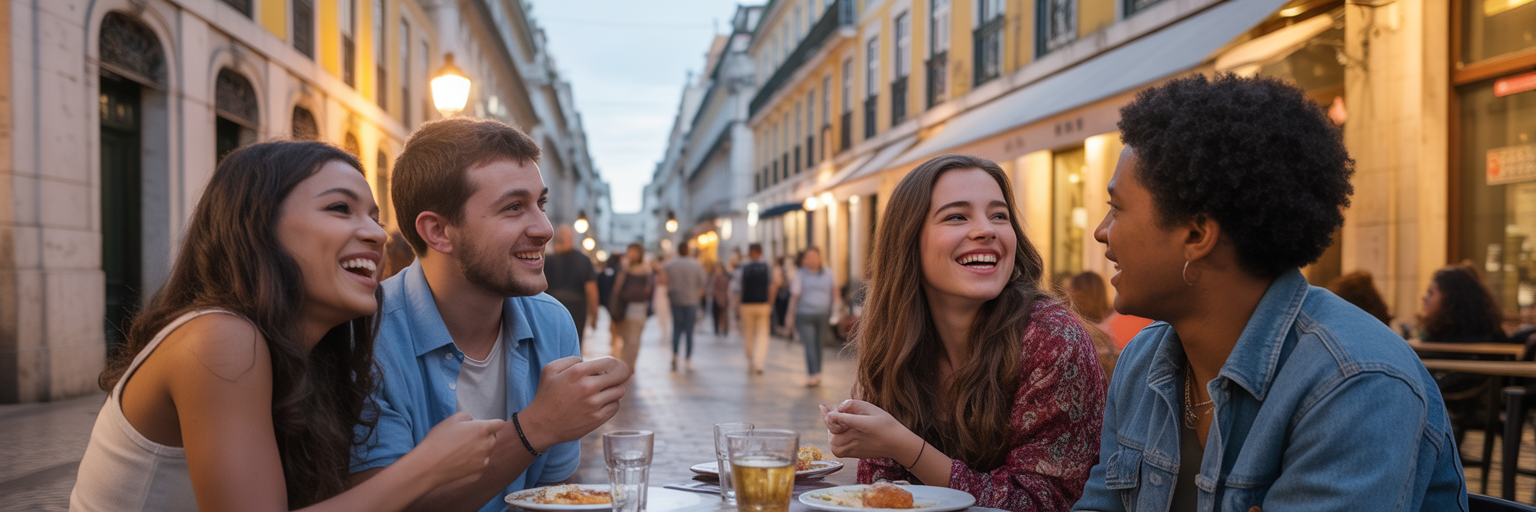
Some of the most memorable travel moments happen not on a mountain peak, but over a shared meal in a bustling city square. The following cities are masters of blending rich cultural exploration with a vibrant social fabric. Their very layout and rhythm make it easy to connect with others, turning a simple visit into a shared experience. To truly understand a city’s pulse, it helps to consult some of our detailed city guides that cover everything from local eateries to cultural landmarks.
Lisbon, Portugal: Old-World Charm and Modern Magnetism
Lisbon is a sensory feast. It’s the melancholic sound of Fado music drifting from a tiny restaurant in Alfama, the warm, flaky crust of a pastel de nata fresh from the oven, and the golden light of sunset viewed from a crowded ‘miradouro’ (viewpoint) overlooking the city’s terracotta roofs. This enchanting atmosphere, combined with an affordable cost of living, has attracted a massive community of travelers, artists, and remote workers. Evenings in neighborhoods like Bairro Alto are inherently social, as crowds spill out from tiny bars onto the cobblestone streets, drinks in hand, making conversation with strangers feel completely natural.
Mexico City, Mexico: A Metropolis of Art, Food, and Connection
Mexico City is a cultural behemoth that feels surprisingly intimate and friendly. A single day can take you from the profound ancient history at the National Museum of Anthropology to the vibrant, modern street art of the Roma Norte and Condesa neighborhoods. But the city’s true social lubricant is its food scene. From grabbing late-night tacos al pastor at a communal stand to enjoying a long, leisurely weekend brunch, eating here is a shared activity. For a truly unforgettable night, gather a group and head to a Lucha Libre wrestling match, where the electrifying, over-the-top spectacle creates an instant bond among everyone in the roaring crowd.
Barcelona, Spain: Architectural Wonders and Beachside Nightlife
In Barcelona, there is a seamless flow from day to night, from culture to celebration. Days are for wandering through the whimsical architectural wonders of Gaudí or getting lost in the labyrinthine alleys of the Gothic Quarter. As evening approaches, the energy shifts to tapas bars. The act of sharing small plates of food is inherently social, encouraging conversation and camaraderie. From there, the night often moves toward the lively beachside clubs of Barceloneta, where you can dance until sunrise. It’s a city built for those who want their cultural tourism to lead directly into a memorable party.
Seoul, South Korea: Futuristic Tech and Deep-Rooted Traditions
Seoul is a city of fascinating contrasts. You can spend the morning exploring the serene, centuries-old grounds of Gyeongbokgung Palace, and just hours later find yourself immersed in the neon-lit, high-energy streets of a neighborhood like Hongdae, famous for its youth culture and live music. What makes Seoul special for connection are the unique social activities central to Korean life. Sharing a meal at a Korean BBQ restaurant, where everyone cooks and eats from a central grill, is a bonding experience. So is renting a private ‘noraebang’ (karaoke room) to sing your heart out with new friends, or relaxing together in a ‘jjimjilbang’ (public bathhouse). These activities offer easy, fun ways to interact and form connections.
Top Digital Nomad Destinations 2026: Work, Live, and Connect
For a growing number of young adults, travel is no longer a temporary escape but a sustainable lifestyle. The key is finding the right base. The best digital nomad destinations 2026 are not just beautiful or cheap; they offer the critical infrastructure needed to live, work, and connect effectively. As you settle in, exploring your new surroundings is key to feeling at home, and platforms like When In Your City can be a great starting point for discovery.
Thailand: The Accessible Gateway to Working in Paradise
Thailand remains the classic, accessible entry point for aspiring digital nomads, and for good reason. Hubs like Chiang Mai in the north have been catering to this community for years, creating a well-oiled machine for remote work. The country offers a near-perfect blend of low living costs, friendly culture, and robust infrastructure. The advantages are clear and compelling:
- Extensive network of co-working spaces: From quiet, focused environments to social, collaborative hubs, there is a workspace for every need.
- Reliable high-speed internet: Connectivity is widespread and dependable, making video calls and large file transfers stress-free.
- Abundant, affordable street food: Delicious and incredibly cheap meals are available on every corner, simplifying daily life.
- A large, welcoming community: With thousands of nomads already there, finding a network for advice, collaboration, or friendship is easy.
Portugal: European Quality of Life on a Budget
While we’ve already touched on Lisbon’s social appeal, Portugal as a whole has firmly established itself as a top destination for remote workers seeking a European lifestyle without the hefty price tag. The government has actively courted this community with options like the Digital Nomad Visa and D7 Visa, which provide a clear path to long-term residency. This official welcome makes a huge difference. You can choose the bustling tech and creative scene of Lisbon or opt for the more relaxed, surf-and-work culture of coastal towns in the Algarve. It’s this blend of quality of life, safety, and affordability that makes it so attractive. As travel analysts at WhereNext noted in a recent report, countries like Portugal and Thailand are consistently ranked among the best for Gen Z movers, largely due to these exact factors.
The Practicalities of a Nomadic Lifestyle
Making the leap to a nomadic lifestyle requires more than just booking a flight. Success depends on managing the practical details. Finding your community is crucial; use platforms like Meetup.com or city-specific Facebook groups for nomads to connect with people. To avoid burnout, establish a routine that separates work hours from exploration time. Manage your finances smartly with multi-currency accounts from services like Wise or Revolut to avoid hefty bank fees. Finally, never overlook the importance of comprehensive international health insurance. It’s the essential safety net that allows you to embrace this lifestyle with peace of mind.
Discovering Deeper Bonds in Unconventional Destinations
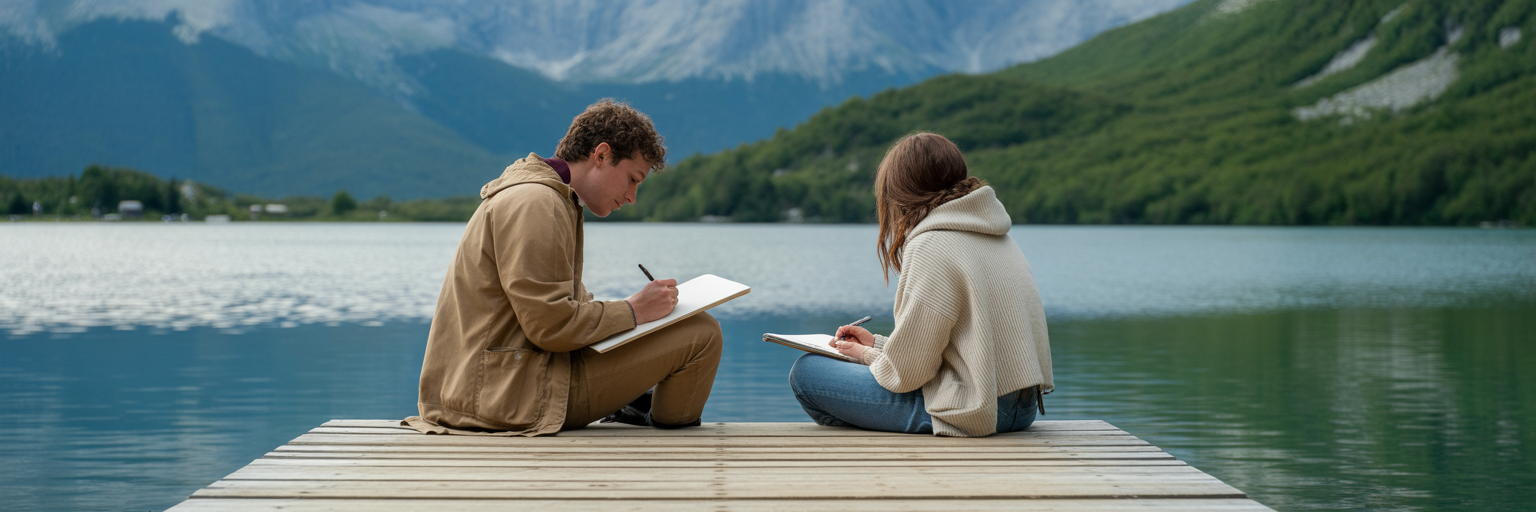
While well-established hubs offer convenience, there is a unique magic in venturing somewhere less polished. The shared challenges and discoveries in these less-traveled places often create the strongest and most lasting connections. This is where affordable adventure travel meets authentic camaraderie. The slightly rougher edges of these destinations act as a natural filter, attracting curious, open-minded travelers and creating an environment where bonds form quickly.
Eastern Europe: Authenticity Beyond the Main Tourist Trail
Countries like Slovenia and Romania offer a profound sense of discovery. Imagine hiking through the majestic Julian Alps with a small group of fellow travelers, sharing stories as you navigate the trails. Or picture exploring the myth-laden castles of Transylvania, far from the massive crowds of Western Europe. In these settings, interactions become more meaningful. With fewer tourists, conversations with locals are less transactional, and the bonds formed with other travelers feel more significant. You are not just consuming an experience; you are sharing in a discovery.
The Philippines: Island Hopping for the Intrepid
For those who find Thailand a bit too mainstream, the Philippines offers a more intrepid alternative. The adventure here is often the journey itself. The experience of chartering a traditional ‘bangka’ boat to find a deserted white-sand beach in Palawan or learning to dive in the world-class waters off Malapascua is unforgettable. The logistics can be more complex—ferry schedules can be unpredictable, and Wi-Fi can be spotty. However, this complexity forces travelers to collaborate, ask for help, and rely on one another, accelerating the formation of deep friendships. It’s a perfect example of a solo travel social destination where the social aspect is forged through shared adventure.
Why ‘Off-the-Beaten-Path’ Fosters Deeper Bonds
There is a simple psychology at play in these destinations. Overcoming small, shared obstacles—like deciphering a bus schedule in a language you don’t speak or finding a place to eat in a town with no reviews—creates a powerful “we’re in this together” mentality. This shared vulnerability strips away pretenses and fast-tracks friendship. You quickly learn to trust and rely on the people around you. These places attract a self-selecting group of individuals who are inherently curious and resilient, making it much easier to find your tribe. Even in more remote regions, having access to a detailed local guide, much like this one we created for a smaller American city like Bryan, Texas, can reveal hidden gems that transform a trip.
Practical Planning for Your Next Big Trip
Inspiration is the first step, but practical planning is what turns a dream trip into reality. This is the toolkit you need to start preparing for your next adventure. The right preparation empowers you to be spontaneous and confident on the road, ensuring you can focus on the experience itself.
Budgeting for Adventure and Spontaneity
A smart budget is a flexible one. It should account for your planned expenses while leaving room for the unexpected opportunities that make travel exciting. Here’s a simple framework to get started:
- Research your daily costs. Before you go, use online resources to estimate the average daily cost for accommodation, food, and transport in your target region. This gives you a realistic baseline.
- Create a ‘spontaneity fund’. Set aside an extra 15-20% of your total budget. This is your ‘yes’ fund for unplanned adventures, like a last-minute trek or a concert you hear about from a local.
- Track your expenses on the go. Use a simple app to log your spending. This keeps you accountable and helps you see where your money is going, allowing you to adjust as needed.
Choosing Accommodation for Social Connection
Where you stay has a huge impact on who you meet. Different types of accommodation are designed for different levels of social interaction. Choosing the right one depends on your travel style, budget, and how much you want to connect with others.
| Accommodation Type | Best For | Pros | Cons |
|---|---|---|---|
| Social Hostels | Meeting many people quickly, short trips | Common areas, organized events, budget-friendly | Lack of privacy, potential for noise, varied quality |
| Co-Living Spaces | Digital nomads, longer stays | Built-in community, dedicated workspaces, networking | Higher cost, more commitment required, less touristy vibe |
| Private Rentals (e.g., Airbnb Room) | Local immersion, quieter connection | Interaction with a local host, more privacy, authentic setting | Social opportunities are not guaranteed, can be isolating |
| Boutique Hotels | Comfort with social potential | Stylish common areas (bars, lounges), curated atmosphere | Higher price point, less organic interaction than hostels |
Staying Safe While Seeking Thrills
Seeking adventure doesn’t mean being reckless. Smart safety practices are what allow you to explore with confidence. Before you arrive, get familiar with the layout and customs by reading detailed guides, similar to this local look at Baytown, Texas, we put together, to build confidence. Always share your itinerary with someone back home and maintain situational awareness in crowded areas. For adventure sports, verify that your guides are certified and that their equipment is well-maintained. When it comes to social safety, trust your instincts. Meet people from apps in public places and always be mindful of your surroundings. These simple habits become second nature and are crucial for a positive experience.
Your Most Important Tool: An Open Mindset
Ultimately, the most critical component for a successful trip is not in your backpack. It’s your mindset. Flexibility, openness, and a willingness to say ‘yes’ to unexpected invitations are what lead to the best stories. The most memorable moments are rarely on the itinerary. They happen when you embrace the detours. This is how you will find the best places to travel in your 20s and create connections that last a lifetime.